From Washington to Kyiv, central banks hold rates as Iran war sends oil prices soaring
 on Google
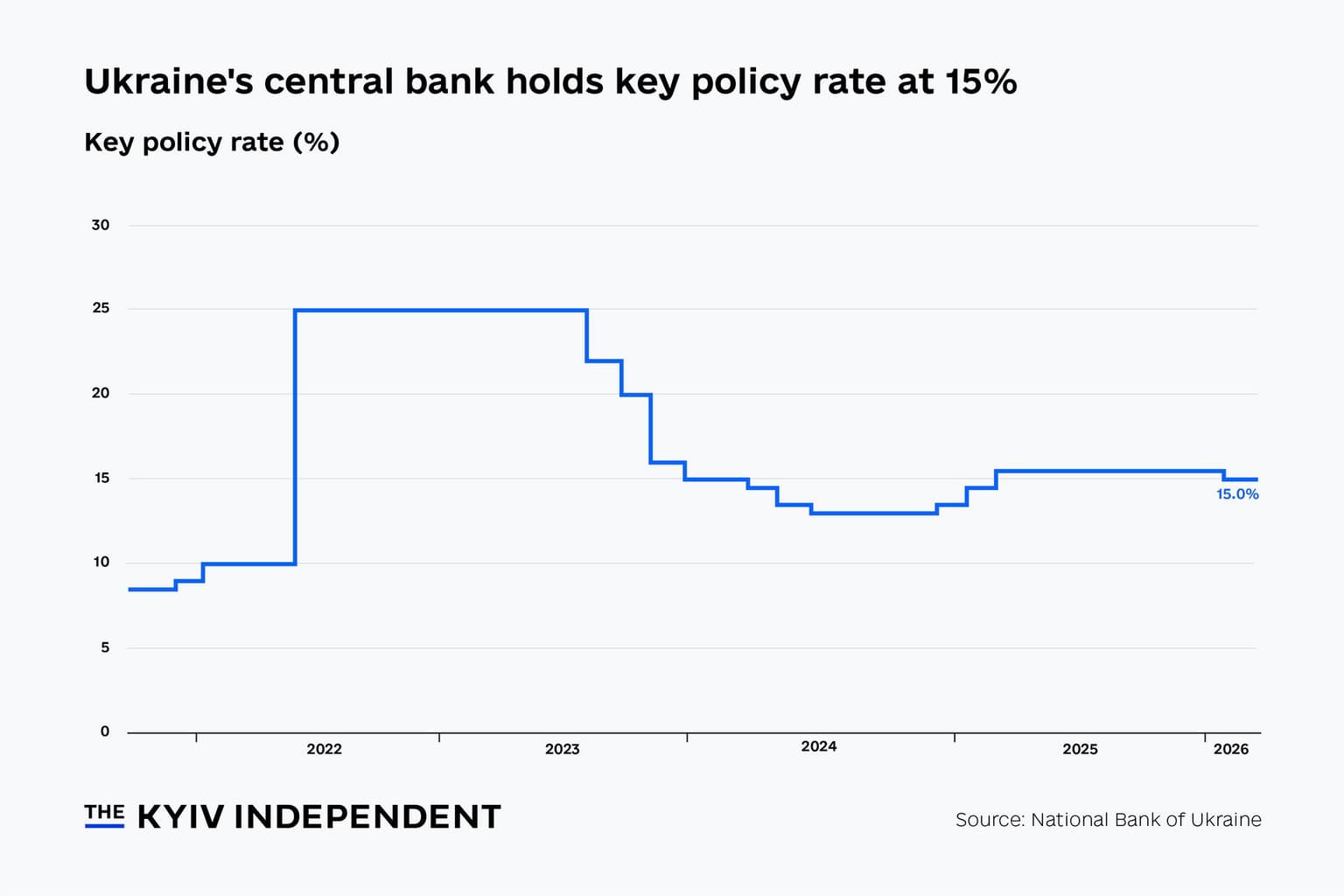
Ukraine's central bank kept its key rate unchanged at 15% on March 19, as an unexpected bump in inflation and war in the Middle East cause the bank to err on the side of caution.
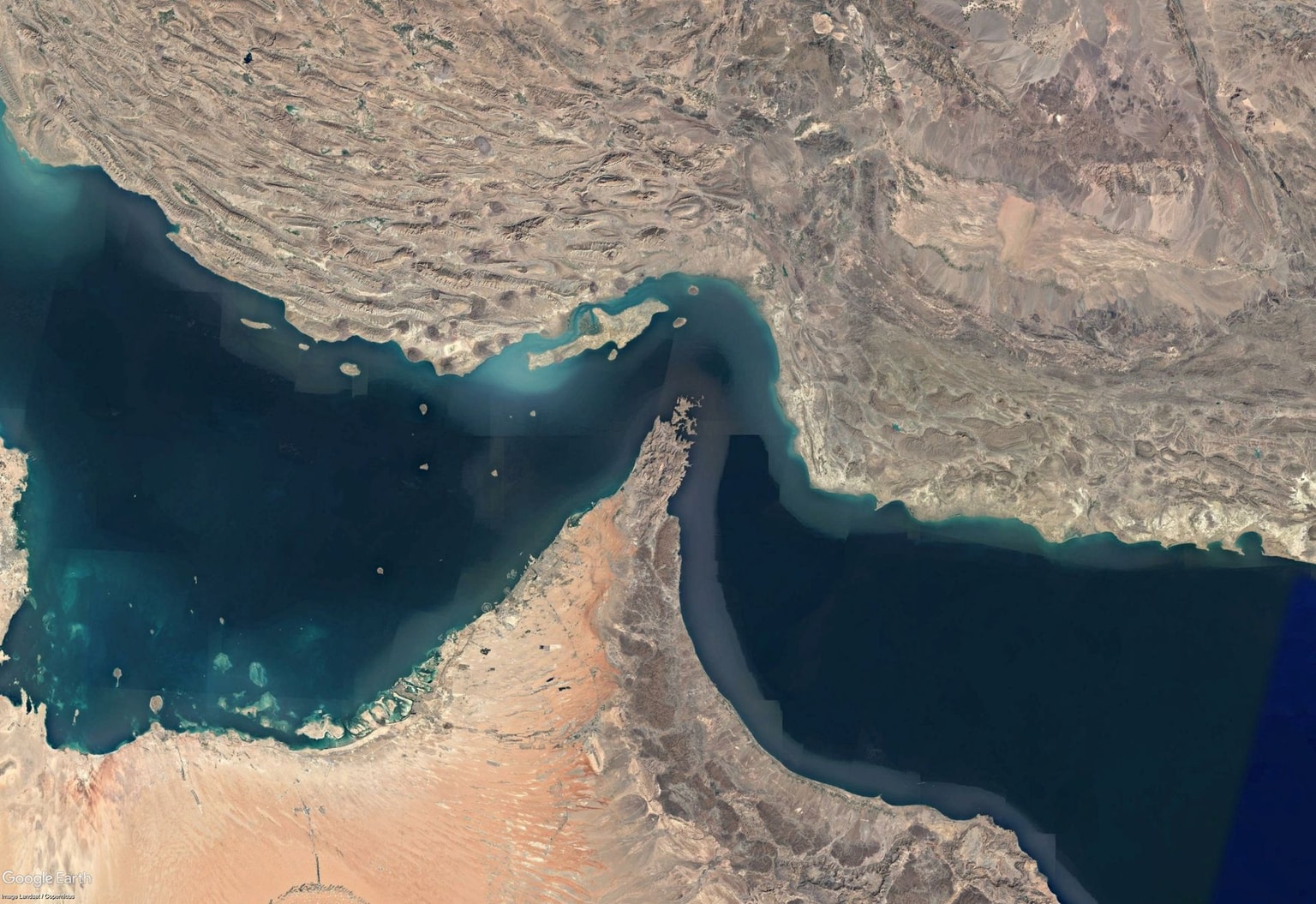
U.S.-Israeli strikes on Iran at the end of February have caused global energy prices to surge, after Iran retaliated by attacking oil and gas infrastructure across the region, and targeted tankers traveling through the Strait of Hormuz, a key artery for global oil and gas flows.
Sea traffic through the strait has collapsed, causing widespread fears over access to energy.
The National Bank of Ukraine joined other central banks across the world in holding its rate steady, as fears of a protracted energy crisis mount. The U.S. Federal Reserve, European Central Bank, Bank of Japan, and the Bank of England all kept their rate unchanged this week.
A higher key rate encourages saving over consumption, helping to tame inflation.

Headline inflation in Ukraine had been declining month-on-month from a peak of 15.9% in May last year, hitting 7.4% in January. But price increases unexpectedly accelerated slightly in February to 7.6%, off the back of rising vegetable and fuel prices.
Retail gas prices in Ukraine then rose sharply in early March, as the private sector prices in the higher global benchmarks spurred by the war in Iran.
"The war in the Middle East has led to a surge in prices of petroleum products and natural gas, which is already affecting domestic prices in Ukraine," the National Bank of Ukraine said in a press release on March 19.
"On the one hand (a prolonged war) would further push up inflationary pressure in Ukraine; on the other, it would bolster Russia's capacity to sustain its full-scale war," the bank added, referring to the potential windfall that Russia could reap off the back of higher energy prices and lower global supply that make Russian barrels more attractive.
Ukraine has witnessed two significant bouts of inflation since Russia's full-scale invasion in February 2022.
Inflation surged to 26.6% in October 2022 from 10.0% on the eve of the full-scale invasion. The bank responded by raising the key rate from 10.0% to 25.0% in June 2022, where it remained until July 2023.
A second bout of inflation peaked at 15.9% in May 2025, driven by a poor harvest in 2024, higher energy and labor costs, and robust consumer demand.
The key rate has not fallen below 13% since the full-scale invasion.