What will happen in Ukraine in 2026? We asked 6 of our journalists what they expect to cover
 on Google

As 2025 draws to a close, Ukraine once again finds itself at a critical juncture.
In the last few months alone, Ukrainians have faced pressure from seemingly every side: a renewed push from the U.S. for an unfavorable peace with Russia, a major political corruption scandal, and Moscow’s continued advances east, north, and south. As a result, 2026 is poised to be a year that presents significant challenges in terms of diplomacy, internal cohesion, and on the battlefield.
With this in mind, we asked six Kyiv Independent journalists, writing about domestic and foreign affairs, business, and war, about what they expect to be covering in the coming year.
Long-awaited elections?
Kateryna Denisova, national desk reporter
Four years into the full-scale war, 2025 marked the return of domestic politics. The year ahead is likely to be even more turbulent, shaped above all by the prospect of presidential and parliamentary elections. Ultimately, this will all depend on whether Russia agrees to an actual ceasefire.
There is a lot to be done, and rushing elections would be dangerous. Still, I believe the vote may take place in late 2026. This will be an unprecedented and messy election cycle, heavily influenced by platforms such as Telegram and TikTok, and vulnerable to Russian meddling as never before.
The political landscape will widen to include large numbers of soldiers and veterans. Russian-friendly politicians, who rebranded themselves as patriots after the start of the all-out war, will attempt to stay afloat by presenting themselves as candidates “for peace.” Some politicians may adopt a Eurosceptic approach, targeting Ukrainians who believe that the West betrayed Ukraine and did not do enough to bring the war to a just end.
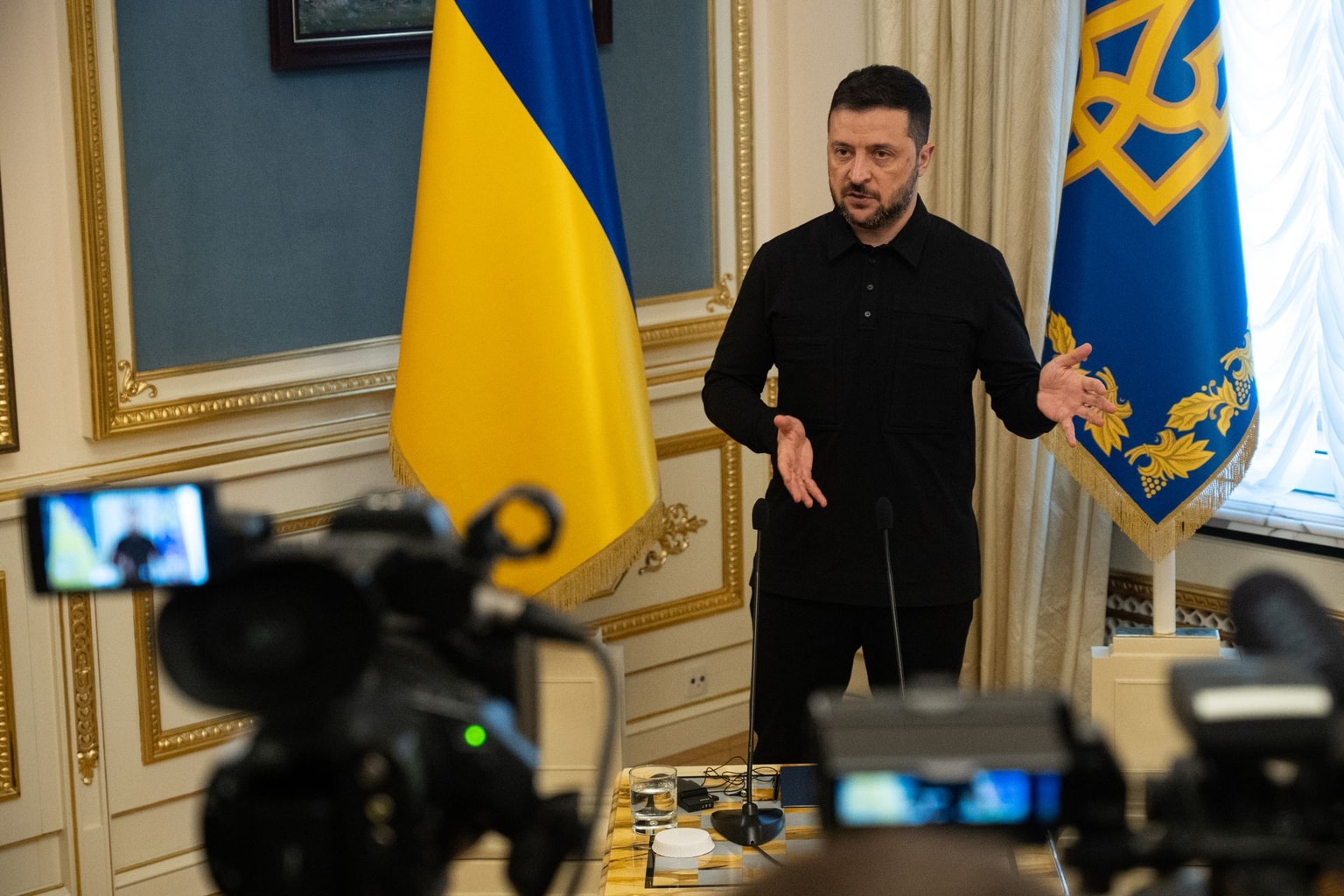
Until elections take place, the crisis in Ukraine’s parliament is likely to deepen, with a potential for President Volodymyr Zelensky's parliamentary majority to formally collapse.
We have also seen only the beginning of Ukraine’s biggest corruption scandal. More developments are still to come.
In 2026, I expect to cover new revelations and charges against top officials implicated in this scandal. If the authorities interfere with investigations, pressure anti-corruption agencies, or take the wrong path on other domestic political issues, Ukraine may see new protests, larger and more consequential than those in July 2025.
An end to Russia’s war?
Francis Farrell, war desk reporter
I have absolutely zero faith that the war will end with a ceasefire, let alone a peace deal, in at least the first half of 2026. We have overwhelming evidence — both in official statements, data, and intuitive analysis — that Russia has no plans to stop its war with anything less than Ukrainian capitulation, whether that is through defeat on the battlefield or through suing for peace on Russia's terms. Ukraine's task, together with its Western partners, is, of course, to change that calculation and end that conviction that Russia can break Ukraine.
With that in mind, I expect 2026 to be the year in which both sides push each other to their absolute limit. On the Russian side, for now, Moscow is managing to bring in enough recruits to roughly maintain the intensity of its assaults across the front line. But this could increasingly come under strain next year, and if it does, it may well compel Vladimir Putin either to initiate forced mobilisation or to wind down — and perhaps cease altogether — offensive operations in Ukraine.
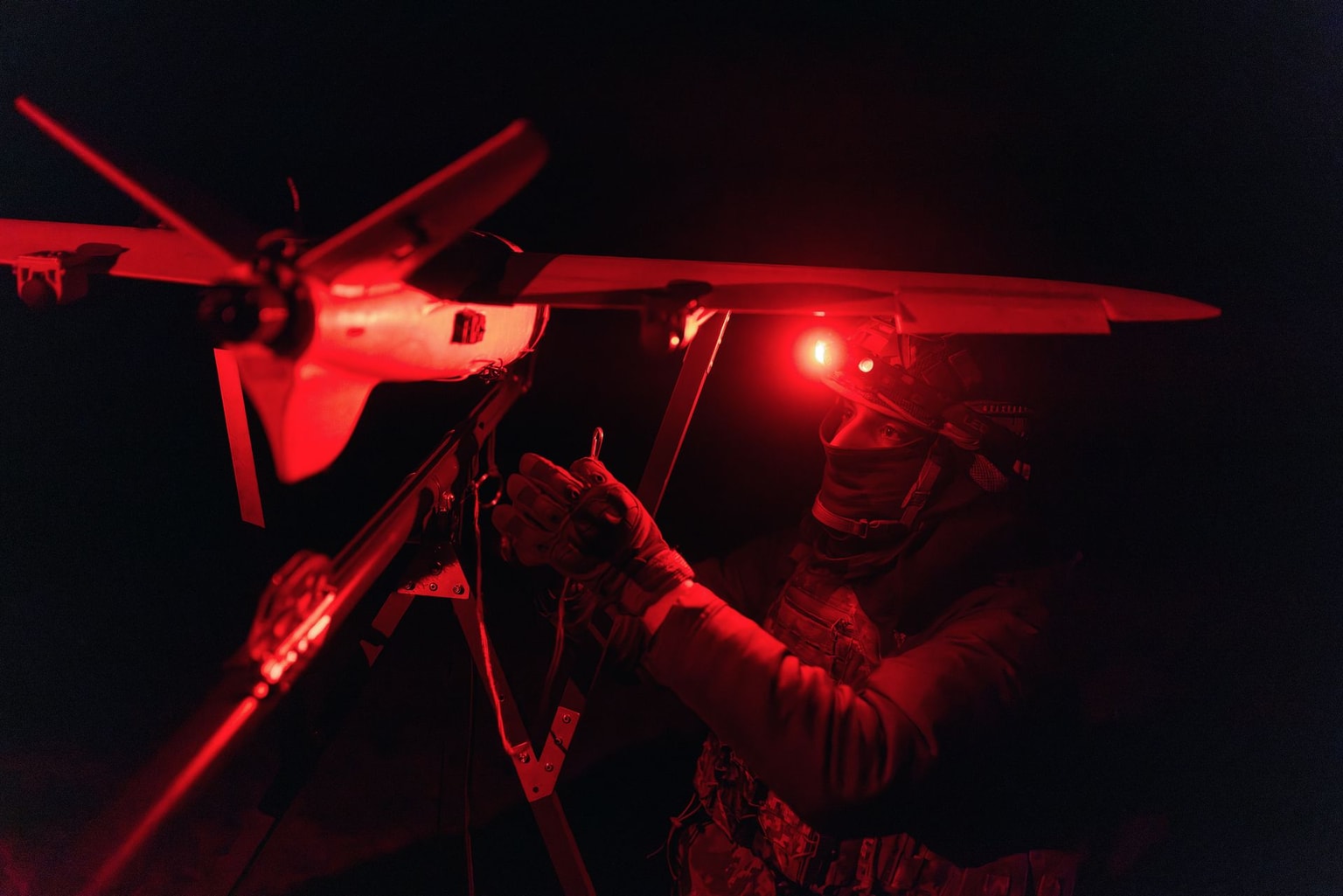
For Kyiv, the chronic manpower crisis is already placing severe pressure on Ukraine's capacity to defend itself, and will almost certainly be tested further next year. On a drone-saturated battlefield and fighting an enemy with vastly superior reserves of expendable infantry, Ukraine must learn to better protect the lives of its soldiers. To do that, major top-down reforms will need to come within the military.

Peace talks and Europe’s lead
Martin Fornusek, national desk reporter
Concerning foreign affairs, the outlook for 2026 is grim — but there are a few glimmers of hope.
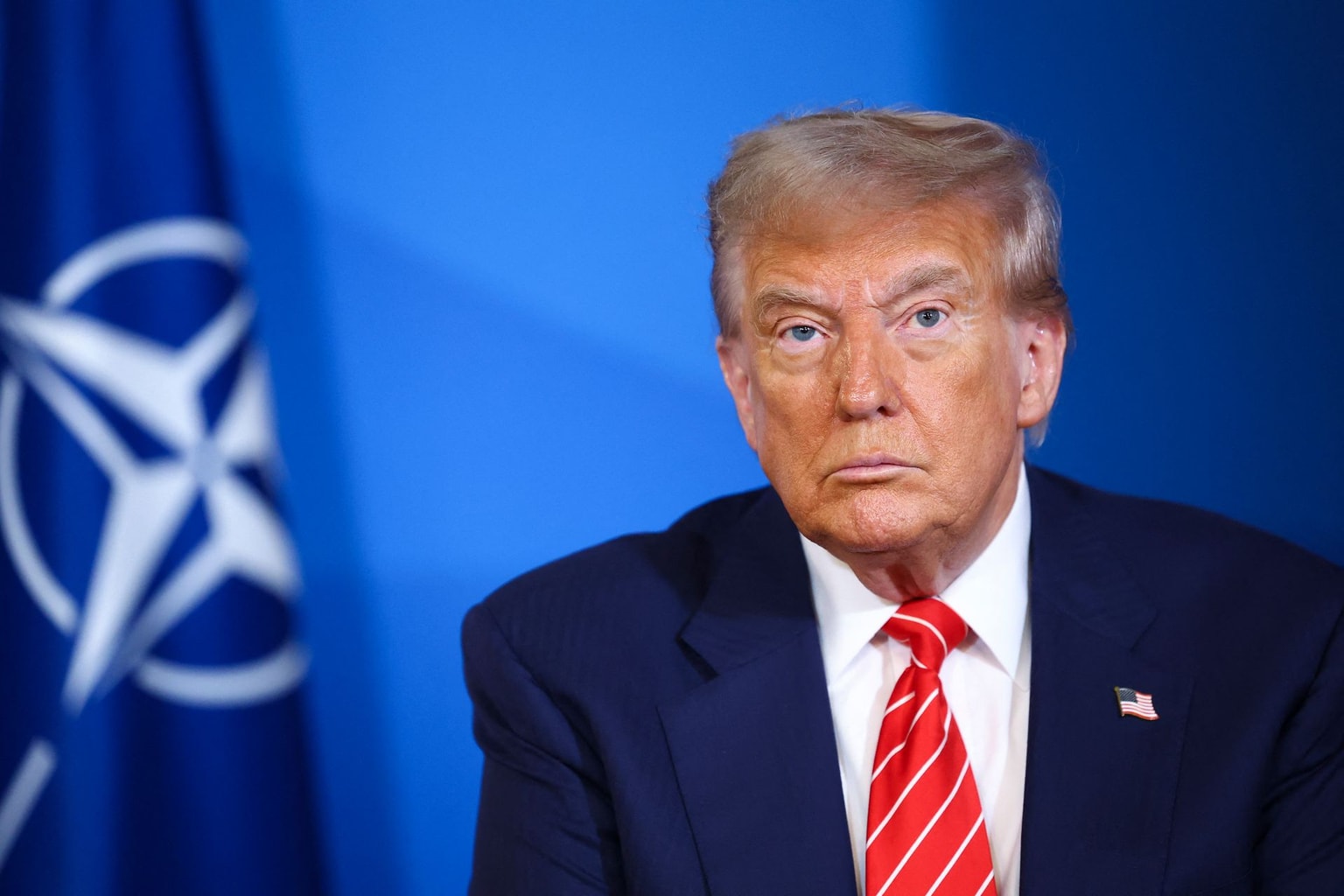
While Western officials sound upbeat about peace efforts, the positions of Moscow and Kyiv remain far apart on some of the most crucial issues, like the fate of Donbas. This means that the cyclic, dead-end negotiations process, where the U.S. moves through peace plans unacceptable for one of the two sides, will continue for a good part of next year, at least until Trump grows tired of Ukraine.
An election to watch out for is the U.S. midterms in November. The Democrats reclaiming the House could increase pressure on the White House and potentially strengthen support for Ukraine on Capitol Hill.
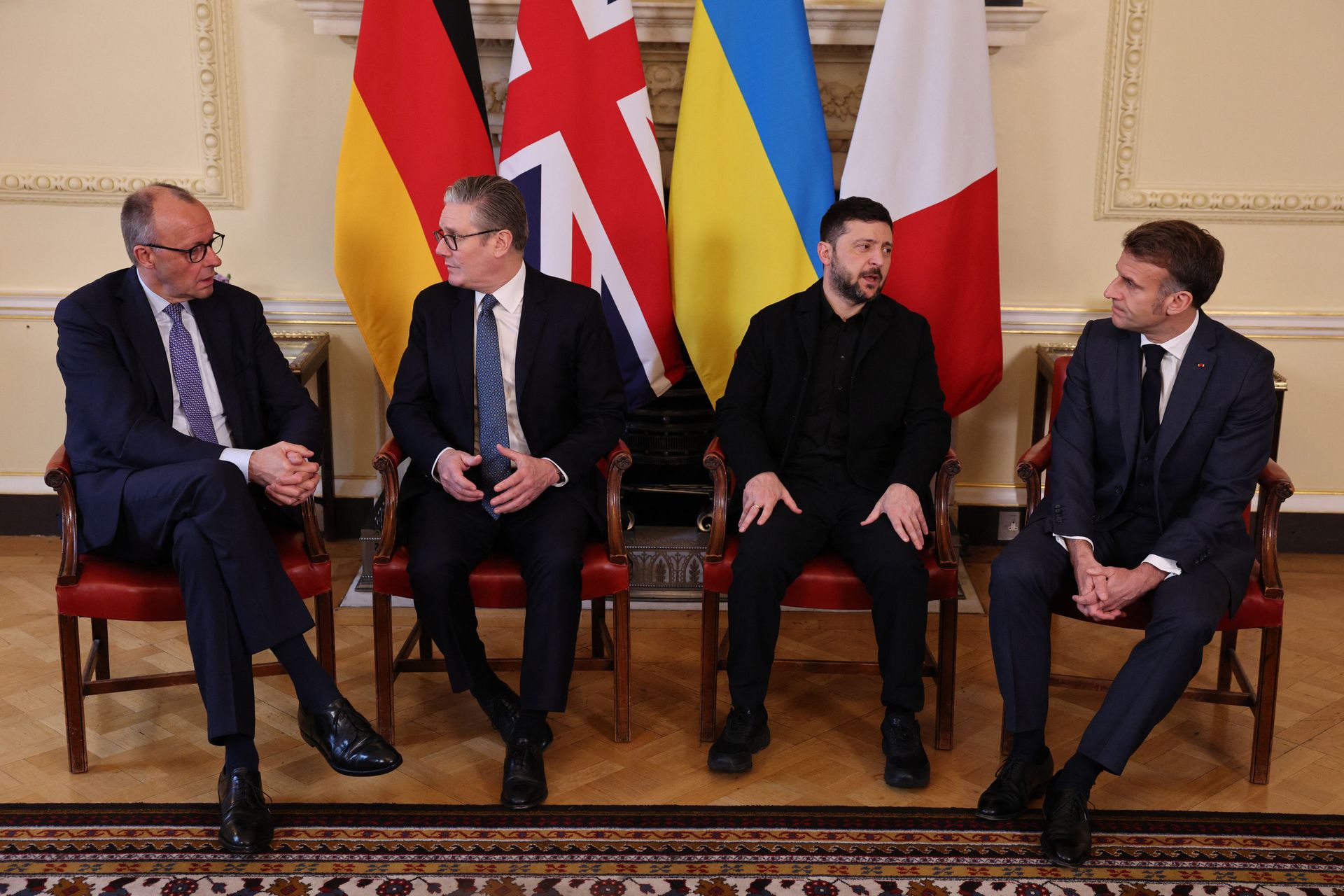
Before that, all eyes are now on Europe, now Ukraine's leading backer, whose unity is being strained by rising populist forces. What may still shake up the deck will be the April elections in Hungary, which Prime Minister Viktor Orban, the Kremlin’s closest ally in the EU, may very well lose.
Next year will also be a test for Europe's own defense readiness, especially if Russian aerial incursions and hybrid attacks continue while the U.S. attention shifts elsewhere. It remains to be seen whether ambitious projects like NATO Sentry will yield results next year, or whether Russian provocations will continue to undermine collective defense without a response.
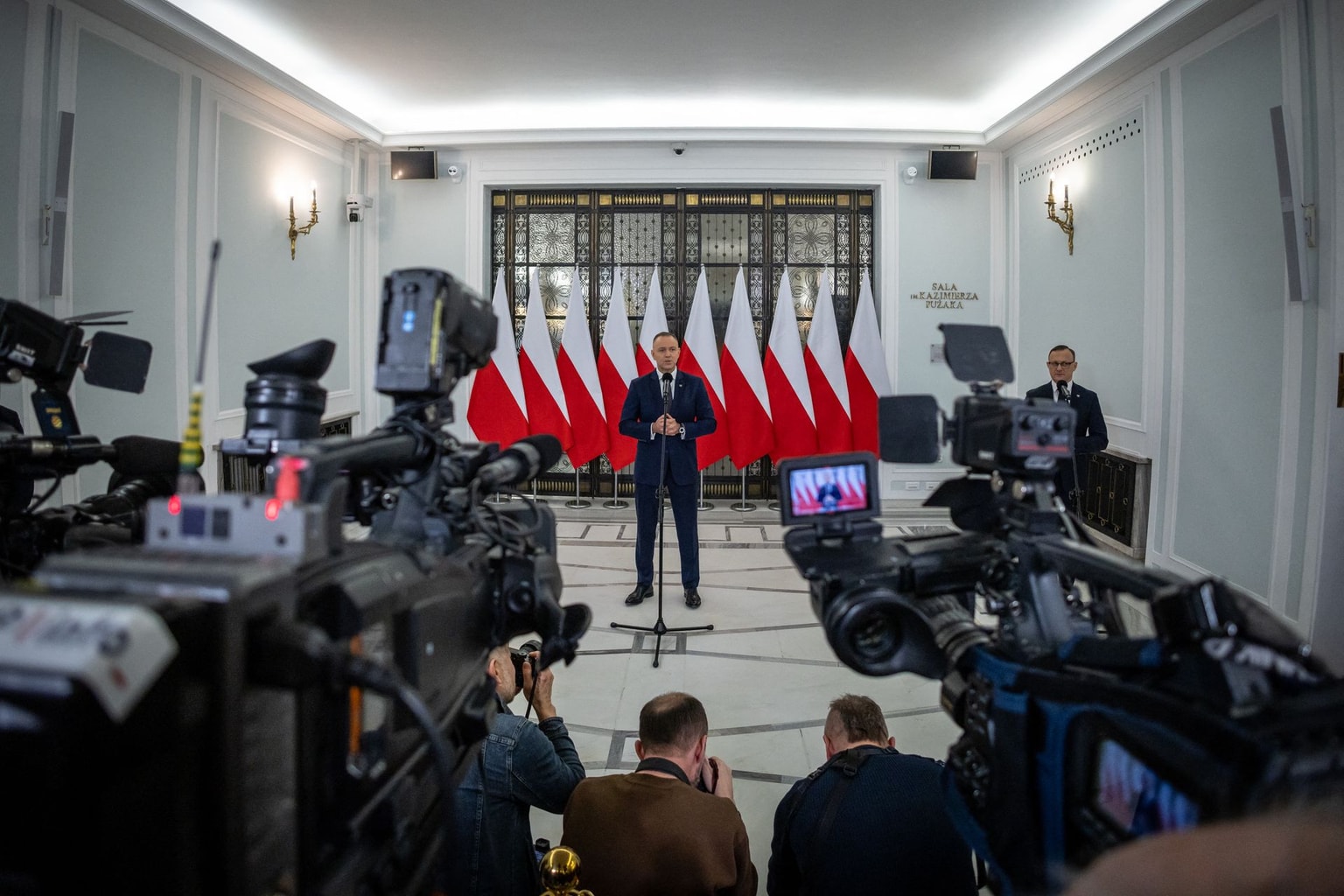
Speaking of European neighbors, Ukrainian-Polish relations will likely see further strain as President Karol Nawrocki takes a harder line on Kyiv than his predecessor. Poland is and will remain an ally, but internal political divisions and souring moods toward Ukrainian refugees will continue to take their toll on bilateral relations.
Then there is Russia, whose mounting economic strains — including decreasing oil and gas revenues — could, as Ukrainian intelligence believes, influence, well, everything.

Minerals, reforms, and energy
Dominic Culverwell, business reporter
The question of whether the minerals deal is all hype and no bite will be answered in 2026. The highly publicized deal was hailed as a success story when it was signed in April 2025, after nearly derailing Kyiv and Washington’s relationship. But the exact details of the deal were vague, and investors were left waiting for a concrete framework.
On Dec. 18, Ukraine's Economy Ministry announced that the deal, officially known as the Reconstruction Investment Fund, will go live in early 2026. The exact investment mechanism remains fuzzy, however, and investors are unlikely to line up until something more tangible is presented.
Kyiv is already making preparations to entice investors. It’s digitizing its Soviet-era geologic archives with support from the European Bank for Reconstruction and Development (EBRD) and will resume core drilling in January 2026 to get new data on what lies beneath its surface.
Corporate governance will also be a hot topic in 2026, following the biggest corruption scandal of President Volodymyr Zelensky’s presidency, which involved his entourage and the state-owned nuclear company, Energoatom.
Russia’s full-scale invasion distracted international partners, like the EBRD and IMF, from corporate governance reforms. Now, all state-owned companies are undergoing a reset to eliminate corruption risks. The first step, new supervisory boards for state-owned companies, will be finalized by early 2026.
On a more sobering note, 2026 will be the biggest test for Ukraine’s energy sector. This year ended with some of the worst attacks on Ukraine’s energy system so far, and Russia shows no sign of slowing down its campaign any time soon.
While Ukraine has managed to patch up damaged facilities with replacement equipment, its stocks are dwindling. Europe and Ukraine will need to pull together in 2026 to boost production of critical energy equipment if Ukraine is to have power and heating by the end of next year.

War crimes investigations
Yevheniia Motorevska, head of the War Crimes Investigations Unit
Ukraine is expected to maintain strong momentum in investigating war crimes through its domestic law enforcement bodies in 2026, particularly crimes against children, including deportation, militarization, and inhumane treatment of prisoners of war. Prosecuting Russia’s crime of aggression will remain a top priority for Ukrainian prosecutors. It is also possible that the International Criminal Court will issue new arrest warrants against senior Russian military officials implicated in war crimes.
Next year, we're likely to see the first tangible steps toward launching the Special Tribunal, set to operate within the framework of the Council of Europe. The idea is that it will be mandated to investigate the crime of aggression against Ukraine — the so-called “leadership crime." Its mandate will cover the planning, preparation, initiation, and conduct of Russia’s full-scale invasion of Ukraine. We expect recruitment of staff, approval of procedural rules, and the adoption of a budget to begin in 2026, though the tribunal is unlikely to become fully operational within the same year.
At the same time, we expect Russia to intensify large-scale disinformation and influence campaigns abroad, aimed at discrediting both the ICC and the Special Tribunal. Particular emphasis is likely to be placed on personal attacks against judges, prosecutors, and witnesses, as well as efforts to sow divisions among Ukraine’s allies by portraying support for accountability mechanisms as a political risk.

The future in Russian-occupied Ukraine
Yuliia Taradiuk, war desk reporter
I don’t expect the situation in Russian-occupied territories to improve in 2026. Of course, it’s hard to say what will happen there next year, or in several years, but we can see that Russia is consistent in its policy and attitude towards the occupied Ukrainian territories. Donetsk Oblast appears to be the cornerstone of the ongoing peace talks, and we don’t see any prospects for these territories to be given back to Ukraine.
In the areas it occupies, Russia tries to present itself as a liberator by means of propaganda, standalone reconstruction projects, and bribes, while covering up its war crimes. We can see this in Mariupol, for example. The Russian authorities have said they’ve rebuilt the Mariupol Drama Theater, where hundreds of civilians were killed and injured in a Russian strike in the early weeks of the invasion in 2022.
No exhumation took place, with the exact number of casualties most likely now being impossible to establish.
There are reports that those living under occupation don’t have access to basic amenities like hospitals. Pharmacies reportedly give people expired medicine, and some types of medicine are simply not available. The water crisis in the occupied territories is also serious. I wrote an article about this in August, and now the situation has worsened, especially in Donetsk Oblast.
Recently, Putin issued a decree that said property abandoned by Ukrainians who left occupied territories will be taken over by Russians. This will be a big issue in 2026. There are people living in occupied territories who stay under Russian occupation because all they have is their home. If they leave, the Russians will take it, and they’ll have nowhere to live. So we might see fewer people leaving occupied territories in 2026 if people are more afraid of losing their homes for good.
read also
 Tim Zadorozhnyy
 Martin Fornusek