crimea: the war before the war

watch part 2 now
Team
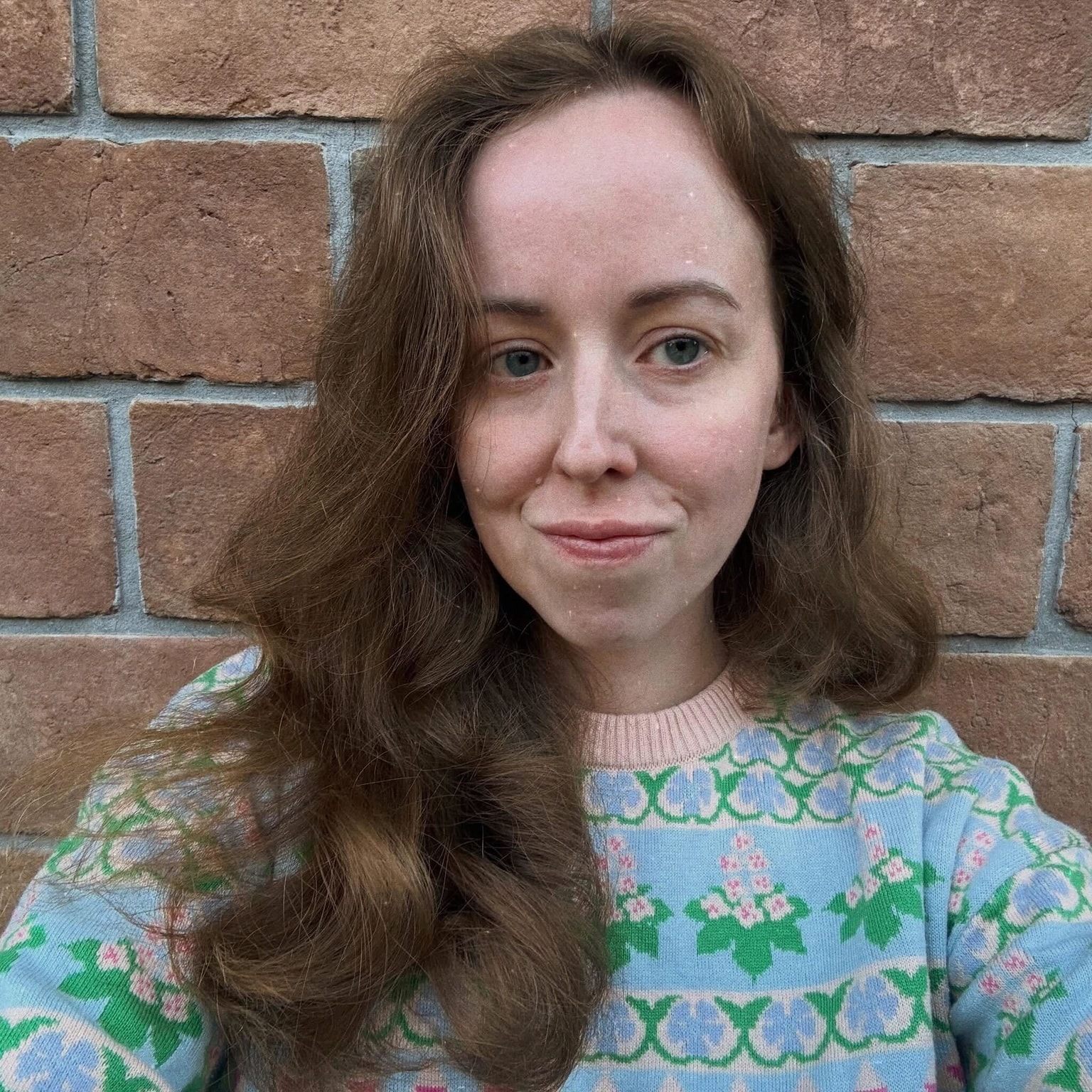
Kate Tsurkan photo

Kate Tsurkan

Culture Reporter

Kate Tsurkan is a reporter at the Kyiv Independent who writes mostly about culture-related topics. Her newsletter Explaining Ukraine with Kate Tsurkan, which focuses specifically on Ukrainian culture, is published weekly by the Kyiv Independent and is partially supported by a generous grant from the Nadia Sophie Seiler Fund. Kate co-translated Oleh Sentsov’s “Diary of a Hunger Striker,” Myroslav Laiuk’s “Bakhmut,” Andriy Lyubka’s “War from the Rear,” and Khrystia Vengryniuk’s “Long Eyes,” among other books. Some of her previous writing and translations have appeared in the New Yorker, Vanity Fair, Harpers, the Washington Post, the New York Times, the Los Angeles Review of Books, and elsewhere. She is the co-founder of Apofenie Magazine and, in addition to Ukrainian and Russian, also knows French.

For media & speaking inquiries:
press@kyivindependent.com

Articles

From revolutionary to vegan farmer — the wild life of Ukrainian author Volodymyr Vynnychenko

by Kate Tsurkan
Editor's Note: This story is part of the "Hidden Canon" – a special series celebrating Ukrainian classic literature and aiming to bring it to a wider international audience. The series is supported by the Ukrainian Institute. Like many intellectuals shaped by the turmoil of the early 20th century, Ukrainian author and statesman Volodymyr Vynnychenko was an idealist. He dreamed not just of political reform in Ukraine, but of a radical new path for humanity — one liberated from the compromises an
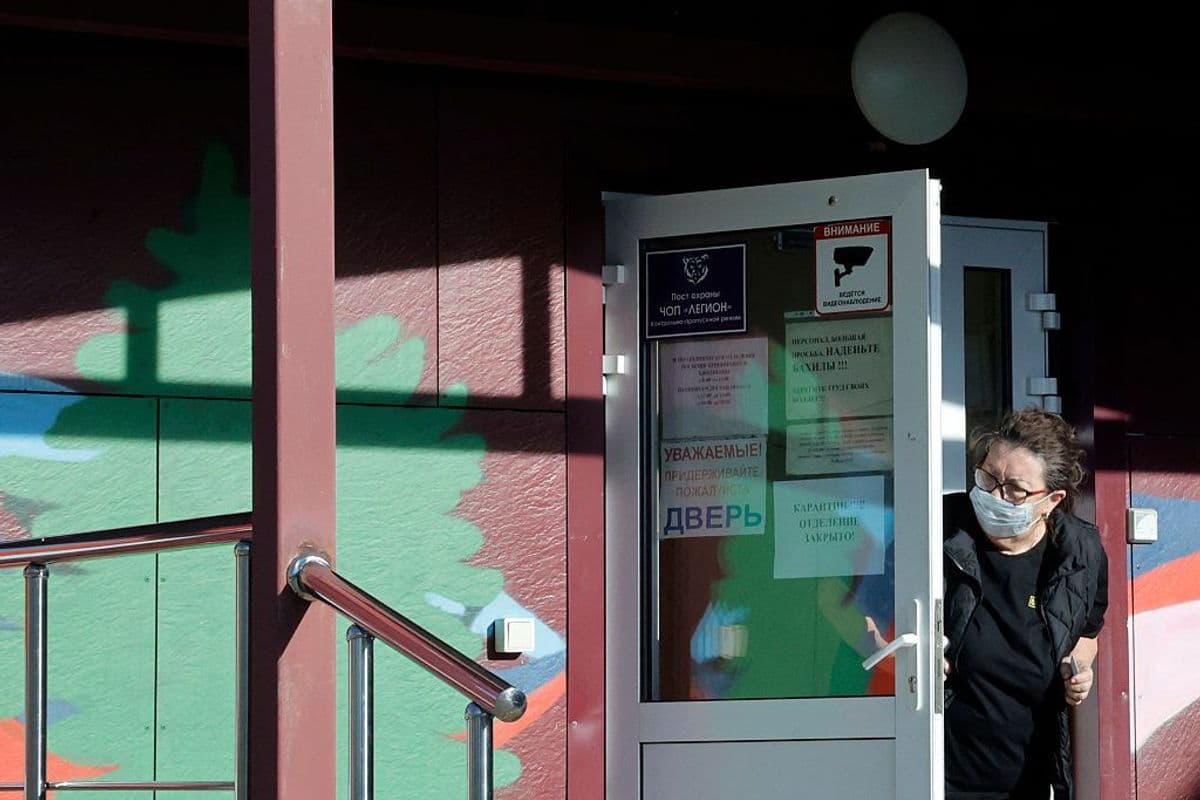
Russian police officers guard the entrance to Penal Colony No. 2, in Pokrov, Russia, on April 6, 2021.

The Russian opposition group helping find Ukrainian civilians captured by Russia

by Kate Tsurkan
When Ukrainian citizens are captured and disappeared into Russian prisons, their families and government often have no way to reach them, let alone help. Yet, behind the scenes, a network of pro-democracy Russians — some in exile, others still inside the country — work alongside Ukrainian officials to make sure no one is forgotten. Since Russia’s full-scale invasion began in 2022, the Free Russia Foundation’s “Poshuk.Polon” (“Search.Captivity”) project has worked to track down, document, and a
A Venetian Gothic facade adorned with banners for the 2026 Venice Biennale, in Venice, Italy, on Feb. 25, 2026.

What's on at the Venice Biennale? Russian soft power

by Kate Tsurkan
In the fifth year of Russia’s full-scale war against Ukraine, the Russian pavilion is set to return to the Venice Art Biennale with a “musical festival come to life” that serves as “a space for dialogue and exchange.” The pavilion was effectively canceled in 2022 after the artists and curator chosen to represent Russia withdrew in protest of the invasion. At the time, the organizers of the Biennale released a statement praising the decision and condemning “all those who use violence to prevent
Mosaics in Kostiantynivka, Donetsk Oblast, Ukraine, on Dec. 4, 2025.

Russia's war is erasing Kostiantynivka's Soviet-era mosaics — this is why it matters

The mosaics covering the facades of factories, cultural centers, and apartment blocks across eastern Ukraine were designed with a specific kind of permanence in mind. They survived the Soviet collapse, the chaos of the 1990s, and decades of post-industrial neglect. What these mosaics couldn't survive was Russian artillery. As Russia’s full-scale war enters its fifth year, the fighting is erasing art that was meant to be indestructible. Photographer Oleg Petrasiuk has captured not just images o
Mykhailo Kotsiubynskyi was a Ukrainian author whose writings depicted everyday life in Ukraine.

Overlooked by the Western canon: Why Mykhailo Kotsiubynskyi matters now

by Kate Tsurkan
Editor's Note: This story is part of the "Hidden Canon" – a special series celebrating Ukrainian classic literature and aiming to bring it to a wider international audience. The series is supported by the Ukrainian Institute. In an age where minds rarely know rest, the craving for true stillness feels almost radical. Long before smartphones and social feeds, Ukrainian writer Mykhailo Kotsiubynskyi sensed this human need with startling clarity. More than a century ago, he created a literary ma