As Ukrainians freeze, donated energy equipment sits unused
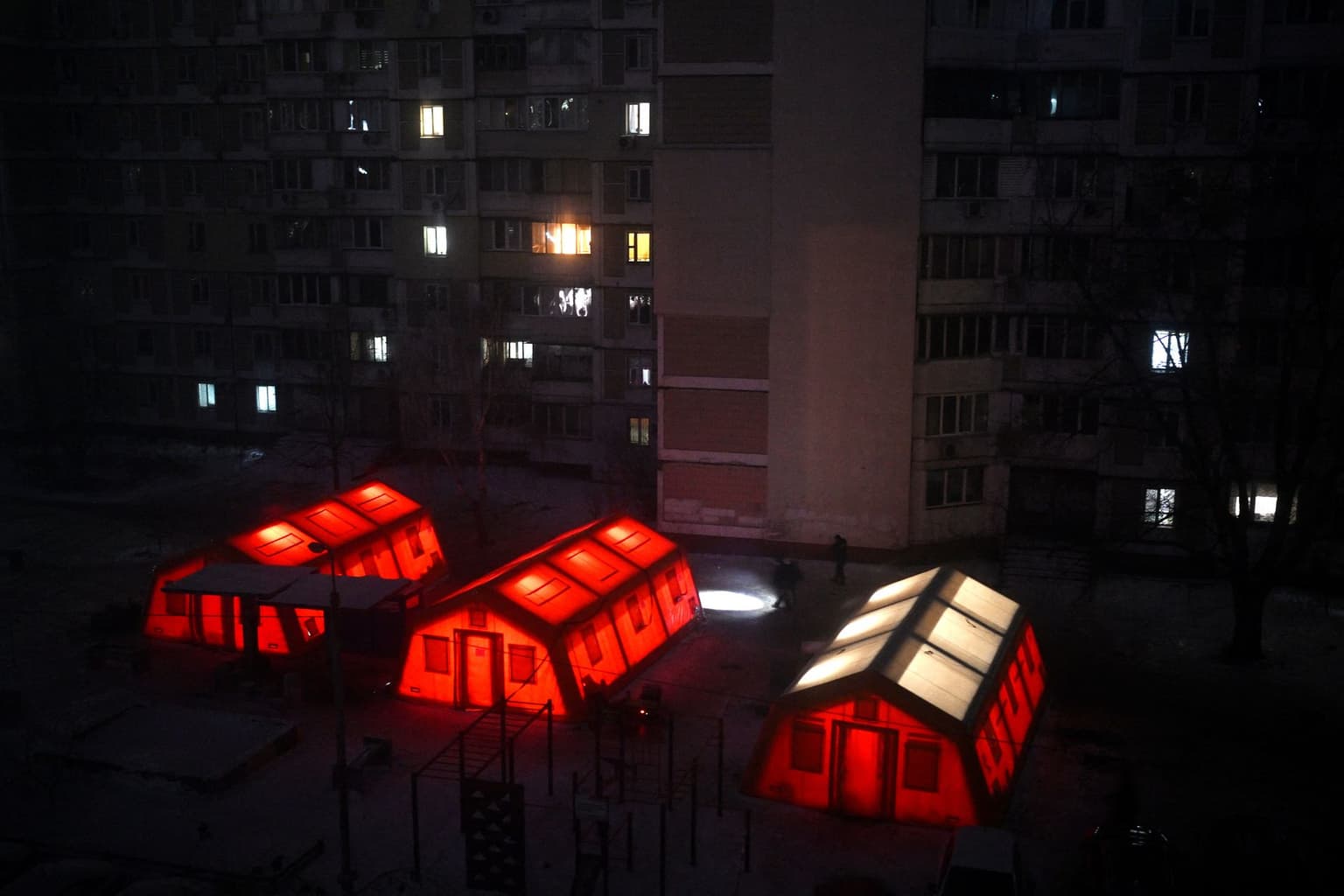
Local residents use flashlights as they walk past heating tents set up in the courtyard of a residential building in Kyiv, Ukraine, on Jan. 19, 2026. (Sergei Gapon / AFP via Getty Images)
 on Google
Critical energy generation equipment donated by Ukraine's partners has been left idle and unconnected to the grid for years, as Russian attacks cripple the country's energy system during its coldest winter in decades.
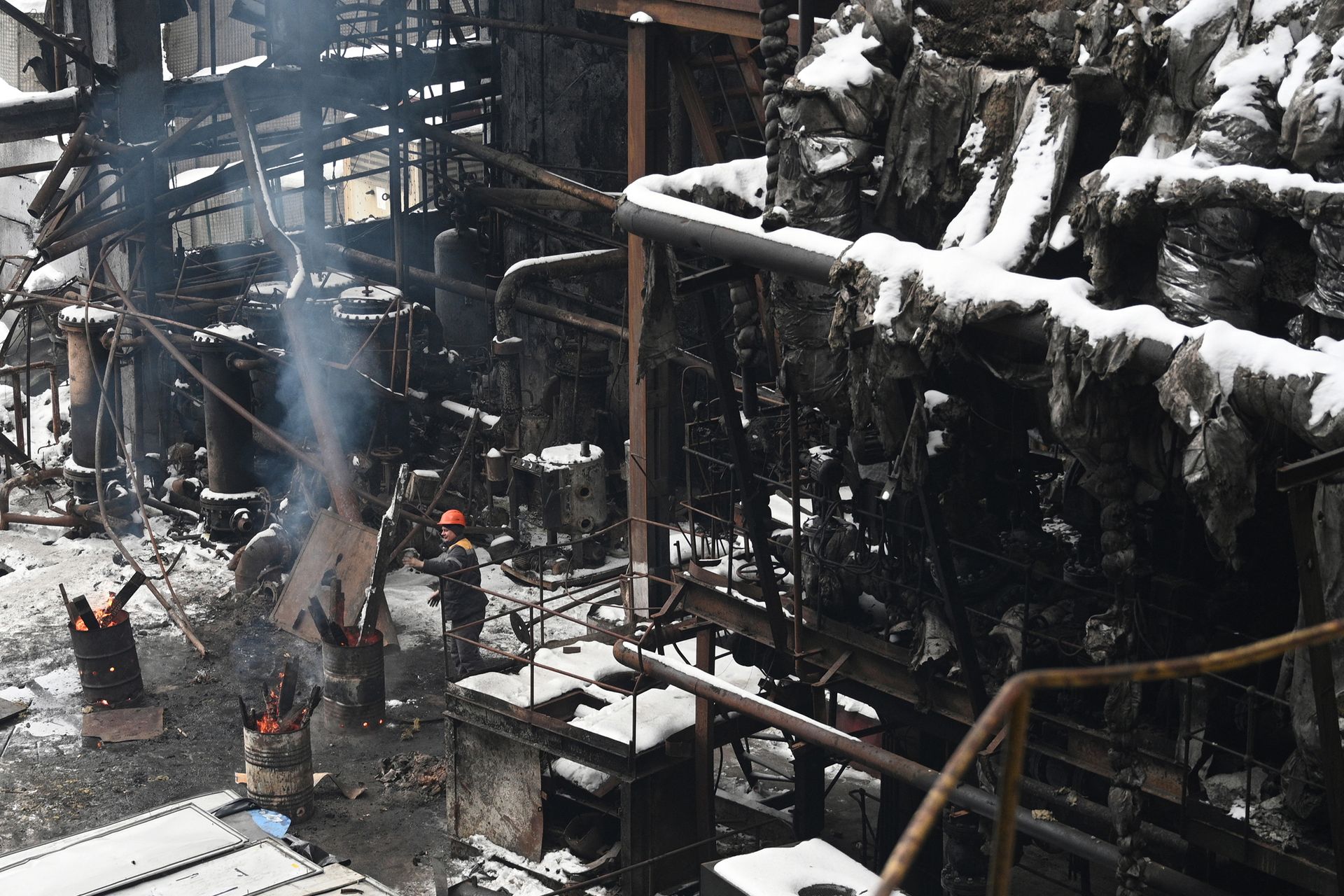
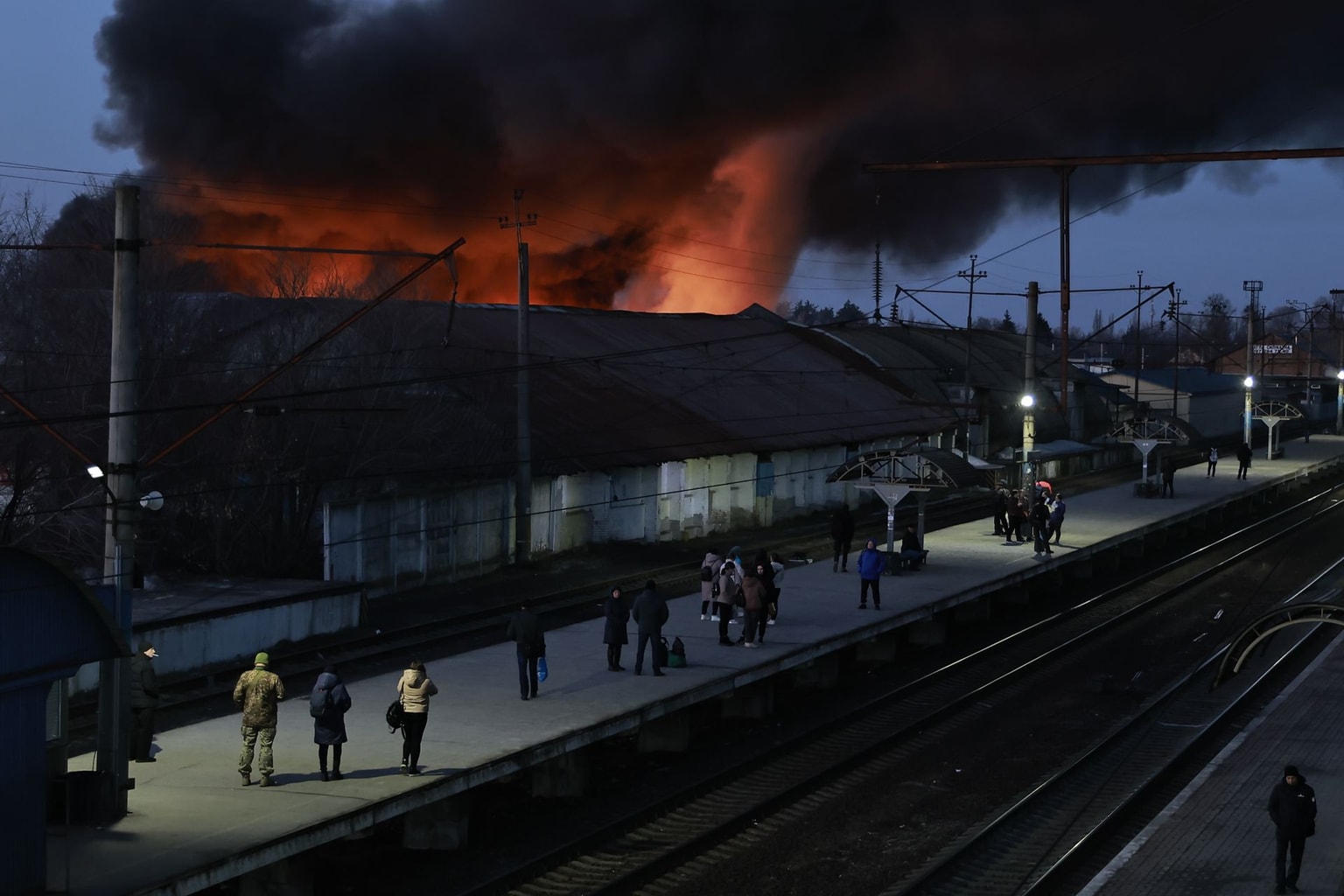
Russia has plunged Ukraine into a catastrophic energy crisis, damaging around 8.5 gigawatts of generation capacity since October 2025 through relentless attacks on power plants, leaving citizens freezing in unheated and dark homes.
To survive, Ukraine says it needs $1 billion worth of energy support. Allies have replied by sending equipment en masse.
But local authorities have struggled to connect the numerous power and heating equipment to the grid, like gas turbines and mobile cogeneration plants already procured over the last two years, multiple people with knowledge of the equipment deliveries told the Kyiv Independent.
"The international donors focus on the sexy thing — the cogeneration unit itself,” Jakub Kucera, the asset manager of RSJ Investments, a Czech firm that operates boiler houses in Ukraine.
"But what they miss is who will actually install the cogeneration units and who is going to run them in an efficient way."
Complicated project plans, strict safety regulations to protect the grid, money issues, and a lack of specialists in the energy sector have dragged out the installation process. Meanwhile, politicians are busy playing a blame game with no one taking responsibility for the unfolding crisis.
"The main concern is that the equipment will be supplied, but it will take too much time to connect it or install it."
While no one is in doubt that the fault lies with Russia, many Ukrainians are furious at the lack of winter preparation. Even before this winter, experts informed the government of the issues. But the warnings largely fell on deaf ears.
It’s not known how much equipment is sitting dormant or inactive, or even where some of it is located. Without that data, it’s hard to say how many more homes would have heating and power. But energy experts all agree that the situation now is certainly worse than it could have been.


As more donations pour in, Ukraine’s government needs to unblock the bottlenecks to avoid making the same mistakes, Olena Pavlenko, co-founder of the Ukrainian DiXi Group think tank, told the Kyiv Independent.
"The main concern is that the equipment will be supplied, but it will take too much time to connect it or install it," Pavlenko said.
Ukraine needs to balance speed with safety, ensuring that equipment is installed fast while meeting the rigorous safety regulations so that it doesn’t damage the grid, she added.
Well-equipped but unprepared
After Russia launched its first campaign on Ukraine’s energy facilities in October 2022, catching the country off guard, Ukraine’s allies banded together to send vital equipment to Ukraine.
European partners financed the Energy Support Fund under the Energy Secretariat, which has provided over 550 million euros ($650 million) worth of critical equipment and protection to Ukraine. Similarly, the U.S. provided energy equipment under the now-defunct USAID program.
Ukraine survived the 2022–2023 winter under relentless Russian suicide drone strikes on energy facilities and was applauded worldwide for its quick response in the energy sector.
For the next two years, energy equipment kept arriving as Russia launched new campaigns on energy sites, and Moscow failed to manufacture the same crisis as in 2022. But there were early signs of problems brewing.
In one case, it took 16 months for state-run nuclear firm Energoatom to launch a mobile power plant donated by USAID in early 2023. While USAID donated the plant, it did not help connect it to the grid — that was down to the Ukrainians — and they soon realized some equipment was missing, causing the delays.
On the local level, state-municipal companies ran into other problems, including a lack of revenue to cover installation and operational costs of donated generation units, Oleksii Orzhel, head of the Energy Secretariat’s Kyiv Office, told the Kyiv Independent.
The labor shortage caused by Ukraine’s mobilization efforts to defend itself against Russia also means fewer specialists, meaning it takes longer to install the complex units across the country, and it's impossible to meet the needs, said Orzhel.

In the small town of Obukhiv, Kyiv Oblast, two mobile cogeneration plants donated by USAID in December 2024 lie inactive. The local government took nine months to amend a project proposal to connect the units to the grid before presenting it to DTEK Kyiv Regional Grids, a private power distributor. The plan was filled with errors, according to DTEK.
"The submitted projects had significant shortcomings and did not meet the technical specifications, making it impossible for the installations to operate," DTEK Kyiv Regional Grid told the Kyiv Independent.
While the Obukhiv city administration didn’t provide an explanation to the Kyiv Independent by the time of publication, Pavlenko reckons the failure could stem from local communities losing specialists to mobilization. The documents and equipment are complicated and need technical know-how, she said.
Some foreign equipment also requires training for Ukrainian technicians to install and operate it. But with foreign specialists largely prohibited from entering the country during wartime, they can only advise Ukrainians remotely or abroad, Orzhel added.
"They are doing their best. But the problem is you still need people, you still need hands," he said.


Crisis point
The government knew about the difficulties with installing and operating equipment. There were high-level discussions about them over the last two years, said Orzhel. But little action was taken to address them.
"The problem is that the 2024–2025 winter was much easier. People were more relaxed in Ukraine," Orzhel said.
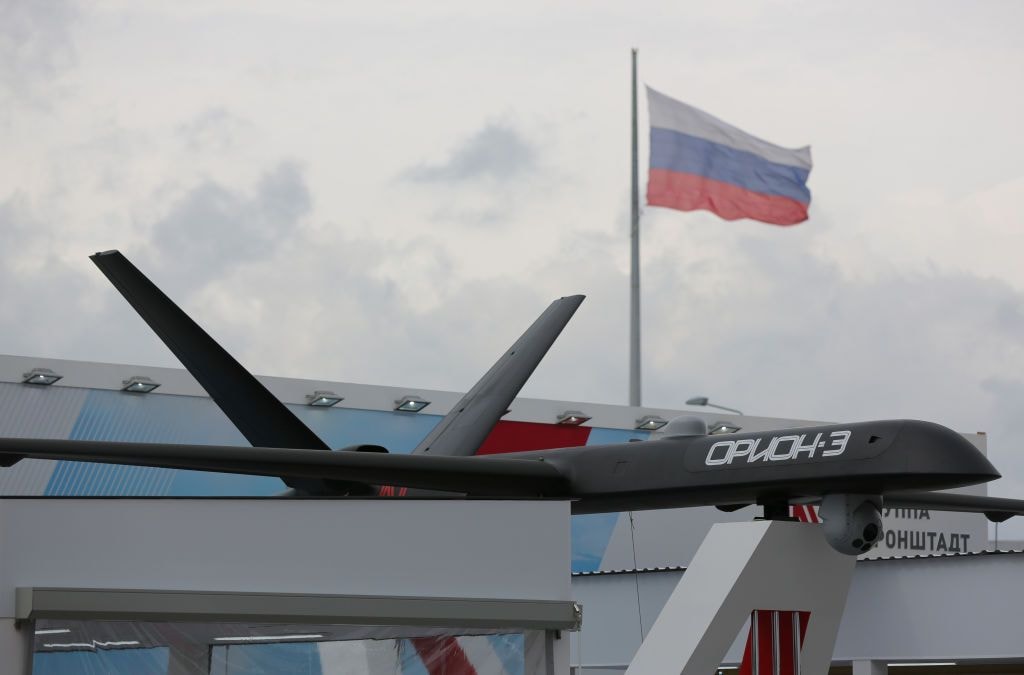
As Ukrainians enjoyed heat and light last winter, in Russia’s Tatarstan region, the Yelabuga factory worked around the clock to mass-produce drones at an enormous rate.


Once Russia restarted its mass bombing campaign in autumn 2025, Ukrainian energy firms described unprecedented attacks with over 40 drones at one time — far more than previous campaigns. Few power plants have been spared.
Soon, power outages were introduced to stabilize the embattled grid. It then became apparent that much of the donated equipment in the hands of municipalities was not operational.
Kucera from RSJ Investments believes that the private sector would have been better placed to handle and install the generation equipment. Unlike state-energy firms, RSJ Investments was able to grant secure military exemptions for all its staff thanks to its status as a critical infrastructure company.
On top of a depleted workforce, many local governments also lack the knowledge and management skills to run high-end equipment efficiently, unlike private companies, he said.
"The equipment is there; we could use it more efficiently, but it's hard to get our hands on it. We would rent it, for example, so we would send some money to the municipal budget," he told the Kyiv Independent.
With temperatures plummeting to their lowest in years, emergency protocols have been rolled out to keep people alive, including so-called "invincibility points" in cities where people can charge their devices, warm up, and even get food. President Volodymyr Zelensky blamed Kyiv's mayor Vitaliy Klitschko last month for being unprepared. Klitschko has, in turn, fired back at Zelensky’s administration.
As politicians point fingers over who is responsible, the government should instead do an audit of the equipment, said Pavlenko.
There needs to be an authoritative body and digital database that collects feedback and identifies the problems, so that solutions can be found, like providing specialists to communities that don’t have them, she added. Foreign specialists should also be encouraged to help.
"At this stage, we shouldn't think in terms of only punishing everybody who did not quickly install the equipment. Sometimes it can be regulatory or technical things that people are not able to solve, and we should find a way to help them," she said.