As Ukrainian regions start preparing for next winter, Kyiv lags behind
 on Google
Regional leaders and mayors met with President Volodymyr Zelensky in Kyiv on March 3 to approve plans for the next winter. The National Security and Defense Council soon approved all plans, except the one meant for Kyiv.
Each regional plan includes protections for energy infrastructure, additional cogeneration, and decentralized heating and water supply. Local officials were required to submit their plans by March 1.
Kyiv's plan was not good enough, the government said
"We still need to work for the people, for the state. If a plan is not presented, the capital will face the same winter," President Volodymyr Zelensky said on March 3.
"If the war doesn't end, people must be confident that they will have electricity despite all the challenges. We all need to work, not talk about how it's impossible. We have no other option."
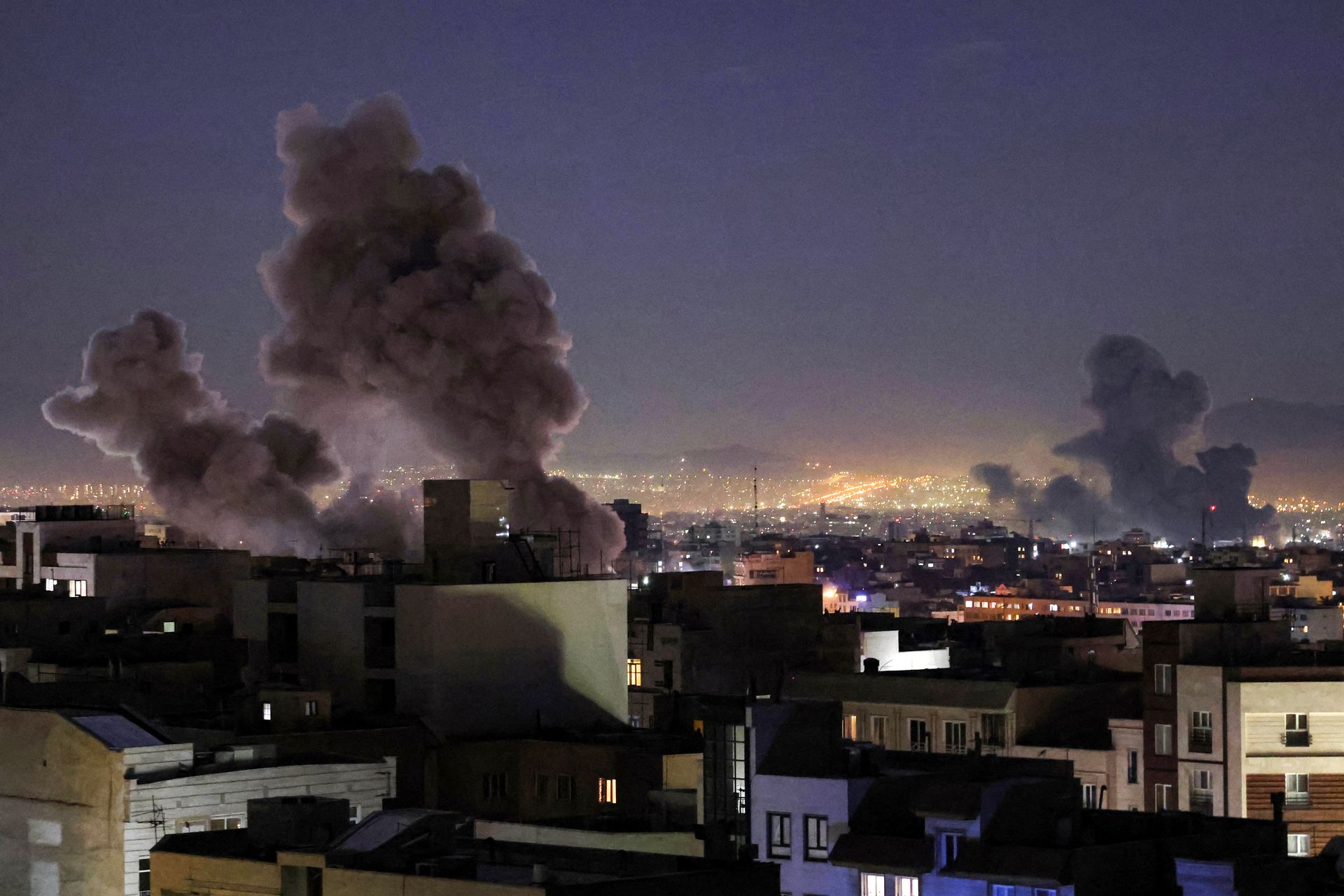
Kyiv, home to around 4 million people, has endured multiple Russian attacks on its energy infrastructure since the start of the full-scale war in 2022. This winter, Russian missile and drone strikes led to power outages across the capital, while Moscow's attacks on the city's central heating system left entire neighborhoods without heating during one of the coldest winters in over a decade.
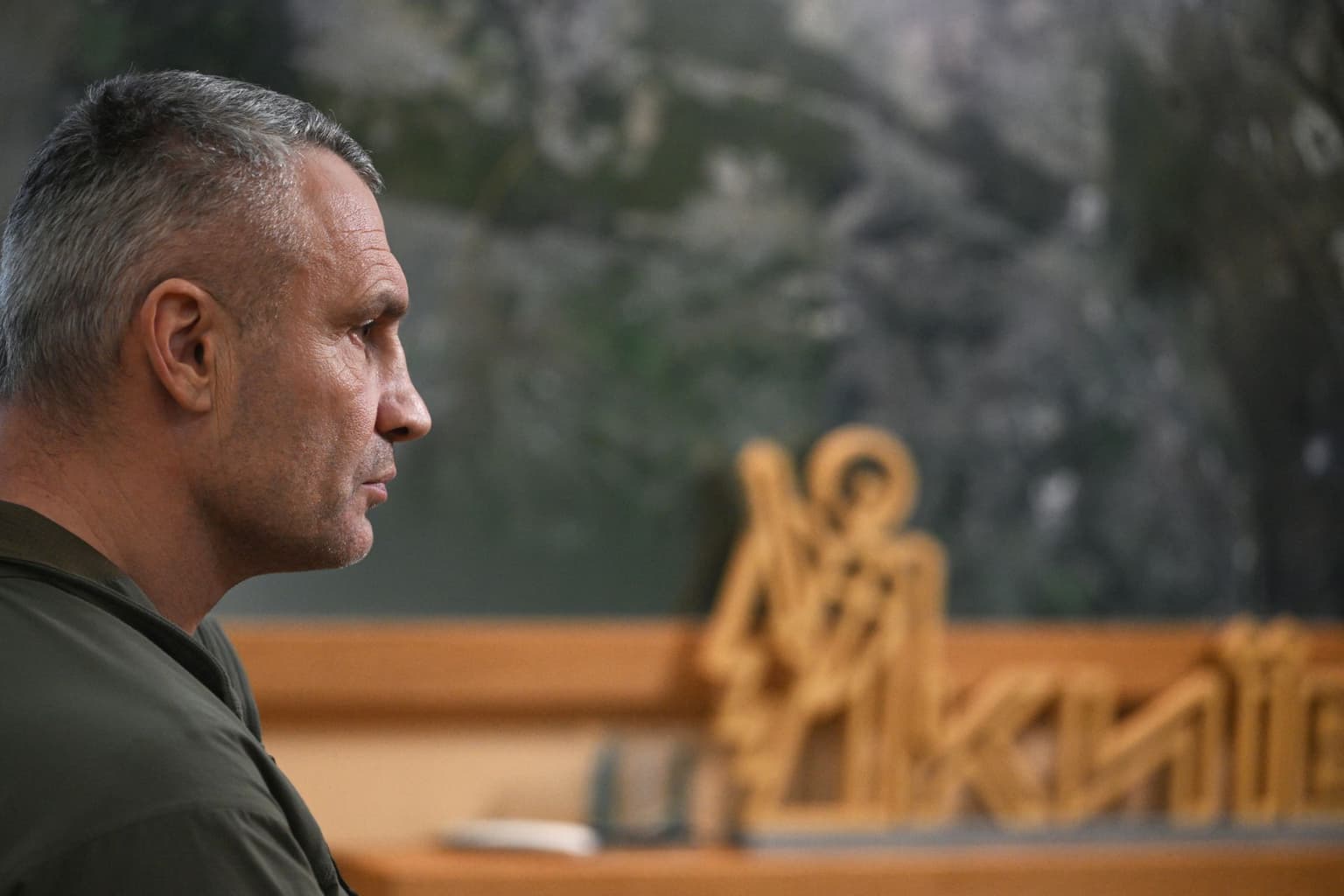
As Kyiv found itself in a dire situation, critics saw Mayor Vitali Klitschko as part of the problem.
Zelensky reiterated that Kyiv failed to properly prepare for winter. He said that local authorities are responsible for winter preparations, adding that if plans are not implemented, "decisions will be taken in accordance with the law."
Klitschko views the approach to Kyiv as being politically driven.
He said that he presented the plan at the National Security and Defense Council meeting but it requires the central government's involvement, including financial and legal support.
"Unfortunately, today we were made to understand that Kyiv will not be receiving help for now," Klitschko said. "This is because the government didn't include Kyiv in the national aid budget for cities to implement their resilience plans."
Kyiv has one more week to prepare and submit the plan. Prime Minister Yuliia Svyrydenko told journalists on March 3 that central authorities are ready to assist.
According to Svyrydenko, the plans for all regions are valued at Hr 215 billion ($4.9 billion). This doesn't cover Kyiv, as the city authorities haven't yet provided their plan or recovery needs, Energy Minister Denys Shmyhal said.
Before his meeting with regional leaders and mayors on March 3, Zelensky met with Oleksandr Kubrakov, the former Infrastructure Minister.
While his dismissal was formally justified by the restructuring of Kubrakov's ministry, Ukrainska Pravda previously reported that the former minister fell out of favor with the President's Office.
Since then, Kubrakov had stayed out of the public eye, and was appointed as advisor to then-Defense Minister Rustem Umerov in 2025.
In an unexpected move, Kubrakov was one of the former top officials Zelensky met with this January, after the dismissal of Andriy Yermak as head of the President's Office. Soon after, Zelensky appointed Kubrakov as his advisor on infrastructure.
Amid growing criticism of Kyiv's authorities, the president said he wanted Kubrakov to help resolve the capital's energy challenges.
"But all the authority lies with the mayor," Zelensky said. "So, if (Klitschko) wants the government's help, we will assist as much as we can."