'We pay taxes in Russia that helps war' — Oreo-maker's confession demands action on Russia remainers
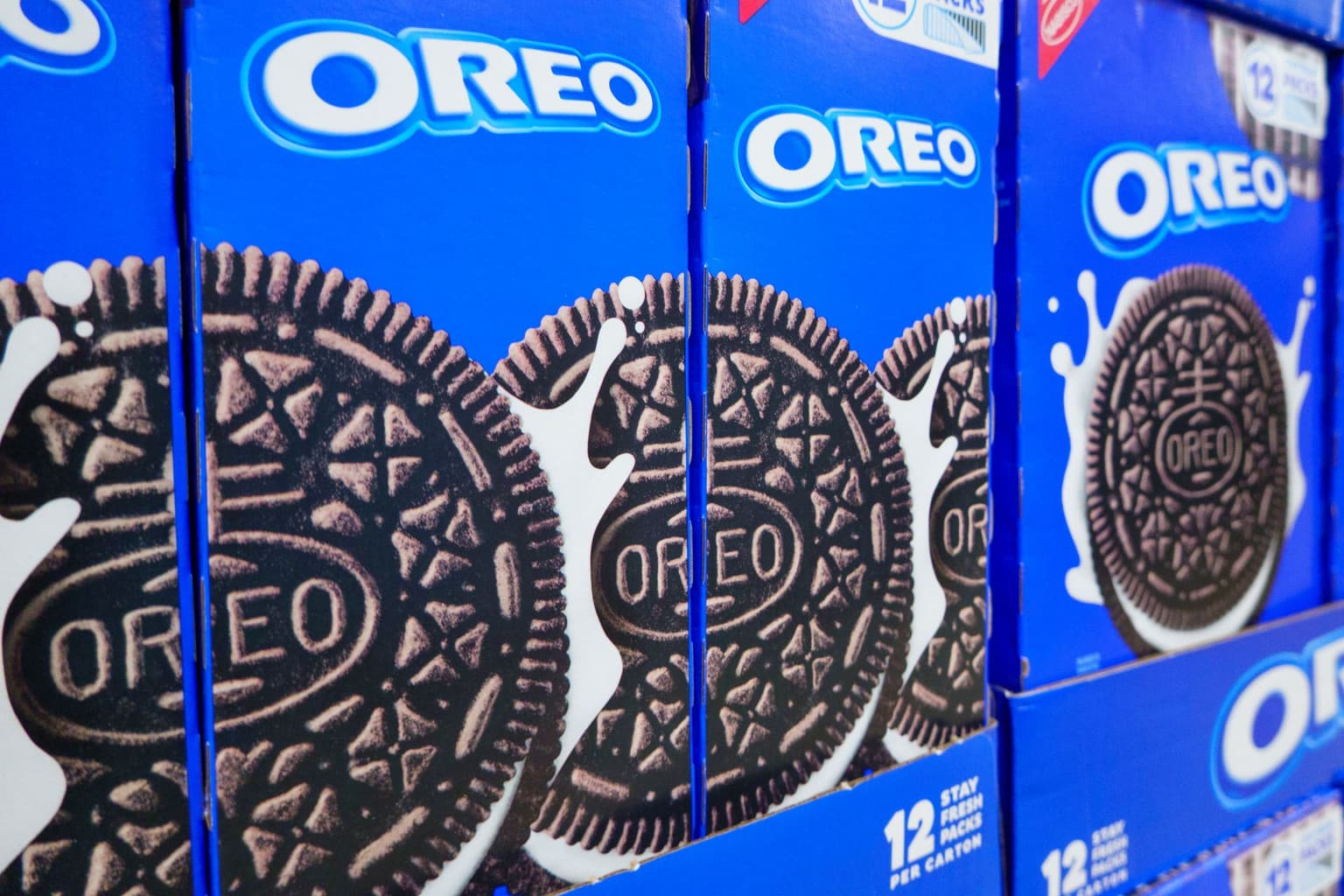
Boxes of Oreo chocolate sandwich cookies are stacked at a Costco Wholesale store in San Diego, California, U.S. on May 15, 2026. (Kevin Carter / Getty Images)
 on Google
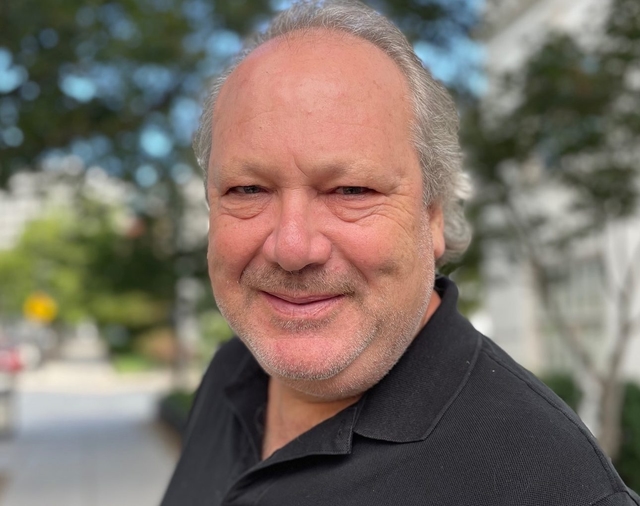
Bennett Freeman
Co-founder and Steering Committee member of B4Ukraine
The CEO of the U.S. snacking giant Mondelez has openly acknowledged that the taxes the company pays in Russia help Russia’s war against Ukraine, but that it was the "right decision" to remain in the aggressor country.
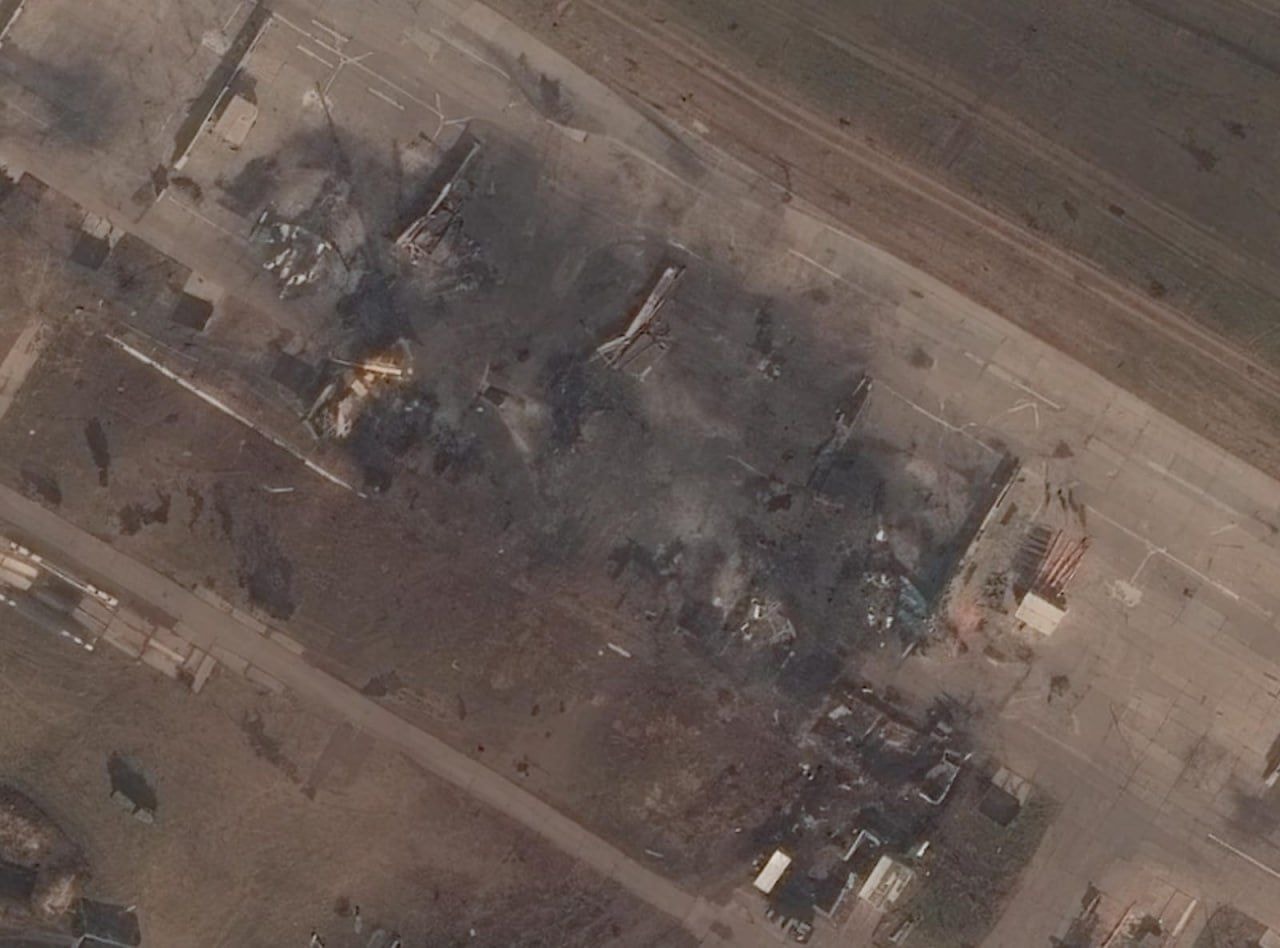
Just three days after that shameless interview, Russian drones struck a Mondelez factory in Ukraine, injuring two people.
However much the management of Russia remainers may wish to look away, corporate entanglement in Russia's war economy has real and violent consequences. These consequences also demand decisive action from policymakers to expand sanctions to all sectors that directly support Russia's fully militarized budget, including fast-moving consumer goods.
Since 2022, global civil society, responsible investors, and the Government of Ukraine have been calling on Mondelez and other foreign companies to leave Russia — and on Western governments to encourage responsible exits.
Now, the head of the company behind Cadbury, Oreo, Toblerone, and Ritz brands has publicly acknowledged what we have been saying for four and a half years: taxes paid by Western companies in Russia help finance this horrific war and facilitate war crimes.
Mondelez's CEO, Dirk Van de Put, told the BBC: "I think we did the right thing for our people in Russia. Can we be criticized for that? Yeah, of course. We pay taxes in Russia that helps the war. I'm not pleased about that."

Expressing displeasure when the lives of the people in Ukraine are on the line and without changing the company's course is not good enough. Mondelez has faced extensive criticism in the past for its continued business in Russia, but has chosen to continue its operations there. What could make a difference is a decisive action by G7 governments that would hold companies like theirs to account.
Apparently, for Mondelez, concern for its Russian employees outweighs concern for Ukrainian lives.
In reality, however, the company appears driven not by a wish to protect its staff, but by a desire to protect its profits, while completely disregarding not only its international human rights responsibilities but also sound risk management practices.
The argument that remaining in Russia is necessary to protect employees does not withstand scrutiny.
Russia is experiencing a severe labor shortage, with unemployment at record lows and alternative employment opportunities readily available. Moreover, multinationals operating in Russia are obliged to support the Kremlin's war mobilization by helping conscript soldiers and equipping the army.
How does that align with Mondelez's stated concern for its employees?
To be clear, exiting a market during a war of aggression is not always simple. Companies may face difficult questions involving employees, suppliers, assets, and legal obligations. But complexity cannot be used as a blanket justification for indefinitely continuing business as usual in an aggressor state.
Recently, B4Ukraine published a detailed framework for CEOs and corporate ESG teams on how to assess these trade-offs responsibly and align their decisions with international standards on business and human rights.
The report outlines practical steps companies can take to mitigate harm to workers and other stakeholders while reducing their contribution to Russia's war economy.
From experience, we know that the challenge is the lack of willingness by some companies to follow it.
Van de Put said he believed if Mondelez pulled out of Russia, "They would have confiscated our plant. It would have probably given them a much bigger source of income, keep on selling our products to fund the war."
“We're not trying to take any side.”


We heard this argument before from the Danish insulation manufacturer Rockwool.
Like Mondelez, Rockwool resisted calls to leave Russia and argued that its continued presence was necessary to protect its employees and operations. Yet in January 2026, the Kremlin seized the company's Russian plants anyway.
The case demonstrates that remaining in Russia offers no guarantee of protection for employees or assets, while continuing to expose companies to significant legal, financial, and reputational risks.
Without access to specialized management teams, expertise, and support from their parent companies, Russian plants are likely to face significant operational challenges and would be far less successful than facilities owned by Western firms.
The loss of innovative technologies, advanced management practices, technical know-how, and intellectual property would likely undermine their productivity, competitiveness, and capacity for innovation in the long term.
Mr. Van de Put also said that the company tries to be neutral in the conflict: "We're not trying to take any side."
This stance completely ignores the UN guidance that "business activities in a conflict-affected area will never be ‘neutral’ and without impact. Even if a business does not take a side in the conflict and strives for impartiality, its activities will necessarily influence conflict dynamics."
When Western CEOs make irresponsible statements like those of the Mondelez chief executive, they do so because they operate in an environment of impunity and face far too few consequences from Western governments, despite those governments having a responsibility to hold domestic companies accountable for enabling Russia's aggression and profiting from the war.
Russians will undoubtedly survive without Oreo or Cadbury, but the Russian war economy would suffer a serious blow, weakening the Kremlin's capacity to sustain its war effort.
Corporate players still in Russia can help bring an end to the war by withdrawing, and if they are doing so willingly, then they should be sanctioned.
Editor's note: The opinions expressed in the op-ed section are those of the authors and do not purport to reflect the views of the Kyiv Independent.