US defense bill proposes $400 million a year in military aid for Ukraine through 2027
 on Google
Editor's note: The story has been updated with additional details.
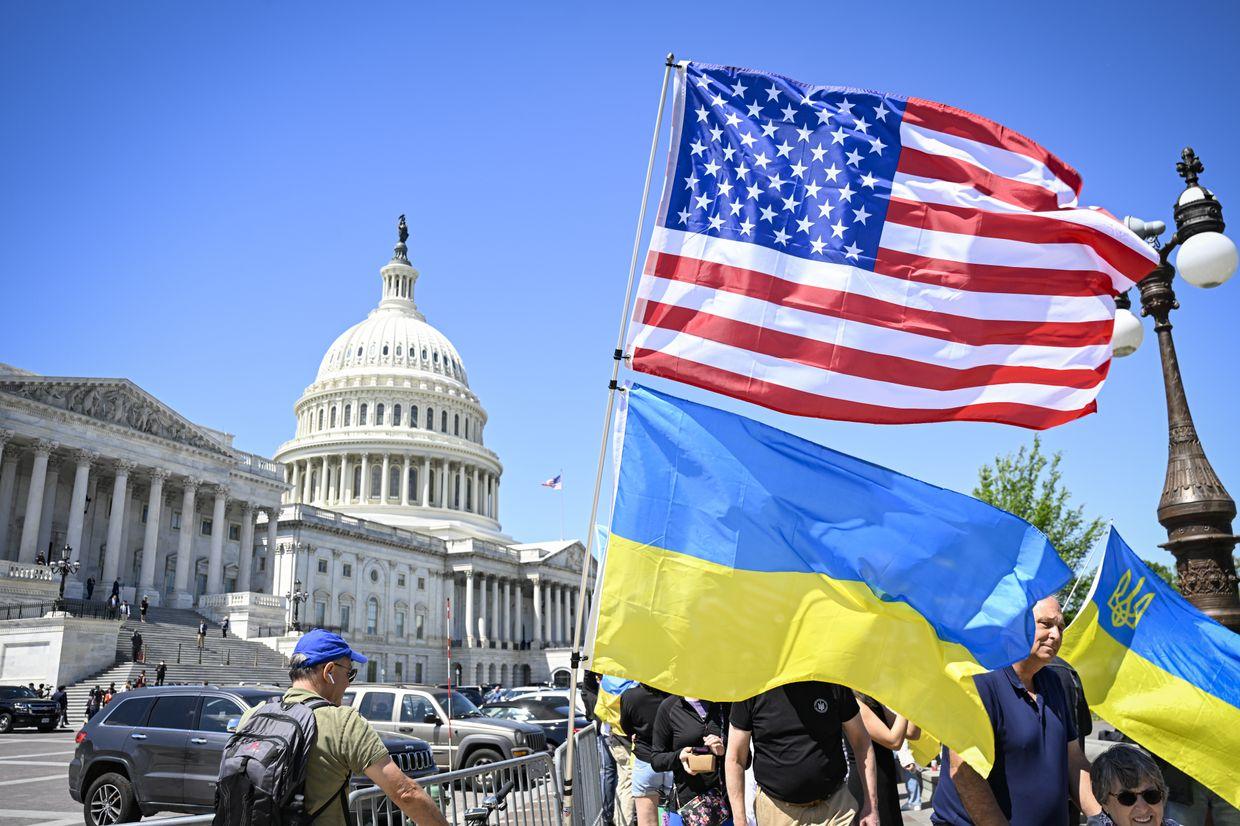
U.S. lawmakers unveiled a $900 billion defense bill on Dec. 7, which allocates $400 million per year to the Ukraine Security Assistance Initiative (USAI) for fiscal years 2026 and 2027.
The latest version of the legislation, which could be put to a vote in the U.S. House of Representatives as early as this week, represents a compromise between two drafts passed by the House and the Senate earlier this year.
The bill would reauthorize the use of USAI, a Pentagon-led program that supplies arms to Ukraine through contracts with U.S. defense companies.
Congress is also calling for more frequent reporting of aid provided to Kyiv by its European allies, reflecting Washington's push for Europe to take on a greater share of responsibility for supporting Ukraine.
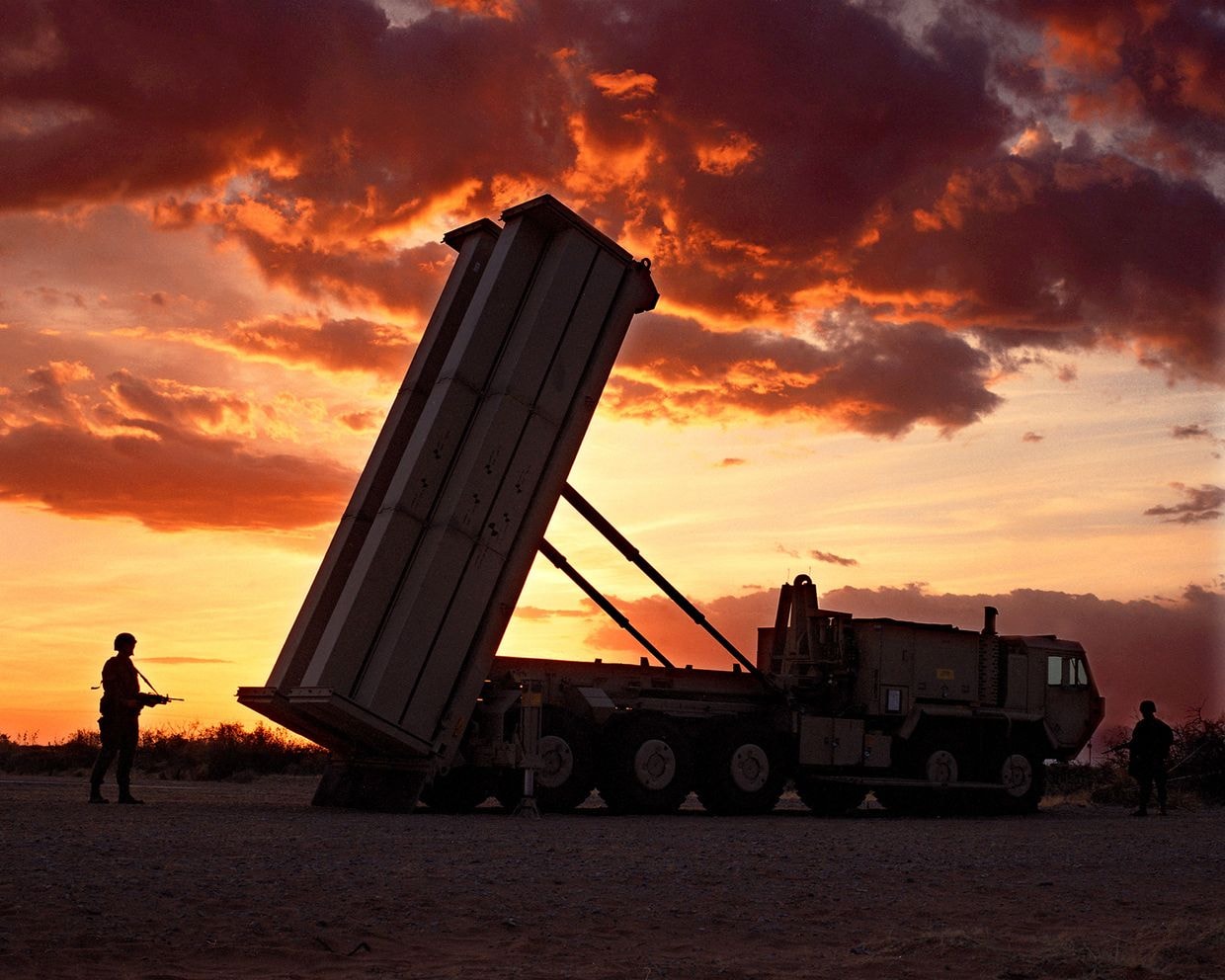
The proposed bill, representing an increase of $8 billion from the White House's request, also increases salaries for service members, allocates more funds to the Golden Dome air defense shield, strengthens military posture in the Indo-Pacific region, and authorizes deployment of active-duty troops at the U.S.-Mexican border.
Olha Stefanishyna, Ukraine's ambassador in Washington, noted that the legislation contains a provision condemning Russia's abduction of about 20,000 Ukrainian children and calls for their release.
The bill would also require the Pentagon to notify Congress within 48 hours of any decision to restrict intelligence sharing with Ukraine, the ambassador told European Pravda.
According to Stefanishyna, the USAI program is being extended until 2029.
In a break from the Biden administration, U.S. President Donald Trump has significantly reduced assistance to Ukraine as he aims to broker a swift peace deal between Kyiv and Moscow.
Trump has not allocated any new defense aid packages under the Presidential Drawdown Authority (PDA) — a tool frequently used by his predecessor, Joe Biden. Instead, the new administration is selling arms to Ukraine via NATO partners, using the Prioritized Ukraine Requirements List (PURL).
A total of 21 countries have joined the PURL initiative, contributing more than $4 billion since its launch in August, Ukraine's Foreign Minister Andrii Sybiha said last week.
The sum allocated to Ukraine by Congress represents only a small fraction of the overall military aid the U.S. has provided since the outbreak of the full-scale invasion, which amounted to $67 billion by the start of Trump's term.
The news comes as Washington renews pressure on Kyiv to accept a peace deal with Moscow — even at the cost of painful concessions — while its new U.S. National Security Strategy takes a tougher line on European allies and notably avoids criticizing Russia.