Ukraine’s lights still burn, even if not all the time
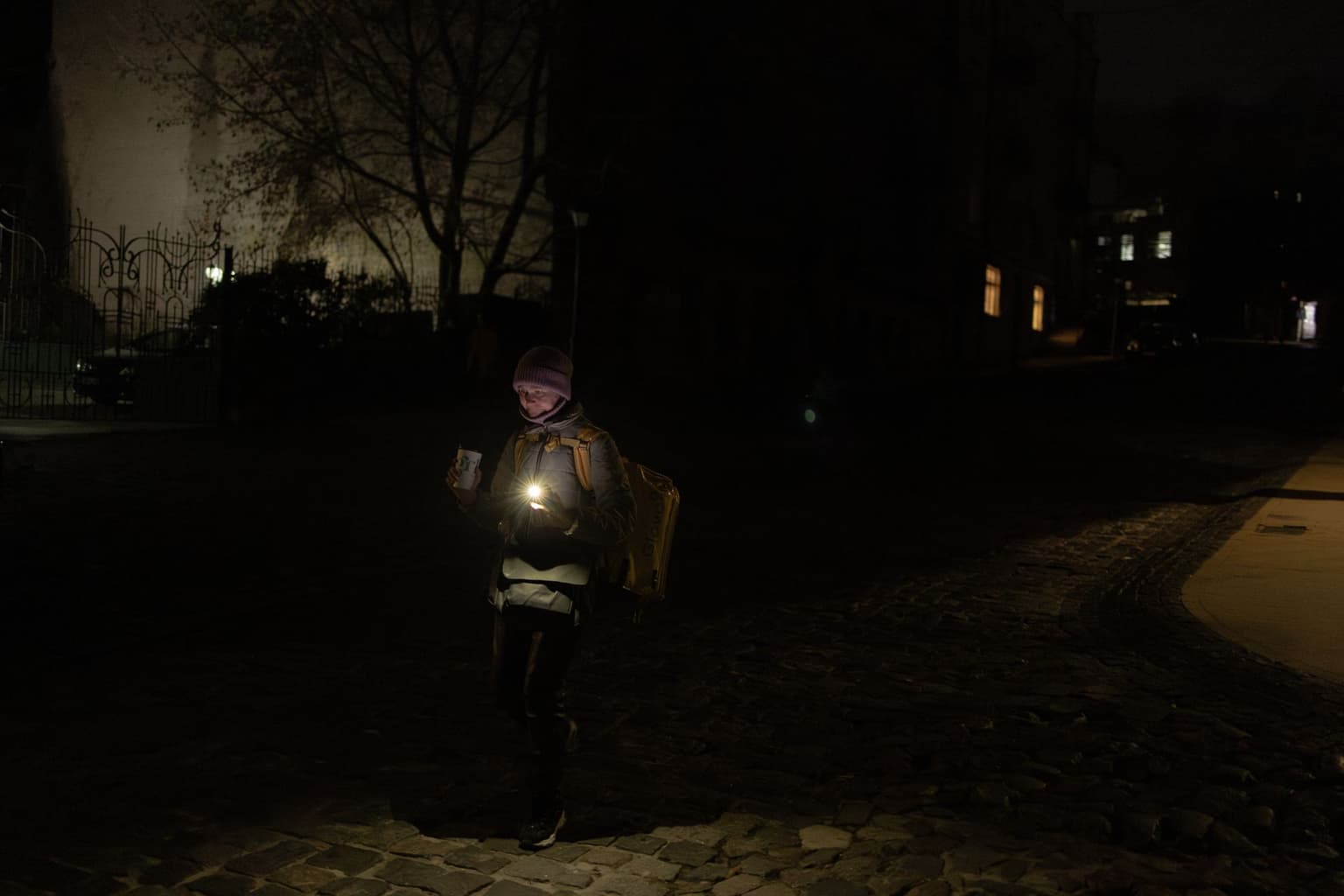
A woman uses the flashlight on her phone as she walks down a non-illuminated street during a partial electricity blackout in the Podil neighborhood of Kyiv, Ukraine, on Nov. 25, 2025, following Russian missile and drone attacks on Ukrainian energy infrastructure. (Roman Pilipey / AFP via Getty Images)
 on Google
Chris Hennemeyer
Humanitarian worker
About the author: Chris Hennemeyer is a longtime humanitarian worker who spent nearly 40 years in crisis zones across Africa, Asia, the Middle East, the Balkans, Haiti, and briefly Ukraine. Since retiring in 2022, he has spent half of each year volunteering in Ukraine.
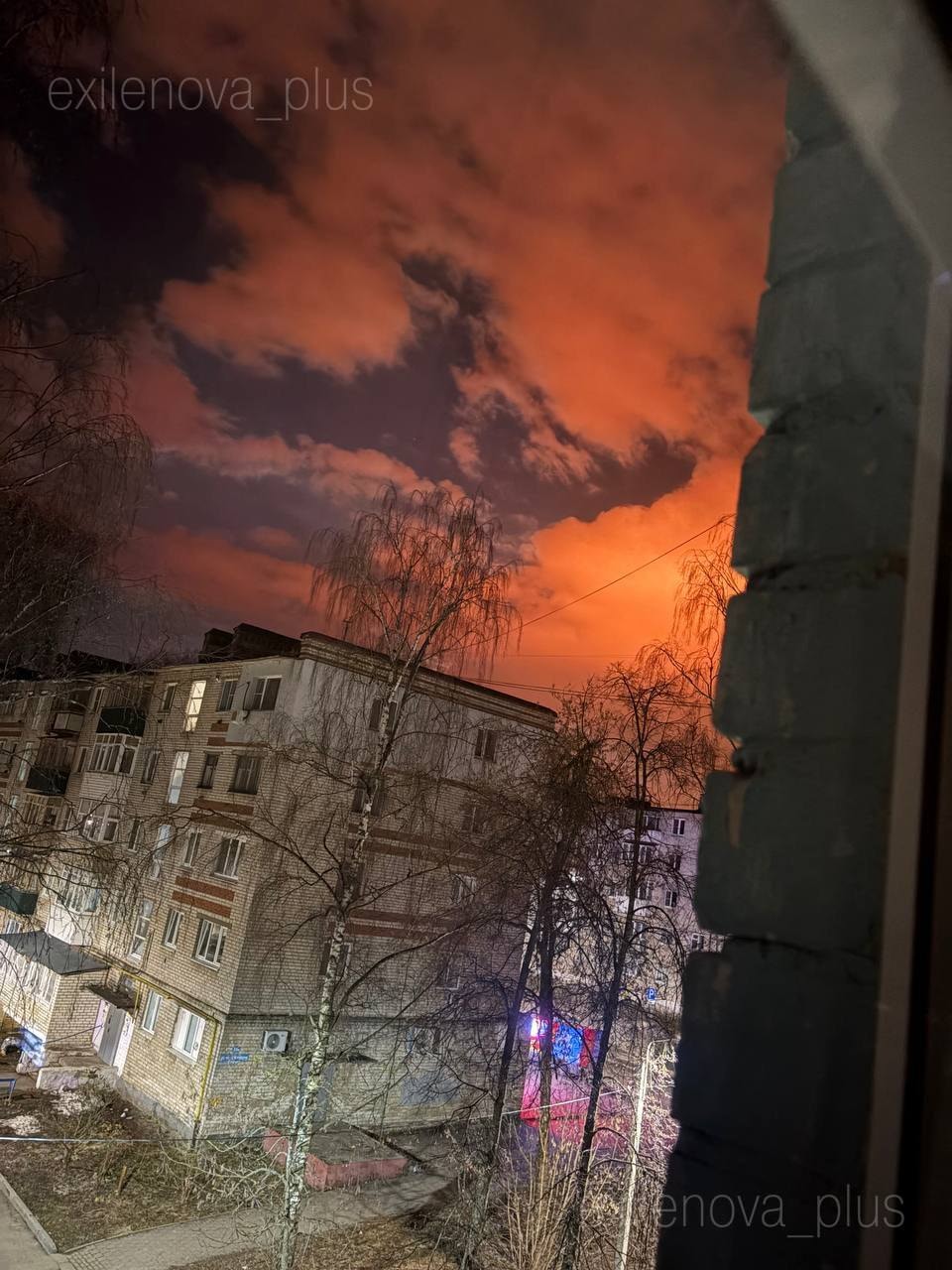
I wake in the early morning here in Odesa, dark and still, the kind of quiet that means the power is out and the noisy belching generators haven’t yet started up.
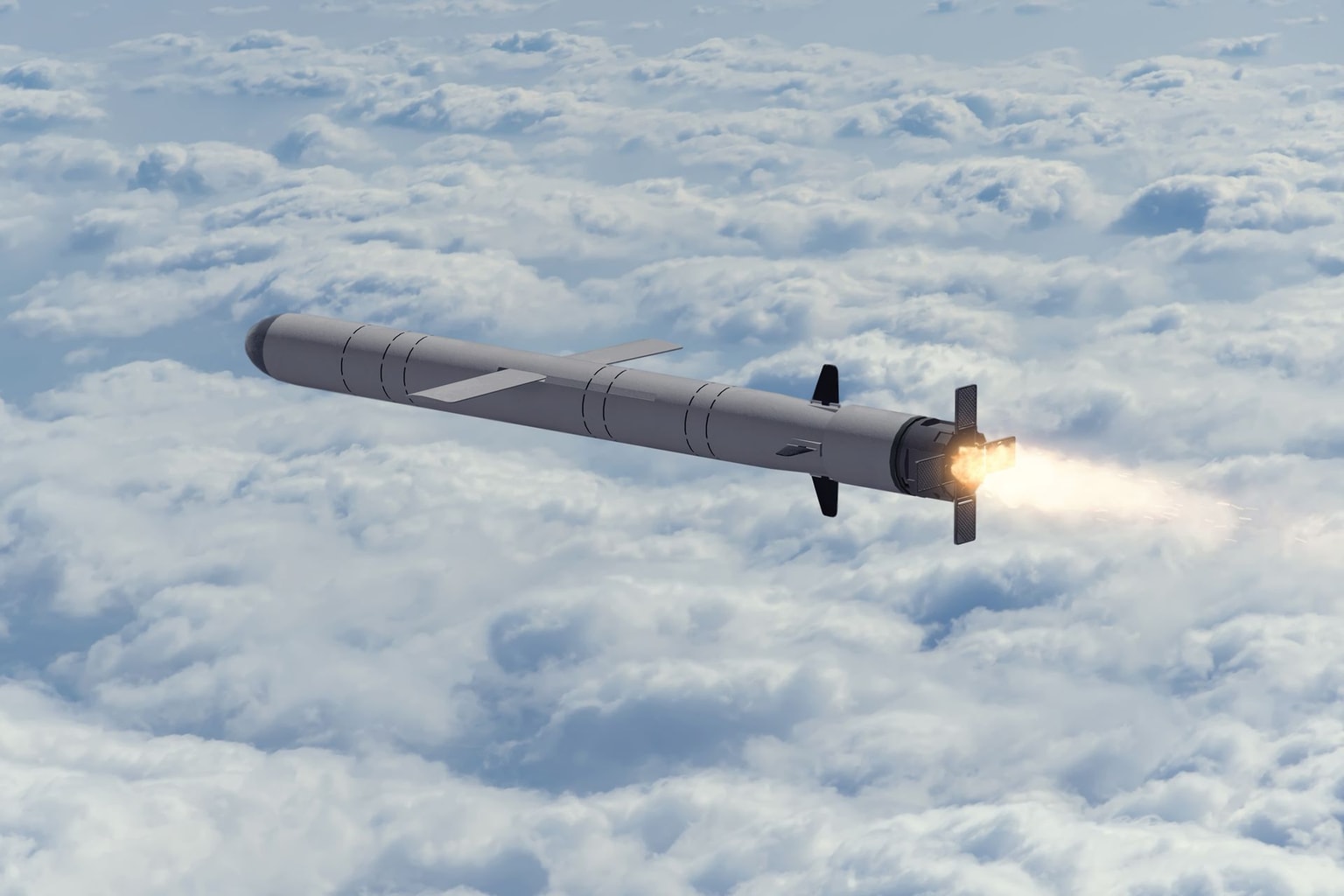
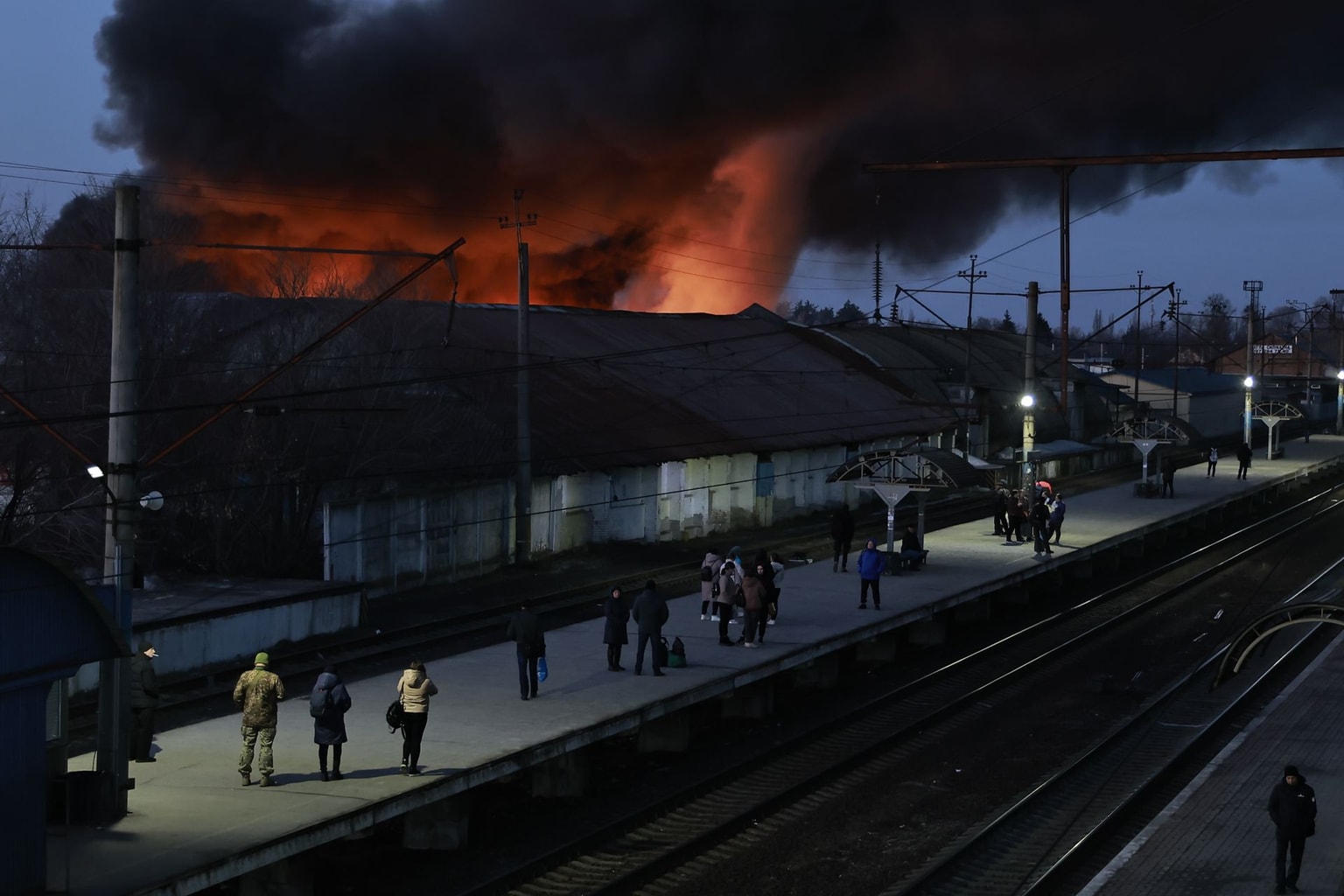
A look at my phone reveals that the Russians fired 705 air-borne projectiles overnight at cities throughout the country. The majority were shot down, but still 16 missiles and 63 drones landed.
Three people died, one child, and I’d snored through the air raid alarms.
After three winters in Ukraine, I (and every Ukrainian) have become adept at dealing with the constant power cuts resulting from Russia’s relentless missile, bomb, and drone attacks.
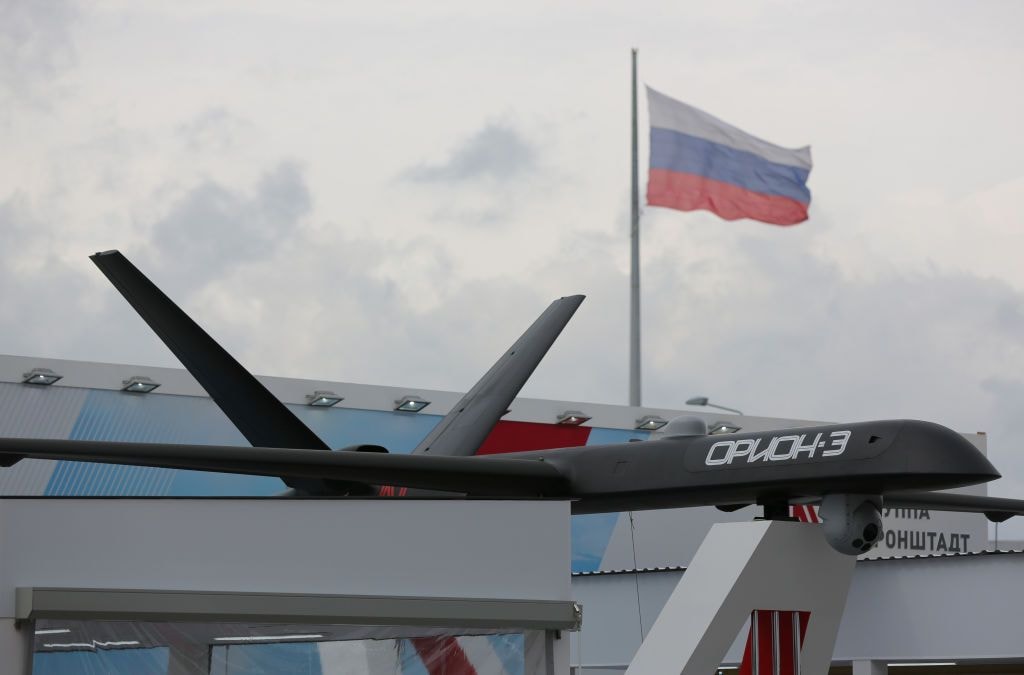
And by the way, the drones that hit the major cities and towns bear no resemblance to the tiny things that Americans buy at Walmart and that Ukrainian forces use at the front. They can be eleven feet long and carry a 200-pound payload towards their civilian targets at speeds over one hundred miles an hour.

Whenever the power is on, my various devices — laptop, phone, Kindle, GPS pager — are connected to their chargers, greedily sucking up trillions of electrons, preparing for the inevitable outages. I also have a couple of power banks in reserve, as well as long-lasting emergency candles and a few portable solar/USB-powered lamps.
Preparing for bed entails the same routine every night.
First, I close the wooden shutters and curtains to muffle the sound of air raid alarms blaring from a post-mounted speaker down the street. Who knows, they might even slow down splinters and glass from a nearby explosion.
Then high-quality earplugs go in, again in order to filter out the alarms. White noise from my iPhone helps too.
The little rituals are generally effective in helping me get enough rest, although sometimes I still hear the anti-aircraft guns or the sirens. Nonetheless, these routines give me some small sense of control, however illusory. Perhaps we ascribe greater value to a bit of agency over the small things when we have no influence over the existential stuff, like where a cruise missile might fall to earth.
It’s no great insight to say that electrical power is absolutely essential to modern humans, but that understanding takes on truly visceral meaning when your stove, heat, and communications are all dependent upon voltage.
In my decades as a relief worker in Africa, I took thousands of showers with a simple bucket full of cold water, and I’ll do the same here in Ukraine if I have to.
But it’s not something I look forward to with any enthusiasm when the temperature is down to 40 degrees. Thank god I don’t vape, unlike so many Ukrainians, nerves frayed by years of war. I can’t imagine what societal fury might erupt if vape pens couldn’t be recharged and deliver their regular nicotine fixes.
I run a one-man charity devoted to helping support Ukrainian frontline defenders, and it’s no coincidence that the items most requested by the troops these days are generators and large power banks.
The Ukrainian army, like the rest of us, is utterly reliant on electrical power to keep its drones flying, its walkie-talkies working, and its Starlink terminals connected.
The Kremlin, of course, knows this and will continue to hurl high explosives into crowded cities in the hope of bringing the people to their knees. This is unlikely to work.
The indiscriminate bombing of population centers never works.
The fact that folks here are likely to soldier on, however, doesn’t mean we Americans should stop paying attention.
There are innumerable things we can do to bring some light into their somber lives. Donate to local Ukrainian charities, advocate with your congressional representatives, join protests and rallies, or consider visiting Ukraine to lend a hand.
If you do, I’ll find you a bed, but you should bring your own headlamp.
Editor’s note: The opinions expressed in the op-ed section are those of the authors and do not purport to reflect the views of the Kyiv Independent.