Iran war stalls Ukraine-Russia peace talks as Trump shifts focus to Middle East
 on Google
As U.S. President Donald Trump concentrates on the confrontation with Iran, diplomatic efforts to end Russia's war against Ukraine appear uncertain.
The latest round of trilateral talks between Ukraine, Russia, and the U.S. took place on Feb. 16. Another meeting planned for late February and later moved to early March was postponed shortly before Washington launched joint strikes on Iran with Israel.
The next round had been expected to take place in Abu Dhabi and was meant to tackle the most difficult political question: the future of territories occupied by Russia.
The meeting was also supposed to prepare the ground for a potential direct encounter between President Volodymyr Zelensky and Russian President Vladimir Putin.
But the regional environment has changed dramatically.
Following the U.S.-Israeli strikes on Iranian targets, Tehran launched retaliatory attacks, with Abu Dhabi and other cities in the Middle East among those affected.
While some reports suggested that a meeting could take place this week in another venue — Turkey — Zelensky acknowledged that the talks have been postponed.
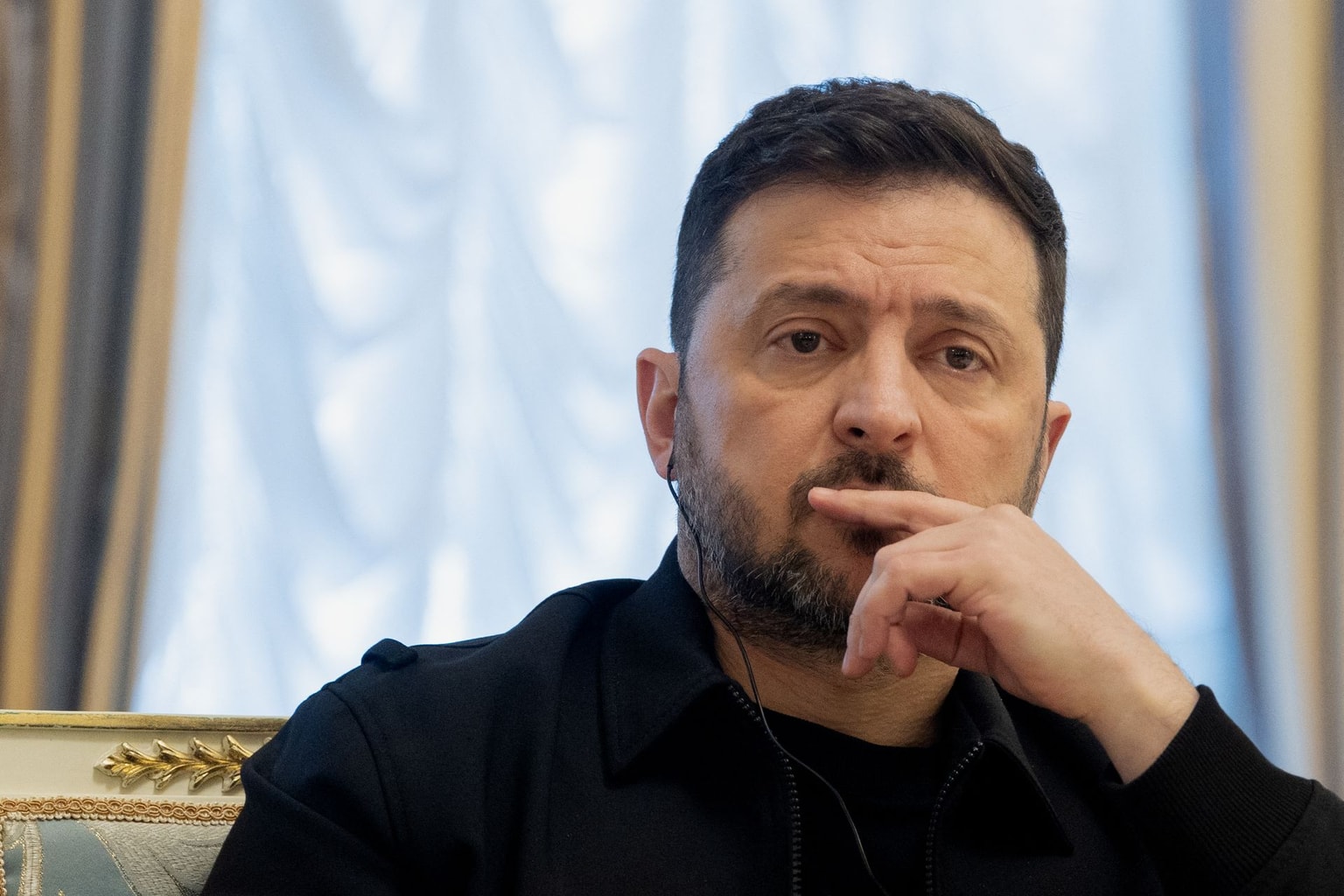
"Currently, the partners' priority and focus are on the situation in Iran," he said.
A Ukrainian official familiar with the negotiations told the Kyiv Independent that the trilateral meeting did not take place primarily because of the U.S. side.
This has left the next stage of Ukraine peace negotiations in doubt and raised new questions about when — or where — the talks could resume.
Moscow's convenient excuse
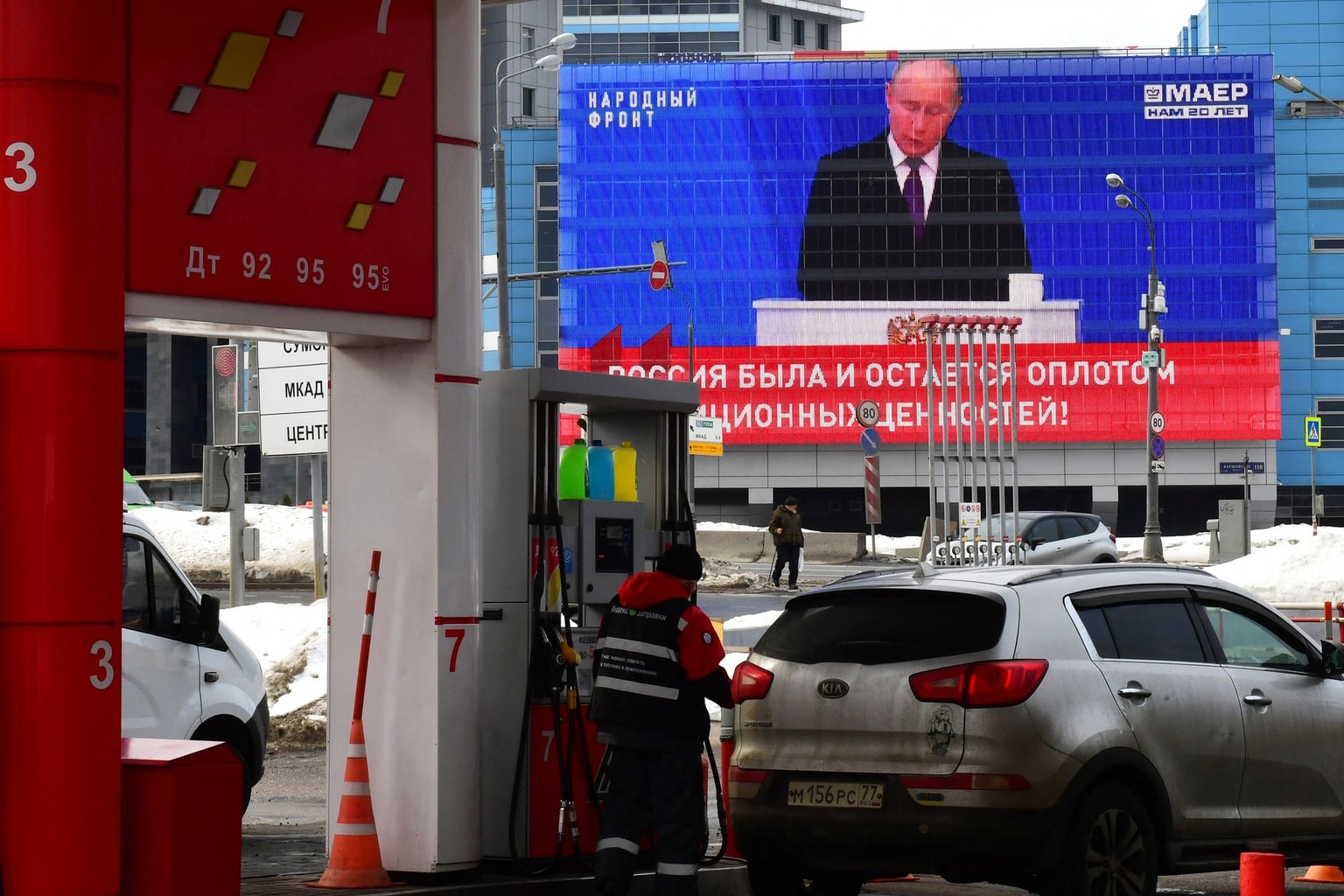
Even before the Middle East crisis escalated, Moscow appeared reluctant to move forward with diplomacy.
Kyrylo Budanov, Zelensky's chief of staff, initially said another round of talks could take place on Feb. 26–27, but the Kremlin never confirmed that timeline.
In the days leading up to the tentative negotiations, Russian officials launched a series of dramatic allegations against Ukraine and its partners.
Russia's Foreign Intelligence Service said on Feb. 24 that France and the U.K. were preparing to provide Ukraine with nuclear weapons to strengthen Kyiv's position.
The allegation contradicted decades of established policy.
Senior Kremlin aide Yuri Ushakov said the alleged plans would influence Moscow's position in negotiations and that Washington would be briefed.
Two senior U.K. officials told the Kyiv Independent the claim was false, while the Ukrainian president dismissed it as "political pressure."
On the same day, Putin claimed Russian intelligence had information about potential sabotage against the TurkStream gas pipeline and Blue Stream gas pipeline, warning that such incidents could derail peace efforts.
The accusations surfaced just days before the tentative Feb. 26–27 talks.
A senior Ukrainian official familiar with the negotiations told the Kyiv Independent the claims were designed to shift attention from Moscow's unwillingness to compromise.
After fighting erupted between the U.S. and Iran, Moscow shifted to a different tone.
Speaking to Russian state media outlet Vesti on March 5, Kremlin spokesperson Dmitry Peskov acknowledged that the negotiations were effectively paused.
"For objective reasons, there is a pause," Peskov said, adding that Washington — which has mediated the talks — is currently "busy with other matters."
"We are completely patient."
Igor Kostyukov, the head of Russia's military intelligence, who participates in the talks, went even further, saying the U.S. needs the negotiations more than Moscow does.
"The negotiations are needed more by them (the United States) than by us," he said when asked how Russia would bring the U.S. back to the negotiating table.
At the same time, Peskov suggested that responsibility for progress lies with Kyiv.
"On the negotiation track, the moment has long come when someone in Kyiv must take responsibility," the Kremlin spokesperson said.
"In theory, that should be Zelensky — and do everything necessary to ensure the negotiations succeed. They know perfectly well what needs to be done."
At the heart of the dispute remains the question of territory.
Ukraine maintains that freezing the front line is the most realistic basis for a ceasefire at this stage. Russia continues to insist that Ukrainian forces withdraw from Ukraine-controlled parts of Donbas as a precondition for any agreement — a demand Kyiv has rejected.

Kyiv acknowledges pause
Ukrainian officials have openly acknowledged that diplomacy has slowed. Speaking on March 4, Zelensky confirmed that trilateral negotiations are currently on hold.
"We continue to engage with the United States practically on a daily basis," the Ukrainian president said. "For now, because of the situation with Iran, the necessary signals for a trilateral meeting haven't come yet."
He noted that Ukraine remains ready to resume talks as soon as conditions allow.
"As soon as the security situation and the broader political context allow us to resume the trilateral diplomatic work, it will be done," Zelensky added.
While Zelensky initially did not indicate how long the pause might last, media reports in the following days suggested that the meeting could still go ahead.

Later on March 9, the Ukrainian president said he had met with the country's negotiating team to review plans for a future meeting.
"The team reported information about the Russian side's plans, as far as we know, primarily thanks to the activities of our intelligence services," he said.
"I instructed the team to once again communicate with the American negotiators in order to, first, reaffirm our readiness for strategic cooperation, and second, to reaffirm our readiness to work substantively to end Russia's war against Ukraine."
Still, he noted that the next meeting remains postponed indefinitely.
"Ukraine is ready to meet at any time in a format that can help and will be realistic in terms of ending the war," the Ukrainian president added.
Trump blames Zelensky
Despite delays caused primarily by the U.S. focus on Iran, Trump suggested on March 5 that Zelensky is slowing the process.
"Zelensky, he has to get on the ball, and he has to get a deal done," Trump told Politico. "You don't have the cards. Now he's got even less cards."
"I think Putin is ready to make a deal."
The statement contrasts sharply with Russia's insistence on its maximalist territorial demands and Moscow's pattern of introducing obstacles to negotiations.
At the same time, U.S. Special Envoy Steve Witkoff suggested negotiations could soon regain momentum.
Ukraine and Russia carried out a prisoner exchange last week, with 1,000 individuals returned following agreements reached during previous talks in Geneva.
Witkoff described the exchange as evidence that diplomacy is producing results.
"Discussions remain ongoing, with additional progress anticipated in the weeks ahead."
While one person familiar with the matter said there are currently no firm plans for when the next meeting could take place, a source in the President's Office told the Kyiv Independent it could happen as soon as next week.
If so, it would mark the fourth round of Ukraine-Russia-U.S. negotiations since January — and the first under the shadow of an expanding war in the Middle East.