Putin tells US envoys 'no point in hoping' for peace without Ukraine's capitulation on territories
 on Google
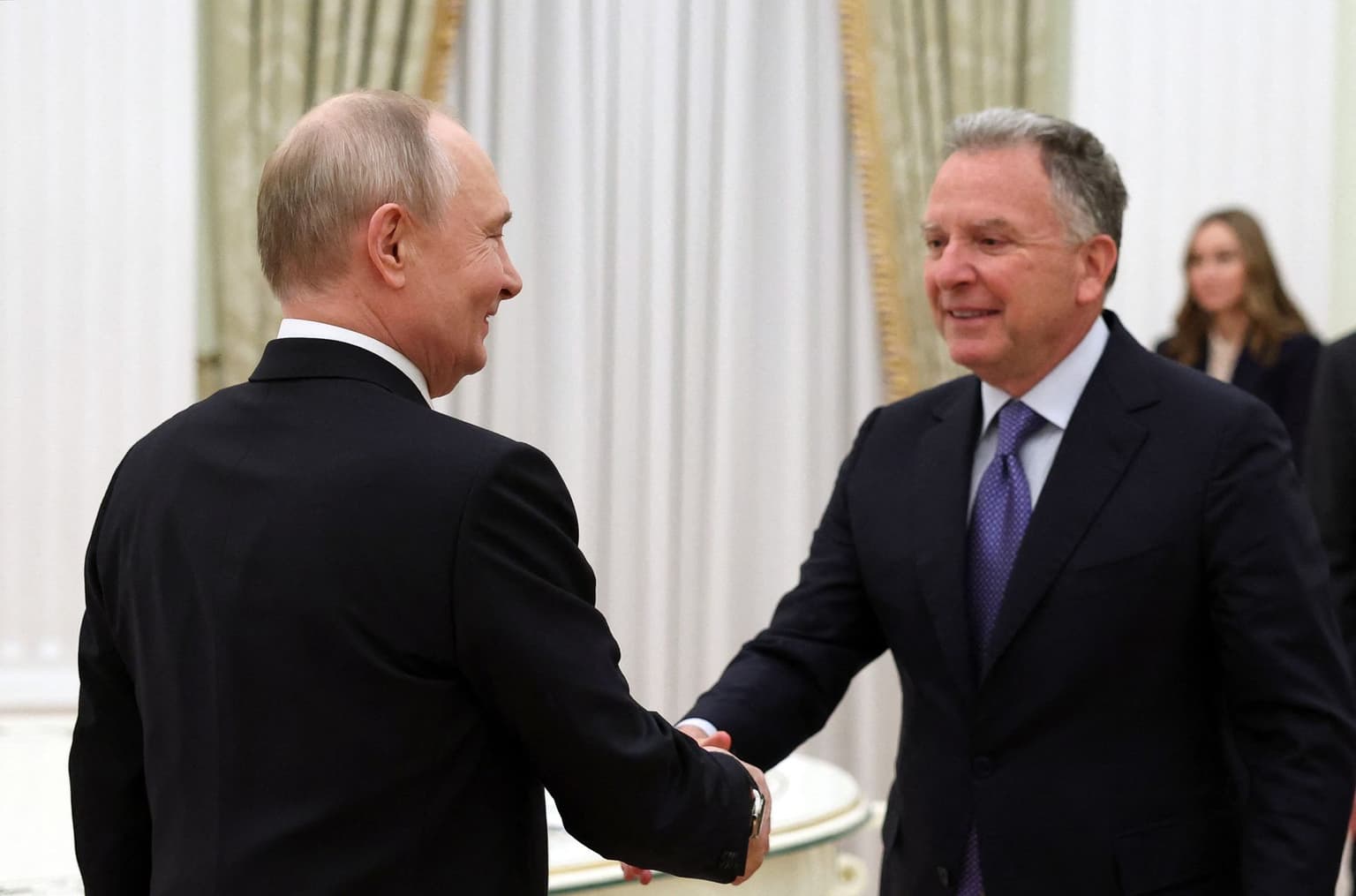
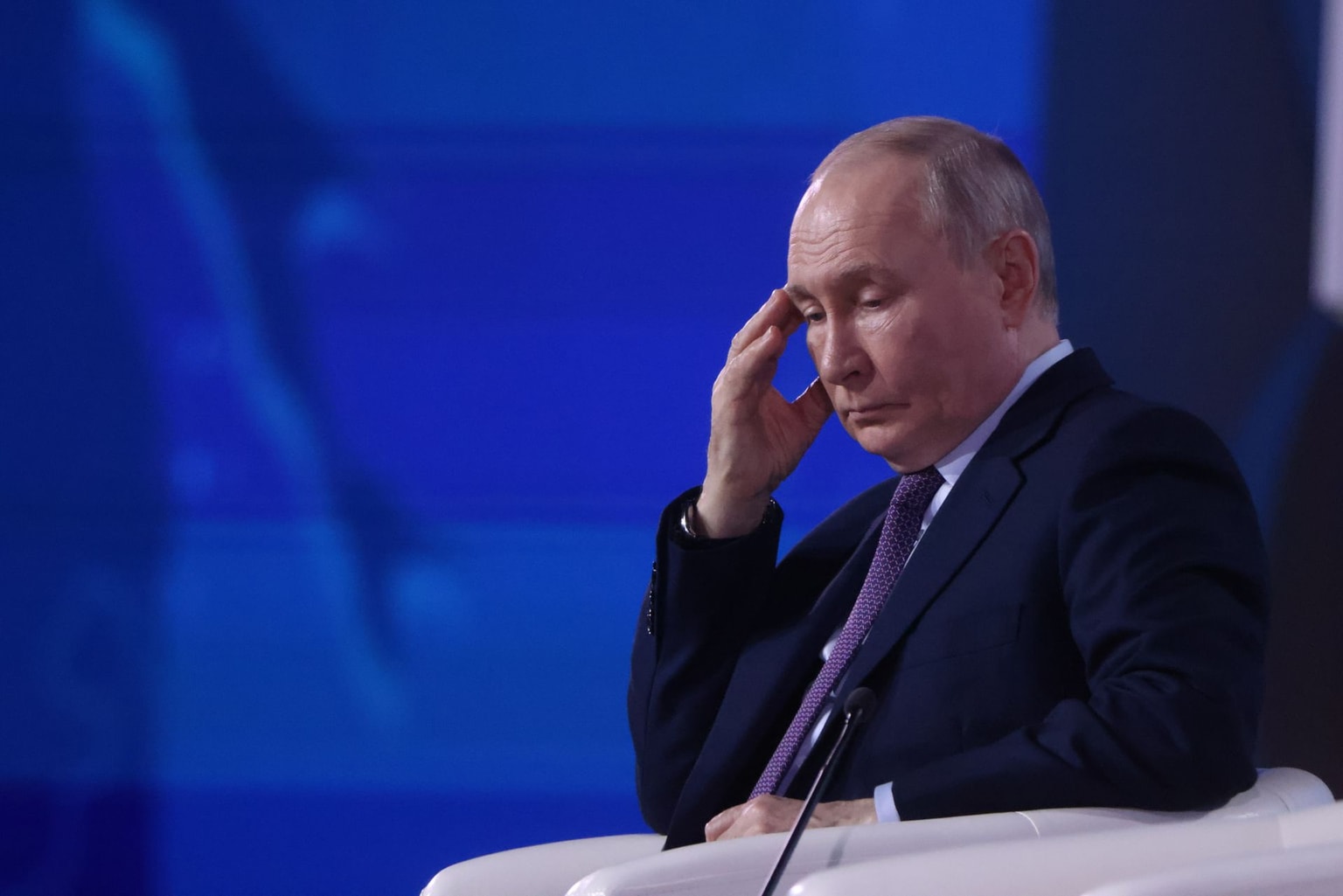
Russian President Vladimir Putin told a U.S. delegation during talks in Moscow on Jan. 22 that without resolving the territorial question, there is "no point in hoping" for a settlement of Russia's war against Ukraine, Kremlin aide Yuri Ushakov said.
"We are interested in resolving the (war) through political and diplomatic means," Ushakov said after the meeting. "But until that happens, Russia will continue to pursue its goals on the battlefield."
The comments followed more than three hours of talks between Putin and a U.S. delegation that included Special Envoy Steve Witkoff and Jared Kushner, U.S. President Donald Trump's son-in-law and adviser.
According to Ushakov, Putin reiterated that no settlement is possible without resolving the issue "according to the formula agreed upon in Anchorage," referring to the Putin–Trump meeting held in August 2025.
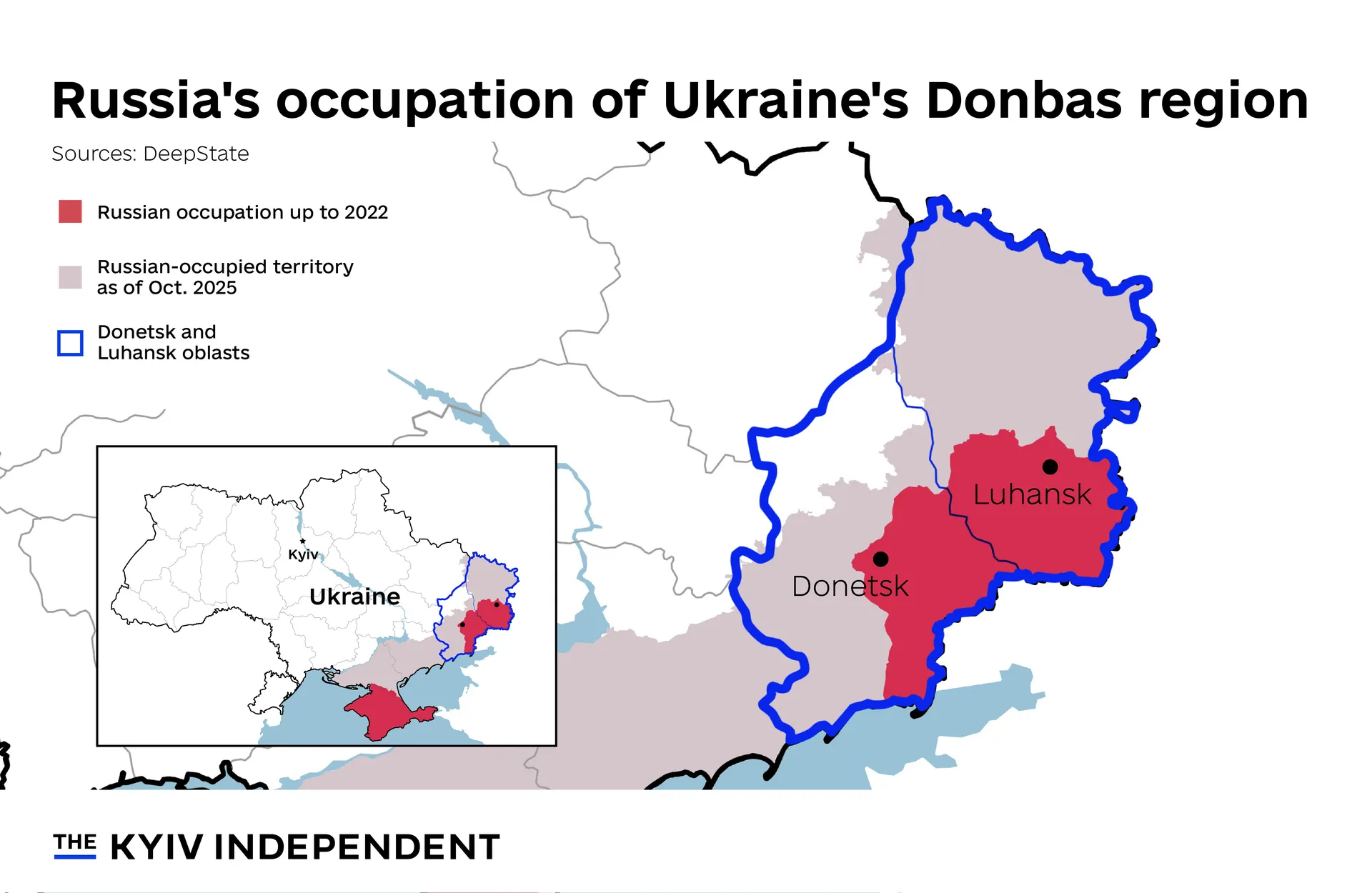
Ahead of that Alaska summit, the Kremlin had demanded that Kyiv withdraw its forces from parts of Donetsk and Luhansk oblasts not fully occupied by Russia.
The Moscow talks unfolded as diplomatic activity intensified on multiple tracks.
President Volodymyr Zelensky said earlier that a two-day trilateral meeting involving Ukraine, the U.S., and Russia is set to begin on Jan. 23 in the United Arab Emirates.
Ushakov later confirmed Russia's participation.
Under the plan outlined by the Kremlin, Russian and U.S. officials will also hold separate bilateral discussions focused on "economic affairs," while a separate working group concerning security will join the trilateral meeting.
"This bilateral group will include Kirill Dmitriev and Steve Witkoff," he said. "Our security negotiating team has already been formed and will depart for the Emirates soon."
According to Ushakov, the security delegation will include senior Defense Ministry representatives led by Admiral Military Intelligence Director Igor Kostyukov.
Ushakov said Putin issued "specific instructions" ahead of the talks, emphasizing that no durable peace is possible without addressing territory under the Anchorage framework.
He added that the U.S. envoys briefed Moscow on their "firsthand impressions" of Trump's meeting with Zelensky in Davos earlier the same day, as well as their contacts with European allies.
The U.S. delegation also included White House staffer Josh Gruenbaum, who has participated in previous negotiations with Ukrainian officials. The Americans were received at the Kremlin by Putin alongside Ushakov and Dmitriev.
The Moscow meeting came as Witkoff, who spent much of the week in Davos for the World Economic Forum, signaled cautious optimism about the talks.
Ahead of his trip to Russia, he said negotiations had reached their final phase and were "down to one issue," without publicly identifying the sticking point
"We are at the end now, and I actually am optimistic," Witkoff said.
The U.S. envoys were expected to present Putin with a 20-point peace framework drafted over the past weeks during a series of talks among Ukrainian and U.S. officials. The document was based on an initial 28-point plan co-drafted by Russia that favored Moscow.
According to Bloomberg, a draft of the revised peace plan was passed to the Kremlin earlier in January via Dmitriev, who met Witkoff in Davos on Jan. 20.
Zelensky previously said the peace deal is "90% ready," even as some of the most thorny issues — including Moscow's demand that Ukraine cede the entire Donbas region — remain unresolved.
Zelensky met with Trump earlier on Jan. 22 in Davos, a meeting the U.S. president called "very good." The Ukrainian leader highlighted the need to strengthen air defenses amid Russian attacks on energy infrastructure.
Beyond Ukraine, the Kremlin talks may have also touched on Trump's invitation for Putin to join his newly announced Board of Peace, a body intended to oversee the situation in Gaza and potentially other conflict zones.
Dozens of countries, including Ukraine and Belarus, have been invited to join the Board, a body that, according to observers, could serve as Trump's alternative to the U.N., an organization he has repeatedly criticized.
Putin, who, as the U.S. president claimed, accepted the invitation, floated the idea of paying $1 billion needed to secure a permanent seat on the Trump-chaired body with Russian frozen assets held by the United States.