From Venezuela to Iran, Trump shows 'how weak Russia really is,' ex-US envoy says
 on Google
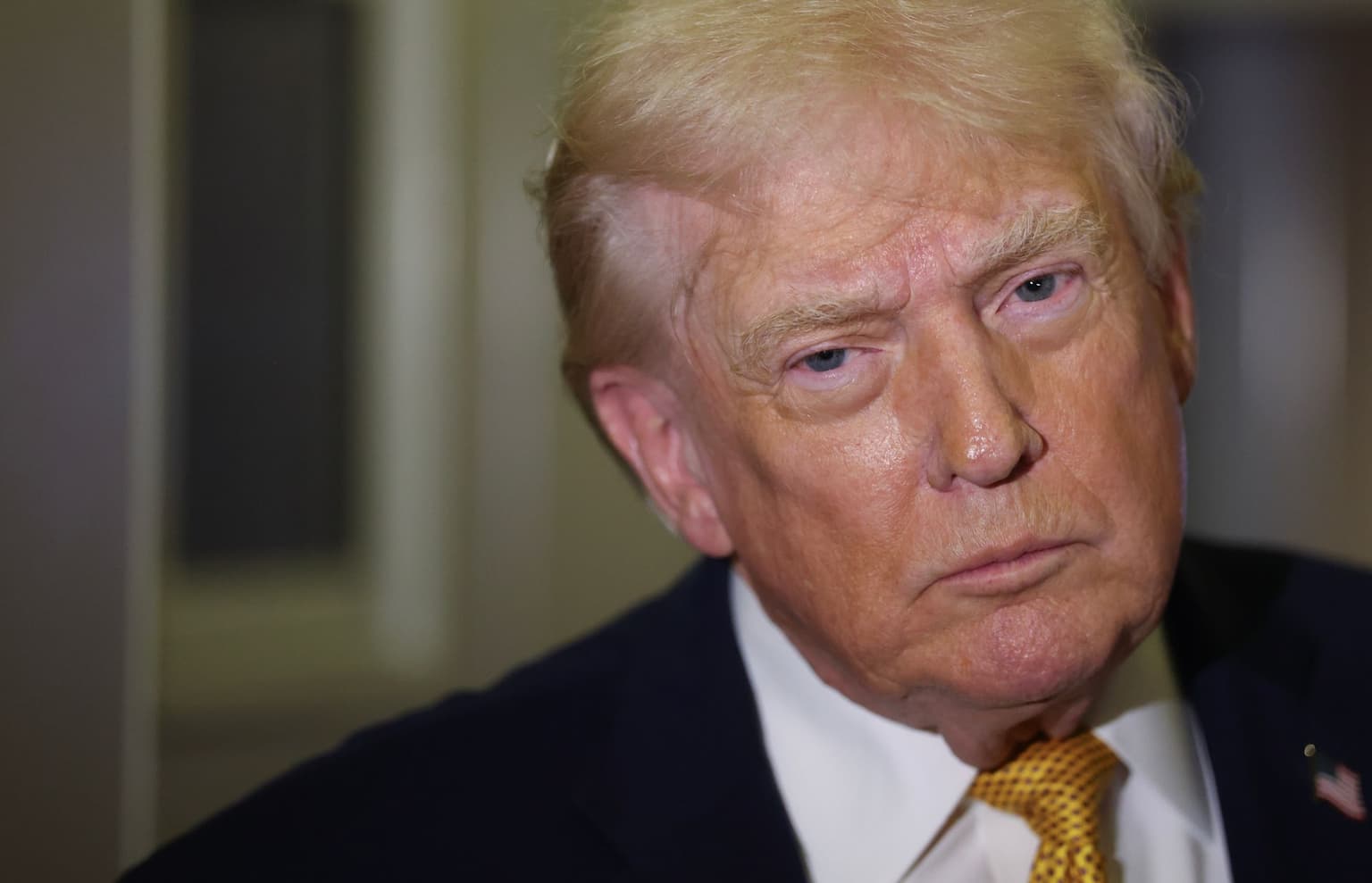
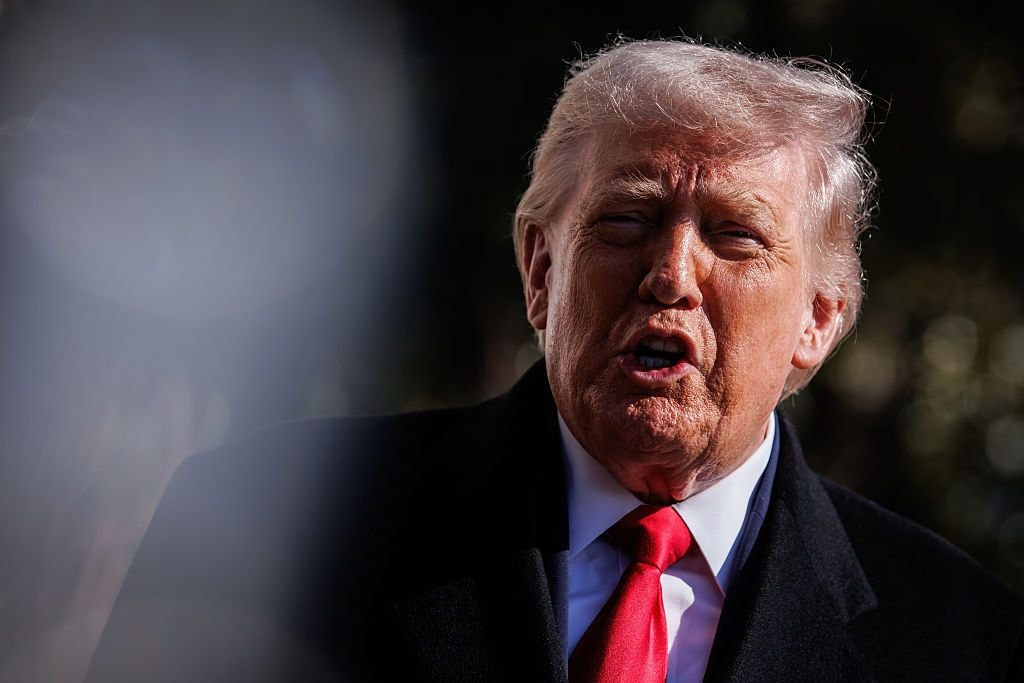
U.S. President Donald Trump shows he is "increasingly comfortable with the use of force" on the global stage and could turn up the heat on Moscow over Ukraine, U.S. diplomat Kurt Volker said in an interview with the Kyiv Independent on Jan. 14.
The comments come as the Trump administration adopts an increasingly forceful posture in its dealings overseas, including toward Moscow's allies.
U.S. special forces snatched Venezuelan dictator Nicolas Maduro from Caracas in early January to face trial in the U.S., and Washington is now issuing threats to the regimes in Cuba and Iran.
Volker, the U.S. special representative for Ukraine between 2017 and 2019 and the ambassador to NATO from 2008 to 2009, says Trump is "demonstrating how weak Russia really is."
"Russia's ally, Nicolas Maduro, is gone and in prison. Russia's ally Iran may actually be going through a regime change," Volker said in reference to ongoing protests in Iran, which prompted a harsh government crackdown, with over 2,000 people reported killed.
As Trump signals he might come to the aid of anti-regime protestors, U.S. officials are reportedly considering options for a military intervention.
The unrest is seen as the most serious challenge to the Iranian regime in recent years. Tehran has been a key Russian ally during the full-scale war in Ukraine, supplying Shahed strike drones and ballistic missiles.
"Russia's ally in Syria is gone, and its military presence in Syria (is) also largely gone. So Russia's global position is being severely diminished at the moment," Volker continued.
According to the diplomat, Trump sees this and may feel he has "more military options to support Ukraine and to push Russia back."
"(Russian President Vladimir) Putin is in a much weaker position than he has been in any time since he started the full-scale invasion," Volker said.
Trump, who has struggled to broker peace between Kyiv and Moscow for almost a year, recently voiced frustration with Putin as Russia ramps up strikes on Ukrainian cities and energy infrastructure mid-winter and presses its territorial demands.
While the U.S. leader's negotiation strategy has been marked by frequent and radical turnarounds, sometimes involving pressure against the Ukrainian leadership, his recent steps suggest a readiness for confrontation with Russia.
U.S. Senator Lindsey Graham said last week that Trump has finally given his blessing to a long-delayed sanctions bill, which would allow the White House to target countries purchasing Russian oil and gas, thereby undercutting a key source of Moscow's revenue.
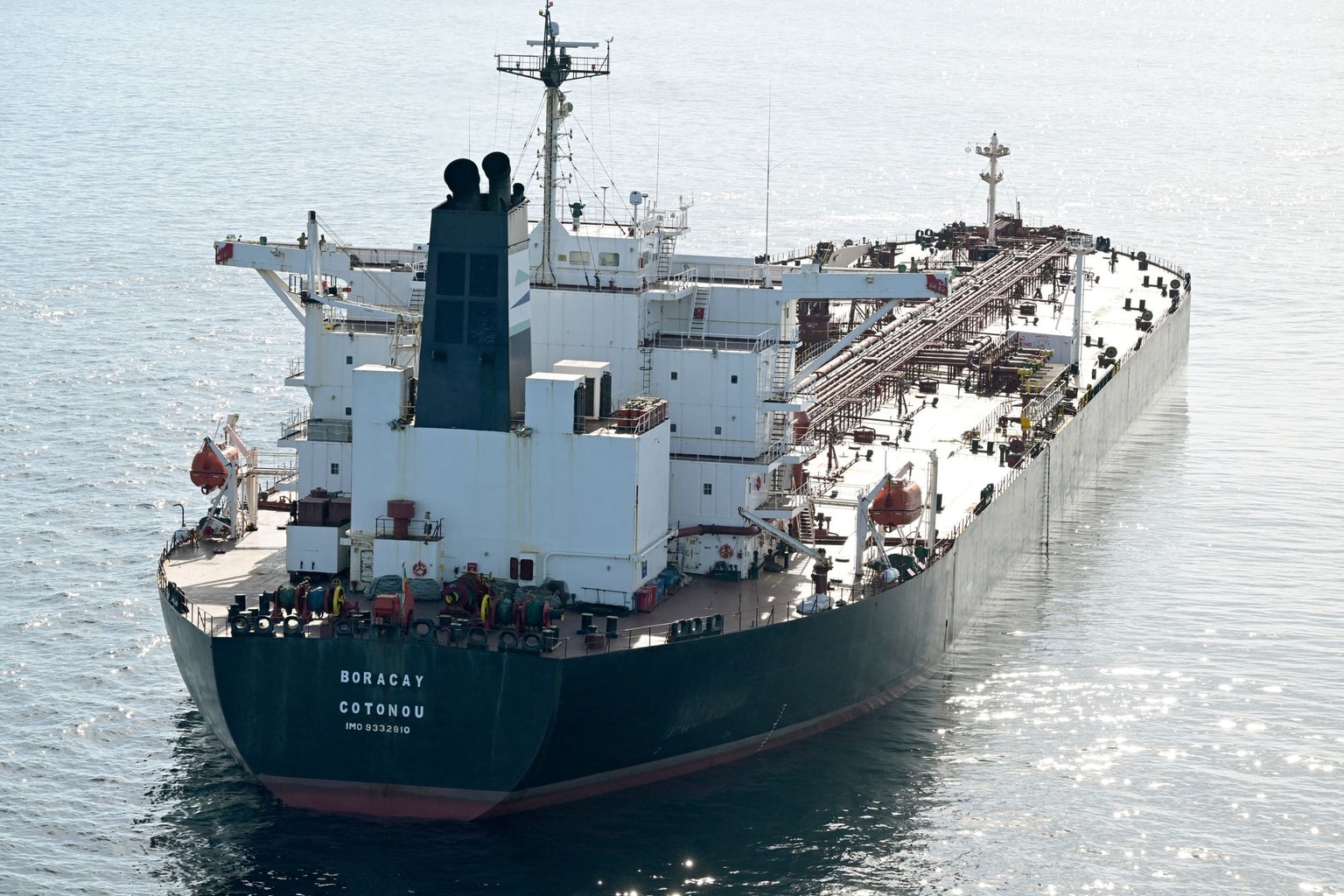
U.S. authorities also recently seized several shadow fleet vessels linked to the Venezuelan oil trade, including a Russian-flagged tanker toward which Moscow dispatched military escorts.
However, Washington's new muscular foreign policy is causing concern even among its European allies.
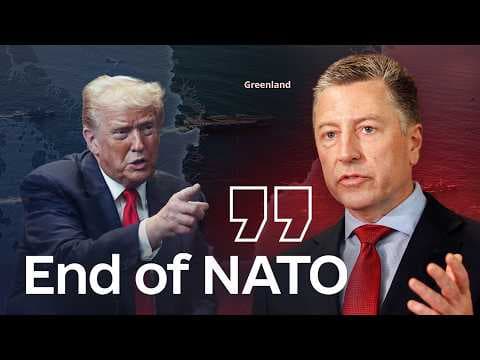
After the success of the Venezuelan intervention, Trump again raised his claim on Greenland — sovereign territory of Denmark, a NATO ally — without ruling out the use of military force.
Volker agrees with Danish Prime Minister Mette Frederiksen's warning that any U.S. attempt to coercively seize Greenland would "mean the end of NATO." But he is optimistic that this scenario will not come to pass.
"I think there are real issues in the Arctic that President Trump has identified. The absence of a lot of security investment, the presence of China and Russia," the diplomat said.
"But these can all be dealt with without the U.S. seeking to gain sovereignty over Greenland," he continued, pointing to the 1951 U.S.-Denmark treaty that enshrines Washington's military presence on the island.
It is not only Greenland that worries Europeans, Volker argues.

"They're more concerned about the pattern here. They're happy to see Maduro go, but it's this willingness to use force (by the U.S.) outside any international law that concerns them."
Trump's recent actions and statements signal an emergence of a world order based on spheres of influence that amplifies the roles of Russia and China — a source of concern for European capitals, the diplomat notes.
Despite mounting transatlantic tensions, Europe has been treading cautiously, as it seeks the U.S. support for post-war security guarantees for Ukraine and in warding off the Russian threat.
According to Volker, it is time for Europe to step up, start building its own capabilities, and take the initiative in peace talks — but not without needlessly antagonizing the U.S.
"Engage with President Trump. Discuss with him. Don't make personal, ad hominem comments about him. Just say we have to work together," he said.
While European leaders may not like Trump's "style," Volker says, in the long term, they still "see civilizational alignment between the U.S. and Europe."