The Ukrainian war cemetery that can't stop growing
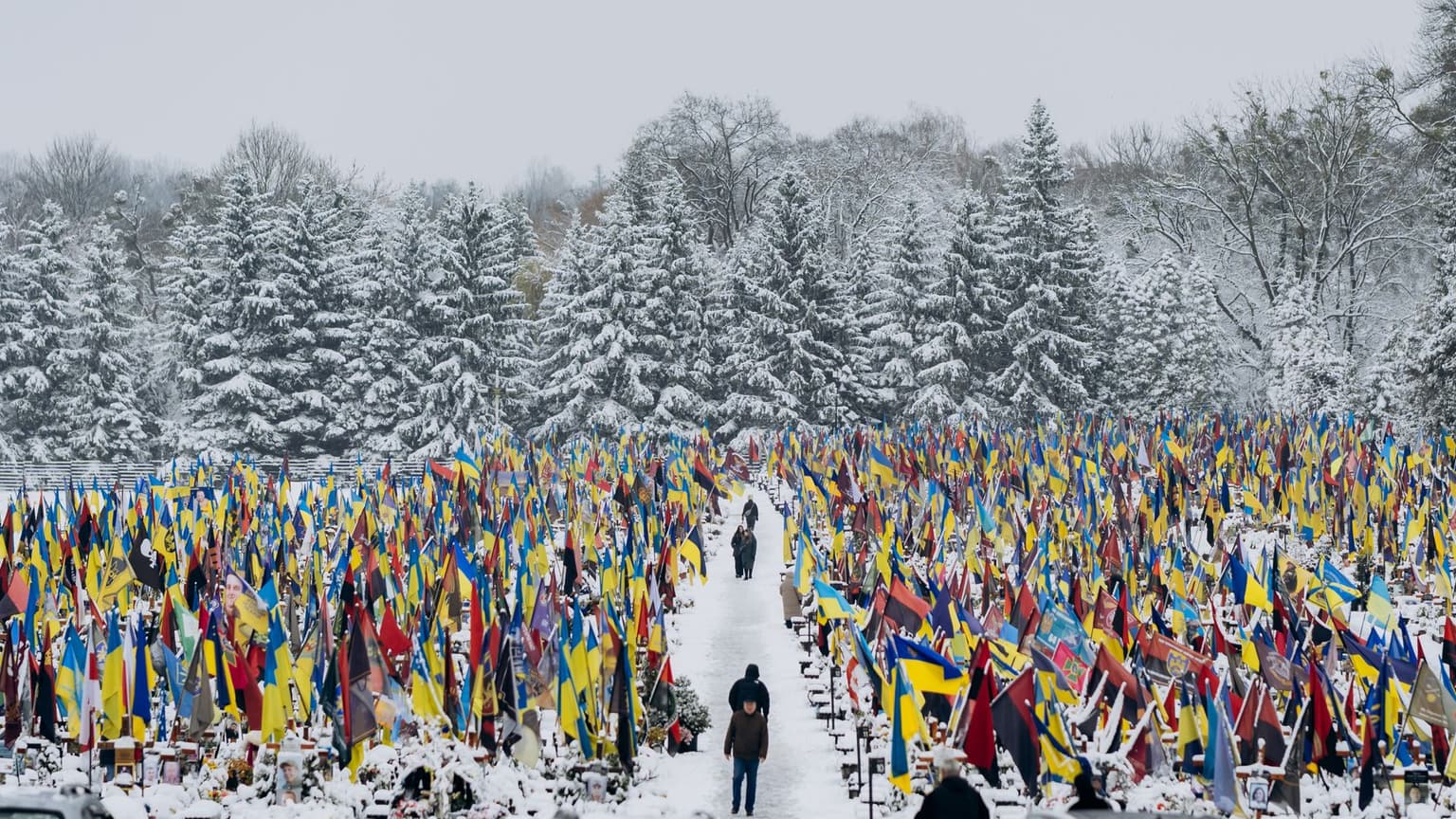
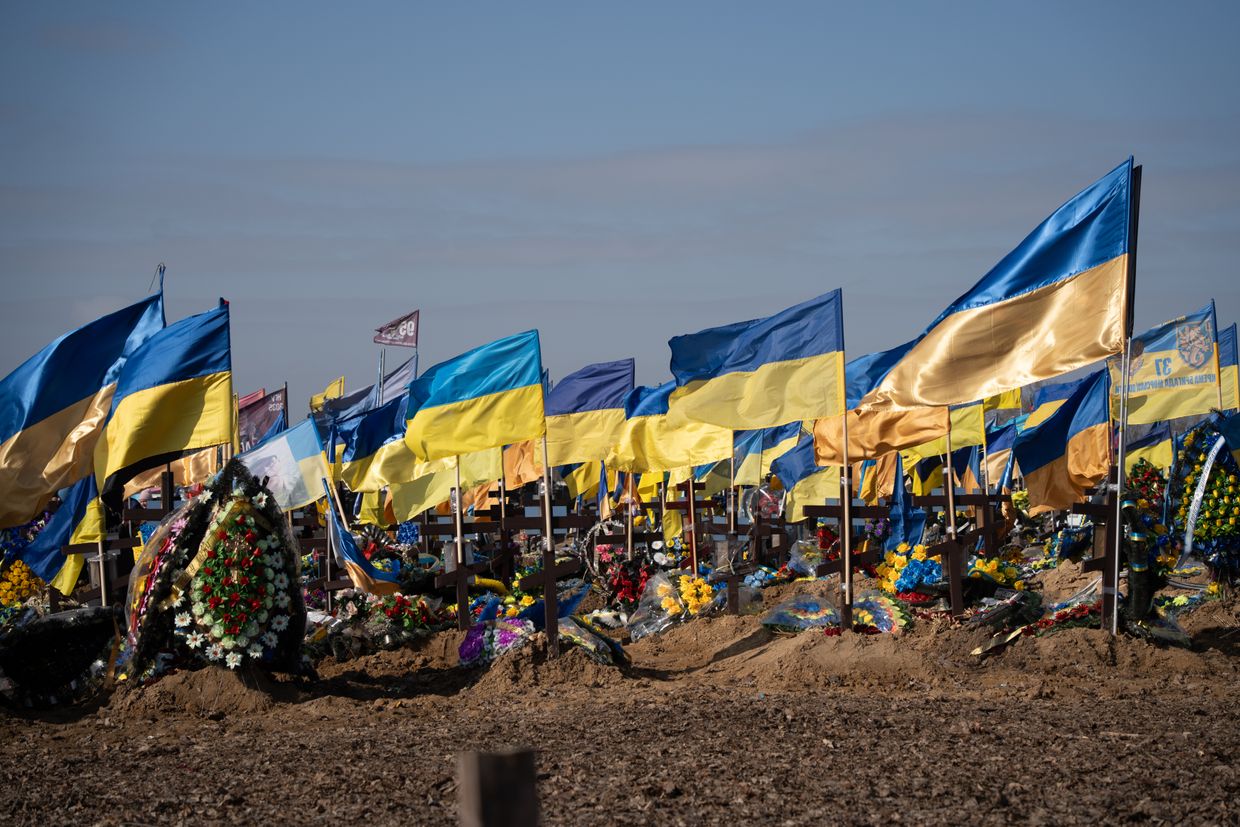
Military cemetery, locally known as the Field of Mars in Lviv, Ukraine, on Nov. 22, 2025. (Sofiia Soliar / The Kyiv Independent)
 on Google
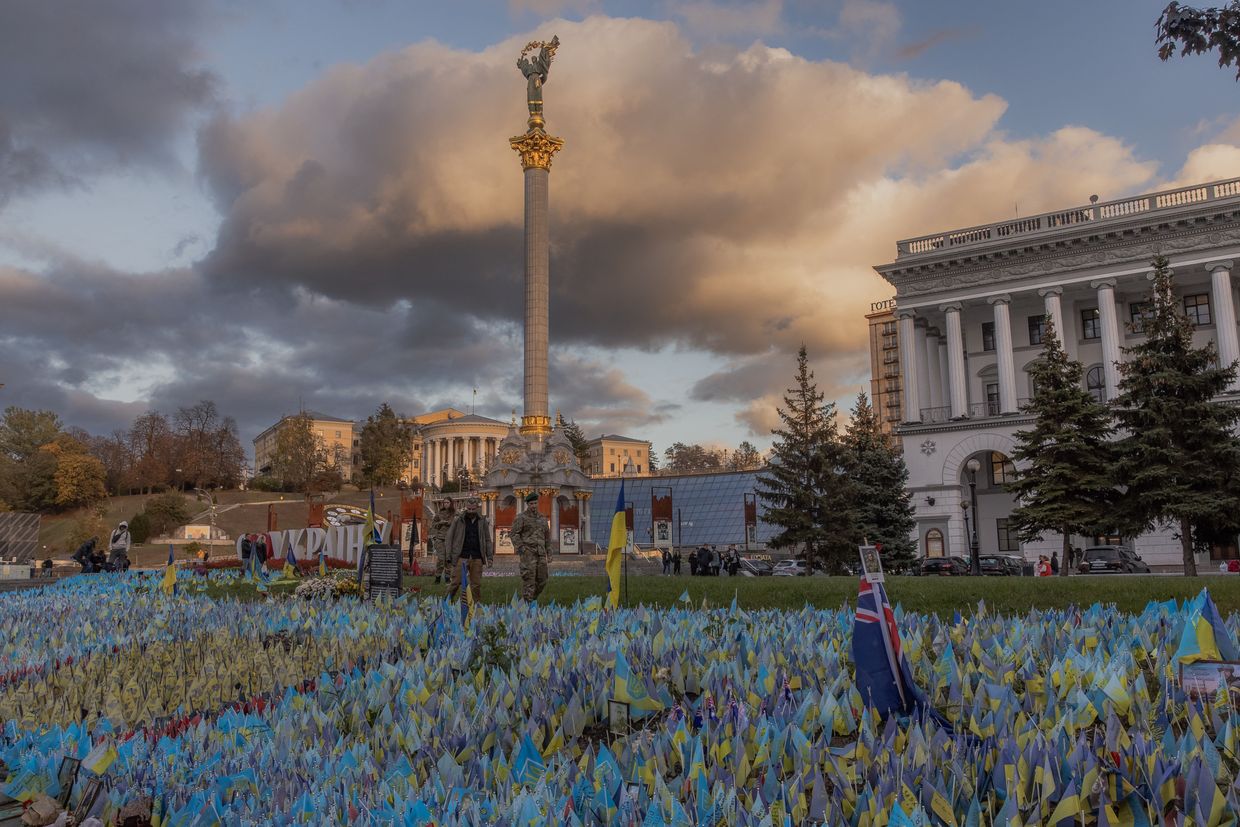
At the cemetery historically known as the Field of Mars, a sea of flags snap and ripple in the wind, and names appear faster than the city can make space for them.
Photographer Anastasiia Smolienko, who returns here several times a month, says, “This is a place where you immediately see the price of this war, of Ukraine’s resistance.”
Despite the heavy weight of the loss it represents, the cemetery is also a measure of dignity for many of Lviv’s local residents. Smolienko describes how farewells begin in the garrison church, move through the city’s main square, and end here among the graves.
“Not every city so dignifiedly sees off its heroes,” she says. The ritual matters — it imposes order on a nightmarish reality that otherwise feels without end.

The land itself carries memory in layers. Dzvinka Balynska, a cemetery employee, explains that this territory has served as a military cemetery since the First World War. Empires fell, wars returned, names were replaced, yet the ground remained for soldiers. Today it is officially known as the Field of Honorary Burials, part of the Lychakiv Cemetery complex.
Those who work here often describe it as unexpectedly calm.
“There are people here who voluntarily gave their lives for Ukraine, and I feel calm here. I don’t know, maybe it sounds strange, but it feels warm,” Balynska says. “For example, in this part of the cemetery where we are now, when the wind blows, all the flags flutter, but inside, there is no coldness.”


Calm, however, exists alongside unbearable loss.
“My son is buried here. He was my only child. Everything I had," says Lilia Dorosh, the mother of a fallen soldier.
In the mere 23 years of his life, three of them were preoccupied not by building his career, getting married, or settling down but fighting in a war. She dreams of visiting Spain, which he never got to do, and taking his portrait with her so he can "see the world through her eyes."
The fear of running out of space is constant. The cemetery has been filled to capacity.

Memory itself has become a battleground. Near the cemetery, banners declare: “War is names.”
A photograph, a name, a fixed place to stand — these are what matter most. Yet, the city is in discussion to remodel the cemetery and affix Cossack crosses on each grave, which some family members are against.
Marianna Veselovska, the sister of a fallen soldier, says, “Reality does not match that. Parents are fighting now to preserve the memory of their children. This project is not about memory.”

Roman Kharivskyi has coordinated funerals since February 2022. Each follows the same military rite. There is no distinction in rank, he says — no hierarchy in death. “We bury every hero by the same ceremony.” For him, the Field of Mars is not only grief, but light. “People should come here not to cry, but to gather strength.”
And yet, the weight of loss is unavoidable. “Every day I look into a mother’s or a wife’s eyes, and there is emptiness there,” Kharivskyi says.

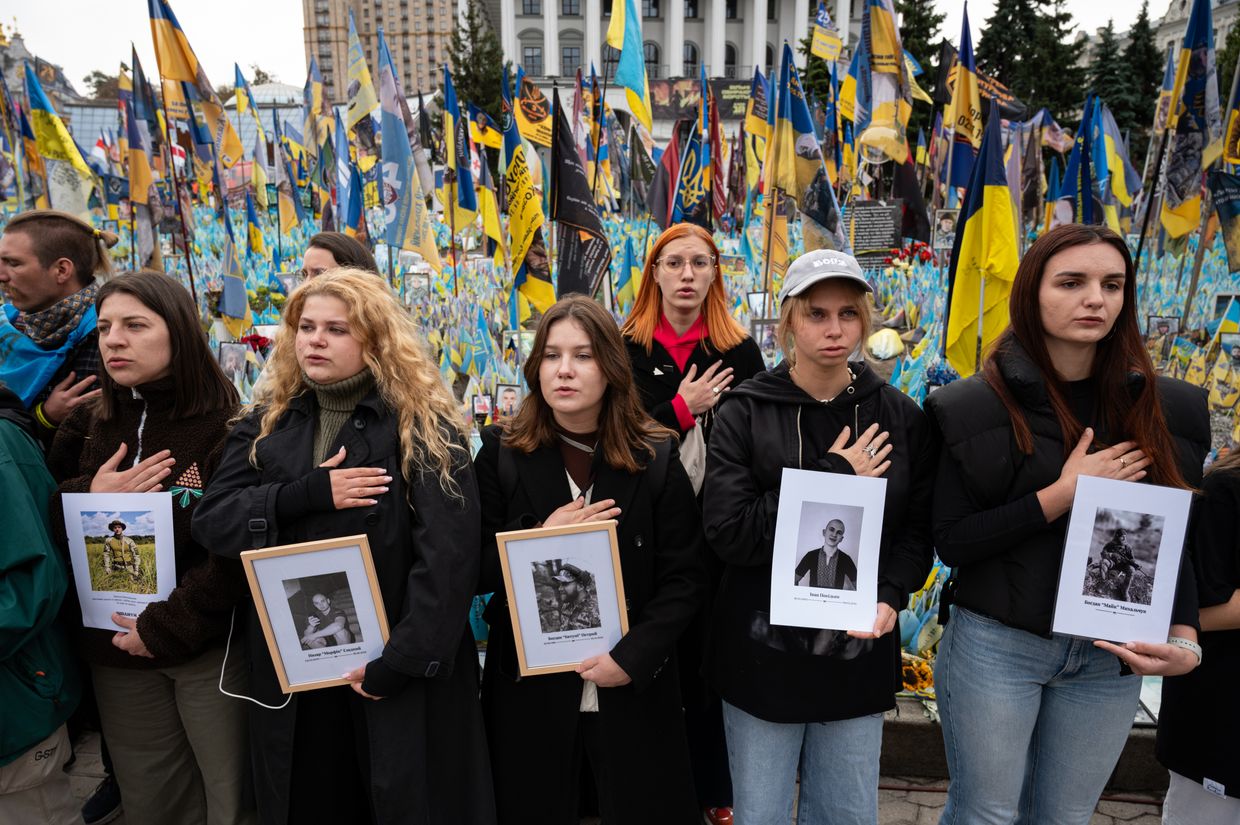
The Field of Mars is both a cemetery and living space, where the dead linger in names, photographs, flags, and the quiet routines of those who come to remember. It is a place of loss, of resistance, of ritual — and of waiting.
As it becomes more and more clear that Russia has no real desire to end the war, the graves will keep multiplying, and not only Lviv but every Ukrainian city will have to find a way to meet the need for space. It is a silent reckoning that no city square or street can escape. Each new name is a reminder that the toll is far from over, that more lives will be cut short, and that the cost of Ukraine’s fight will continue to be written, in open air, for all to see.

Marianna Hobiak, whose husband is buried here, says those laid to rest did so with a purpose — to defend their country. Their deaths carried meaning, but their lives, cut short by Russia’s invasion, should have held so much more.
“Even though we are all here physically — our souls have already gone somewhere else.”

read also
 Natalia Yermak
 Natalia Yermak
 Kate Tsurkan
 Elsa Court