Parliamentary committee rejects demobilization after 36 months of service without command's approval
 on Google

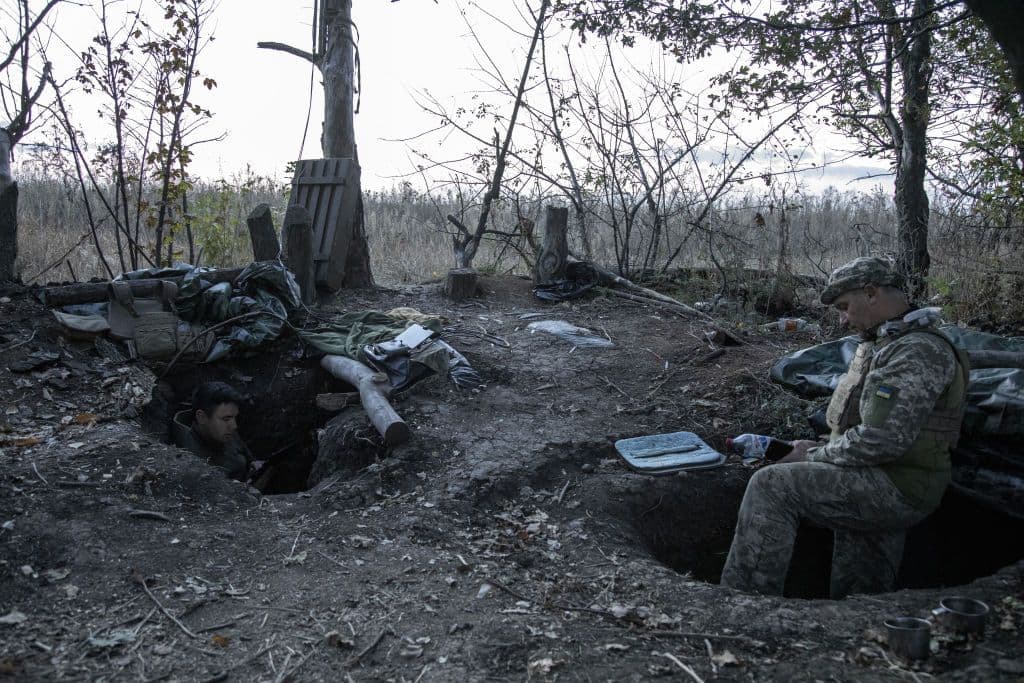
The parliament's National Security and Defense Committee rejected the amendment on demobilization after 36 months of service without the approval of the Headquarters of Supreme Commander-in-Chief in the new mobilization bill, lawmaker Oleksii Honcharenko said on March 27.
Ukraine's government hopes to update the legal framework around conscription to ramp up mobilization efforts in 2024. The parliament is now considering a new draft of the mobilization law after its initial, contentious version was withdrawn.
The parliament supported the updated bill in the first reading on Feb. 7, but lawmakers are still working on the amendments, including the demobilization process. More than 4,000 amendments to the bill have been submitted since its passing in the first reading.
Honcharenko, who submitted the amendment, said that the parliamentary committee supported the idea of demobilization after 36 months of service but only if the president approved it.
"The idea of demobilization is being buried (in the parliament)," Honcharenko said on his Telegram channel.
The parliament's National Security and Defense Committee also considers the option of demobilization after 36 months if 18 of them were spent on the front line, according to the lawmaker.