Lockheed Martin unveils cheaper Patriot air defense interceptor amid surging global demand
 on Google
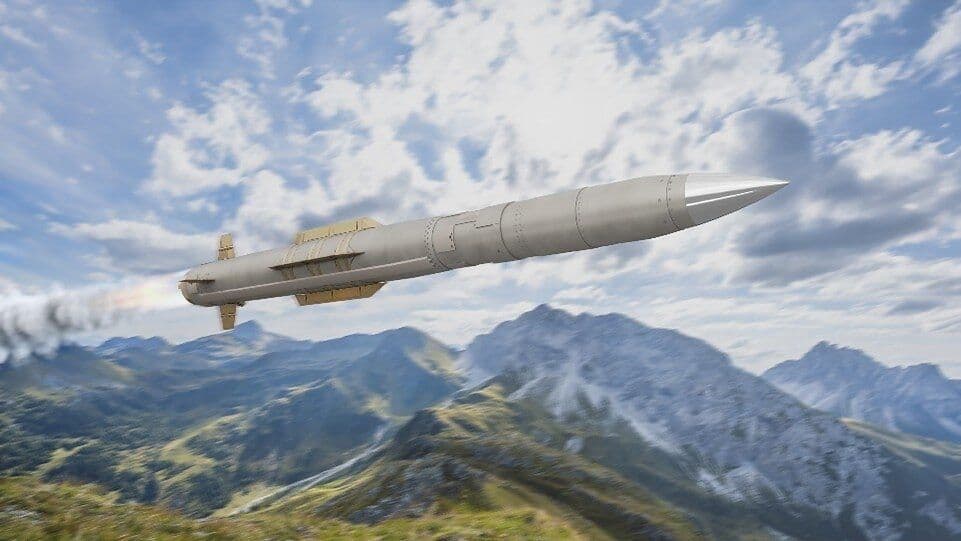
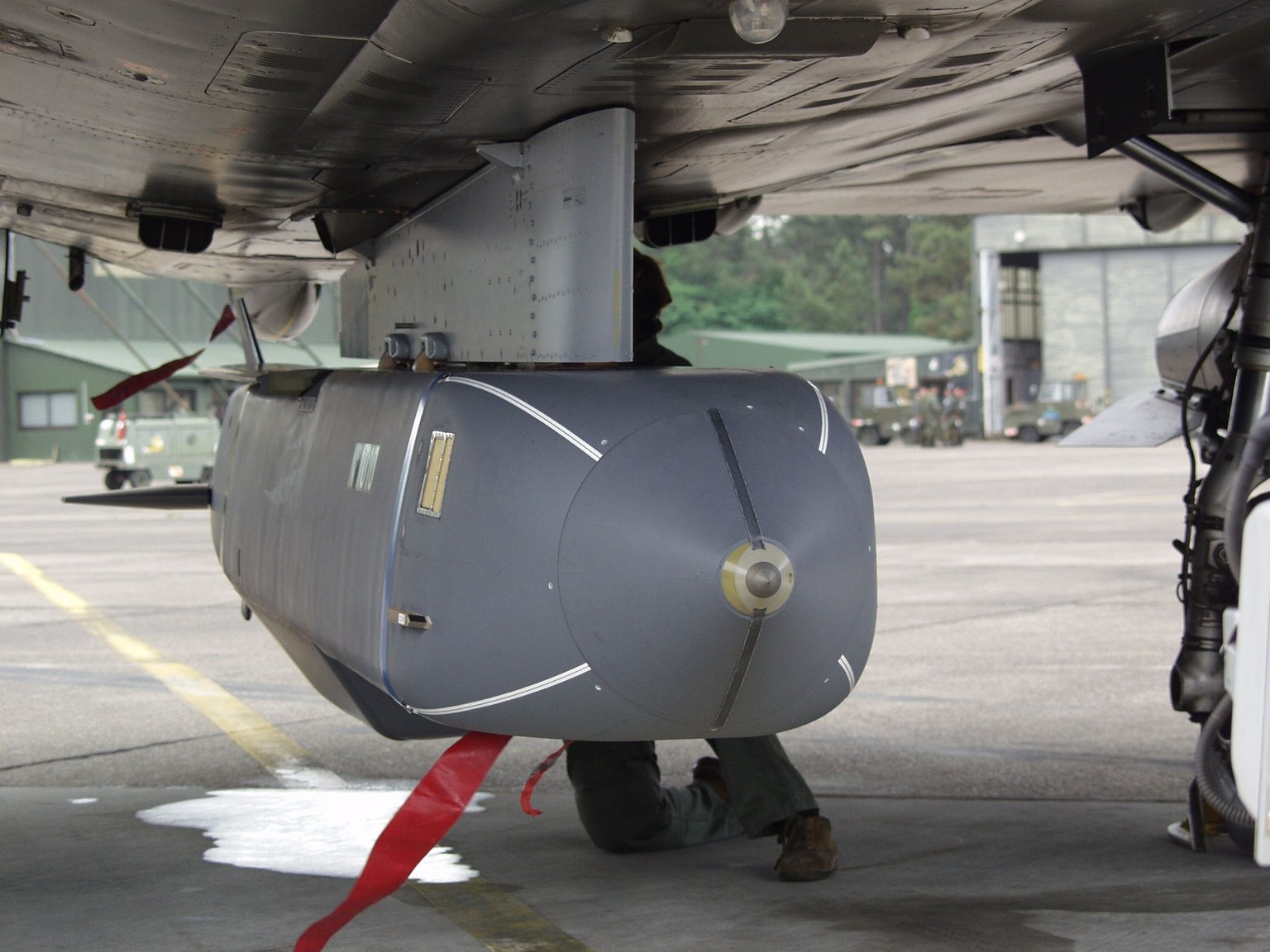
Lockheed Martin unveiled a lower-cost interceptor for the Patriot air defense system on July 20 as demand for air defense missiles continues to grow, the company announced in a statement.
The new Patriot PAC-3 Adapted Capability Effector, known as PAC-3 ACE, will cost less than half as much as the existing PAC-3 MSE interceptor. Initial production of the new missile could begin within 36 months, according to Lockheed Martin.
PAC-3 MSE interceptors cost approximately $4 million each, Reuters reported, citing U.S. Army budget documents.
The PAC-3 ACE will use the existing PAC-3 fire-control system and be integrated with the Patriot weapon system and the Integrated Battle Command System. Lockheed said the interceptor is designed to counter aircraft, drones, cruise missiles, and close- and short-range ballistic missiles.
The company plans to develop and manufacture the interceptor with American and European industry partners.
"American and allied warfighters need a solution that is battle-tested and budget-smart," Tim Cahill, president of Lockheed Martin Missiles and Fire Control, said.
Patriots have played a crucial role in defending Ukrainian skies against Russian ballistic missiles, but interceptor stocks have grown scarce as U.S. producers struggle to keep pace with both escalating Russian strikes and demand driven by the war in Iran.
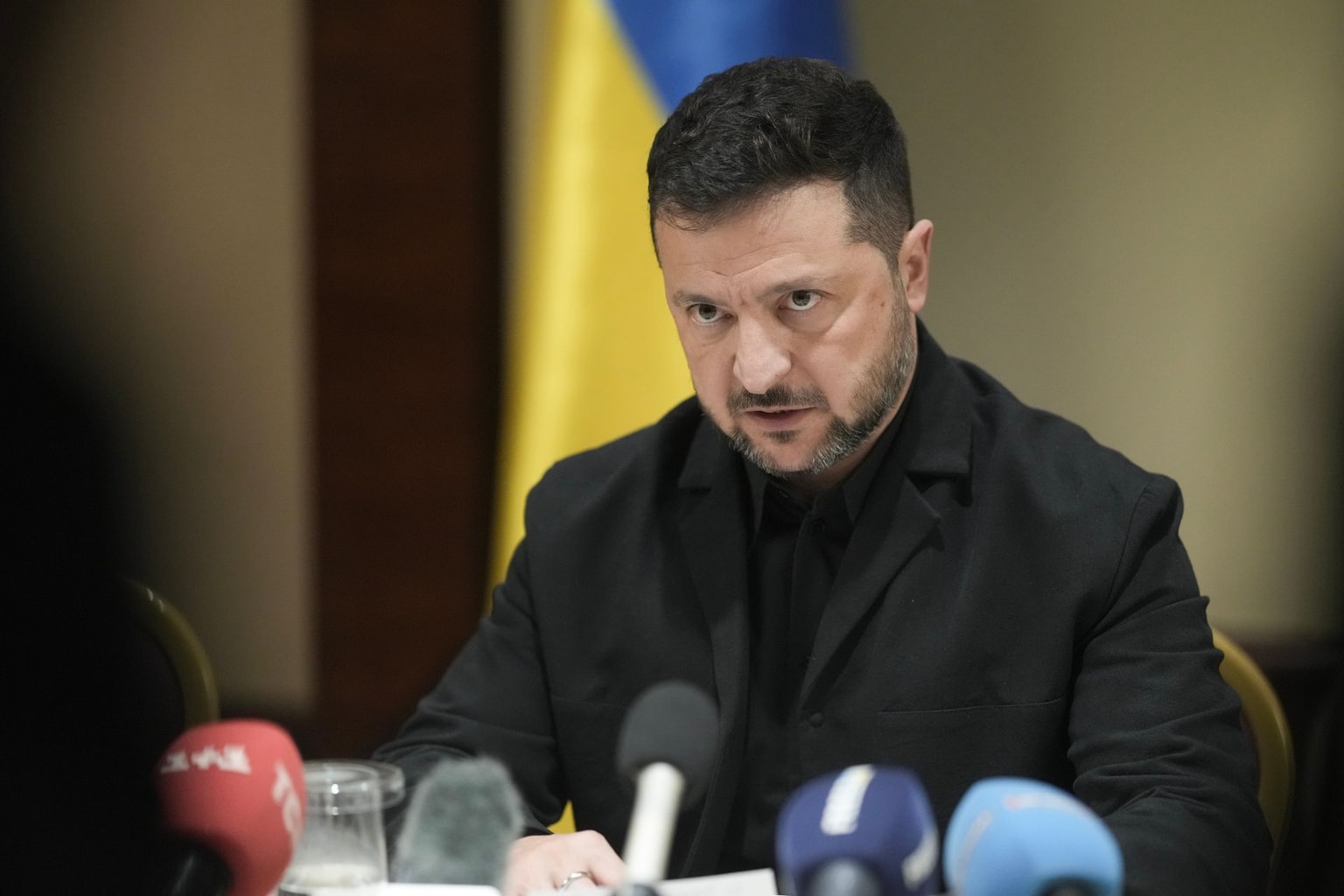
President Volodymyr Zelensky has repeatedly called on Ukraine's partners to provide additional Patriot systems and interceptors as Russia intensifies its attacks.
A senior Ukrainian official told the Kyiv Independent on July 15 that the United States had started the process of issuing licenses that would allow Ukraine to manufacture Patriot missiles, marking a step from political commitments toward implementation.
Domestic production of the interceptors would enable Ukraine to use its expanding defense-industrial capacity to build the missiles at home while reducing its dependence on output from U.S. manufacturers.
According to the official, Lockheed Martin supports granting Ukraine the necessary production licenses. The official also said the licensing process is expected to move faster than previously anticipated and is unlikely to take several months.