Kyiv energy crisis 'extremely serious,' as SBU presents evidence of Russian 'crimes against humanity'
 on Google
The ongoing energy crisis in Kyiv remains "extremely serious," officials said on Jan. 15, as Ukraine's Security Service said Russia's ongoing strikes against energy infrastructure amount to "crimes against humanity."
Air raid sirens in the capital sounded regularly over the last 24 hours as Russia launched at least 82 Shahed-type drones across the country, according to Ukraine's Air Force.
Some of the drones — including more advanced rocket-powered versions — targeted a thermal power plant in Kyiv, local monitoring telegram channels said.
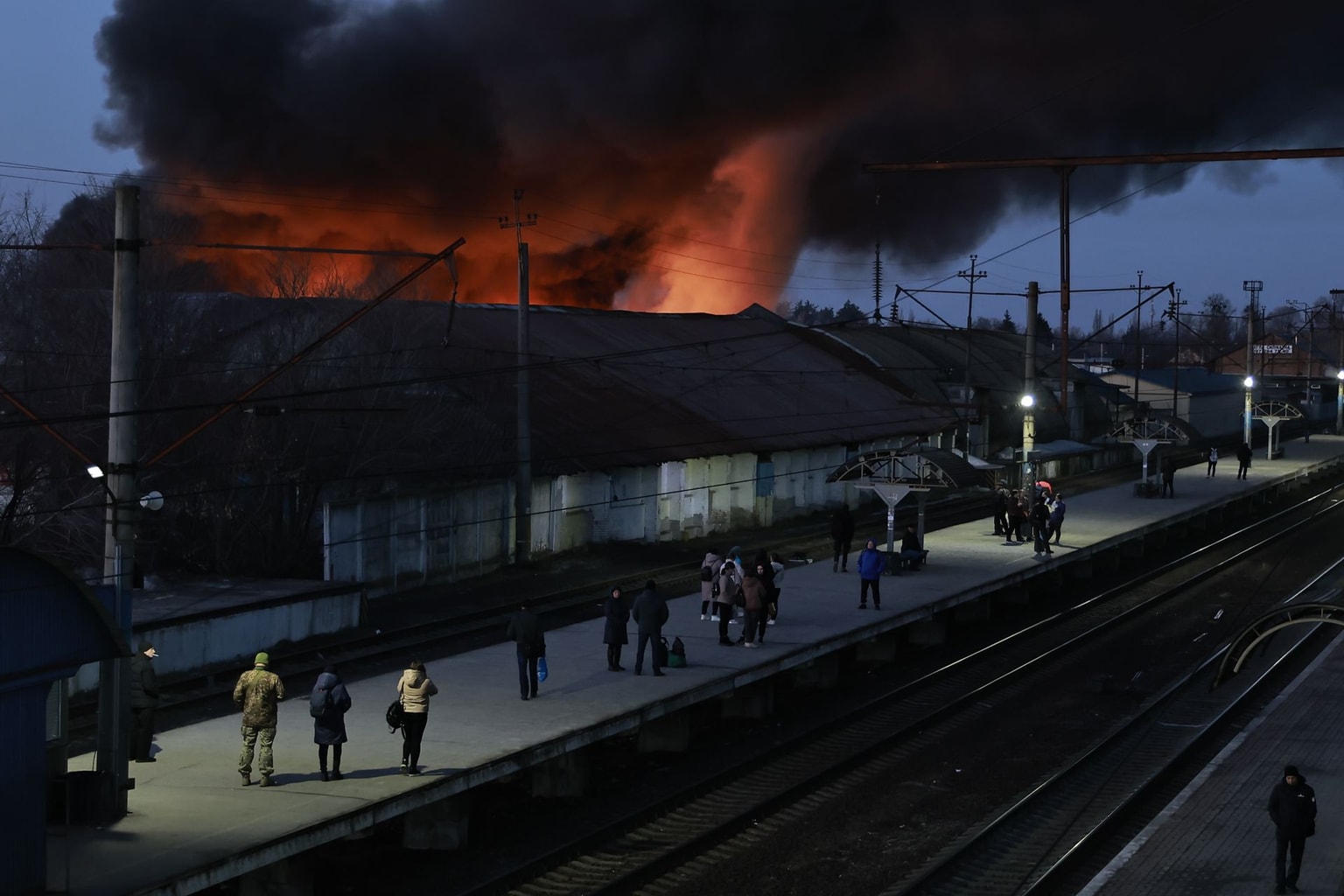
Explosions were also reported in Kharkiv on Jan. 15. Kharkiv mayor Ihor Terehov said that Russia destroyed a large critical energy infrastructure facility.
He added that the emergency response headquarters is working 24 hours per day, with emergency services and specialists on site.
Maxim Timchenko, CEO of DTEK, Ukraine's biggest private energy firm, wrote on X on Jan. 15 that Ukraine's energy sector is facing an "extremely serious situation" due to "unprecedented attacks by Russia and extreme cold across the country."
Olena Pavlenko, president of the Kyiv-based energy-focused think tank DiXi Group, told the Kyiv Independent that without Russian attacks, Ukraine might come back to "close to normal."
"Not normal. There will still be outages, but at least there will be a stable schedule in a few weeks. But again, we see the strategy of Russia that they allow us to repair something and then they attack again, then they give us time for repair, and they attack again," Pavlenko said.
She added that repair efforts should run alongside improvements to Ukraine’s air defenses, which could shift the overall situation within weeks. She said this would require a rapid increase in support, including more equipment and air defense systems.
The temperature in Kyiv at 3 p.m. local time was -11 degrees Celsius (12 degrees Fahrenheit).
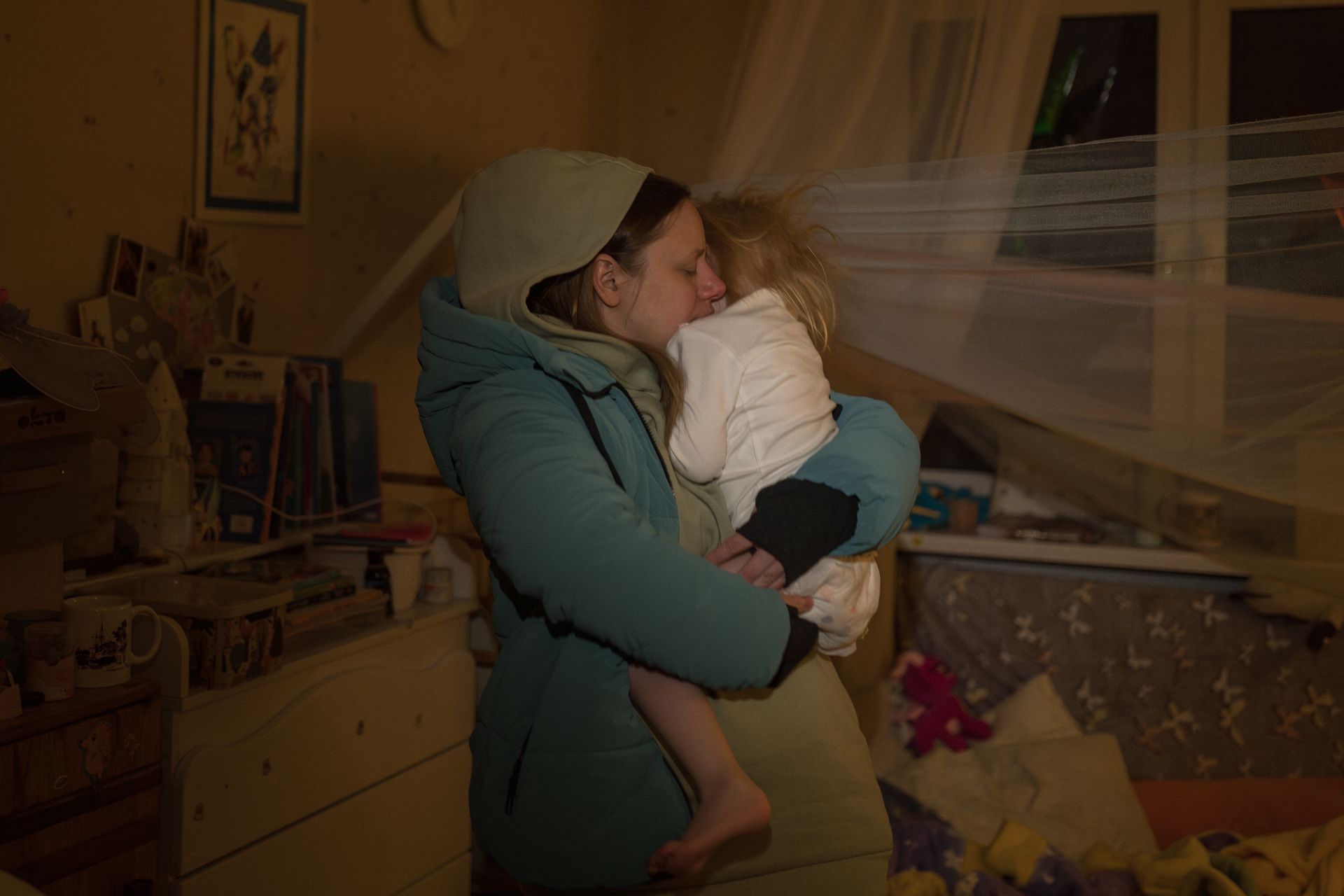
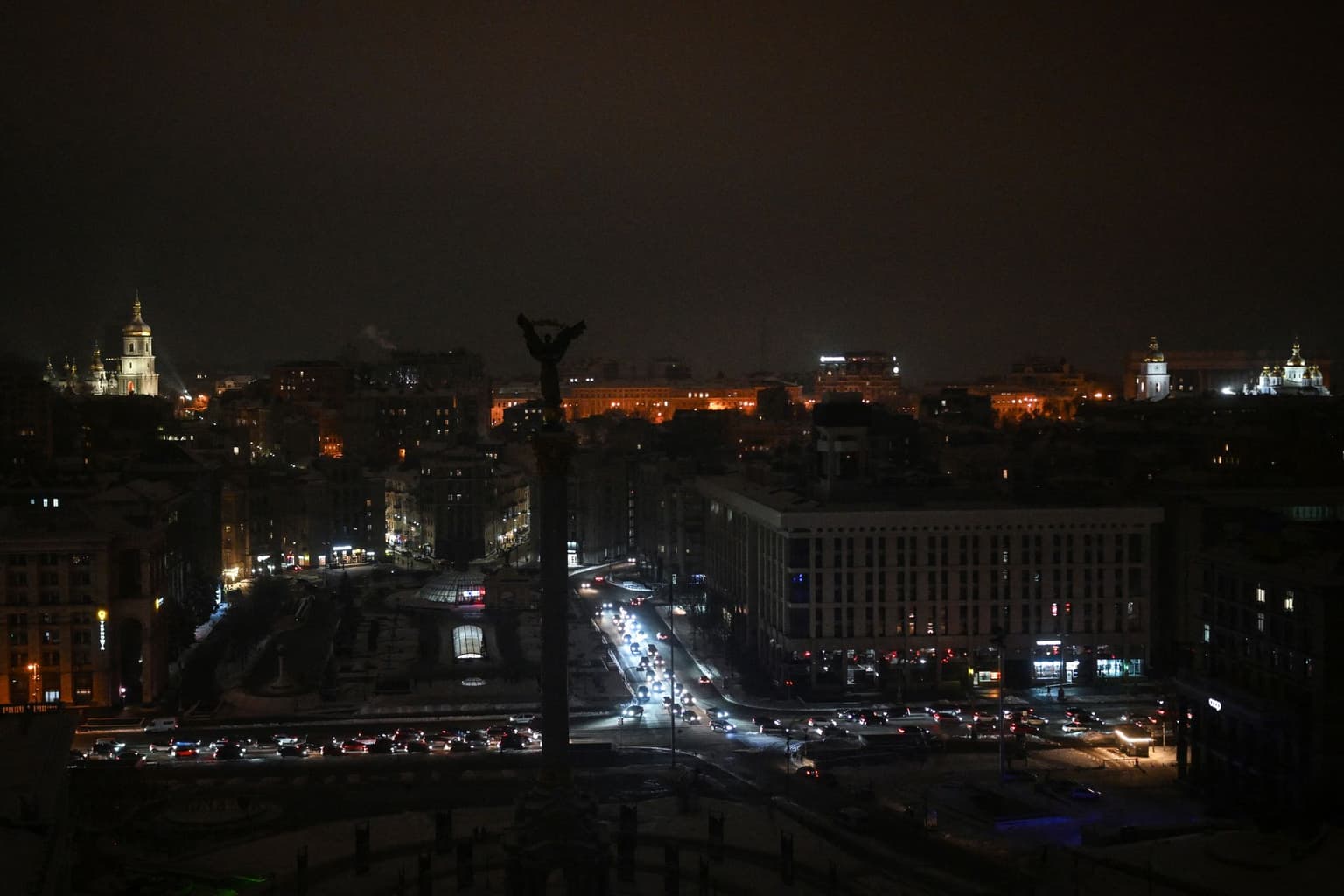
Russia has pounded Kyiv and the country with missiles and drones over the last few days, leaving around 70% of the capital without power on Jan. 13. While energy workers repair the damage, the icy temperatures are making it difficult, and replacement equipment is running out.
Kyiv Mayor Vitali Klitschko said on Jan. 15 that around 300 apartment buildings in the capital remain without heating. The city reportedly remains under emergency blackout schedules, with no stable power timetable.
President Volodymyr Zelensky on Jan. 14 declared a state of emergency in the energy sector, with particular attention on Kyiv, which is reeling from Russian attacks that have left residents without power, heating, or water in subzero temperatures.
A newly-appointed Energy Minister Denys Shmyhal said on Jan. 15 that on the instructions of Zelensky, a headquarters to deal with the aftermath of Russian shelling on energy facilities in Kyiv was set up and held its first meeting.
"Our task is to respond quickly and effectively to current challenges in order to stabilize the situation with energy and heat supply. I have given instructions to ensure the continuous operation of the headquarters in Kyiv and the Kyiv Oblast," Shmyhal added.
The SBU said on Jan. 15 it has collected evidence showing that Russia's strikes on Ukraine’s energy infrastructure are part of a systematic policy aimed at destroying the civilian population which amounts to "crimes against humanity."
Since the start of the heating season in 2025, the SBU documented 256 Russian aerial attacks on energy facilities and heat supply systems.
According to the SBU, since October 2025, Russian forces have targeted 11 hydroelectric power plants, 45 major combined heat and power plants, 49 thermal power plants, and 151 electrical substations across the country. The attacks were carried out using Iskander ballistic missiles, Kalibr cruise missiles, Kh-101 and Kh-69 missiles, Shahed-type drones.
The heaviest strikes were recorded in Kyiv and Kyiv Oblast, Kharkiv, Odesa, Dnipropetrovsk, Sumy, Mykolaiv, and Chernihiv oblasts.
Business Reporter Dominic Culverwell contributed to this report.