Ukrainian officials reject latest Donbas proposal from US
 on Google
During the latest U.S.-mediated negotiations in Geneva on Feb. 17–18, Kyiv and Moscow discussed a joint Russian-Ukrainian civilian administration to run a demilitarized zone in the Donbas.
But Ukrainian officials say the proposal is unrealistic and unacceptable, and the recent round of talks again ended in a stalemate. The plan follows the failure of other stillborn ideas discussed during talks between Ukraine, Russia, and the U.S.
The concept was first reported by the New York Times on Feb. 18.
The proposal envisions withdrawing both Russian and Ukrainian troops from part of the Donbas in the country's east and establishing a civilian authority to manage the area. It would be potentially staffed by both Ukrainian and Russian representatives.
The Kyiv Independent has learned from a person familiar with the discussions that U.S. negotiators introduced the idea during recent talks as part of efforts to resolve the territorial dispute.
The status of the Donbas remains the most contentious issue between Kyiv and Moscow.
Ukraine maintains that freezing current front-line positions offers the most realistic basis for a ceasefire. Russia continues to demand that Ukrainian forces withdraw from the region as a precondition for any agreement — a demand that Kyiv has repeatedly rejected.
Ukrainian officials say that even the concept of a demilitarized zone in Donetsk Oblast is difficult to imagine, let alone a joint civilian administration involving Russia.
'Essentially hand them over'
Oleksandr Merezhko, head of parliament's foreign affairs committee, said this would still effectively require Ukrainian troops to withdraw from fortified positions.
"That's the core of the problem. For us, this is unacceptable," he said. "We cannot leave these fortified districts of Donetsk Oblast and essentially hand them over."
Merezhko added that he does not believe the project is workable and warned against drawing comparisons to historical precedents.
"I understand that the Americans think in terms of historical analogies, like the demilitarized zone between North Korea and South Korea," he said.
But the lawmaker noted that the buffer zone on the Korean Peninsula is far shorter than Ukraine's current front line, which stretches hundreds of kilometers.
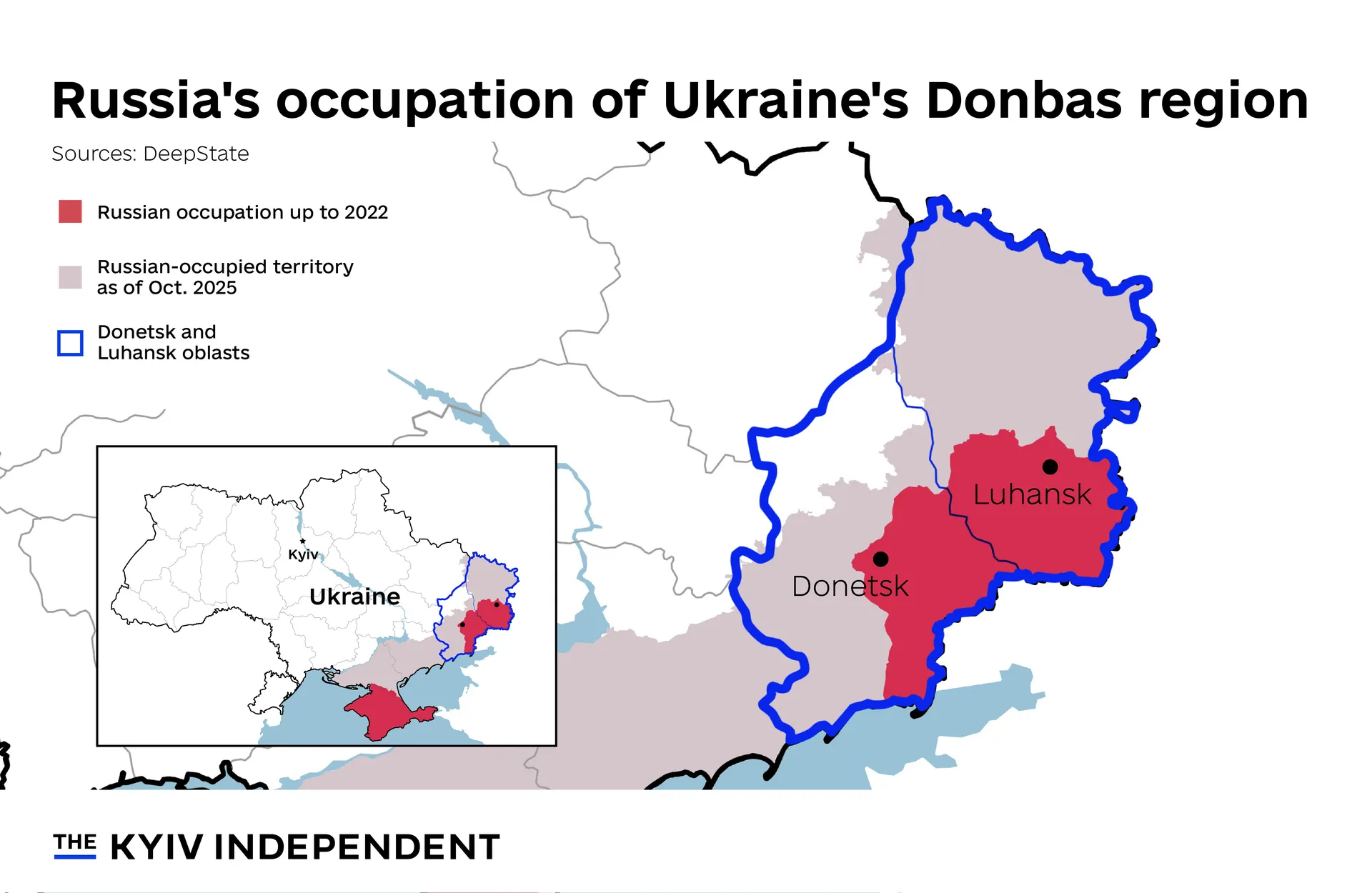
The idea of establishing a demilitarized zone in the Donbas was initially included in the U.S.-Russian 28-point peace plan. Under that proposal, Kyiv would withdraw its troops from the parts of Donetsk Oblast that it still controls.
Russian presidential aide Yuri Ushakov previously said that Moscow could agree to such an arrangement if Russian police or National Guard (Rosgvardiya) units were granted the right to patrol the demilitarized zone.
The political logic behind such ideas appears designed to meet the Kremlin's demand for Ukrainian withdrawal while presenting it under different terminology.
"They are trying to disguise the withdrawal," Merezhko said.
A 'premature' proposal
Yaroslav Yurchyshyn, a lawmaker from the opposition Holos party, said it is premature to expect that a joint governance scenario would be implemented.
He added that countering such a scenario requires strengthening Ukraine.
Yurchyshyn noted that Kyiv has already seen numerous proposals that ultimately failed to materialize, citing ideas such as reintegration with elements of autonomy, a freeze of the current status quo, and a demilitarized zone with foreign peacekeepers.
Europe and the so-called "Coalition of the Willing" have promoted deploying peacekeeping troops to monitor a potential ceasefire. President Volodymyr Zelensky has argued that such a presence could help deter another Russian invasion.
U.S. President Donald Trump previously spoke positively about European peacekeepers in Ukraine and suggested Russia might agree to them. However, U.S. officials have recently expressed skepticism about the feasibility of such arrangements.
Moscow has repeatedly rejected the proposal, saying it would not accept NATO troops on Ukrainian soil.
In Yurchyshyn's view, the greatest danger lies in the proposal's lack of viability, as Russia continues to seek control over all of Donetsk Oblast.
'Our land, our flag, our control'
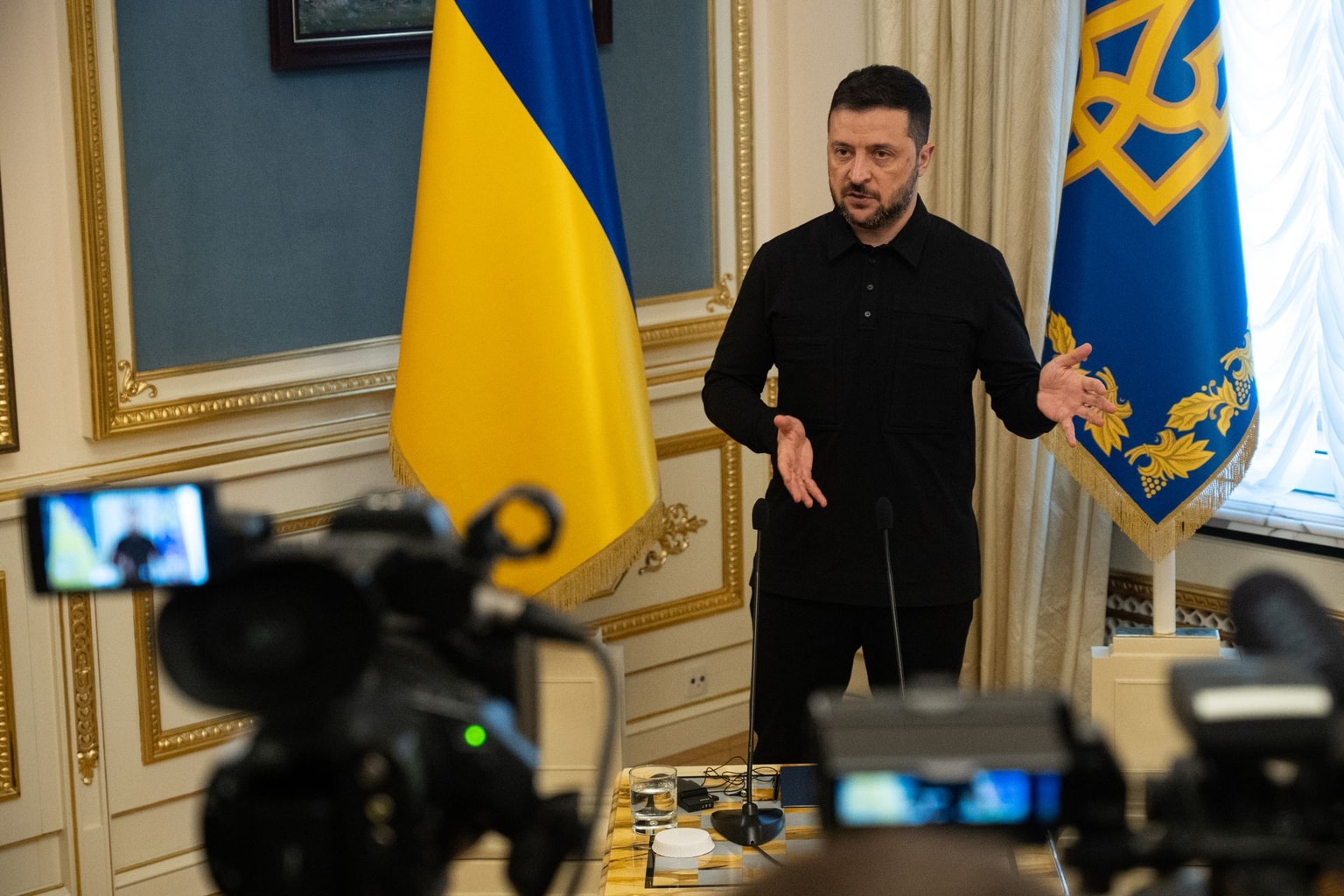
Zelensky has also addressed the concept publicly. Speaking to reporters on Feb. 6, he said Ukraine would not relinquish sovereignty under any new framework.
"This is our land. We do not recognize it as Russian, even if it is a free economic zone. Our land, if it is a free economic zone, is our people, our flag, and our control," he said.
Those concerns resurfaced during the latest round of talks on Feb. 17-18, when negotiators again failed to reach a breakthrough on territorial issues.
"We haven't found constructive solutions on territorial issues," Zelensky said on Feb. 20.
At the same time, he noted a point of agreement: all sides had accepted that the United States would take the lead in overseeing any potential ceasefire.
"If there is a ceasefire, then the Americans will be primarily responsible for monitoring it," he said. "I consider this a very important result, which our team brought back."
Zelensky also said in December that Ukraine could withdraw its troops to create a demilitarized "special economic zone" in Donbas only if Russia withdrew its troops to the same distance.