Inside Ukraine's secret drone warfare juggernaut
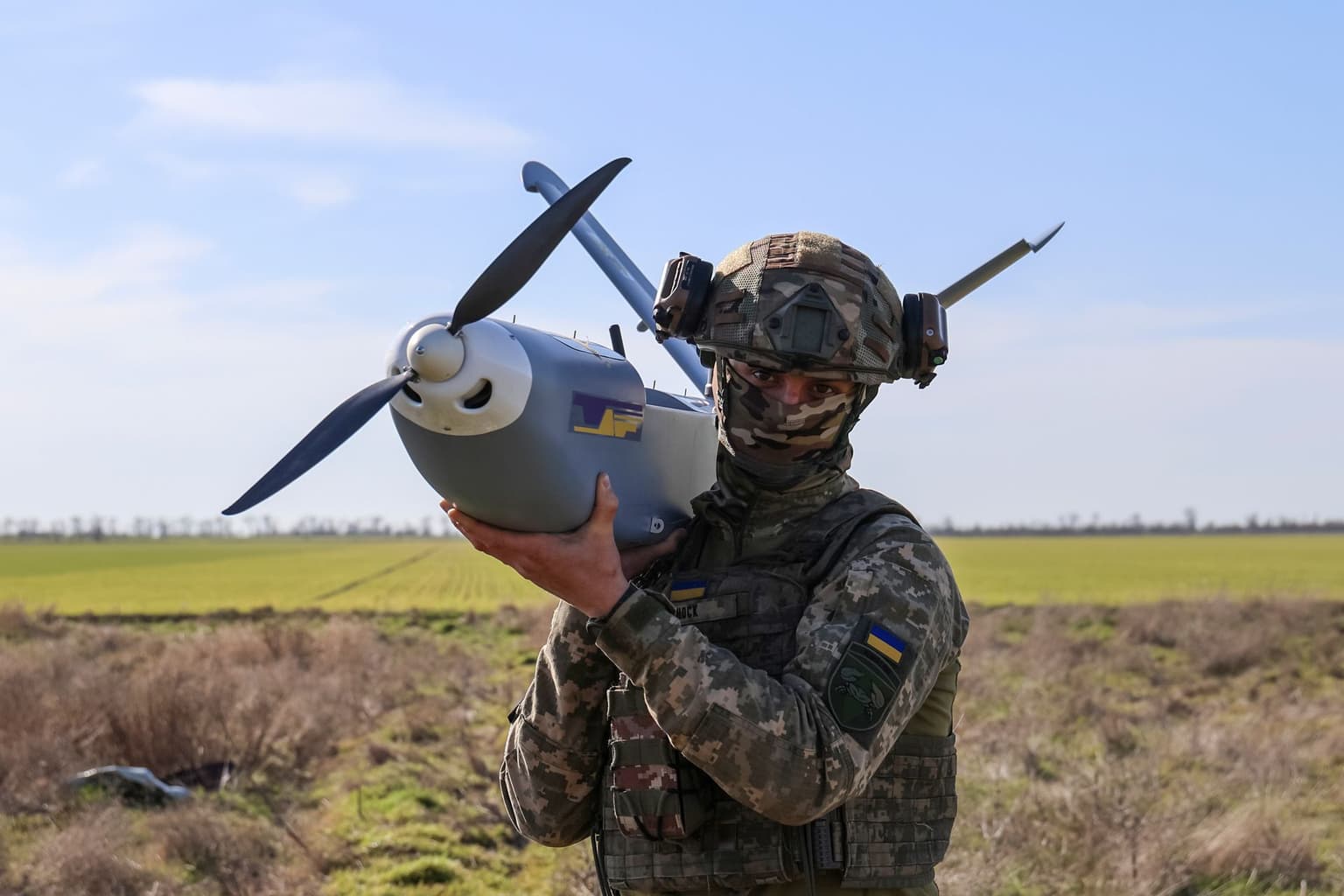
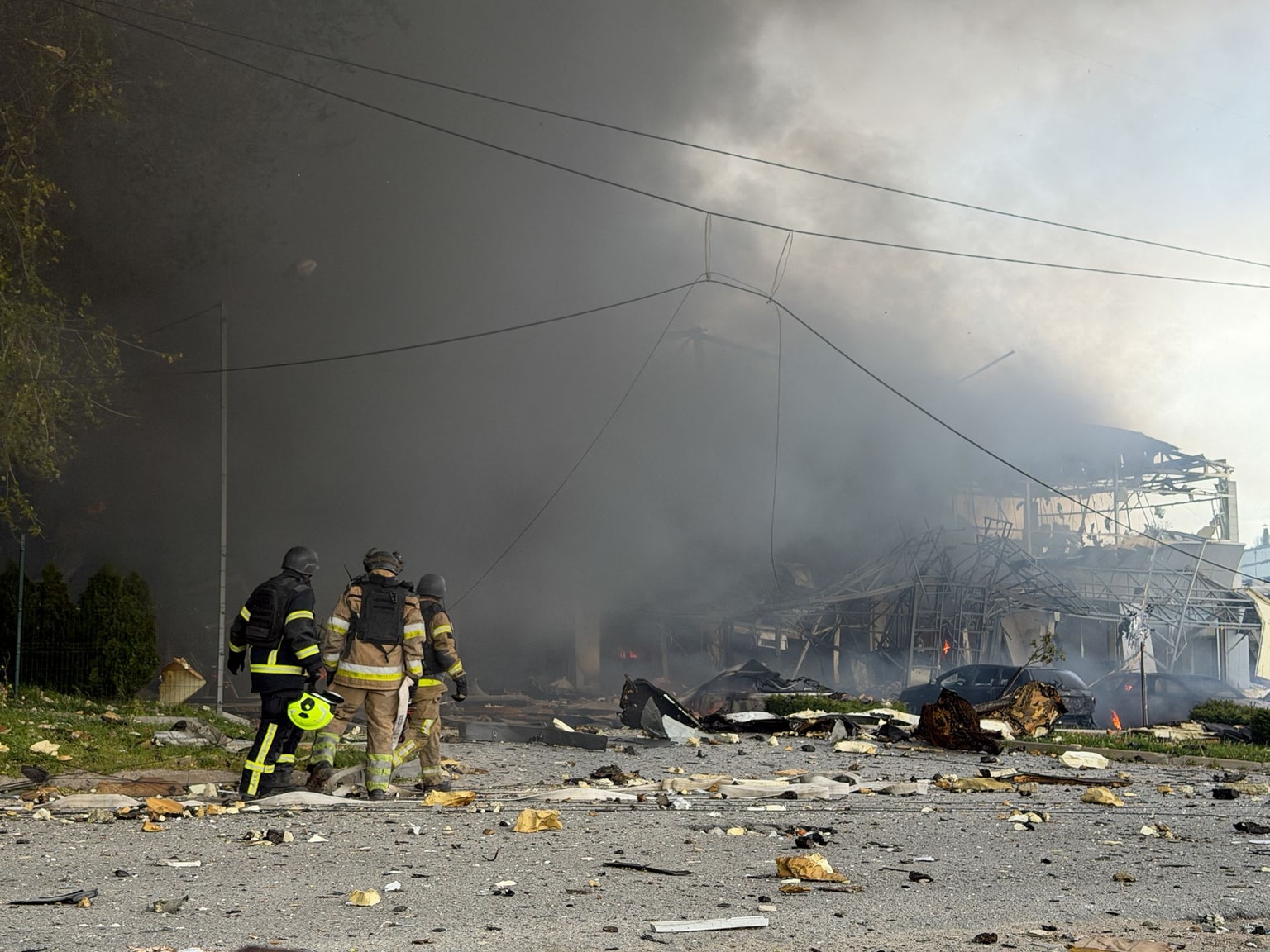
A serviceman with the call sign "Shok," from the 34th Coastal Defense Brigade, holds a GOR reconnaissance drone at a launch point in Kherson Oblast, Ukraine, on March 14, 2025. (Ivan Antypenko / Suspilne Ukraine / Global Images Ukraine / Getty Images)
 on Google
Benjamin Patton
Founder of the Patton Veterans Project and filmmaker
As the grandson of General George S. Patton, Jr. and the son of a 2-star general, I've been around soldiers for as long as I can remember. But while filming a documentary on the transcendent drone industry in Ukraine last week, I learned more about modern warfare than I ever imagined.
Not far from the front, I met a drone pilot who now analyzes lessons learned from warfare and shares them on his X account with more than 100,000 subscribers.
I interviewed a soldier who'd recently received the Hero of Ukraine award (the equivalent of our Medal of Honor), for piloting nearly 1,000 successful drone missions — at age 21.
I spoke to a drone pilot's wife who founded Dzyga's Paw, an NGO (named for their dog), which has crowdfunded more than $5 million from donors worldwide to secure drone components. Remarkably, these parts can be assembled and launched in a combat zone in less than 15 minutes — at well under $1,000 each.
Escorted in a van with blacked-out windows to a secret, underground 24/7 command-and-control complex, our team entered a bustling suite of rooms, complete with sleeping pods and wrapped by walls of LED displays that can track dozens of simultaneous drone attacks in real time. It's revelatory to behold.
Few American policymakers — let alone our allies — have an adequate understanding of the sophistication, scope, and killing power of this cutting-edge apparatus, developed in the crucible of war.
Singlehandedly, Ukraine has ushered in a revolutionary new era of air, sea, and land-based warfare, which is quickly emerging as a staggeringly powerful tool of armed combat. Underlying this is a fabric of fellowship and support that binds the military and civilian communities together.
It's like nothing we've seen since perhaps the American Revolutionary War, when spouses trailed their beloved soldiers across the country from battle to battle, providing goods like soup and coffee, washing clothes, and sewing uniforms.
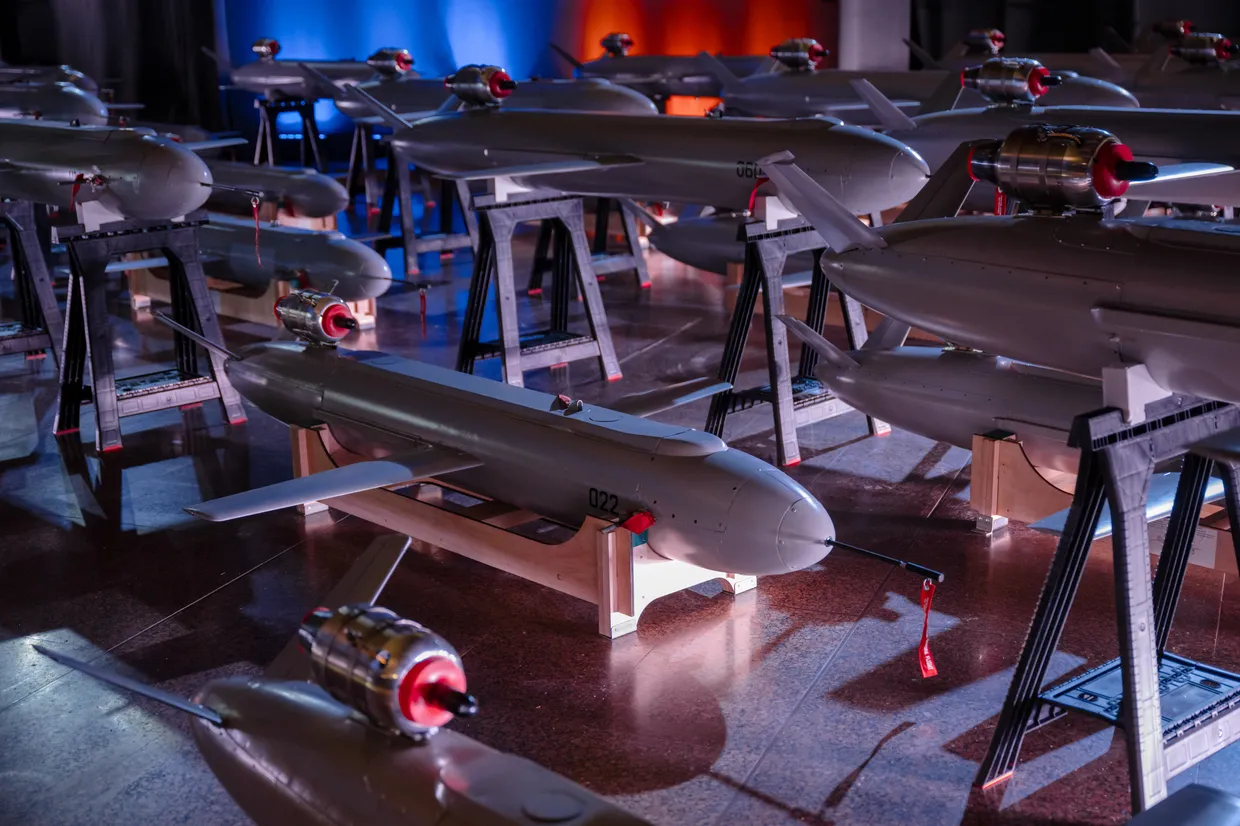
This year, Ukraine plans to design and build as many as 7 million drones (a whopping 19,000 a day) blanketing sea, land, and sky throughout the country.
These include high-flying reconnaissance drones that scan the countryside identifying military targets; kinetic drones that detonate on impact, "deleting" unsuspecting enemy combatants in an instant; and armor-piercing "shaped" drones that divebomb enemy tanks, rocket launchers, concealed bunkers, and ships with devastating accuracy.
Recently, an Army commander told me of one mission in which a single $500 Ukrainian drone destroyed a $25-million-dollar Russian air defense system: that's a 50,000x cost disparity.
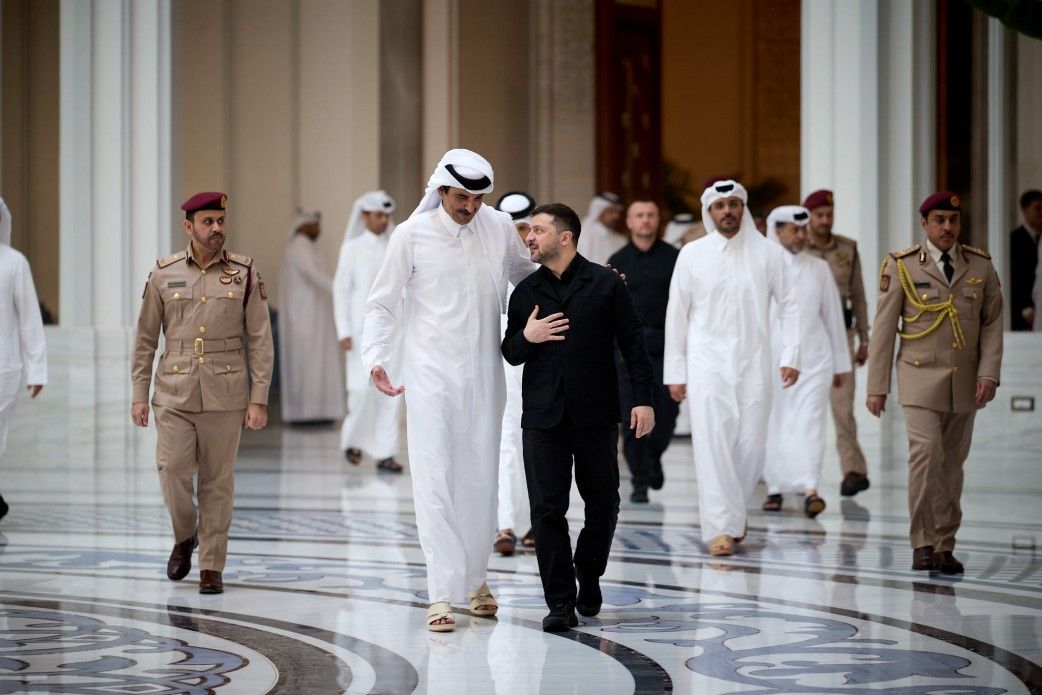
For proof of the value of Ukraine's drones, one only needs to listen to President Volodymyr Zelensky's announcement last week that he has agreed to furnish its Gulf allies with up to 1,000 drones a day, along with pilots and training.
It is astounding to behold this seamless system in action, with technicians well behind the frontlines carefully selecting their targets so as not to risk hitting civilians. All of this is executed by military personnel, young and old, often with that cocky yet serious smile so typical of soldiers under stress.
While crisscrossing the country in relative safety (despite my phone lighting up constantly with missile alerts), we interviewed both senior commanders and enlisted personnel.
Almost every soldier I spoke with voiced the same fear, unprompted: that by the time this war finally ends, global access to drone technology will be so widespread that bad actors from previously unthreatening countries, from deranged extremists to attention-seekers, will have the ability to inflict terror and death anywhere, anytime.

These same warriors said they'd be happy to share their mastery of drone technology with like-minded nations so that, as one put it, "we can be stronger together."
Above all, they dreamed of returning to their peaceful pre-war lives with security guarantees, I believe they deserve, such as admission to the European Union and membership in NATO, which Zelensky has sought for years. If only they knew how much value Ukraine could provide.
When I was a kid, my family spent summers traversing the world's battlefields. On those occasions, my dad would often remind me of the advice his father had given him at my age: "It is the unconquerable nature of man and not the nature of the weapon he uses that ensures victory."
In my two weeks in Ukraine, I saw both.
The United States and its allies must keep a collective eye on what is truly important.
First, we need to accept the fact that modern warfare is changing before our eyes. By preening over our sexy, high-priced Patriot missiles and Star Wars laser defense systems, we are missing the forest for the trees — and risking the lives of our beloved servicemen and women in the process.
Equally important, we need to see the Russian invasion of Ukraine through an entirely different lens. Ukraine is not some rescued animal we're not sure we want to keep. Rather, it should be seen as a partner engaged in a morally just cause — not unlike our own existential struggle for independence from a ruthless aggressor some 250 years ago.
There is a great deal to learn from the example of Ukraine. A courageous people — young and old, military and civilian — binding together rather than allowing themselves to be pulled apart. For centuries, America has served as a beacon of freedom and democratic values for so many others. Now it is our turn to look, listen, and learn.
It is not too late — but it will be soon enough.
Editor's note: The opinions expressed in the op-ed section are those of the authors and do not purport to reflect the views of the Kyiv Independent.
read also
 Dominic Culverwell
 Dmytro Basmat
 Chris York