India's largest oil refiner reportedly buys Russian crude from non-sanctioned entities
 on Google
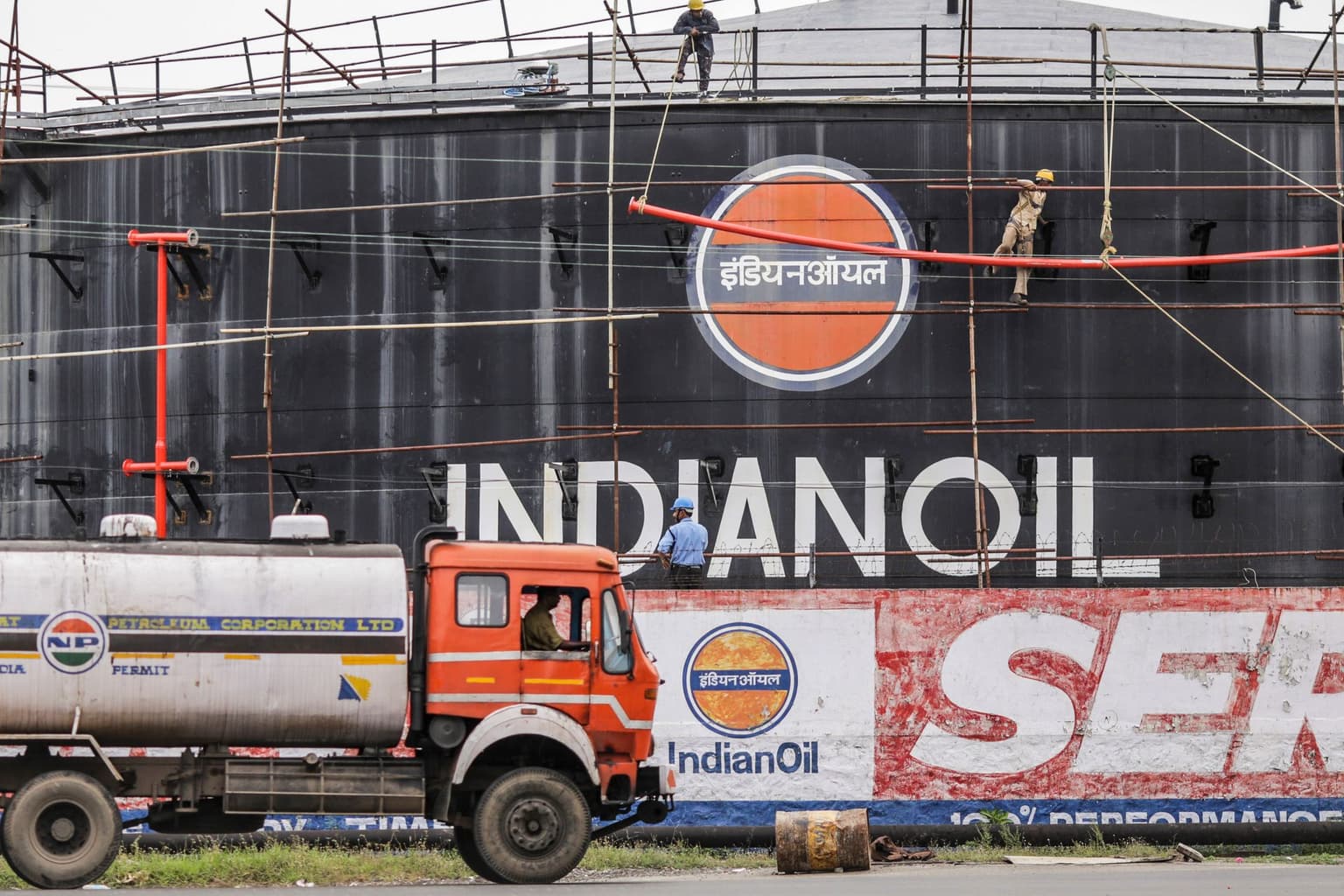
India's largest oil refiner, Indian Oil Corp. (IOC), purchased five batches of Russian oil for delivery in December from companies not subject to sanctions, Reuters reported on Oct. 31.
The purchases demonstrate how Indian refiners are adapting to new U.S. sanctions while maintaining access to Russian crude, seeking alternative suppliers to avoid penalties.
New U.S. restrictions announced on Oct. 22 target Russia's two largest oil firms, Rosneft and Lukoil, along with their subsidiaries. The measures pave the way for secondary sanctions against foreign institutions that handle transactions with those on the blacklist.
According to Reuters, IOC purchased about 3.5 million barrels of premium ESPO oil at a price close to Dubai quotes for delivery to a port in eastern India in December.
The agency's sources did not reveal who the seller was.
Two sources told Reuters that after the U.S. announced the new restrictions, IOC canceled seven or eight shipments of Russian oil because their suppliers were subsidiaries subject to the restrictions.
Indian state-owned refining companies had earlier decided to check documents on Russian oil trade to ensure they were not purchasing fuel directly from Rosneft and Lukoil.
From Dec. 5, 2022, until the end of September 2025, China bought 47% of Russia's crude exports, followed by India with 38%, according to the Center for Research on Energy and Clean Air.

Reuters also reported on Oct. 31 that the Russian-controlled Indian oil refinery Nayara Energy has also increased oil processing at its Vadinar plant to 90-93% of capacity following sanctions
The company has come under pressure since the EU adopted its 18th sanctions package on July 18, targeting Russia's energy sector and, for the first time, a Rosneft-linked Indian refinery.
Before the sanctions were imposed, the Nayara refinery was operating at 104% of capacity. The majority owner of Nayara is Russian companies, particularly Rosneft, which owns 49.13% of shares.
According to Reuters sources, Nayara's oil refining volumes have recently recovered as the company has increased domestic fuel sales, including supplies to state-owned oil refiner Hindustan Petroleum Corp.
According to Bloomberg, citing unnamed executives at Indian oil companies, India's biggest refineries were expected to reduce purchases from Rosneft and Lukoil to virtually zero after the U.S. sanctions.