IMF spring meetings: What to watch on Ukraine funding
 on Google
Economic policymakers from around the world will gather in Washington, D.C. this week to talk about the global economy — one facing wars, rising protectionism, and the risk of the most severe energy crisis in a generation.
Finance ministers, central bank governors, and heads of state will attend the International Monetary Fund and World Bank’s spring meetings on April 13–18, held each year.
Ukraine will send a high-level delegation, including Prime Minister Yulia Svyrydenko, Central Bank Governor Andriy Pyshnyy, and Finance Minister Serhii Marchenko.
The week is packed with conferences, high-level talks, and side events, offering a one-stop shop for officials to discuss cooperation and global economic issues with international partners and private investors.
Ukraine will also meet with the fund itself, which signed off on a new $8.1 billion four-year loan to Kyiv in February 2026.
The Washington-based lender’s approval of the program is a win for Kyiv. IMF programs can have a cascading effect — reassuring other lenders to the country, now in its fifth year of fighting Russia’s full-scale invasion.
But Ukraine has been slow to implement several of the conditions that it signed up for as part of the agreement, potentially threatening future payments from the fund.
Ukraine’s parliament, the Verkhovna Rada, passed just one of four new taxes required by the IMF in a plenary session last week, despite a March 31 deadline. Failure to progress could jeopardize the next tranche of the program, $685 million, which is scheduled for June.
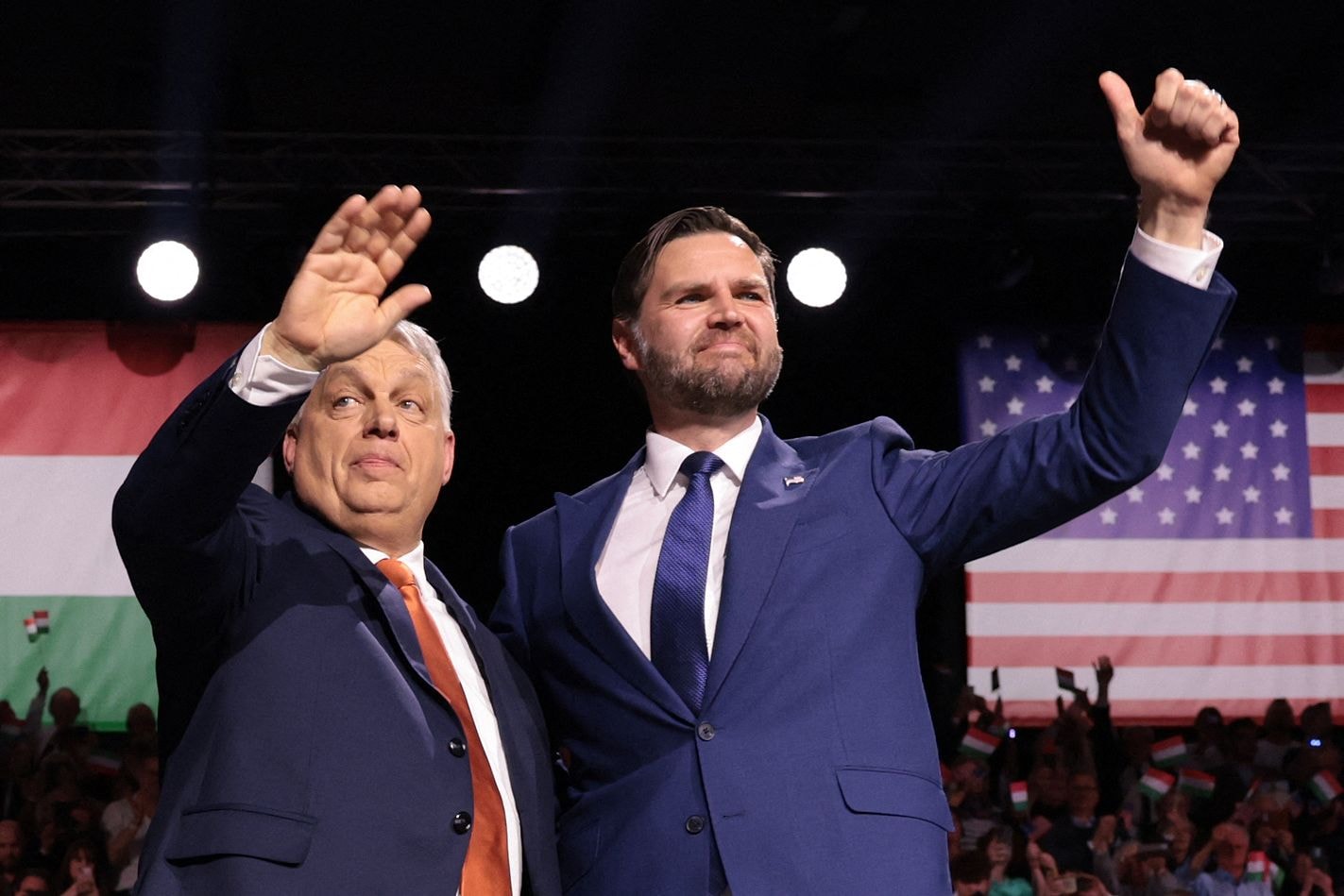
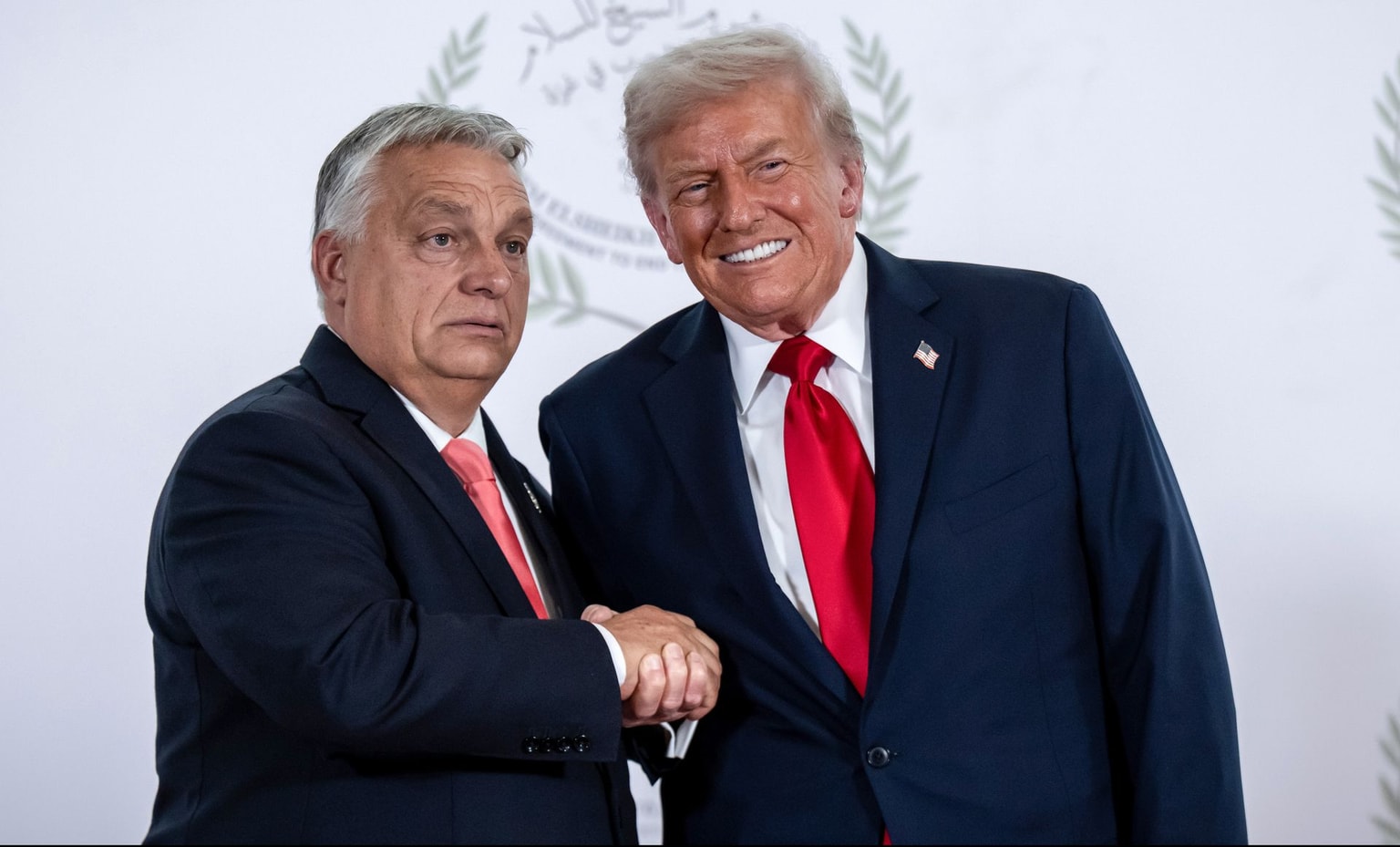
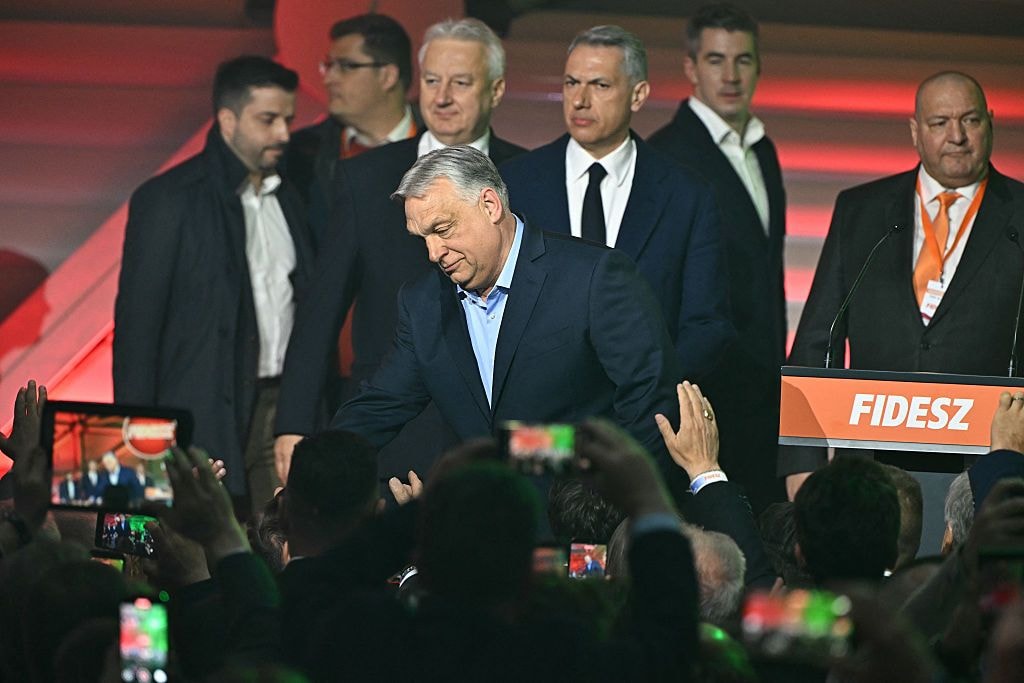
The funds are all the more precious for Kyiv, which is hurtling towards a gaping hole in its finances. Despite agreeing to a 90-billion-euro ($105 billion) EU loan to Kyiv at a key summit in December last year, Hungarian Prime Minister Viktor Orban U-turned and blocked it, ostensibly over a dispute related to the Soviet-era Druzhba oil pipeline.
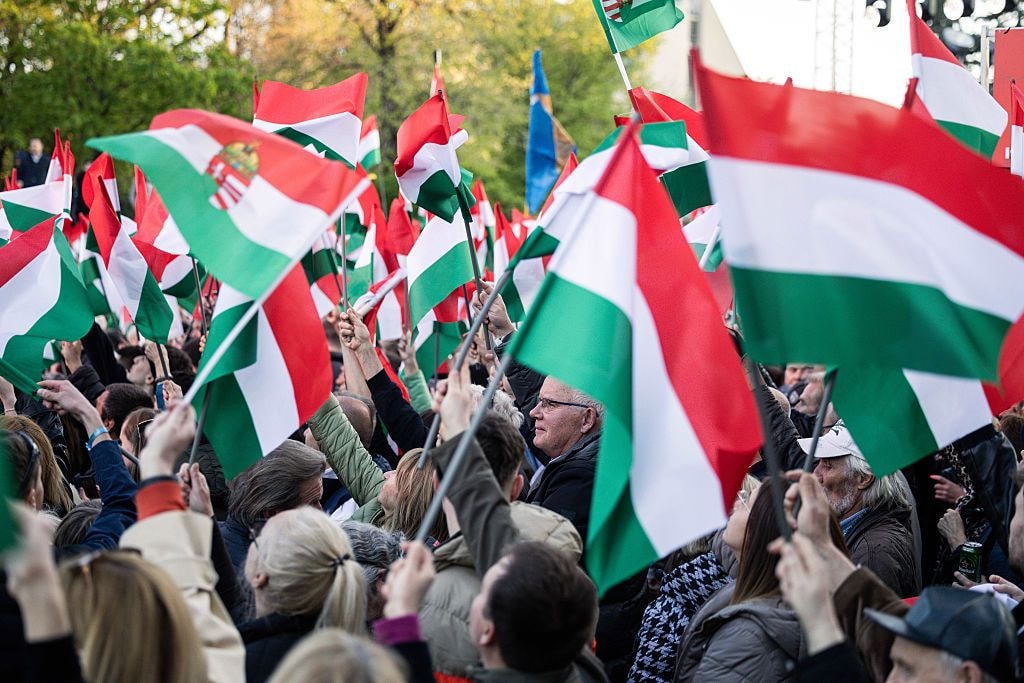
Peter Maygar, who won parliamentary elections in Hungary on April 12, has said that he will unblock the funds. But the transfer of power in Hungary could still take weeks.
Ukraine relies on foreign cash to keep its finances afloat, and could be forced to make difficult spending decisions if funds don’t arrive by mid-summer.
Days after the parliament passed the IMF tax, Svyrydenko announced on April 10 that the finance ministry had selected a candidate to lead Ukraine’s customs service, a long-stalled IMF demand.


Kyiv could be hoping to use last week’s progress as a bargaining chip to water down the remaining conditions of the program.
Ukrainian lawmakers, speaking to the Kyiv Independent on condition of anonymity, said that they expect the Ukrainian delegation to try and renegotiate one of the most contentious demands of the program — a new VAT tax on self-employed contractors, an employment status widely used in the country. The proposed tax is unpopular in Ukraine.
Ukraine has also not yet fully implemented the reforms required for a new $3.35 billion loan from the World Bank, and has missed deadlines on a long list of reforms tied to funding from the European Union — all of which is likely to be discussed during meetings this week.
The Ukrainian delegation will also likely meet with key partners from the private sector, including bond investors and those interested in an eventual reconstruction.
Beyond Ukraine, economic policymakers will take stock of current global economic challenges. The IMF will publish its bi-annual flagship report on the outlook for the world’s economy on April 14.

That outlook will be shrouded in uncertainty, as a resolution to the war in the Middle East evades. In response to U.S.-Israeli strikes since Feb. 28, Iran has essentially shut the Strait of Hormuz, a key artery for global oil and gas flows, to a large share of sea traffic.
Energy prices have surged, with parts of Asia already introducing energy rationing, and European countries warning that fuel shortages are looming.
And U.S. President Donald Trump's move to block the Strait after talks with Iran broke down over the weekend could likely squeeze crude supplies even further and inflict more pain on the global economy.
The wider implications of more global conflicts will also be on the agenda. In a short blog published on April 8, the IMF said that rising spending on defense could lead to difficult decisions down the road, and does not always lead to the levels of economic growth that leaders expect.
European countries in particular are on track to boost defense spending in response to both Russia’s full-scale invasion of Ukraine and pressure from the U.S.
The IMF and World Bank hold two meetings a year in the spring and fall, coinciding with the release of their flagship report.