How Russia games Interpol to target Ukrainians
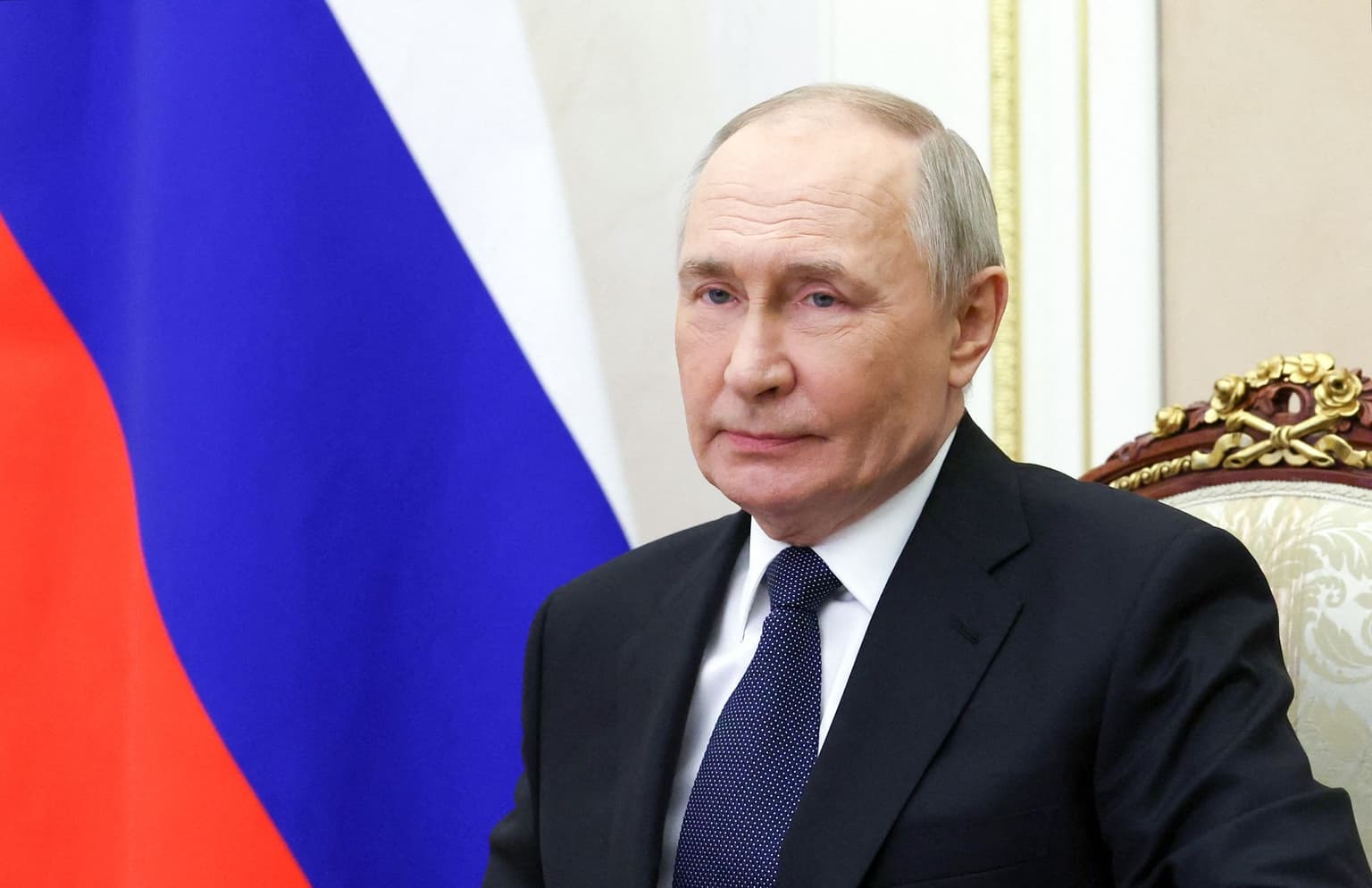
Russian President Vladimir Putin at the Kremlin in Moscow, Russia, on March 28, 2025. (Sergei Ilyin / Pool / AFP via Getty Images)
 on Google
Rhys Davies
Barrister at Temple Garden Chambers
For over a century, Interpol has served as a valuable tool for law enforcement agencies. Not as a world police force, as Hollywood would have it, but more of a vast communications hub linking national agencies into a single, if fragile, response to cross-border crime.
Perhaps the most significant tool at Interpol's disposal is its Red Notice system. Designed to help track serious criminals across borders, it has been quietly absorbed into the modern autocrat's playbook. Red Notices are now routinely repurposed as a standard move for pursuing dissidents abroad, allowing repression to be exported under the cover of international cooperation.
Russia has become one of the most practiced users of this tactic.
A recent BBC investigation shed light on this murky world of abuse. We advised reporters throughout the process, which found that Putin's Russia had been misusing the wanted lists to target politicians, journalists, and businessmen for years, many of them Ukrainian nationals.
Of course, none of this is new. Over the past decade, at least 700 Russian Red Notices have been challenged, with some 400 ultimately struck down by Interpol's own watchdog. Even so, these figures still understate the true scale of the problem.
Interpol fails to properly engage with swathes of Russian Red Notices unless a defendant can prove the Red Notice is politically motivated.
If an individual is at risk of being subject to an unfair trial, persecution, or inhumane prison conditions? Good luck: it remains exceptionally difficult to prove. Despite the widespread use of torture, the attacks on journalists, and those who support Ukraine, Interpol prefers to let many Red Notices through.
Add to this the endemic problem of corporate raiding, reiderstvo, whereby the Russian state apparatus is weaponized to seize businesses, and the total collapse of the Russian legal system, targets of the Kremlin have limited options.
The situation has only deteriorated further, with anyone who is pro-business, pro-Ukrainian, pro-human rights, or, worst of all, anti-Putin, facing an omnipresent threat of persecution.
We have defended numerous clients against the long arm of the Russian state. One, a high-profile Ukrainian, has been repeatedly arrested on a Russian Red Notice. It is clear that the timing of the Red Notice is linked to his involvement in the Ukrainian war effort, albeit Russia claims it relates to a historical criminal offense.
All the evidence points to the fact that it was, in fact, a civil case, not a criminal one. Interpol has been taking well over a year to even consider that case and make a decision.
Seen in this context, the recent investigation is all the more troubling. Under Jurgen Stock, the last Secretary General, we had heard that they were trying to clean up their act. But the partial lifting of the special measures imposed on Russia, which curtail a country's ability to use Red Notices, points to a worrying backsliding on Interpol's principles.

Sadly, we do not see any major change in Interpol's behavior on the horizon. It does not want to interfere in any Russian Red Notices, for fear of taking sides in the war. This has paralyzed their decision-making process and prevented them from making effective, dispassionate assessments about the legitimacy of Russian Red Notices.
So, how can we fight back against Russian abuse of Interpol and its Red Notice system? Simply put, Interpol must implement full-scale reforms.
Interpol currently gets through cases at a glacial pace. This means that false flags loom over victims for painfully long periods of time, which Russia gleefully takes advantage of. Many of our clients are waiting over a year for even a hearing. Hard deadlines on casework would solve this problem overnight.
If countries are found to be significantly and persistently abusing Red Notices and diffusions, then they should be suspended from the system for a period. Given the scale of abuse by Russia, full special measures must be reinstated with immediate effect.
And finally, given the well-documented pattern of abuse, Interpol should urgently review all active Russian Red Notices, not just those challenged. Many do not have the resources to fight back. A review of active Red Notices would offer welcome relief.
All this would represent some progress towards cleaning up Russian manipulation of Interpol. This will not only benefit Ukrainian nationals but also the thousands of political activists, businessmen, and journalists targeted by repressive regimes worldwide.
The gaming of the system goes far beyond Russia, with Turkey, Belarus, Tajikistan, and China standing as repeat offenders, just to name a few.
As with so much, Russian aggression against Ukrainians is a test of our values in the free world. Which side will Interpol choose?
Editor's note: The opinions expressed in the op-ed section are those of the authors and do not purport to reflect the views of the Kyiv Independent.
read also
 Jared Goyette
 Kollen Post
 Tim Zadorozhnyy