How one questionable photo fueled confusion over Russia's attack on Kyiv Lavra
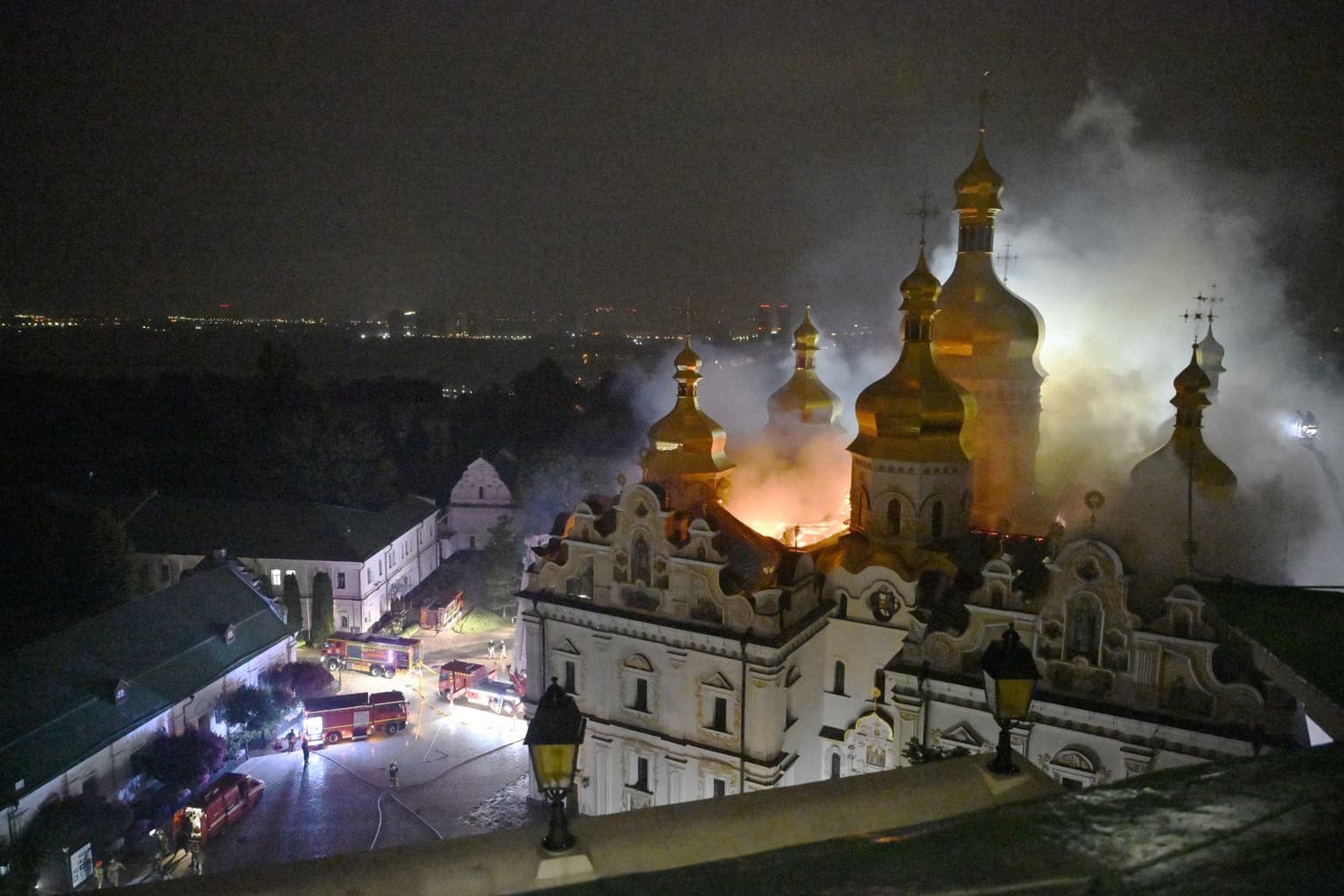
Smoke and fire rise from the Dormition Cathedral at the Kyiv Pechersk Lavra following a Russian missile strike on Kyiv, Ukraine, on June 15, 2026. (Genya Savilov / AFP / Getty Images)
 on Google
The Kyiv Independent found that a mass Meta ban on posts about the Russian attack on the Kyiv-Pechersk Lavra stemmed from two causes: one questionable photo and a technical glitch on Meta's part.
Facebook and Instagram have been restricting and labeling posts about Russia's attack on the historic Kyiv-Pechersk Lavra as containing false information, social media users and Ukrainian media, including the Kyiv Independent, report.
The Kyiv Independent's social media team was among those affected. On June 25, Instagram flagged a post showing the Lavra — one of Ukraine's most iconic religious sites — burning after Russia's mass attack on Kyiv, citing third-party fact-checkers.
The damage to the Kyiv-Pechersk Lavra occurred during Russia's mass attack on Kyiv overnight on June 15. The roof of the cathedral was struck by a Russian Shahed-type drone, one of hundreds launched at Ukraine that night.

According to the fact-check details provided by Meta, the decision appears to be linked to an Agence France-Presse (AFP) fact-check about AI-generated images of the monastery circulating online.
The AFP fact-check examined three images circulating online.
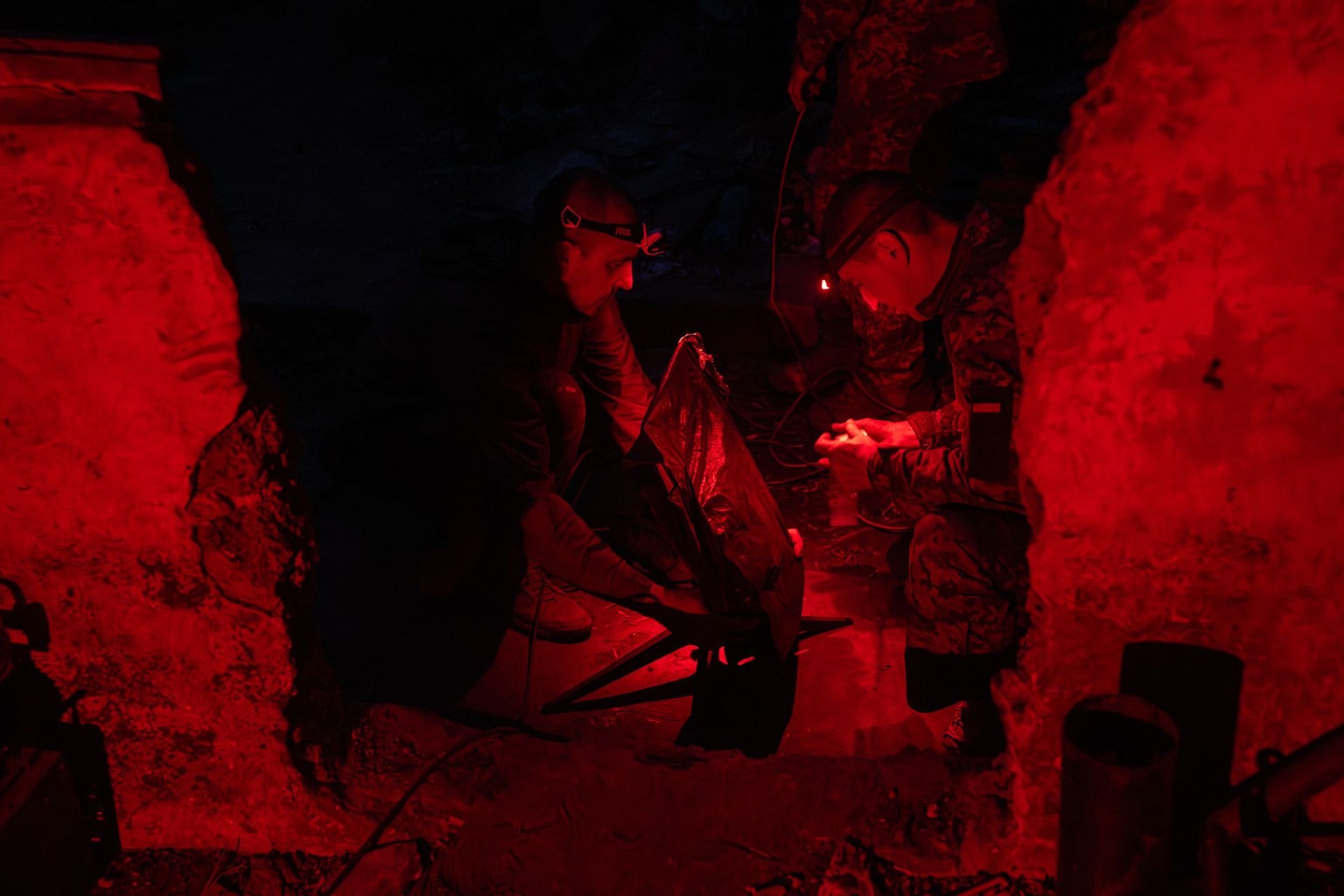
Two of them, shared by Russian propaganda channels, falsely claimed to show photographers setting up equipment outside the Kyiv-Pechersk Lavra before the attack. These images were used to promote the false narrative that Ukraine had staged the strike for propaganda purposes.
The third image included in the AFP fact-check's screenshot — the one that appeared in the Kyiv Independent's post — shows the Kyiv-Pechersk Lavra engulfed in flames at night.
According to OpenAI's image detection tools, all three images appear to contain a SynthID watermark, indicating that they may have been generated or edited using AI.
The third image, showing flames rising between the domes of the Dormition Cathedral at the Kyiv-Pechersk Lavra at night, was widely shared online alongside authentic photos of the monastery after the attack.
The image in question
Facebook and Instagram first began restricting posts containing this photo.
It was first publicly shared by Metropolitan Yevstratii Zoria, spokesperson for the autocephalous Orthodox Church of Ukraine (OCU). As one of the earliest images published during the night of the attack, it was widely republished by Ukrainian media outlets.
The image's original source, however, remains unknown.
Yevstratii told the Kyiv Independent that someone had sent him the image before he shared it as an illustration during the unfolding attack. He said he no longer remembers who sent it.
"I did not take this photo myself. I used it as an illustration after someone sent it to me. I can no longer remember who it was because, at the time, the strikes and the fire at the Lavra understandably did not allow for a calm response," he said.

Metropolitan Yevstratii also said he did not use any AI tools to generate or edit the image and was unaware that it may have been AI-generated. After learning of the issue, he removed the image from his post.
A technical error
The moderation soon expanded beyond a single image. Posts about the attack on the Kyiv-Pechersk Lavra — including those containing authentic photographs and factual information about the fire — began receiving "false information" labels on Facebook.
The labels cited the AFP fact-check, causing the posts to be ranked lower in users' feeds, excluded from recommendations, and, in some cases, stripped of monetization.
Some users raised concerns that the platform's algorithms were intentionally suppressing information about the Russian attack.
“It seems that Facebook is conducting a targeted operation to block reports about the recent Russian bombing of the Kyiv-Pechersk Lavra. Are they afraid of the spread of truth about Russian war crimes?” Serhii Shumylo, associate professor at the National Academy of Managerial Personnel of Culture and Arts, wrote on Facebook.
A Meta spokesperson told the Kyiv Independent the fact-checking ratings were wrongly applied to the content in question due to a technical error. Meta said the ratings had since been removed.
At the time of publication, the affected posts appeared to have been restored, with the false-information labels removed.
The photo's unclear origins
It remains unclear where one of the most widely shared photos of the Kyiv-Pechersk Lavra came from. The photo appears to have been generated or edited with AI, despite numerous authentic images captured at the site after the attack being available.
The Kyiv Independent found that the image was also circulated on pro-Kremlin platforms on June 15 alongside two other alleged "staging" photos. The platforms claimed it showed the result of the photographers' supposed setup.
"The third photo shows the resulting image taken by these photographers," the accompanying text said.

The Kyiv Independent could not verify the photo's origin or whether it was initially created as part of a Russian propaganda operation.
The use of AI-generated images has become a recognizable tool in Russia's modern information operations, according to Olga Yurkova, co-founder of StopFake.org, a project that trains fact-checkers worldwide to counter disinformation and propaganda.
"Typically, propagandists first establish a narrative and then create visual 'evidence' to support it, which is then amplified through Telegram channels, propaganda outlets, social media accounts, bloggers, and other platforms," Yurkova told the Kyiv Independent.
Referring to the AI-generated images of the Kyiv Pechersk Lavra, Yurkova said they appear to be an attempt to quickly create an alternative version of events and provide "visual evidence" to support the false narrative blaming Ukraine for the attack.
"For propagandists, the images don't have to be perfect. The goal is to flood the information space with visual content as quickly as possible during the first hours after an event," she said.
Disclaimer: This article was produced as part of the F.A.C.T. (Fighting Against Conspiracy and Trolls) project, funded by the European Union through HaDEA. The views expressed are those of the authors and do not necessarily reflect the views of HaDEA or the European Union. Neither HaDEA nor the EU is responsible for any use of the information contained herein.