How oil jackpot and sanctions failure are funding Russia's war
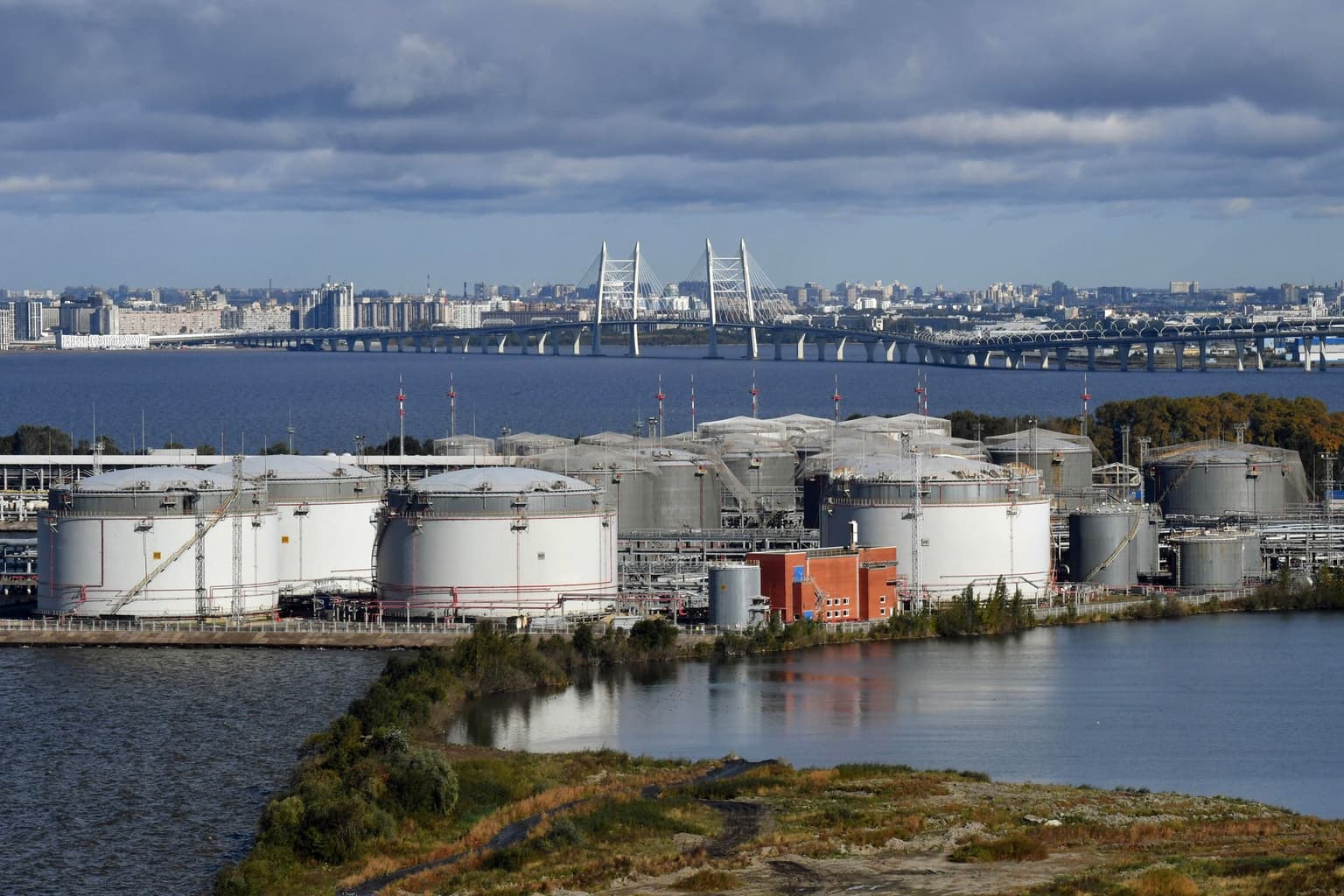
An oil terminal is pictured in the port with the Petersburg Bridge in the background in Saint Petersburg, Russia, on Sept. 26, 2025. (Olga Maltseva / AFP / Getty Images)
 on Google
Andrii Sukharyna
Head of analytics of NGO "Join Ukraine"
As recently as this January and February, Russia was going through its worst fiscal period since the start of the full-scale invasion of Ukraine.
Oil and gas budget revenues had fallen by 50% year-on-year, and the deficit for the first two months reached $42 billion. The government was preparing to slash non-military spending by 10%. It seemed like sanctions were finally working.
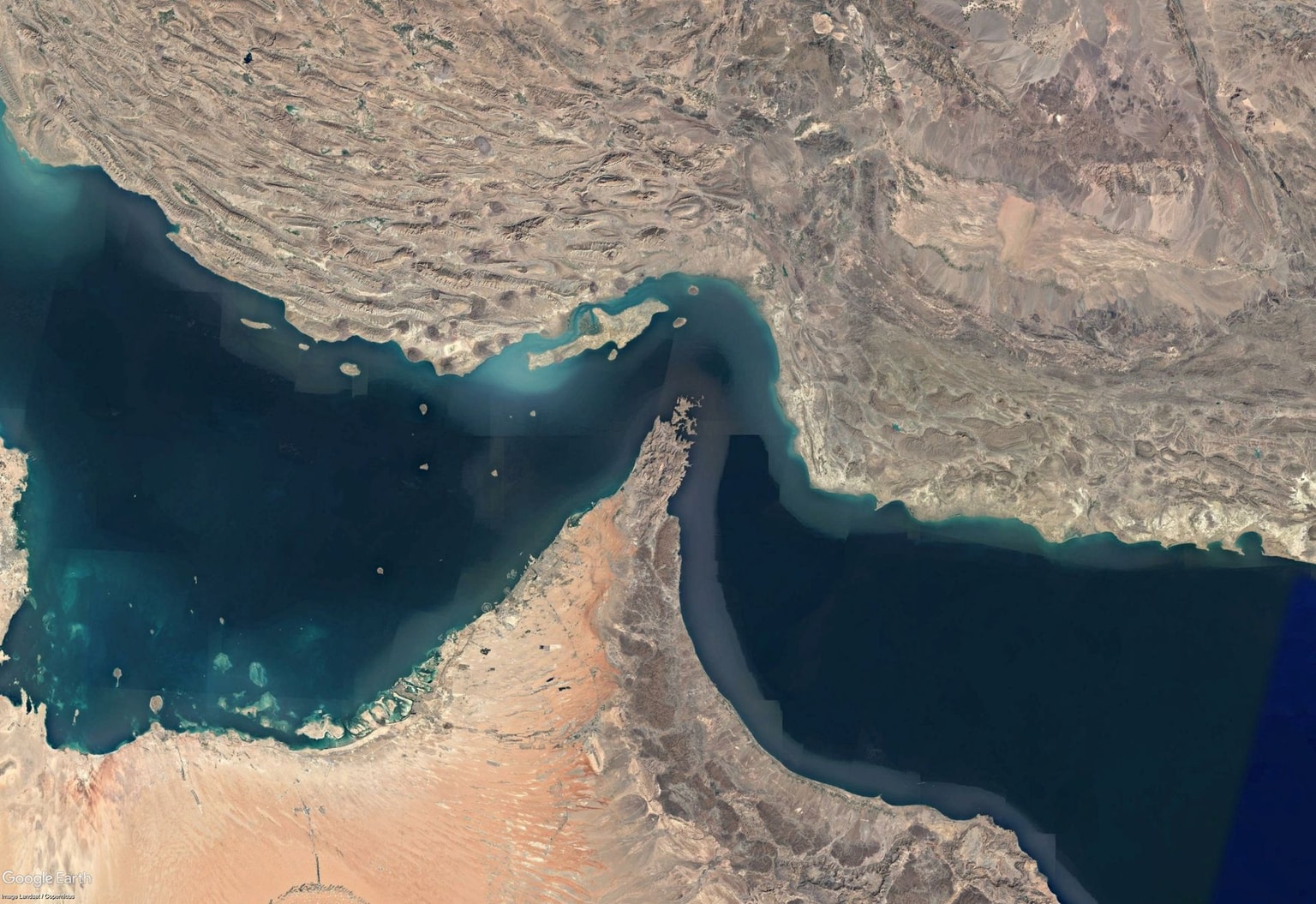
Then this happened: the United States struck Iran, and the Strait of Hormuz — through which one-fifth of the world's oil passes (and over 30% if you count seaborne transportation alone) — was shut down.
Almost simultaneously, the Trump administration issued a waiver allowing India to legally purchase Russian oil. As a result, Russia's average daily oil export revenues doubled — from $135 million in January to $270 million in March. The Kremlin scrapped its planned budget cuts and continued funding the war as if nothing had happened.
In the words of a Kremlin insider quoted by The Guardian: "For our budget, the attack on Iran is a big plus." A rather candid admission.
Brent surged from $60 per barrel in February to over $112 in March. Urals jumped to $102 on the spot market. For comparison, the G7 and EU price cap at the time stood at $44. Russia was selling oil at 2.3 times the "maximum allowed" price under the sanctions framework.
On March 5, OFAC issued a waiver for India. On March 12, it was extended until April 11. Indian refineries purchased approximately 60 million barrels. U.S. Treasury Secretary Scott Bessent estimated Russia's additional revenue at "no more than $2 billion."
Zelensky, in turn, cited a figure five times larger — $10 billion. We don't know the exact number, but in light of recent developments, the more pessimistic estimates appear better justified.
The EU and the UK refused to ease sanctions. Ukraine appreciates that. However, the strategic divergence between Europe and Washington is a gift to Russian propagandists, who rush to declare that even America has acknowledged that the world needs Russian oil.
Analysts calculated that if prices hold, annual oil and gas revenues will reach $180 billion — three times what the Kremlin was earning in the winter of 2025–2026, and nearly double the total for 2025 as a whole.
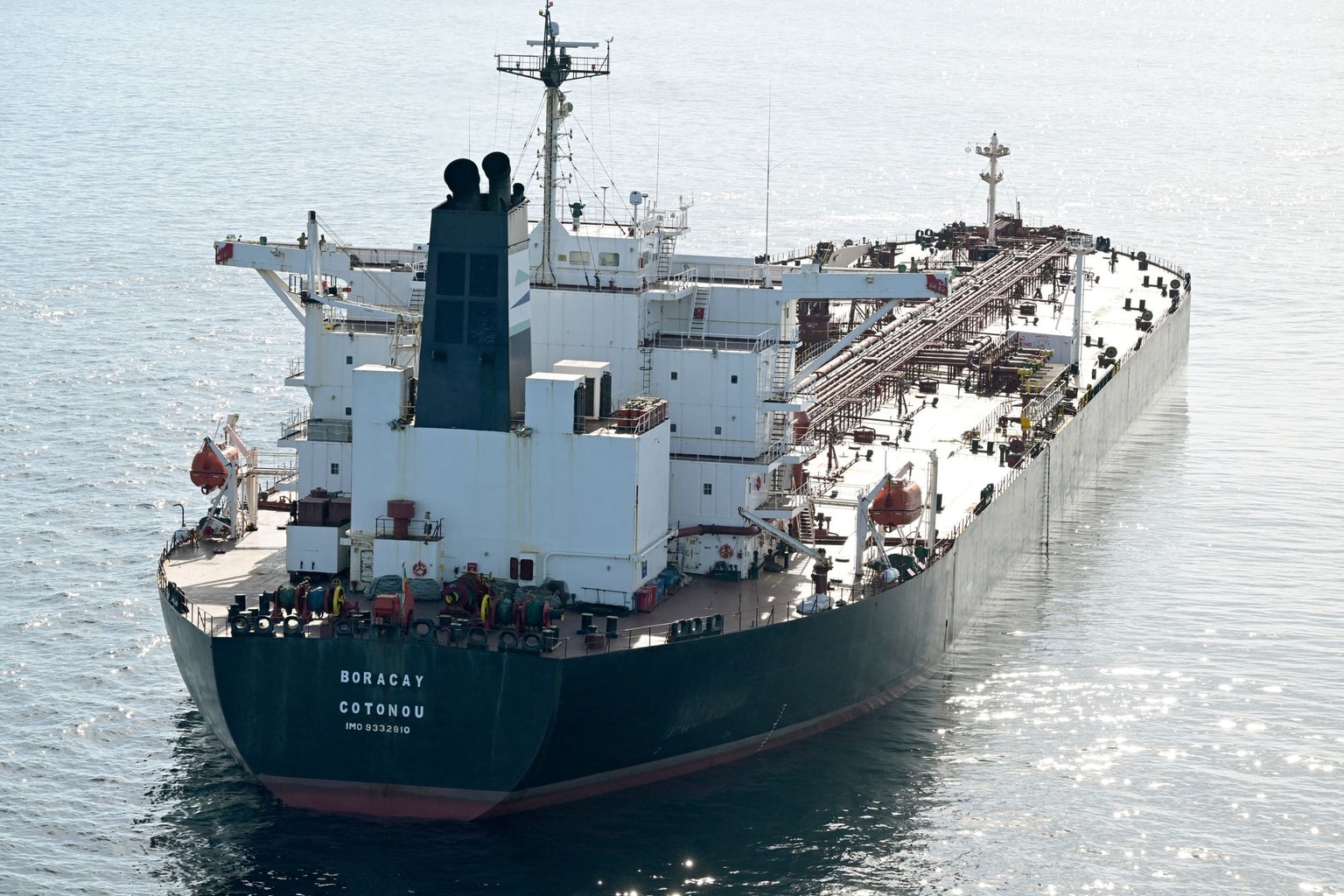
The G7 price cap was built on the assumption that the West controls maritime insurance and shipping. But Russia invested in a shadow fleet: around 350 vessels in the shadow fleet carry 56% of the volume. 67% of all Russian crude oil is shipped outside G7 jurisdiction.
An academic study based on 25,399 cargo records states that the cap was never a real constraint. The EU understands this and is already considering a shift to a full ban. Something that should have been done back in 2023, but wasn't.
The oil windfall allows the Kremlin to avoid what it fears most: a general mobilization, or — even more terrifying for Putin — abandoning plans to seize Ukraine.
Instead of conscription, Russia now operates a system of financial incentives: regions compete to offer the highest signing bonuses for Defense Ministry contracts.
In late 2025, the vast majority of regions slashed these bonuses dramatically — they simply couldn't afford them. But the Kremlin pushed back, and regions began restoring the payments.
St. Petersburg leads with 4.5 million rubles ($55,000). Khanty-Mansi Autonomous Okrug offers 4.1 million ($51,000). Another 23 regions offer over two million (about $24,000).
For poorer regions, this bidding war is a disaster. In Mari El, recruitment payments consume 10% of the budget — the same number as the entire public healthcare system. But Moscow doesn't care: as long as oil transfers keep flowing, the regions will pay and stay silent.
Can anything be done about this? Probably yes, but it will be difficult.
First, we need to honestly acknowledge that the price cap is dead. As already mentioned, the EU is "considering" more effective alternatives. But "considering" is the EU's favorite sport.
We appreciate Europe's efforts, but key decisions tend to come a little later than the moment they are urgently needed. Europe can act without Washington, as it has demonstrated admirably. Detaining shadow-fleet tankers, conducting inspections in straits, and banning passage for vessels without documentation — these are technically feasible steps that would sharply raise the cost of circumventing sanctions, but they are slow to implement.
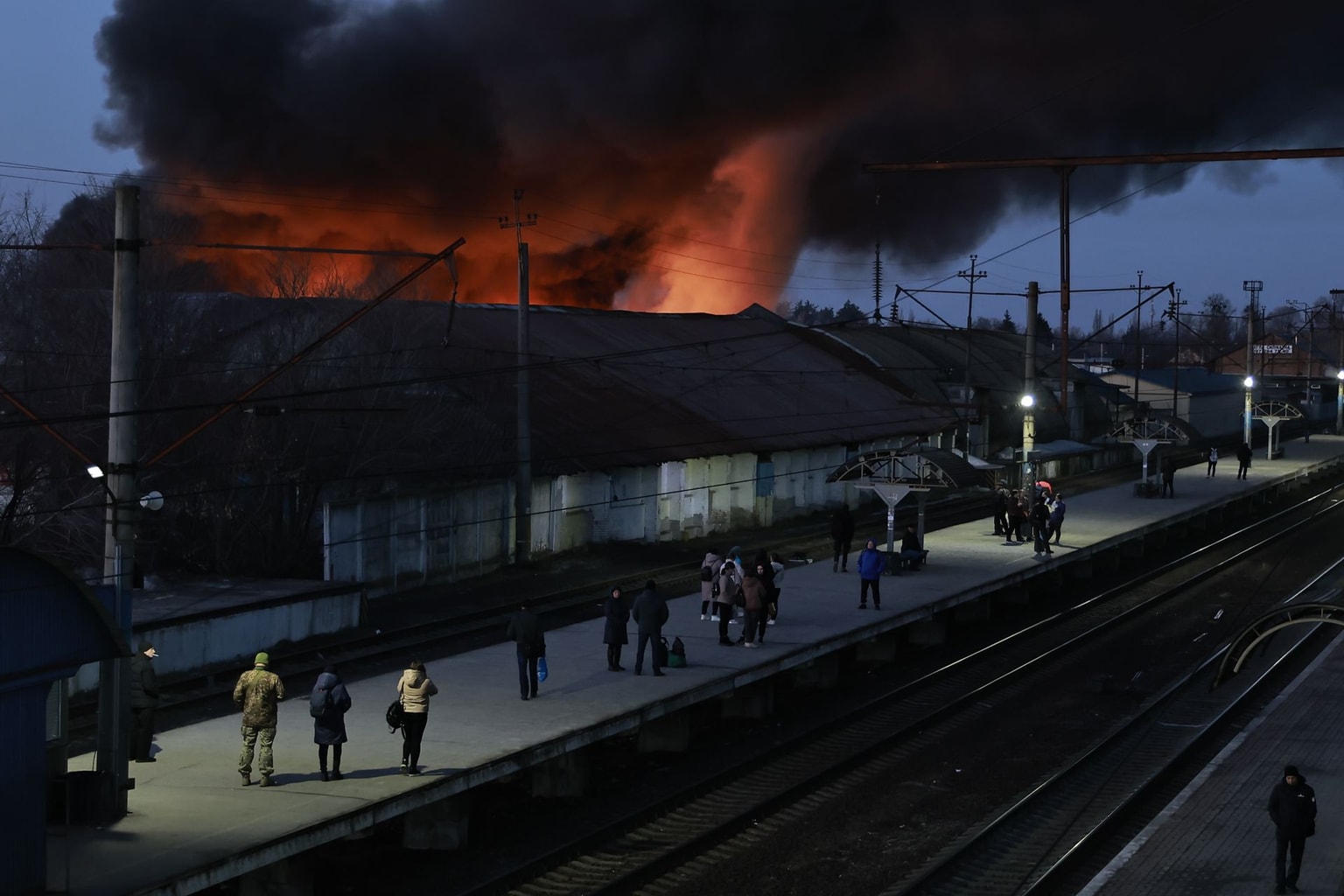
Ukraine, for its part, must continue strikes on Russia's oil refining and port infrastructure. From March 22 to 31, Ust-Luga was hit five times in ten days, after which it suspended oil and petroleum product shipments.


The port, with a capacity of approximately 700,000 barrels per day, is one of the key nodes for Baltic oil exports. Other facilities were struck in parallel. As a result of these strikes, at least 40% of Russia's oil export capacity has been knocked out — the largest disruption of oil shipments in the country's modern history, and it coincided with the moment when prices exceeded $100 per barrel due to the Iran war.
On the night of April 6, Ukraine struck the oil terminal in Novorossiysk, prompting Russia's Defense Ministry to accuse Kyiv of "destabilizing global energy markets," effectively confirming that the strikes are hitting where it hurts.
But the problem isn't only high oil prices. Zelensky confirmed that some partners have already sent Kyiv signals questioning the strikes, because they coincided with the Iran crisis and strained already tense oil markets. In other words, Ukraine is simultaneously trying to cut off additional funding for Russia's war machine while facing diplomatic pressure from its allies.
Unfortunately, Russia has simply been allowed to earn more. $270 million a day from oil enables the recruitment of more fortune-seekers for the war and keeps the economy afloat.
We failed to respond in time to Russia's shadow fleet, which now enables sanctions evasion, but we cannot allow expensive oil to dismantle the entire pressure campaign that the developed world has built over four years — one that had nearly cornered Russia's war economy.
Editor's note: The opinions expressed in the op-ed section are those of the authors and do not purport to reflect the views of the Kyiv Independent.