G7 discusses slashing Russian oil price cap, complete ban, Bloomberg reports
 on Google
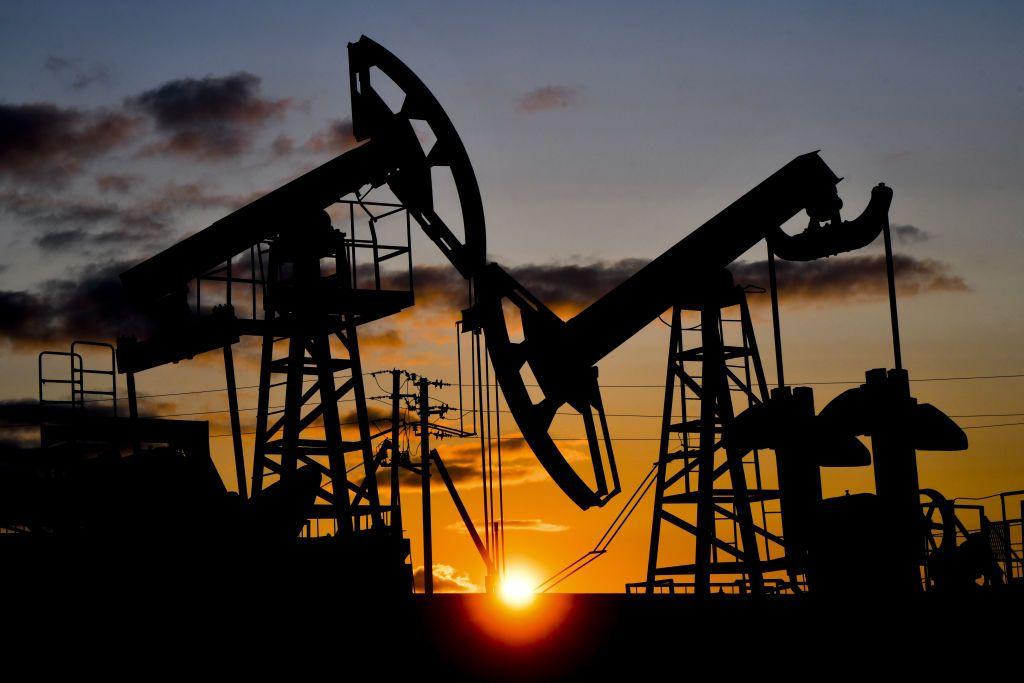
The G7 countries are considering tightening the price cap on Russian oil, Bloomberg reported on Dec. 19, citing its sources.
The move comes as Russia's fossil fuel industry remains a primary source of funding for its war against Ukraine.
Discussions reportedly include lowering the current $60-per-barrel cap to approximately $40 or even implementing a complete ban on Russian oil supplies. While talks are ongoing, no consensus has been reached, according to Bloomberg's sources.
Under the existing terms of the price cap, Western operators are permitted to insure and transport Russian oil only if it is sold below the established threshold.
The G7 aims to strike a balance between limiting Russia's revenues and mitigating potential impacts on global oil markets and maritime security.
The cap was originally implemented to curtail Moscow's oil profits while avoiding a surge in global oil prices. With oil prices softening amid projections of a global surplus in 2025, the G7 appears more willing to consider aggressive measures.
Ukraine has also targeted Russia's oil infrastructure through drone strikes, further disrupting production.
Several Russian refineries, including those in Tuapse, Ilyich, and Novoshakhtinsk, have reduced or suspended operations due to the combined impact of sanctions and Ukrainian attacks.
The sector has been forced to sell fuel at a discount and operate under high interest rates, adding strain to its operations.