EU imposes new sanctions on Belarusian officials and companies supporting Lukashenko regime
 on Google
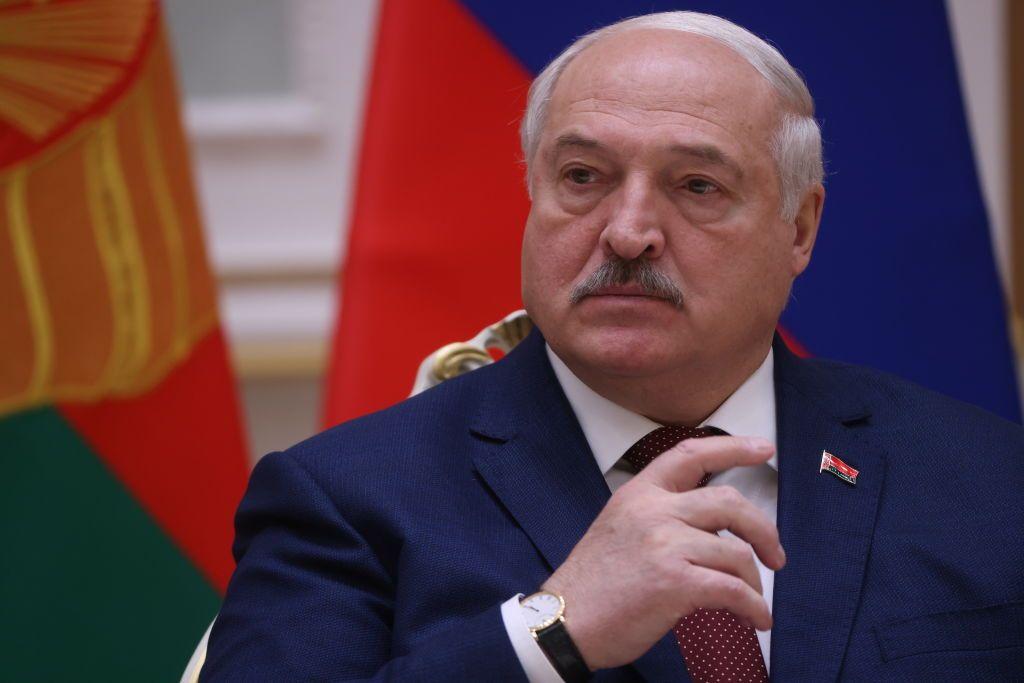
On Dec. 16, the Council of the EU adopted restrictive measures against 26 individuals and two companies linked to the regime of Belarusian dictator Alexander Lukashenko.
The sanctions target judges who sentenced opposition figures, law enforcement officials involved in persecuting dissidents, and heads of penitentiaries where political prisoners are held.
Additionally, the measures apply to individuals and companies benefiting from privileges under Lukashenko’s regime and involved in circumventing existing European sanctions.
Among the sanctioned entities are Belarusian companies Vlate Logistik and Ruzekspeditsiya, along with their owners and co-owners.
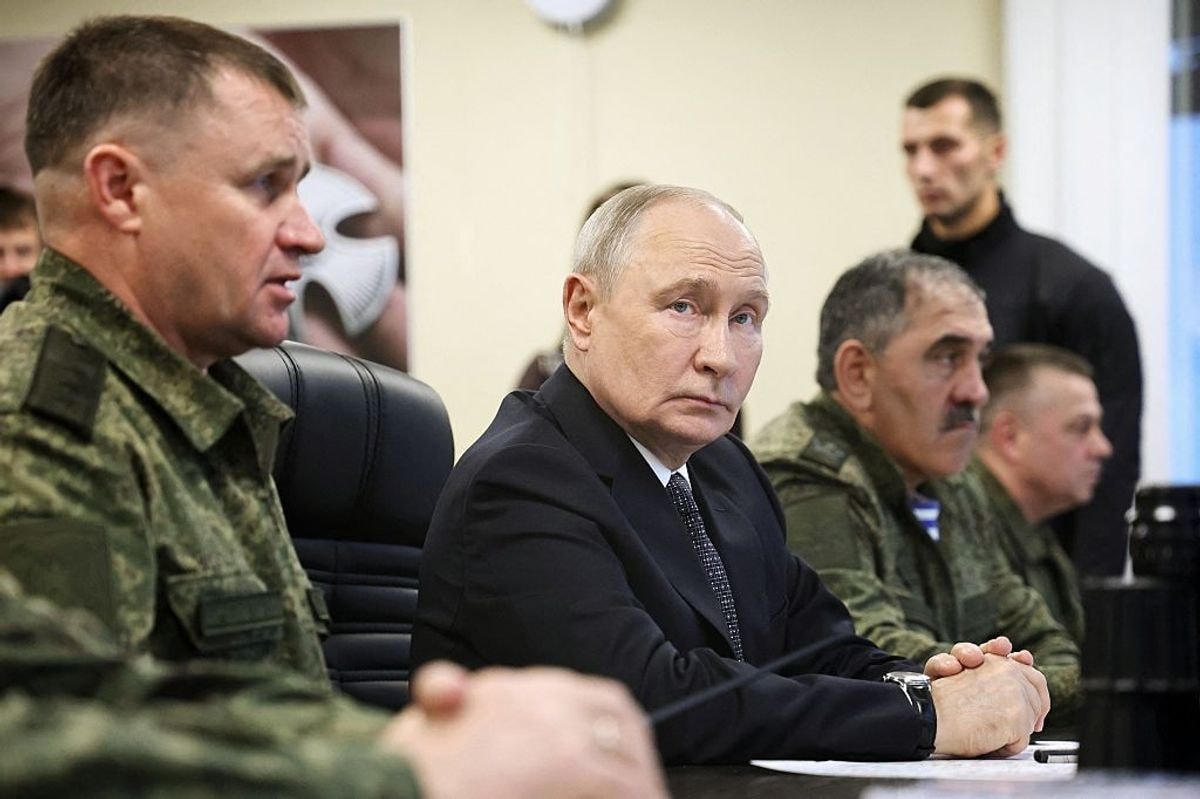
Lukashenko, in power since 1994, is widely regarded as a close ally of Russian President Vladimir Putin.
His leadership has been surrounded by accusations of rigged elections, including the 2020 presidential election, during which opposition leader Sviatlana Tsikhanouskaya gained widespread public support. Despite claims that Tsikhanouskaya won the election, Lukashenko declared victory, sparking mass protests.
The demonstrations in Minsk and across Belarus were violently suppressed with Russia’s backing.
According to the Belarusian human rights group Viasna, more than 50,000 citizens have been detained for political reasons since 2020.
The EU continues to apply pressure on Lukashenko’s regime as part of broader measures targeting human rights abuses and support for Russia’s war in Ukraine.