Suspected leaks to Moscow rattle EU — but Hungary stays at the table
 on Google

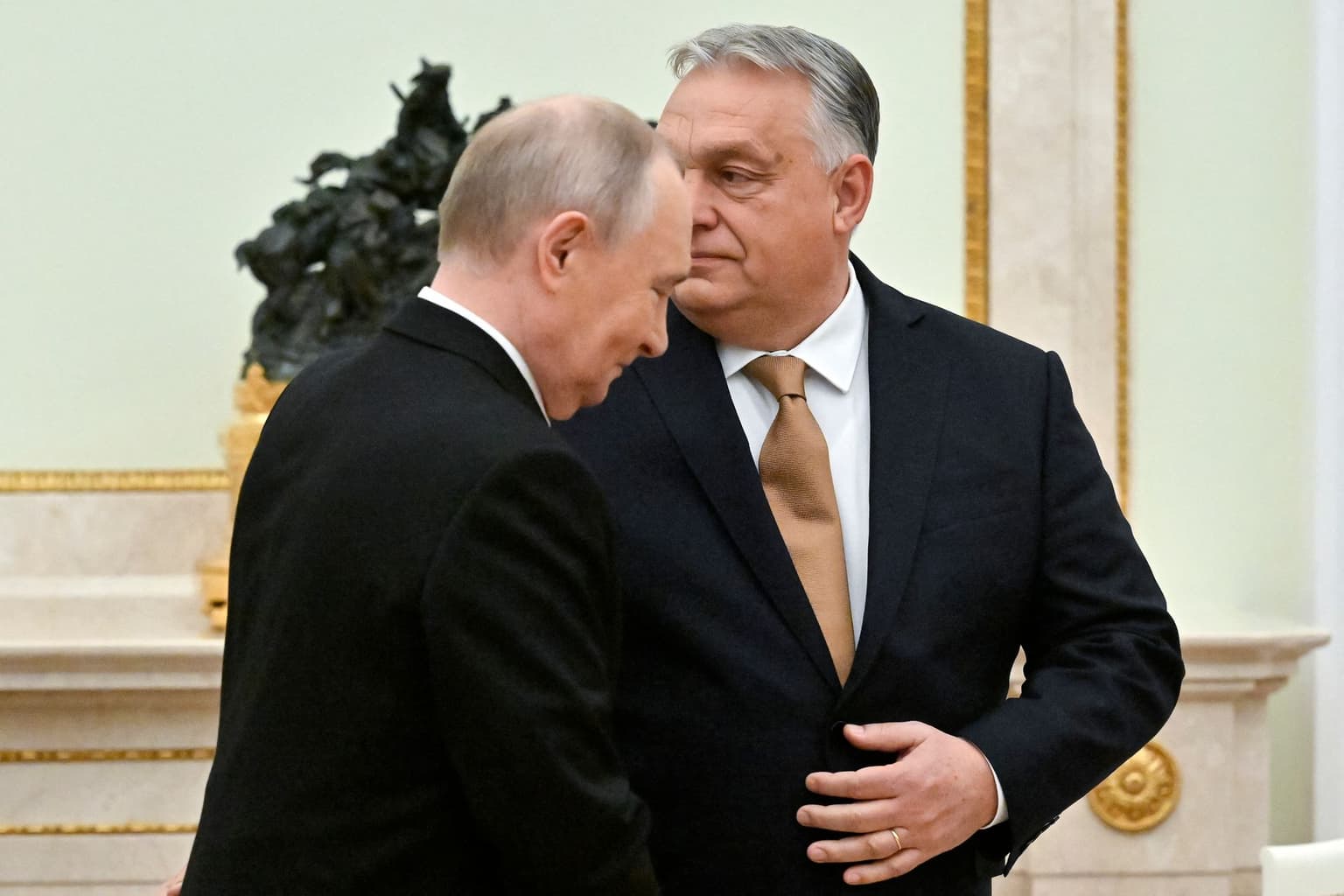
EU diplomats are concerned about Hungary's contacts with the Kremlin following reports that Budapest may have shared information from EU meetings with Moscow.
At the same time, they note that Hungary cannot be excluded from key discussions.
The alarm follows reporting that Hungarian Foreign Minister Peter Szijjarto briefed his Russian counterpart, Sergey Lavrov, on discussions during EU meetings — a development that has reinforced long-standing suspicions within the bloc.
Some officials have limited the scope of talks, but diplomats told the Kyiv Independent that Hungary's role in formal EU processes cannot be curtailed.
Information leaks deepen distrust
Concerns about Hungary's role are not new.
Diplomats say Budapest's "open line to the Kremlin" has been evident for years, but the latest revelations have sharpened unease.
According to the Washington Post, Szijjarto maintained regular contact with Lavrov during EU meetings, at times sharing updates while discussions were still ongoing.
EU Council meetings frequently involve sensitive negotiations on sanctions, military aid, and broader strategies aimed at pressuring Moscow.
During a Feb. 23 meeting, for example, member states discussed a proposed 20th sanctions package against Russia and a 90 billion euro ($107 billion) EU loan for Ukraine — both of which Hungary blocked amid a dispute with Kyiv over the Druzhba pipeline.
Several diplomats said that such risks are now taken into account during talks.
Some acknowledged they deliberately limit what they say in meetings, while others noted that participants assume sensitive information could be relayed to Moscow.
"That's one reason why I take the floor only when strictly necessary and say just as much as necessary," Polish Prime Minister Donald Tusk wrote on X.
"We've had our suspicions about that for a long time."
A Ukrainian diplomatic source said Kyiv has operated under similar assumptions.
"For us, there are no surprises here," the source said. "We have consciously taken this possibility into account… that all of this is then relayed and reported to Moscow."
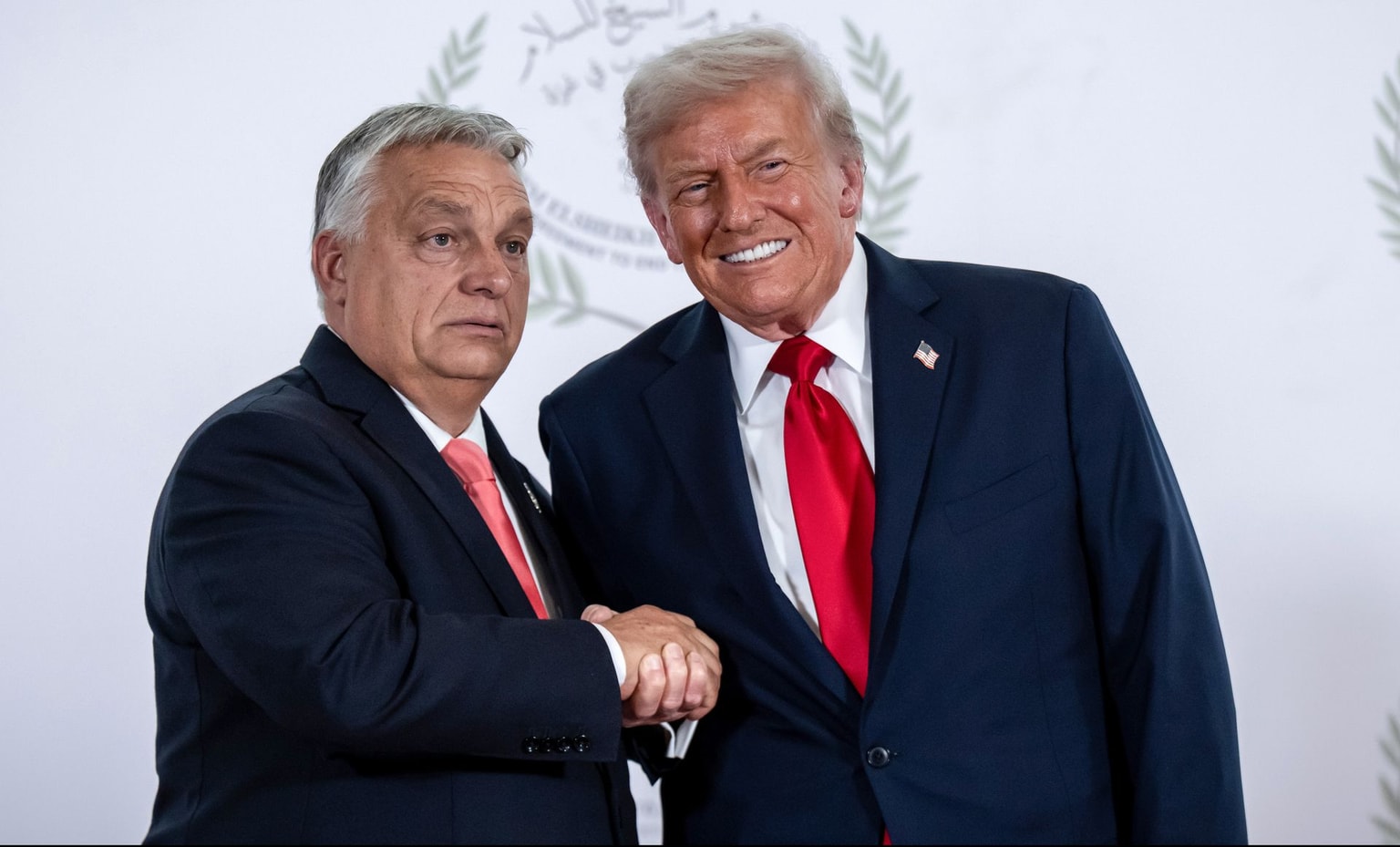
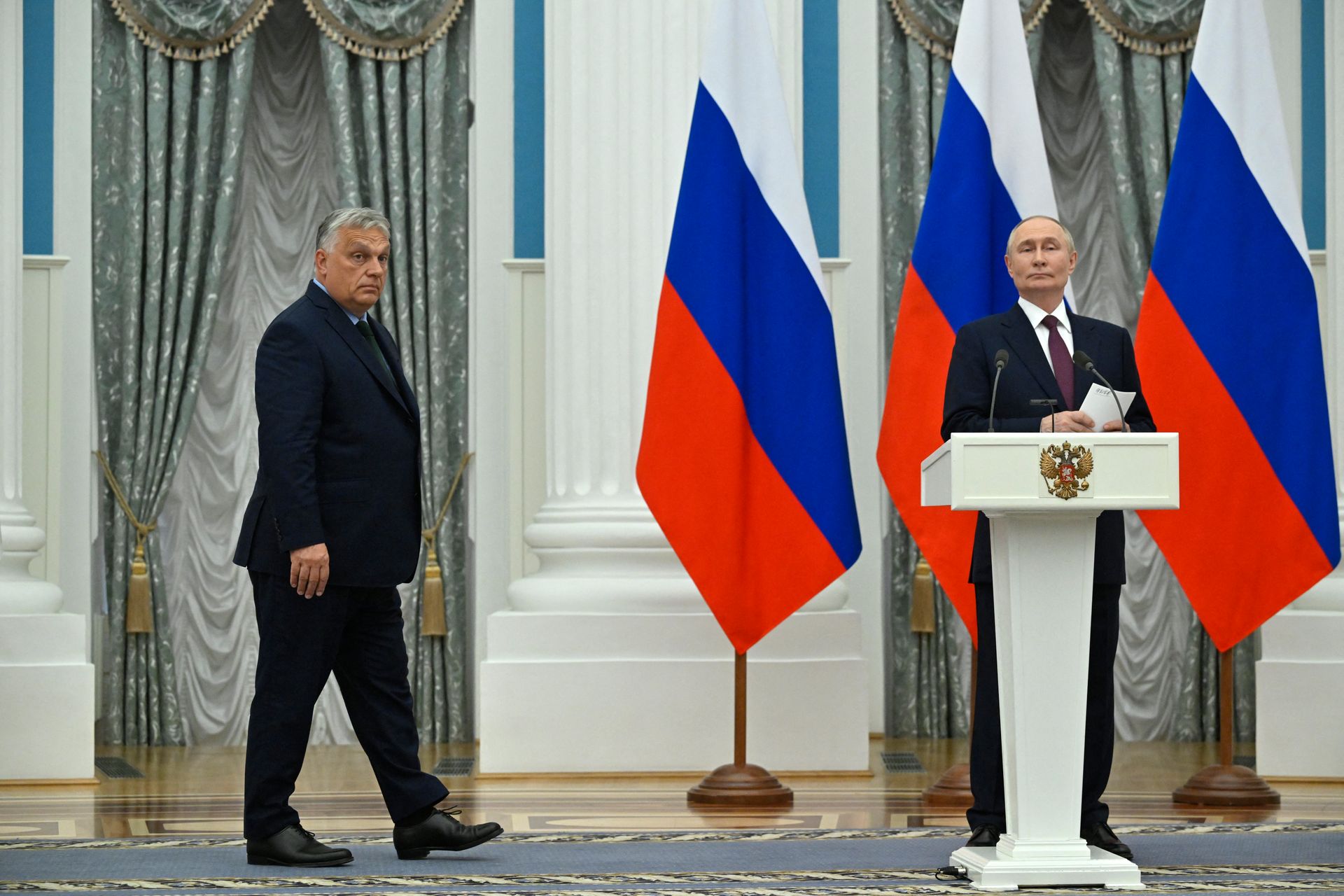
This also reflects broader concerns about Hungary's political direction under Prime Minister Viktor Orban, whose government has maintained close ties with Moscow despite Russia's full-scale invasion of Ukraine.
Hungarian officials, including Szijjarto, have continued direct engagement with Russian counterparts even as most European leaders have sought to isolate the Kremlin.

No clear path to sideline Hungary
Despite mounting frustration, EU diplomats say there are strict limits to how far member states can go in responding.
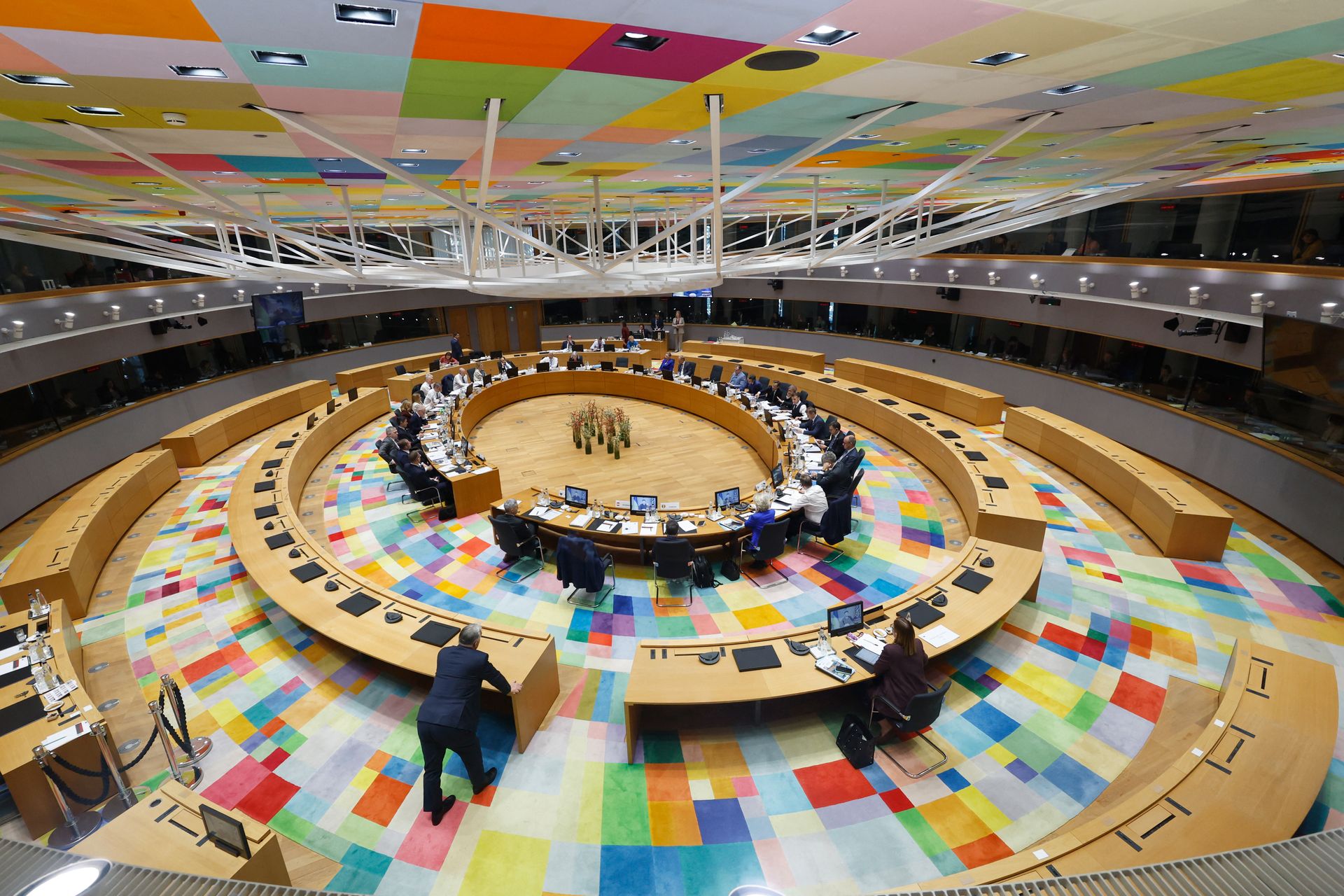
"There is no way to exclude Hungary," one diplomat said, adding that formal decision-making bodies must include all 27 member states.
"It's always EU27… Formal meetings — the only ones where anything can actually be decided — always include Hungary."
While informal coordination increasingly takes place in smaller formats — such as regional or like-minded groupings — officials stressed that these are not new developments and cannot replace official EU structures.
"Different formats exist indeed; not everything is about Orban," one diplomat added, noting that such groupings have long been part of EU diplomacy.
Two diplomats said that these formats are designed to align positions among countries with shared interests, rather than to bypass specific members.
Key areas of EU policy — including sanctions and foreign affairs — require unanimous approval, giving Hungary leverage regardless of political tensions.
Even where qualified majority voting applies, diplomats said Hungary's presence in discussions remains unavoidable.
Growing political pressure
The issue has triggered political reactions across the bloc.
Officials said while day-to-day work continues, the atmosphere has shifted.
One EU official described having a "rough day" after the reports became public, while another insisted that "decisions and activities go on as usual."
European Commission foreign affairs spokesperson Anitta Hipper said the report is "greatly concerning," adding that Brussels expects clarifications from Budapest.
Estonian Foreign Minister Margus Tsahkna told the Kyiv Independent that Hungary's ties with Moscow are known, even if the extent of information-sharing is unclear.
"What is clear, however, is that Hungary's contacts with Moscow are well known and have taken place openly," he said.
Tsahkna added that Estonia supports advancing Article 7 proceedings — a mechanism that could, in theory, suspend Hungary's voting rights.
"Hungary has repeatedly acted against Europe's common security interests… Estonia has long called for advancing the Article 7 procedure."
At the same time, Hungarian officials have rejected the allegations.
Hungary's Europe Minister Janos Boka dismissed the reports to Politico as "fake news," framing them as part of a political campaign ahead of Hungary's elections scheduled for April 12.
"It is fake news that is now being spread as a desperate reaction to (Orban's) Fidesz gaining momentum in the election campaign," he said.
Polls suggest Orban's ruling Fidesz party is trailing the opposition Tisza party by a narrow margin, with the campaign shaped in part by anti-Ukraine rhetoric.
For many in the EU, however, the stakes extend far beyond domestic Hungarian politics.