Confusion reigns as Russia says it was only asked to stop attacking Kyiv until Sunday
 on Google
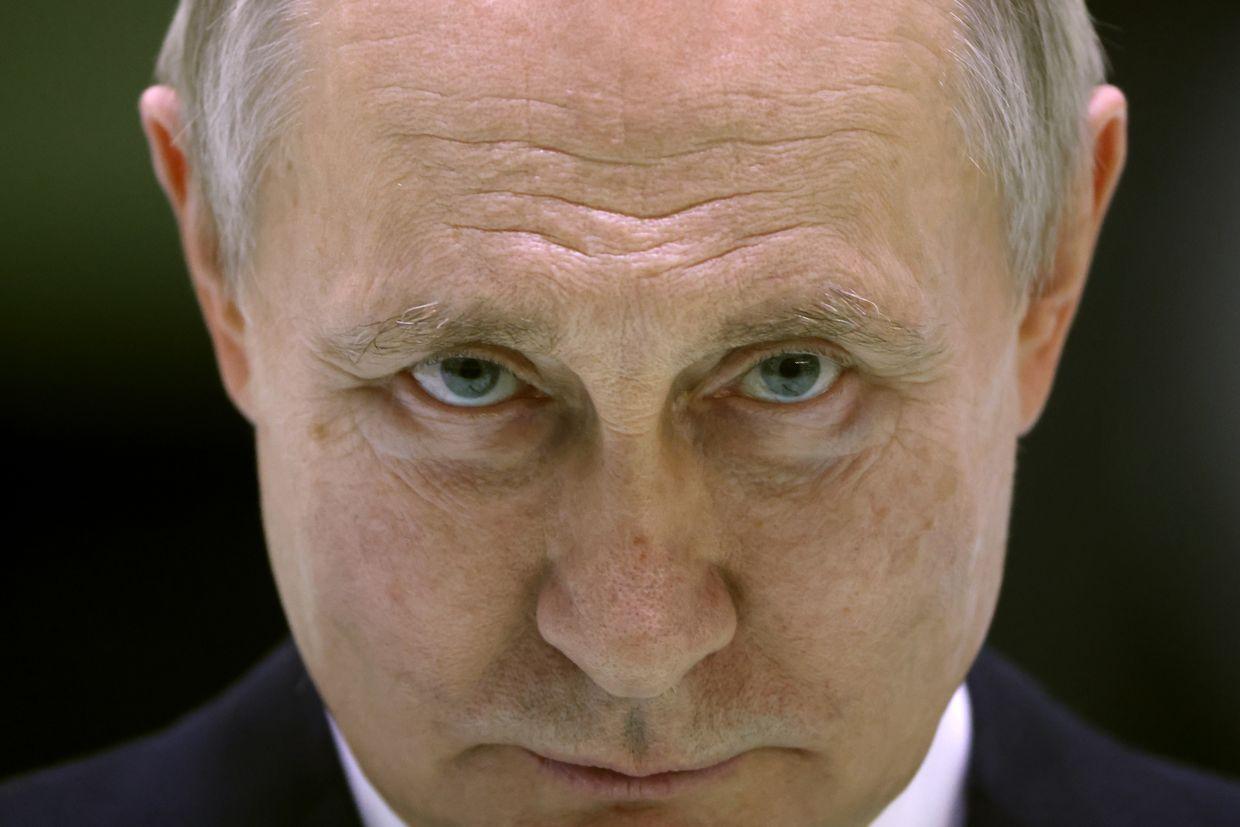
Russia on Jan. 30 said it was asked by U.S. President Donald Trump to refrain from attacking Kyiv until Feb. 1.
The comment from Kremlin spokesperson Dmitri Peskov came a day after Trump said Russian President Vladimir Putin had agreed to his request not to strike Kyiv as well as other Ukrainian cities and towns for a week.
But there was confusion over both the timing and the scope of the supposed proposal.
Trump asked Putin to refrain from striking only Kyiv until Feb. 1 "in order to create favorable conditions for negotiations," Peskov said, appearing to contradict the scope of the agreement referenced by Trump.
"I personally asked President Putin not to fire on Kyiv and the cities and towns for a week," Trump said during a cabinet meeting, stressing that Ukraine is currently facing extremely cold temperatures. "And he agreed to do that. And I have to tell you, it was very nice."
Russia last launched a mass missile and drone strike on Ukraine's capital overnight on Jan. 24, creating power outages across 80% of Kyiv as winter temperatures plunged.

Sporadic drone attacks continued, and overnight on Jan. 27, Russia launched a mass attack on energy infrastructure as well as residential buildings in Odesa, killing at least three people, injuring dozens of others.
Overnight on Jan. 30, the first night since Trump made news of the supposed proposal public, Russia launched 111 drones of different types and one ballistic missile, though there were no reports of energy infrastructure being hit.
Overall, six civilians were killed, and 20 were injured in Russian air attacks across the country, local authorities reported on Jan. 30.
Adding to the confusion, in the evening of Jan. 30 President Volodymyr Zelensky said in a post on social media there had only been one Russian strike on energy infrastructure over the previous night, suggesting the week-long proposal would begin today.
"The American side has been talking about refraining from strikes on the energy sector for a week, and tonight the countdown began," he said.
Zelensky earlier said Russia is shifting its strikes toward logistics targets, and drone attacks on "ordinary residential areas in cities" are continuing. He added that the ballistic strike on Kharkiv Oblast damaged warehouses at a civilian production facility.
It was reported later in the day that one of the warehouses hit belongs to the U.S. tobacco company Phillip Morris though it has not been operational since February 2022.
Several civilian areas came under Russian air attack, such as a drone strike on the Zaporizhzhia residential building. Zaporizhzhia Oblast Governor Ivan Fedorov reported that at least one person was injured in this attack.
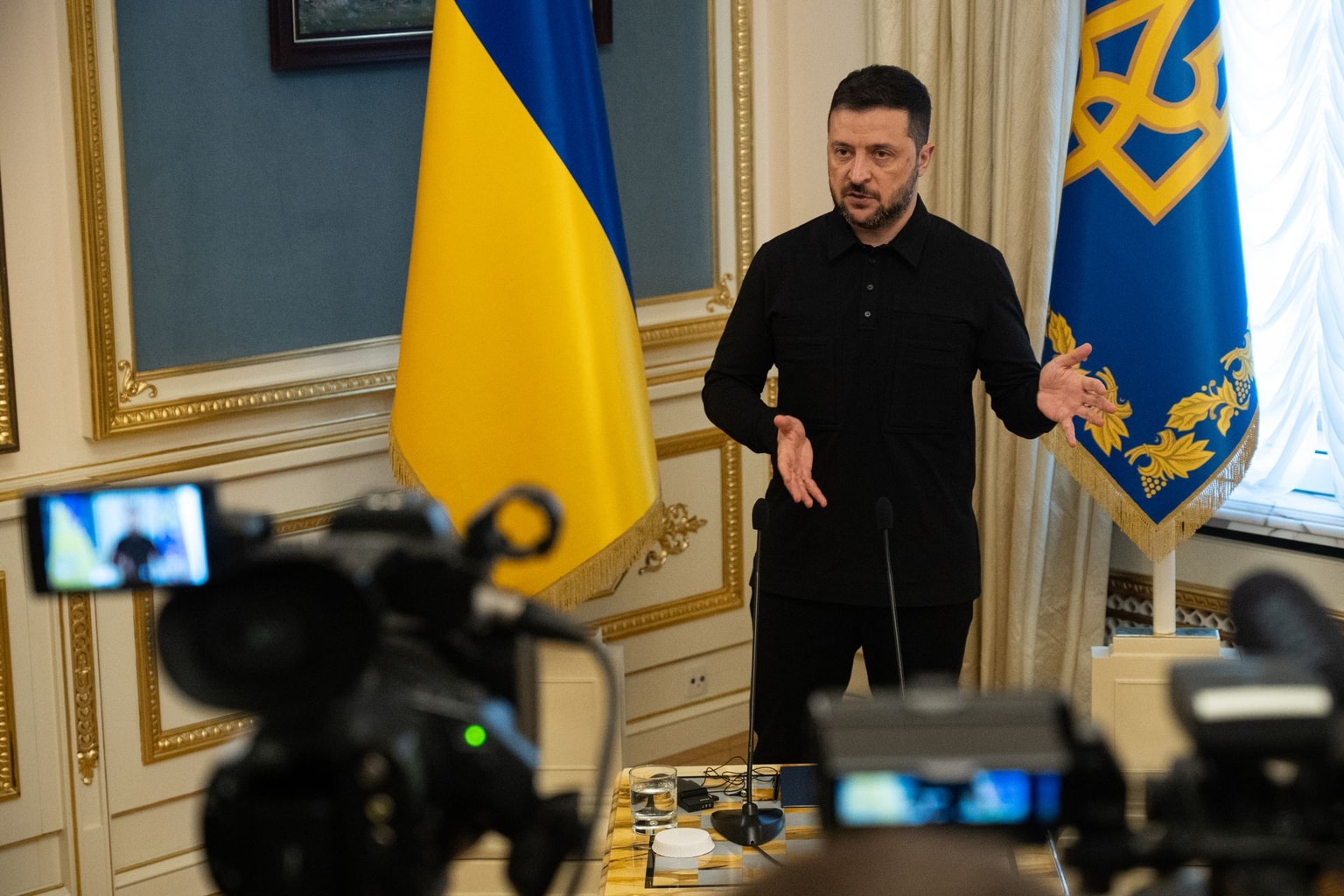
President Volodymyr Zelensky told reporters on Jan. 30 that there was "no direct dialogue" or official agreement on an energy ceasefire with Russia, adding that Trump had initiated this.
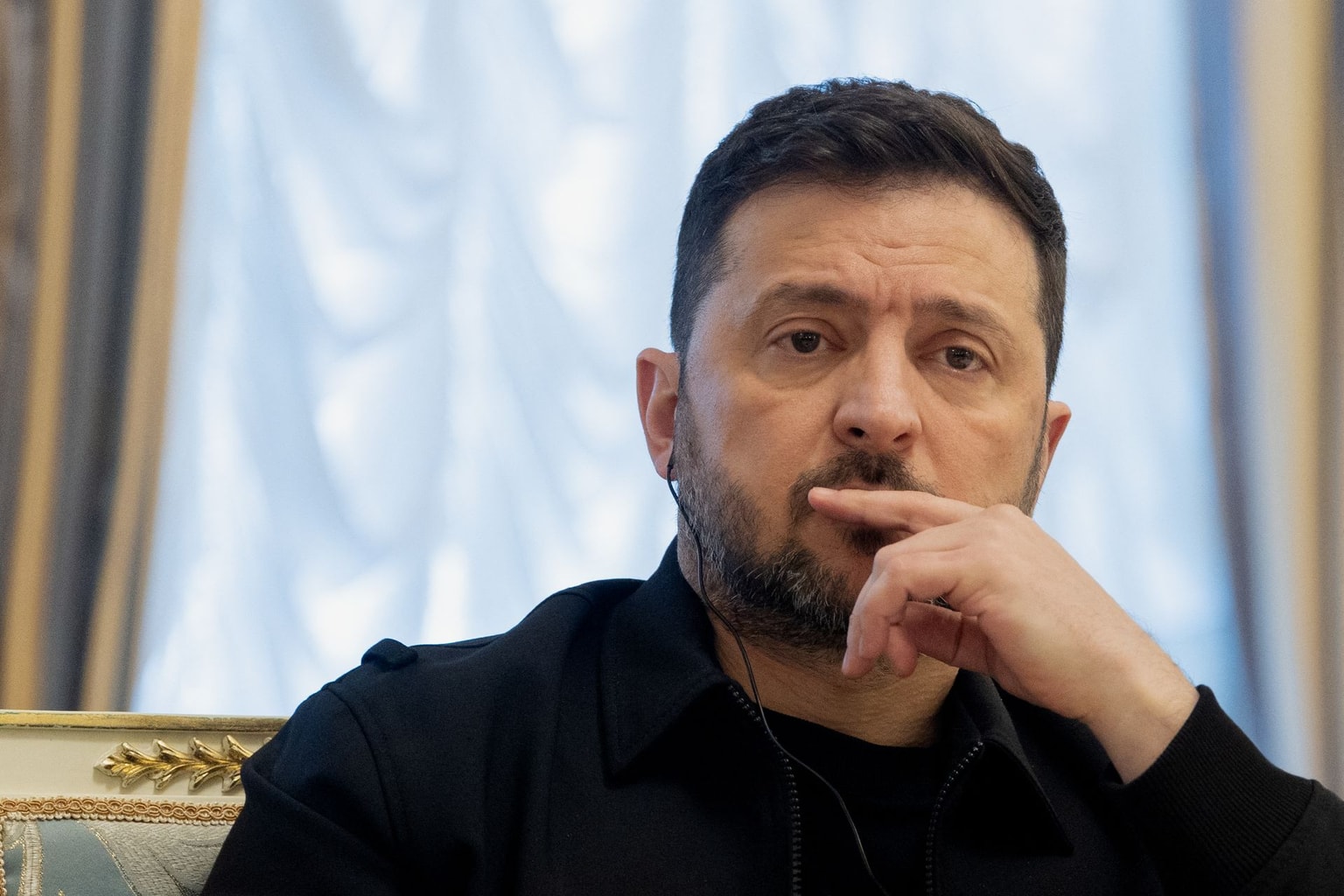
"If Russia heard the signal from the American side in the same way that we did, then we will certainly have some kind of result and will be able to evaluate it. There are no secrets here," Zelensky said, adding that he can consider this as "an opportunity, not an agreement."
Zelensky added that if Russia does not attack Ukraine's energy sector, Ukraine will not attack Russia's energy sector.
"In any case, we want to end the war, and we are ready for de-escalation steps. If Russia does not attack us, we will not take corresponding steps," Zelensky said.

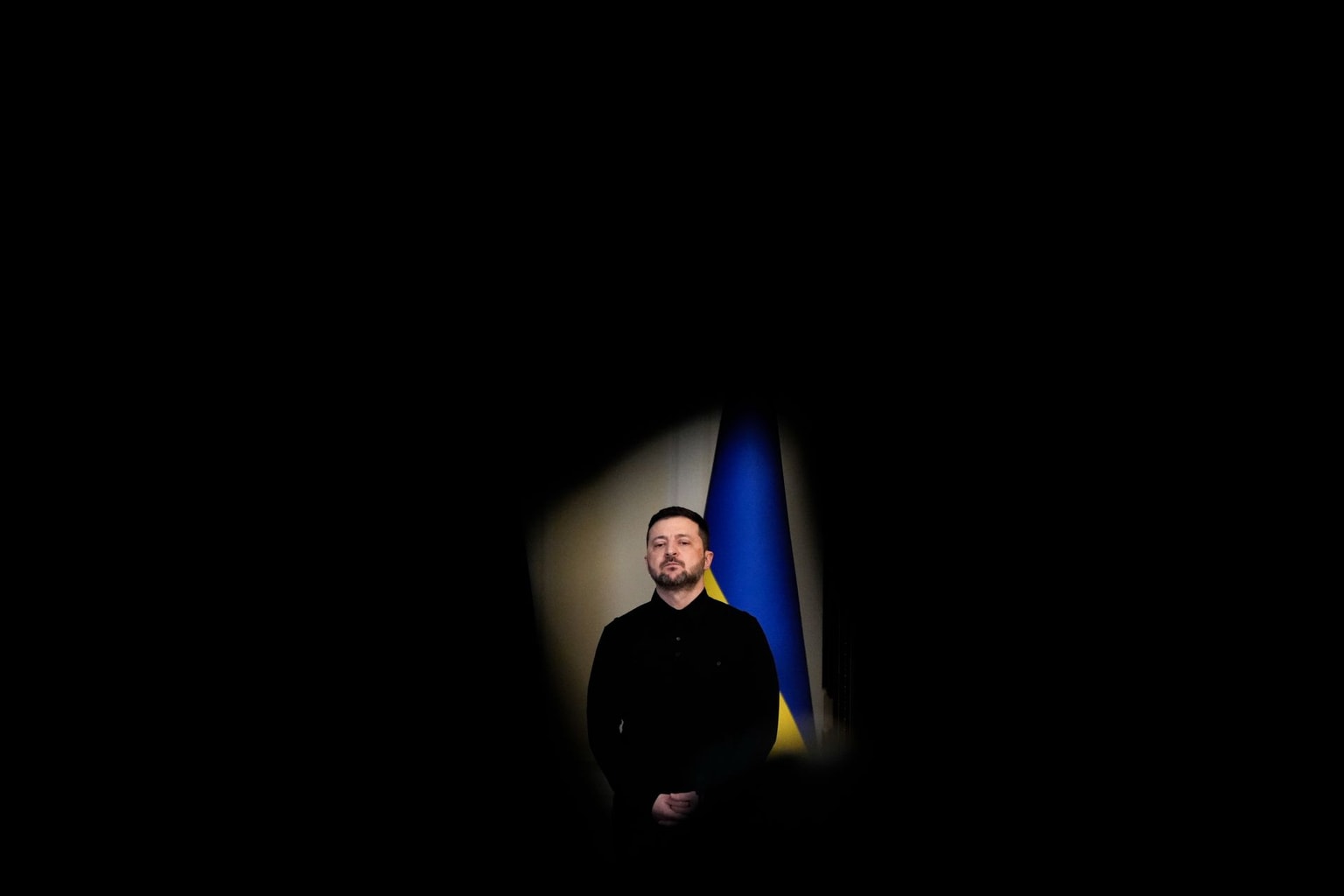
Zelensky thanked Trump and called his remarks "an important statement" on the possibility of providing security for Kyiv and other Ukrainian cities during the extreme winter period.
He added that Ukrainian and U.S. teams discussed the issue during recent trilateral talks in the United Arab Emirates with Russia.
"Power supply is a foundation of life. We value the efforts of our partners to help us protect lives," Zelensky said on X.
A pause in Russian strikes — provided that Ukraine also refrains from attacking Russian oil refineries and tankers — was reportedly discussed during a trilateral meeting in Abu Dhabi among U.S., Ukrainian, and Russian officials last weekend.
The parties made no announcement on the matter as they began preparations for another round of talks on Feb. 1.
Amid subzero temperatures and the coldest winter since the beginning of the full-scale war, Ukrainian cities, including Kyiv, were struggling to restore power, heating, and water after Russian attacks on Ukraine's critical infrastructure on Jan. 9, Jan. 20, and Jan. 24.
Since the last Jan. 24 attack, energy and repair workers had managed to get that number below 400 on Jan. 30, Kyiv Mayor Vitali Klitschko reported. Since the first Jan. 9 attack, more than 6,000 residential buildings remained without heating.