Author
Yevgeniya Doluda photo

Yevgeniya Doluda

Yevgeniya Doluda is an intern at the Kyiv Independent. She is currently in her final year at City St George's, University of London, studying journalism, politics, and history. Yevgeniya previously worked and volunteered with non-profit organizations in Europe, and had her work published in RTL.

Articles

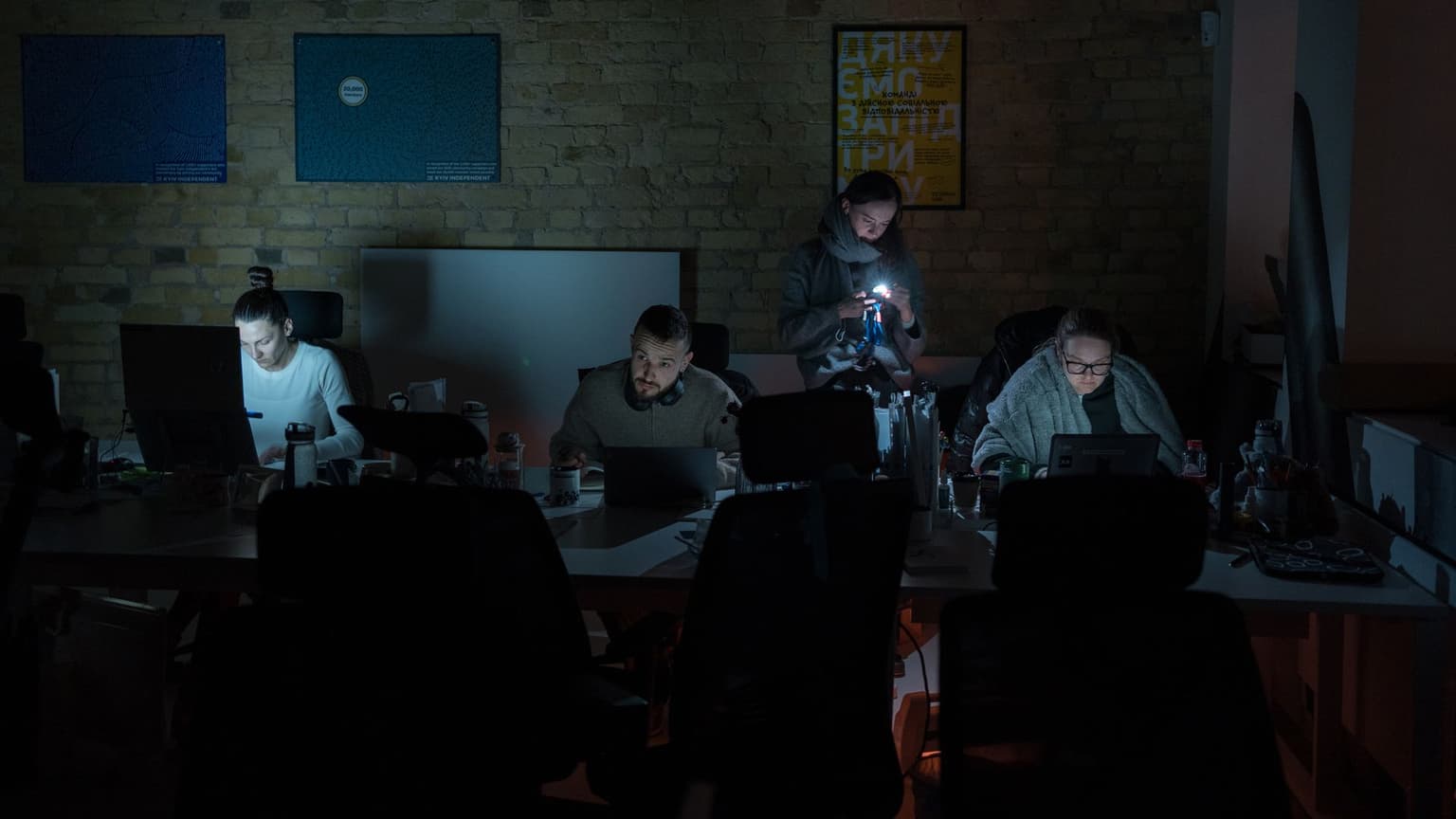
Part of The Kyiv Independent team works in its office in Kyiv, Ukraine, on Jan. 14, 2026.

Inside the Kyiv Independent: See how we survive the Russia-inflicted energy crisis

At 4 p.m. every day, the Kyiv Independent office goes dark. After hours of working without heating, the electricity disappears too. The generator shuts off for thirty minutes to cool down. Laptop screens become the only light in the room. The only sound is the tapping of fingers on keyboards. Cold hands move slowly, stopping every so often as people breathe warm air into them to regain feeling. Outside, temperatures drop to -15 degrees Celsius (4 degrees Fahrenheit). Inside, it doesn't feel mu
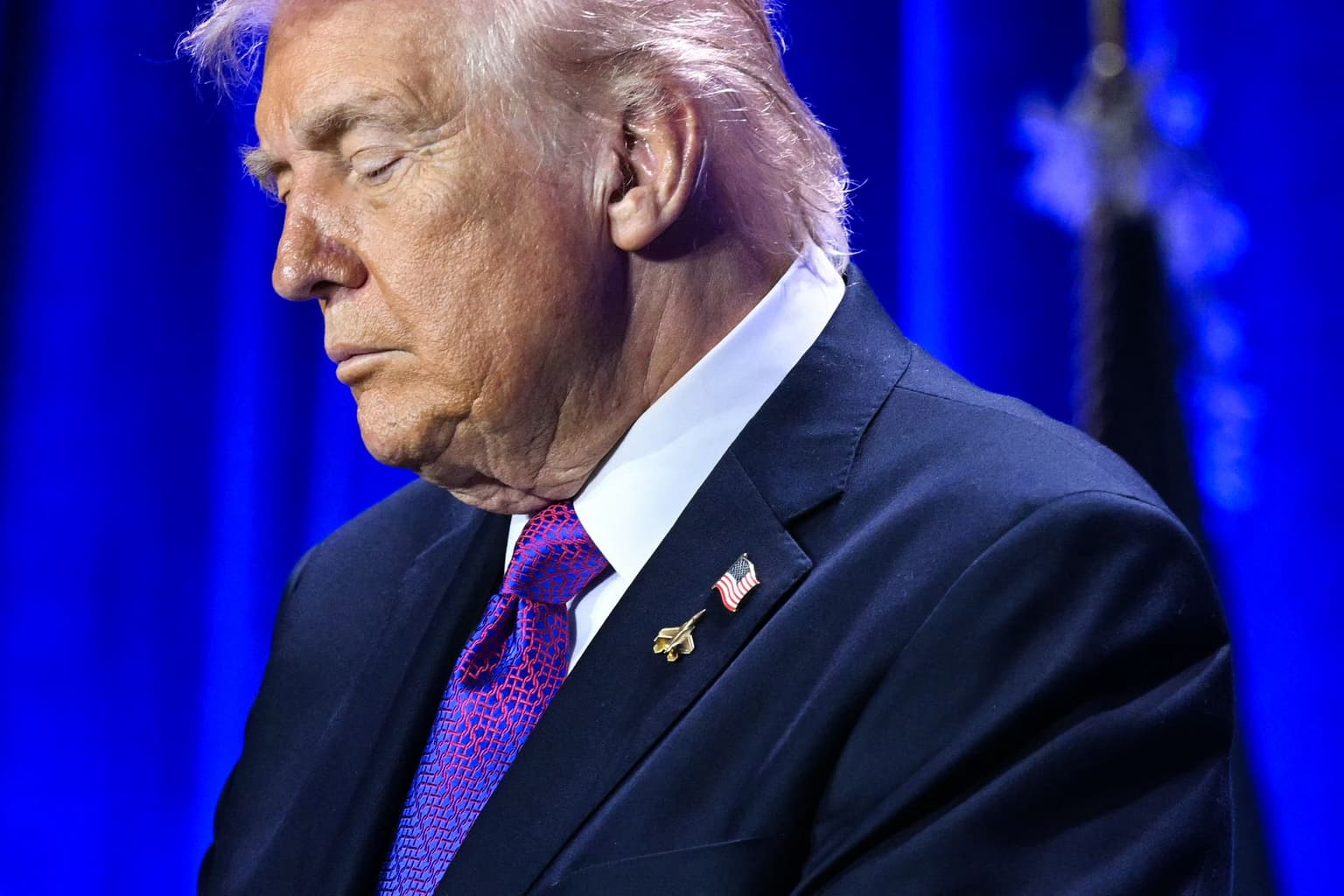
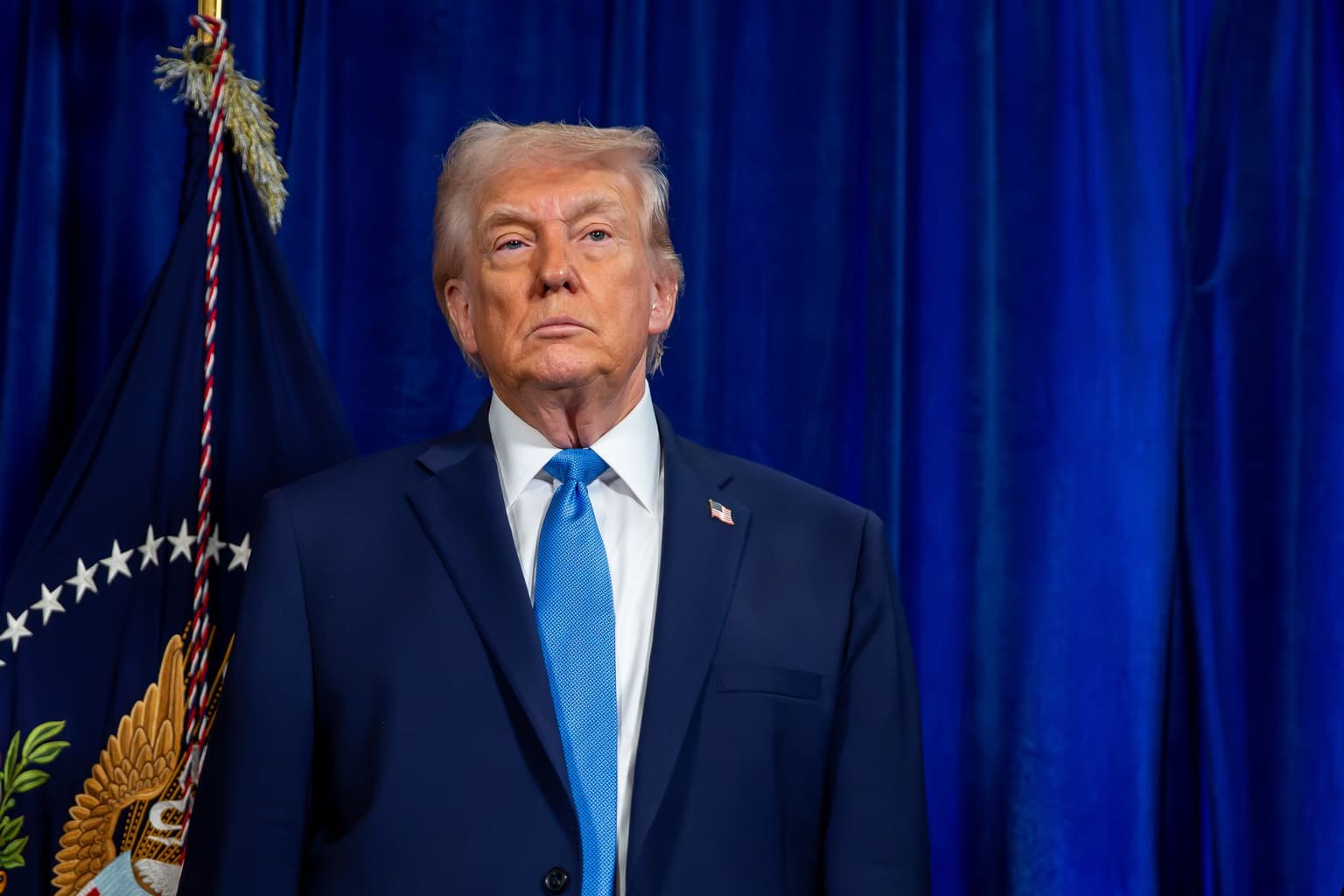
U.S. President Donald Trump in Washington, D.C., U.S. on Feb. 5, 2026.

New START expires, frees US, Russia from decades of nuclear arms restrictions

by Yevgeniya Doluda
Editor's Note: The story was updated to include the most recent comment by U.S. President Donald Trump. "If it expires, it expires," U.S. President Donald Trump said in his interview with The New York Times when asked about his intentions to extend the New START treaty that officially ended on Feb. 5. The expiration would put an end to the last bilateral agreement limiting Russian and U.S. nuclear arsenals — a combined 80% of the world's total. Russia's President Vladimir Putin announced his
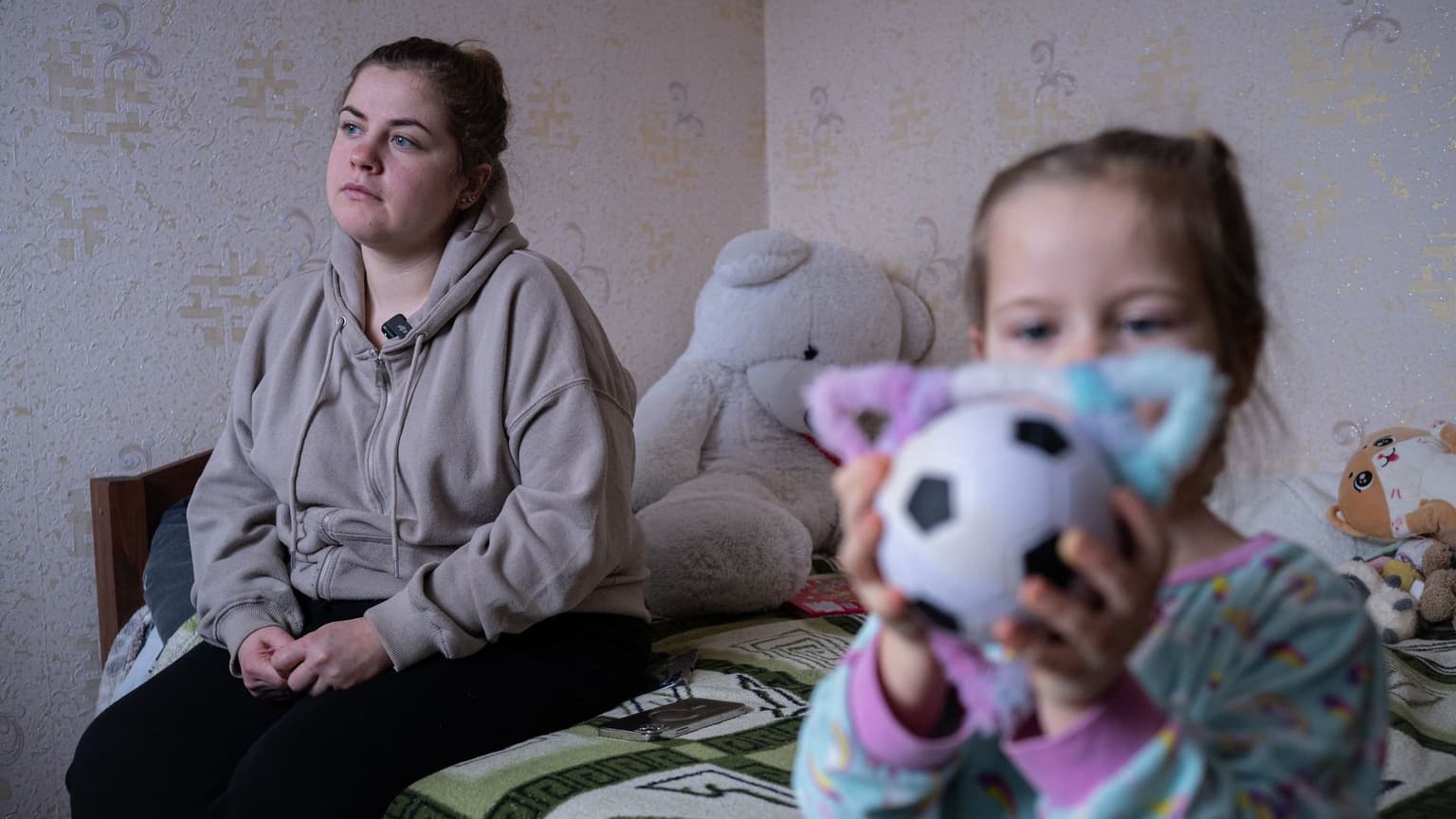
Daria and her daughter Taia in their apartment in Kyiv, Ukraine, on Jan. 27, 2026.

'We are all used to this' — Inside one of Kyiv’s hardest-hit buildings this winter

by Yevgeniya Doluda
Upon entering Daria’s apartment in a large complex in Rusanivka on Kyiv’s left bank, a faint smell of gas lingers in the cold, dim rooms. After Russia’s attacks on Ukraine’s energy infrastructure cut heat and power across parts of the city,  she uses the stove daily to raise the indoor temperature by a couple of degrees, but even then it barely reaches 13 degrees Celsius (55 degrees Fahrenheit). The warmth comes with consequences. "We don't want to live in mold. You come in from the street and
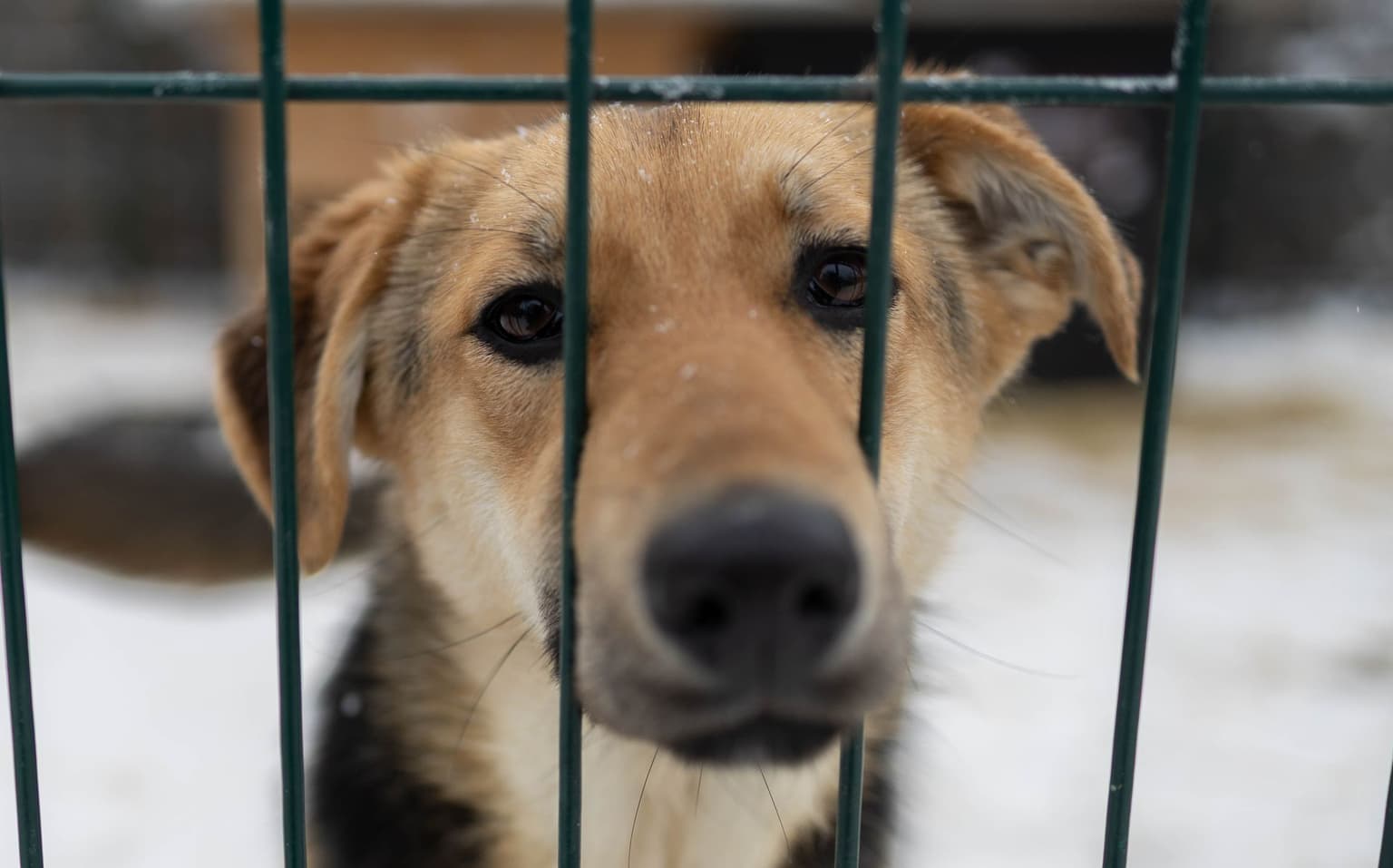
A dog is seen at the Hostomel Shelter in Hostomel, Ukraine, on Jan. 23, 2026.

As temperatures outside plunge, a Ukrainian pet shelter struggles to keep animals warm amid Russian attacks

by Yevgeniya Doluda
Just over 30 kilometers (18 miles) from Kyiv, the Gostomel animal shelter in Hostomel, Kyiv Oblast is trying to keep more than 700 cats and dogs alive and warm as Russia's attacks on Ukraine's energy infrastructure leave the country facing rolling outages, scarce heat, and long stretches without power. The shelter's small team of volunteers and full-time staff is stretched thin.  The lack of electricity and heat, both essential to caring for the animals, have become this winter's biggest challe

From ice to blackouts, Kyiv's most challenging winter exposes city leadership failures

by Yevgeniya Doluda
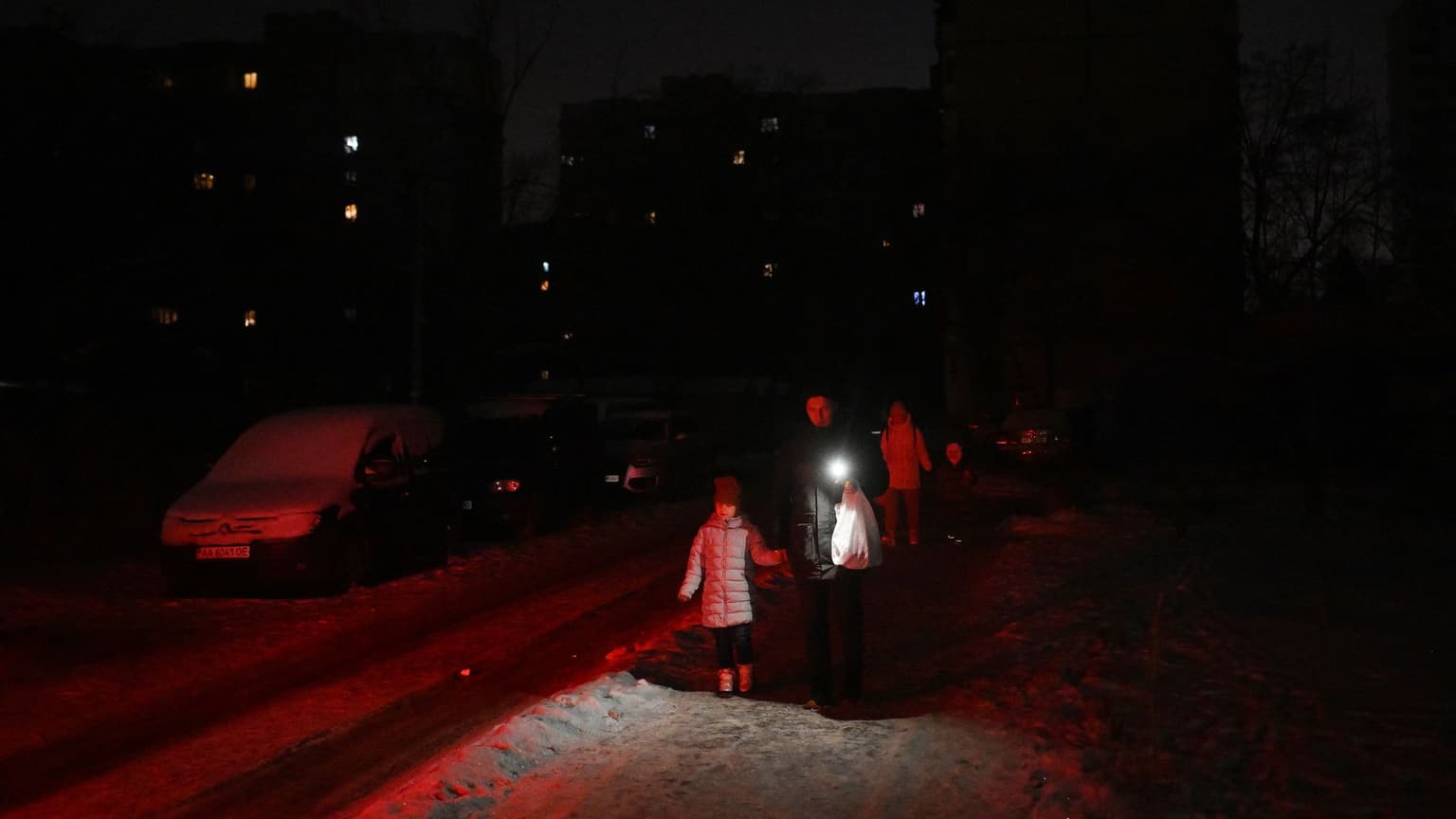
Ukraine's capital is currently facing "the most difficult" winter of the war as its energy infrastructure sustained detrimental damage and continues to undergo further Russian attacks. Over the past weeks, snowfall and frigid temperatures have created a hazardous situation on the streets. Ice-coated pavements, piles of snow, and a lack of street light leave residents of Kyiv, a city of over 3 million, struggling to keep steady. President Volodymyr Zelensky has attributed the situation to a lac
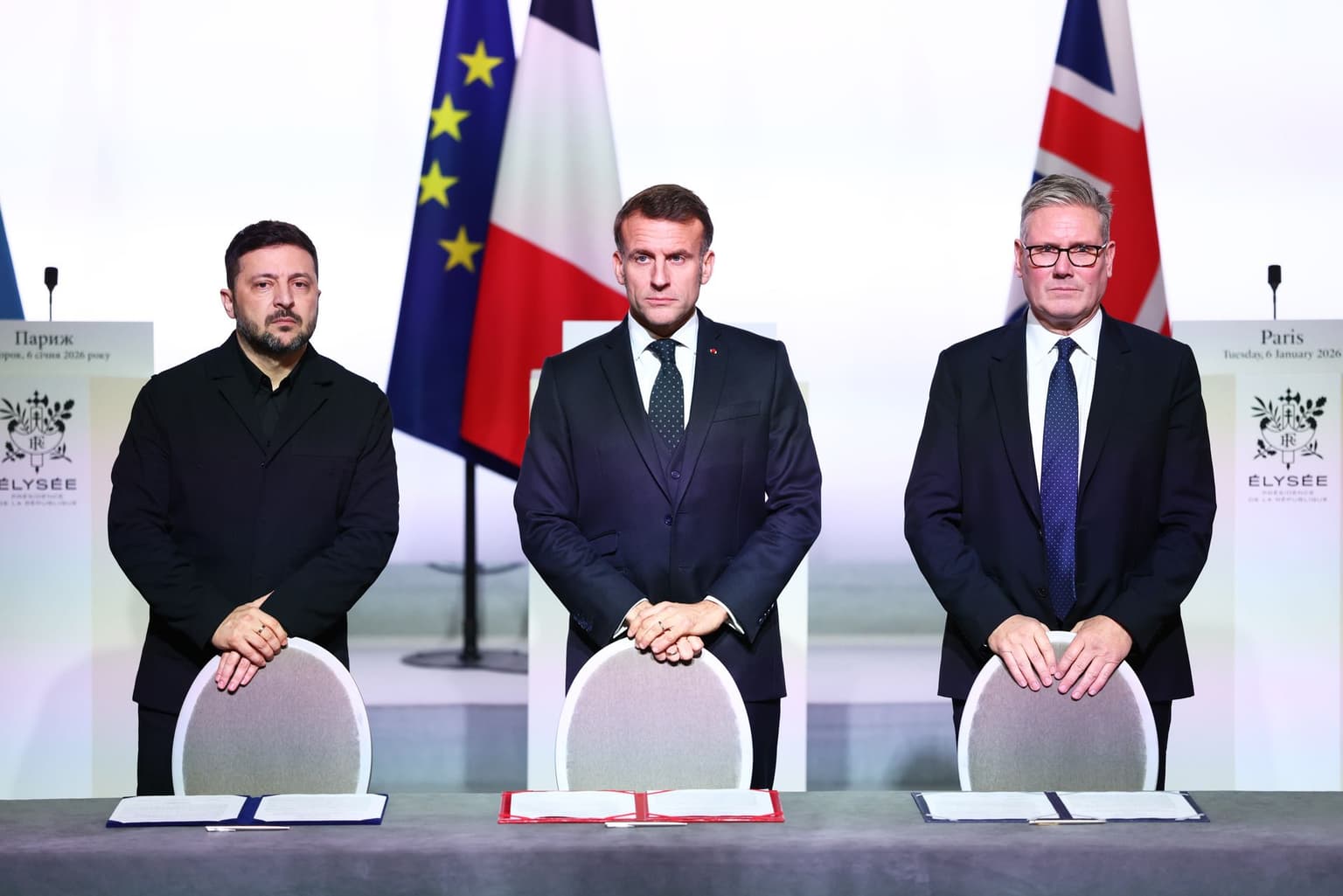
President Volodymyr Zelensky, French President Macron, and British Prime Minister Starmer in Paris, France, on Jan. 6, 2026

3 glaring issues with the UK-France peacekeeper troops plan for Ukraine

In a grandly-staged, and much publicized meeting on Jan. 6, Ukraine and its Western allies celebrated a deal that would pave the way for French and British peacekeeping troops to deploy in Ukraine — once the war is over, of course. French President Emmanuel Macron said "considerable progress" had been made. U.S. Special Envoy Steve Witkoff said work on agreeing security protocols was "largely finished." And President Volodymyr Zelensky said it was a "huge step forward." But there were several