Martin Fornusek is a reporter for the Kyiv Independent, specializing in international and regional politics, history, and disinformation. Based in Lviv, Martin often reports on international politics, with a focus on analyzing developments related to Ukraine and Russia. His career in journalism began in 2021 after graduating from Masaryk University in Brno, Czechia, earning a Master's degree in Conflict and Democracy Studies. Martin has been invited to speak on Times Radio, France 24, Czech Television, and Radio Free Europe. He speaks English, Czech, and Ukrainian.
Polish President Karol Nawrocki is "not going to the event, to which he wasn't invited by Prime Minister Donald Tusk," a senior Polish presidential aide said.
Michal Kaminski linked his decision to "the actions and statements of the President of Ukraine Volodymyr Zelensky, which were supported by all former presidents of Ukraine and the vast majority of the Ukrainian political class."
Benito Mussolini is long dead and Poland does not revoke the order posthumously, while Gerhard Schroeder "has never insulted the Polish nation as overtly as the Ukrainian president did," said Agnieszka Jedrzak, undersecretary of state at the Polish Presidential Office.
The Kyiv Independent's Martin Fornusek travels across Estonia, from the streets of Tallinn to military exercises near the Russian border, to see how the Baltic country is preparing for potential threats.
A widening split inside the online pro-Trump political ecosystem is exposing a growing ideological fracture over U.S. foreign policy, particularly America's war against Iran and Russia's all-out assault on Ukraine.
What some analysts and participants describe as a "MAGA civil war" has emerged as a visible rupture within the American conservative movement, dividing former allies of U.S. President Donald Trump who have turned sharply critical of his foreign policy positions from those who remain
As Russian battlefield gains slow and recruitment drive falters, Ukraine is warning that the Kremlin may finally reach for the measure it has long resisted — a forced mobilization.
According to Kyiv, Moscow is preparing to call up tens of thousands of fresh soldiers to offset its climbing battlefield losses.
But analysts believe Russia would only take that gamble in case of an imminent front-line collapse, or a sweeping pivot to a war economy — one that could signal preparations to push the co
"We will open the cluster on fundamentals; the backbone of the accession process," European Commission President Ursula von der Leyen said on June 12. "It covers the core values and principles on which the EU is built, from the rule of law to strong democratic institutions."
During the meeting, the Russian side presented "an objective assessment of the destructive policies" of Western countries, namely the ongoing support of Ukraine via the Coalition of the Willing, the Russian Foreign Ministry said.
Some 31.9% of respondents said the controversy, which sparked a diplomatic row between Kyiv and Warsaw, did not affect their view of Ukraine, according to a survey conducted by the SW Research agency.
The Kyiv Independent’s Martin Fornusek speaks with Phillips O'Brien, a U.S. historian and professor of strategic studies, about U.S. policy on Ukraine under President Donald Trump, the future of transatlantic relations, and the state of Russia’s war against Ukraine.
History is rattling Ukraine-Poland relations, yet again.
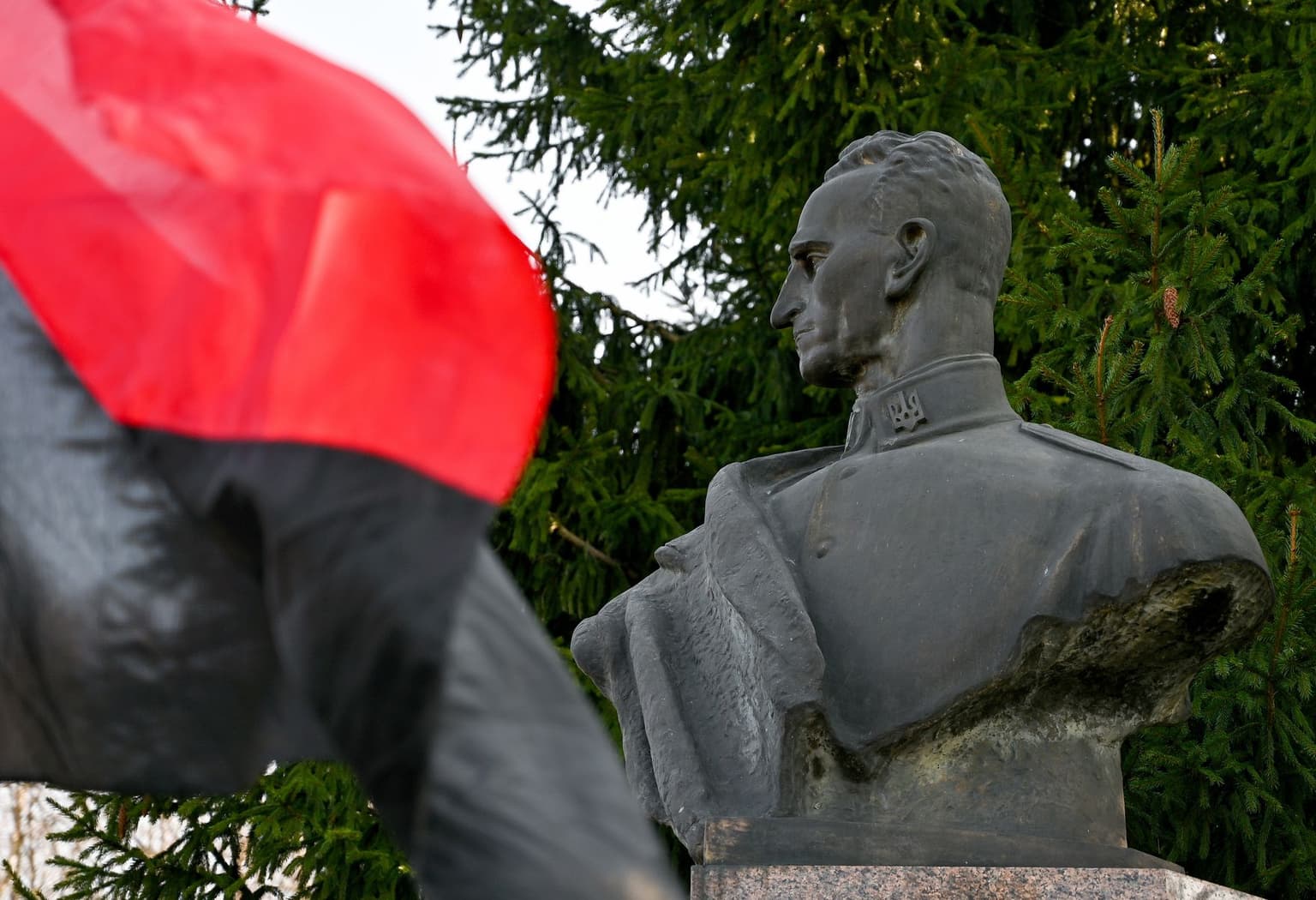
The new round of historical grievances erupted in Poland when President Volodymyr Zelensky named a Ukrainian special forces unit after the Ukrainian Insurgent Army (UPA) — an organization that fought for Ukrainian independence during and after World War II, but which evokes painful memories in Poland.
In Ukraine, the UPA represents a historical struggle against Moscow's domination — a legacy that feels especially alive amid Russia's full