As Russian attacks on Ukraine's railways intensify, passenger trains now targets for drones
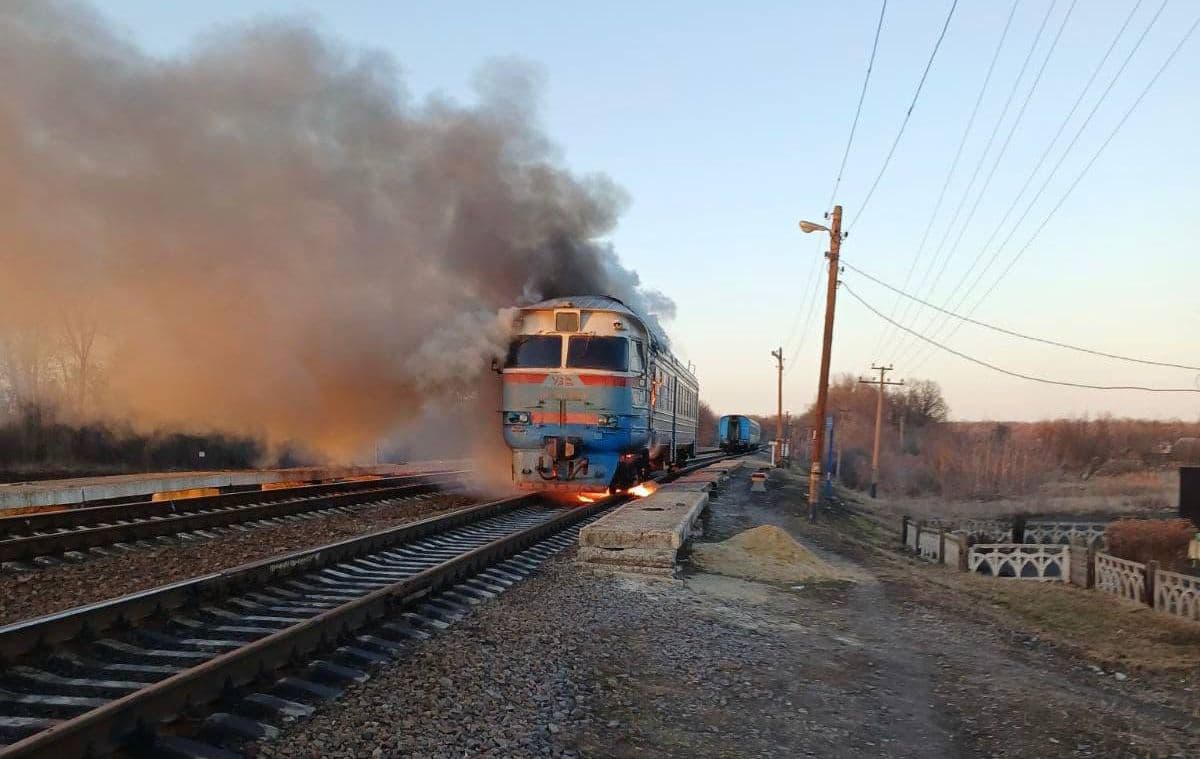
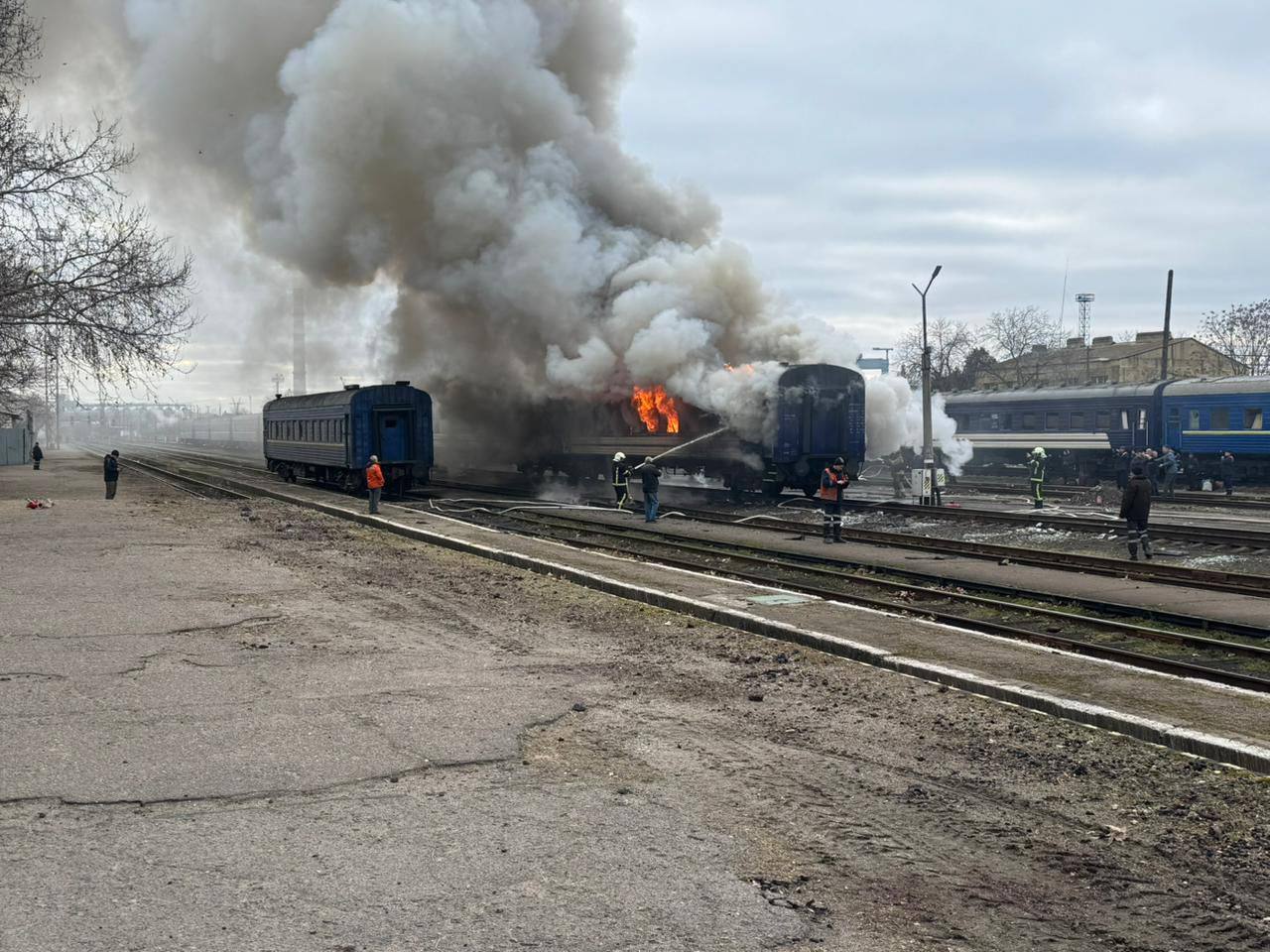
Passenger train following russian drone strike in Sumy Oblast, Ukraine, on March 14, 2026. (Oleksii Kuleba / Telegram)
 on Google
Russian attacks on Ukraine's railways are escalating and posing a more direct threat to civilians, as Moscow increasingly shifts from hitting infrastructure to targeting moving trains, including passenger trains.
Attacks on the railway system rose from 134 in January to 166 in February and peaked at 206 in March, Ukrzaliznytsia — Ukraine's national train operator — told the Kyiv Independent.
"There is a clear tendency since late 2025, and especially now in spring — focused strikes on rolling stock. They have the capability in certain areas to hunt moving trains," Ukrzaliznytsia head Oleksandr Pertsovskyi said during a press conference on March 24.
Trains are one of Ukraine's most critical lifelines, with 80,000–90,000 people on board across the country at any given moment, according to Ukrzaliznytsia. Unlike fixed infrastructure, moving trains are harder to protect and strikes on them are also likely to result in mass casualties.
The tactic echoes first-person view (FPV) drone attacks in front-line cities like Kherson, where Russian forces have targeted civilians and moving vehicles — the practice known as "human safari" — but now appears to be expanding, with larger, longer-range drones used to target trains.
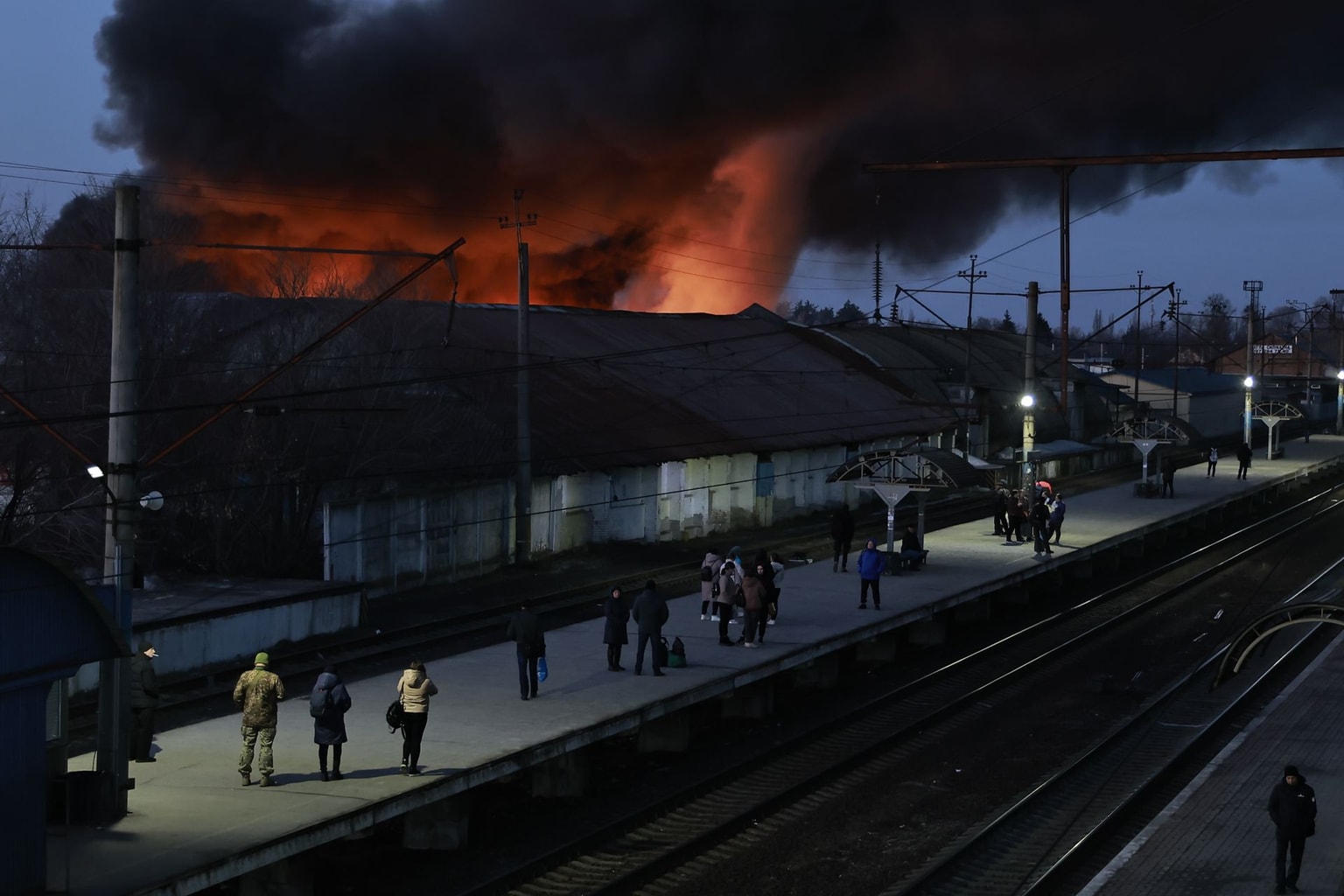
The scale of the campaign is already substantial. Since Jan. 1, 2026, Russian forces have carried out 472 attacks on Ukraine's railway network, damaging 1,128 targets, according to Ukrzaliznytsia. Among them were 40 passenger cars, 81 locomotives, 145 freight wagons, and 12 stations.
As of March, Russia targets railway infrastructure around six times a day.

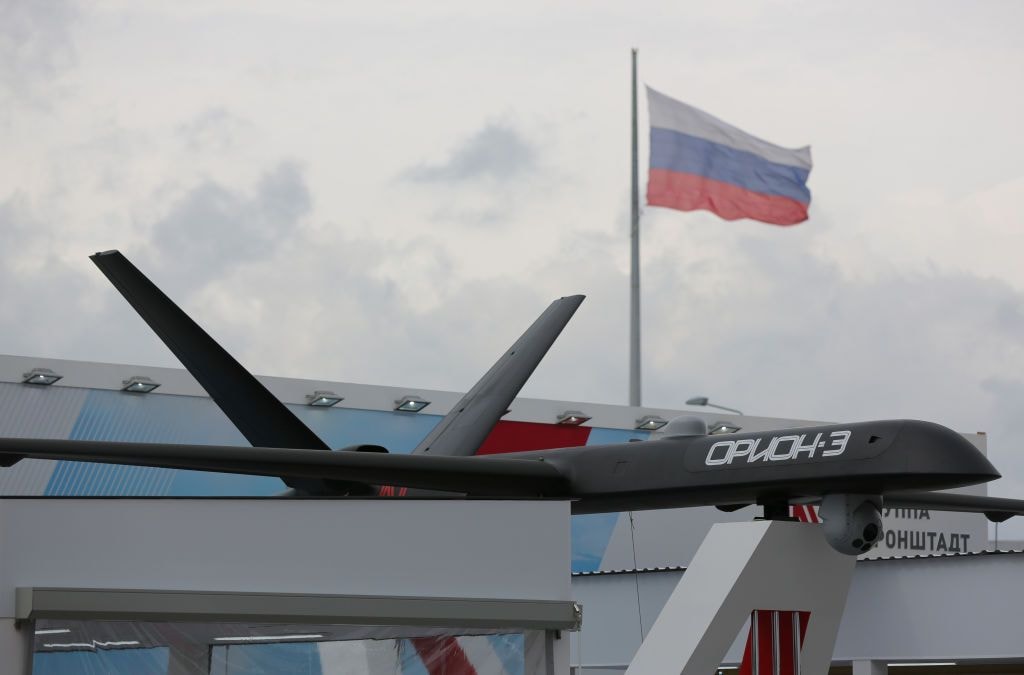
Military expert Andrii Kharuk says this shift is likely enabled by modifications to Shahed-type drones.
"Installing a video camera on a Shahed is not technically difficult. Initially, Iran avoided this due to the cost of using imported components in one-way drones. Russia, apparently, has these resources," Kharuk told the Kyiv Independent.
"Such modifications effectively turn Shaheds into large FPV-style drones, allowing operators to guide them toward moving targets like trains."

Hunting moving targets
According to Ukrzaliznytsia, high-risk areas include Zaporizhzhia, Dnipropetrovsk, and Kharkiv oblasts, as well as Sumy Oblast — where the tactic first emerged.
These zones are essentially the areas where drones can reach and maintain a stable signal long enough for operators in Russian controlled territory to track and strike a moving train inside Ukraine. According to Kharuk, direct control works at a range of around 100 to 120 kilometers (60–70 miles).
To operate beyond that range, drones would require satellite communication systems like Starlink, which Russia has been restricted from using, or relay stations and mobile operators on Ukrainian territory.

"The restriction on Russian use of Starlink significantly limits these zones," Pertsovskyi said.
Kharuk said that Russia is trying to overcome this limitation. On March 24, it launched the first batch of 16 "Rassvet" satellites, a domestic alternative to Starlink. However, he says the system remains far from ready.
According to publicly available plans, Russia's private space company Bureau 1440 is expected to launch 292 satellites by the end of 2030, with 383 planned in total. For comparison, Starlink now operates 10,000 satellites in orbit.
Before the restrictions, Russian forces had around 10,000 Starlink terminals on the front line, Kharuk said.
No 'magic dome' over trains
To reduce risks, Ukrzaliznytsia cooperates with the military to detect threats. If a drone could reach a train within 20 minutes, the train is stopped, and passengers must get off, regardless of location. Evacuation usually takes seven to eight minutes.
Sometimes this means passengers are forced to shelter near the train in a forest in the middle of nowhere. Still, it is safer than staying inside.
A hit can quickly turn a carriage into a trap — metal structures deform, fires break out, and toxic fumes spread. Inside a train, it is also harder to hear incoming drones and react in time.

On Jan. 27, a Russian drone strike hit a passenger train in Kharkiv Oblast, which was operating on the Barhinkove-Lviv-Chop route and carrying 291 passengers at the time. At least six people were killed. Some bodies were so severely damaged that forensic identification was required.
"There is no tool today that provides 95% protection — no 'magic dome' over trains. We are adapting every day," Pertsovskyi said.
Protection relies on a mix of air defense, mobile fire groups, electronic warfare systems, interceptor drones, aviation, and security measures for passengers.
Recent incidents suggest the new protocols are already helping save lives.
On March 4, a Russian drone struck a passenger train in Mykolaiv Oblast, setting a carriage on fire. One railway worker was injured. However, railway staff detected the drone in advance and evacuated passengers in time, avoiding casualties.
Directly arming trains is not an option.
"Installing weapons on civilian trains would turn them into legitimate military targets. Instead, passive protection measures can be used — armored locomotives, anti-drone structures, electronic countermeasures," Kharuk said.
Pertsovskyi notes that despite them not being armed and therefore not being legitimate military targets, Russia is still consistently striking civilian trains.

Will trains stop running?
Ukrzaliznytsia says cutting routes is a last resort.
"We cannot cut connections. Trains today are not a privilege. They are the ability for a woman to travel to see her husband at the front, to evacuate, to visit relatives in Kherson," Pertsovskyi said.
With civilian air travel suspended since 2022, railways remain Ukraine's main form of long-distance transport — linking front-line cities with the rest of the country, enabling evacuations, and moving civilians and cargo.
Where direct rail service becomes too dangerous, Ukrzaliznytsia switches to multimodal connections, combining trains with buses or local transport to keep routes operating.
That is how connections to front-line cities such as Kramatorsk are maintained. Located around 20 kilometers (12 miles) west of the front line in Donetsk Oblast, Kramatorsk has long served as the last major rail gateway before the east — a place where soldiers were seen off to war and welcomed home.
When Russia intensified its attacks on railway infrastructure in autumn 2025, and direct access became too dangerous, passengers started traveling part of the route by train and then transferring to buses or regional transport coordinated with local authorities and volunteer groups.
These routes are planned in advance, according to Ukrzaliznytsia, with transport synchronized with train arrivals so passengers can be sure they can get where they need to go.