After months of winter blackouts, Ukraine again faces power cuts amid cloudy skies
 on Google
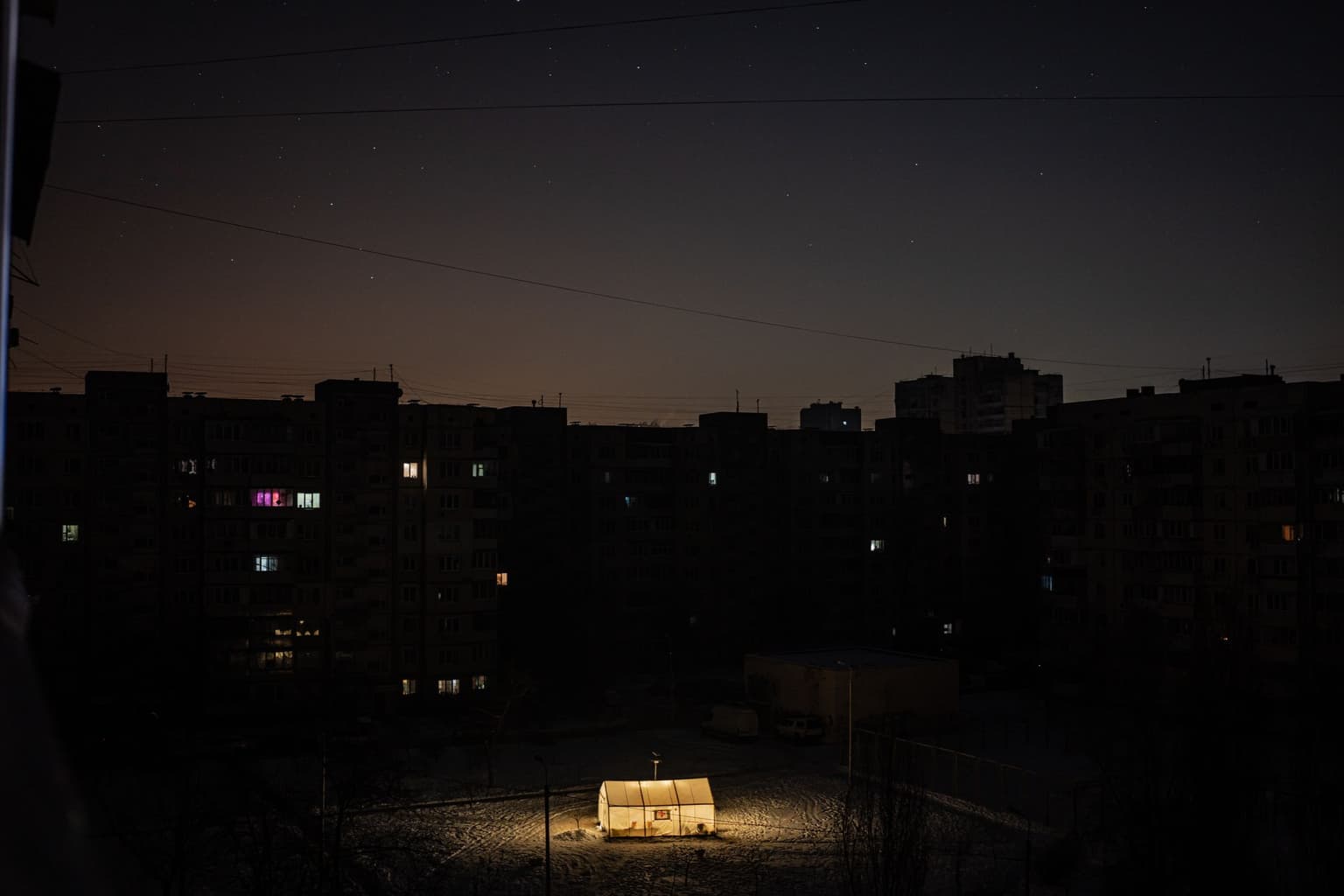
The hum of generators — long a constant soundtrack of winter — once again reverberates across Ukraine as a spell of cold and overcast weather triggers fresh blackouts in the country.
A sunny start to spring last month helped stabilize Ukraine’s embattled energy grid, with solar power stepping in to cover the deficit left by Russia’s relentless winter attacks on the country's energy system. The strikes destroyed 9 gigawatts of generation — equivalent to Slovakia’s total capacity.
During sunny days, Ukraine’s solar farms produce over 3 gigawatts (GW) of energy. But a return of cloudy weather and rain in recent days has limited the sun’s ability to power Ukrainian homes.
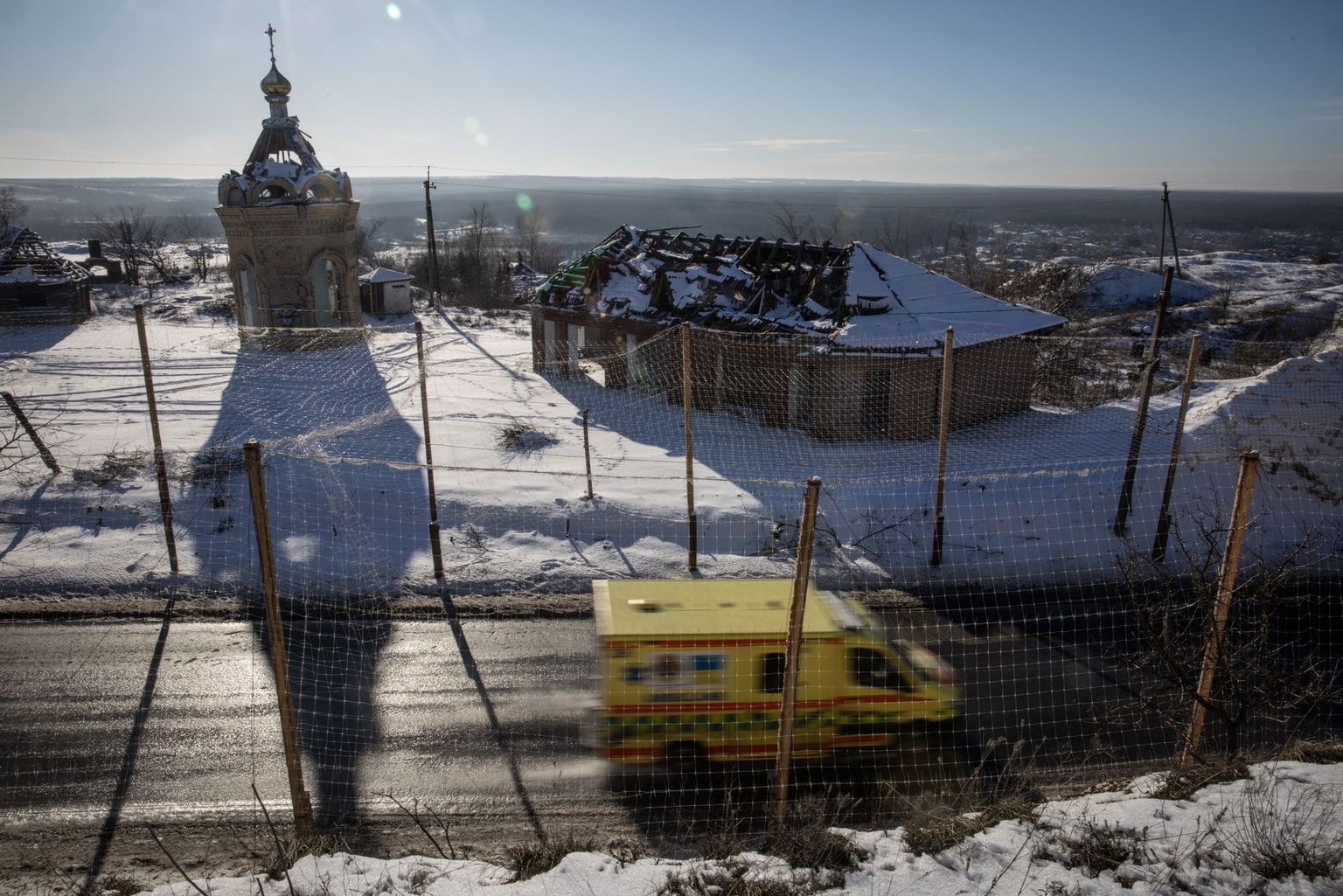
Power outages have been reintroduced in parts of the country since the start of the bad weather— including in Kyiv and several western regions. Front-line regions have struggled regardless of the weather, as Russia continues to target their energy infrastructure.
"It’s a question of the weather conditions. If the temperature rises and solar activity increases, we will be in a good position to cover all our needs," CEO of Ukrenergo, the country’s state grid operator, Vitaliy Zaichenko, told the Kyiv Independent on April 8.
The energy situation is further complicated by a series of issues, including damaged facilities, standard plant shutdowns, and rising production costs.
While Ukraine has restored 4 GW of production capacity since winter, many thermal and hydroelectric power plants are currently undergoing repairs from Russian attacks.
Combined heat and power plants — which generate heat and electricity together — were powered down at the end of the heating season in March. While this is standard practice, there are few alternatives to replace them right now.
Moreover, energy companies that generate electricity with natural gas have cut production after Kyiv ended a special gas price agreement for them, increasing their costs.
Ukraine’s three nuclear power plants, which provide more than half the country’s electricity, are also undergoing annual maintenance and servicing, with units periodically taken offline over the spring and summer. Normally, this doesn’t impact Ukrainians too much, but with limited alternative sources this spring, it has hit people harder.
Ukraine initially compensated by importing more electricity from Europe in early March when nuclear maintenance began. Since then, Ukrainian electricity prices have fallen from their extreme winter highs and even below those of some EU states.
Consequently, electricity imports have dropped. This is partly because Ukrainian traders are reluctant to buy electricity at higher prices abroad only to sell it cheaper in Ukraine, said Zaichenko.
But it also signals that Ukraine’s energy crisis, which left millions without heating and power as temperatures plummeted to -25 degrees Celsius, is stabilizing. The current blackouts, while disruptive, last only a few hours, compared to the days-long period of darkness over winter.