News from occupied Ukraine: Russia confiscating homes in Mariupol, continuing forced passportization, restriction of reproductive rights
 on Google
This weekly update from the Kyiv Independent aims to shed light on the situation facing Ukrainians living under Russian occupation and the tight control of information imposed by the Kremlin.
Key news as of March 14:
- Utility shutoffs in occupied Mariupol used to facilitate property confiscation, Ukraine says
- Russia tightens abortion restrictions in Ukraine's occupied territories
- Russia makes obtaining Russian citizenship in occupied territories indefinite, signaling consolidation
- Partisans assist in Ukrainian attacks on Russian military facilities
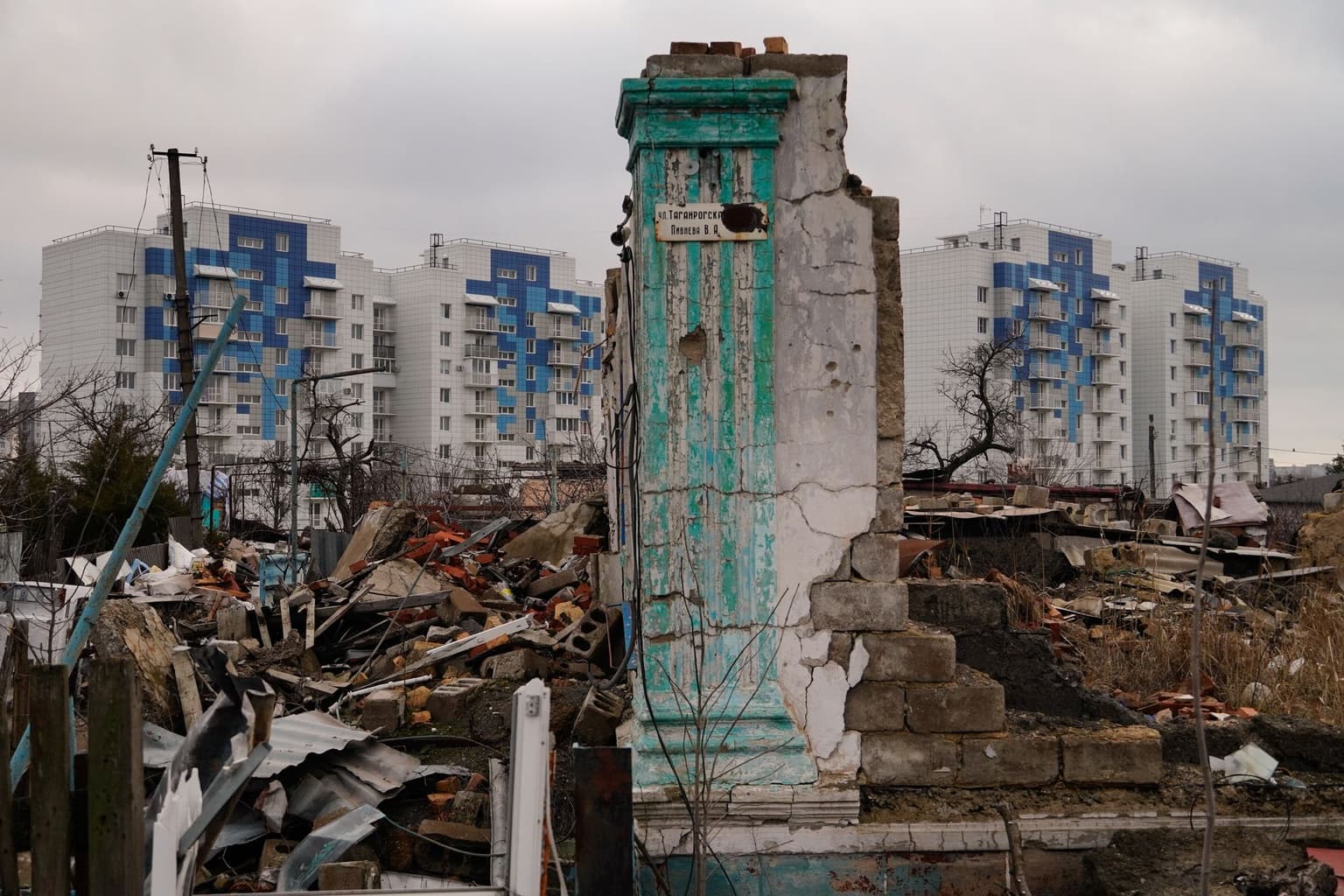
Russian occupation authorities in Mariupol are disconnecting apartments from utilities as part of a process to identify and confiscate housing, Ukraine's National Resistance Center said on March 11.
According to the center, homeowners in Mariupol are being disconnected from utilities, including electricity, and told to contact "Energosbyt Donetsk," the main electricity supplier in the Russian proxy-controlled part of Donetsk Oblast. To restore service, residents must reissue all necessary documentation and provide information about the people living and registered there.
The National Resistance Center said that while the data update is presented as a "regular procedure," the personal information is handed over to occupation authorities and can then be used to facilitate the seizure of homes.
"The disconnection of utilities becomes the first stage of the mechanism for real estate redistribution," the National Resistance Center said.


Russia tightens control over abortion in Ukraine's occupied territories
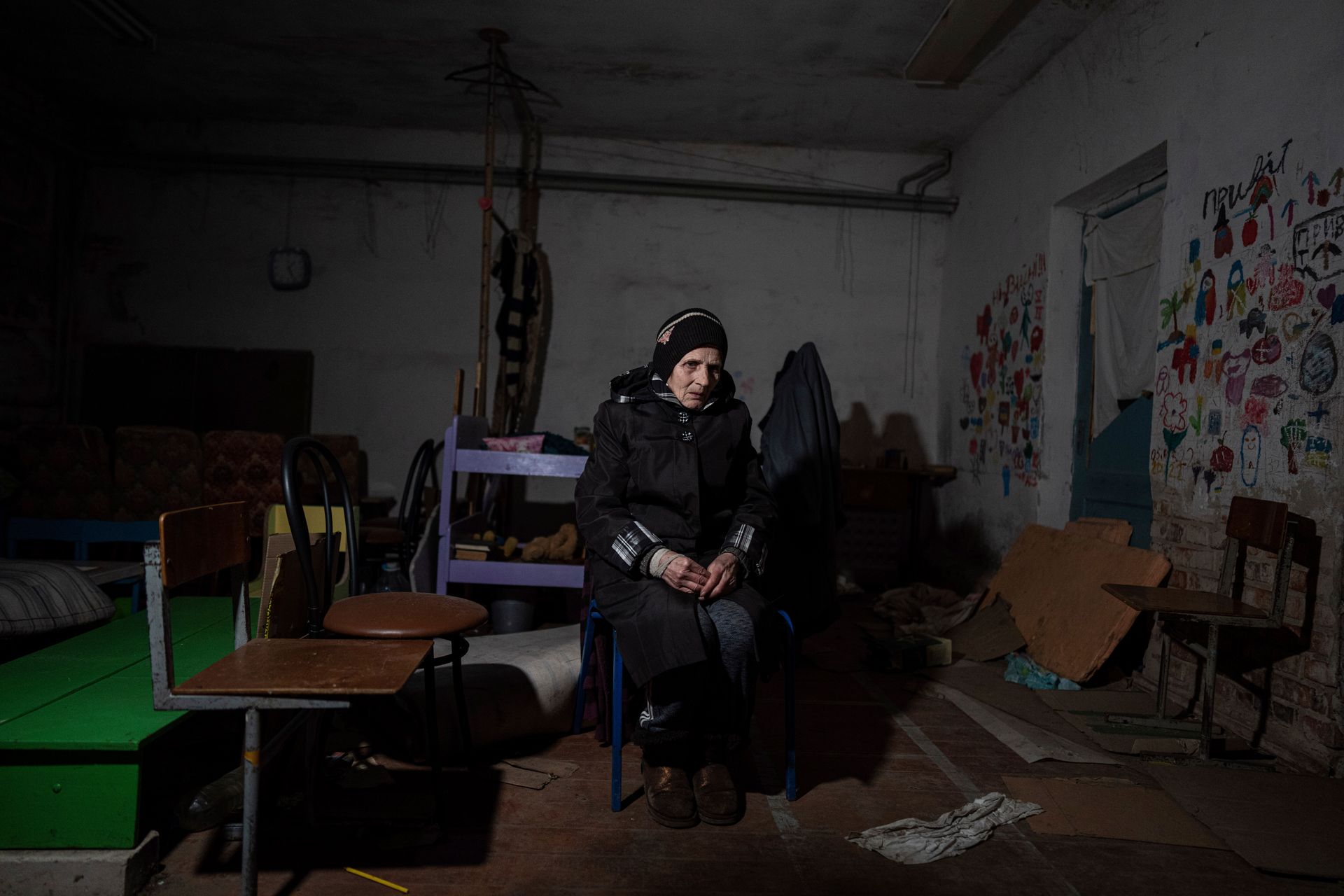
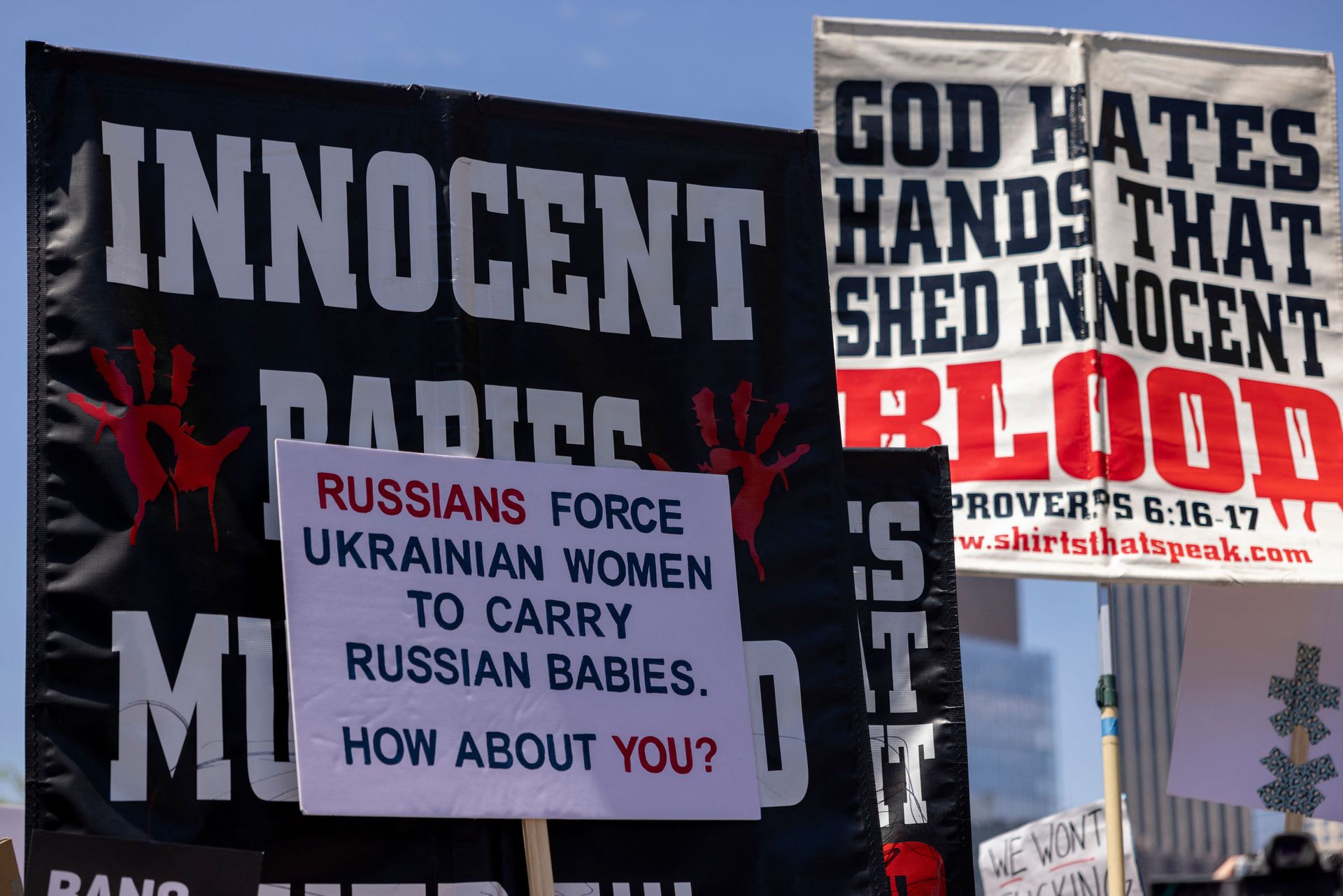
Russian-controlled authorities in occupied Ukraine are increasing restrictions on women's reproductive rights, effectively preventing them from accessing abortions, according to the NGO East Human Rights Group.
"The (Russian) regime needs children to be born, even if the child is unwanted, without proper conditions to grow up in," Vera Iastrebova, the head of the East Human Rights Group, told the Kyiv Independent.
"These children are then being raised to become future soldiers, as evidenced by the militarization of educational institutions."
Iastrebova said authorities in the occupied part of Donetsk Oblast have been taking steps to pressure pregnant women who want to have an abortion and have also placed restrictions on doctors.
Such restrictions on abortions are a consistent reproductive policy of Russia itself, against the backdrop of an escalating demographic crisis.
Iastrebova believes that women under occupation are the most vulnerable due to numerous cases of rape by Russian soldiers. She said that cases of sexual violence against women are concealed in the occupied territories.
"If a woman even claims that she was raped by Russian soldiers, she may not be granted victim status, but may instead be accused of discrediting the Russian army," she said.
Read more here...
Russia makes obtaining Russian citizenship in occupied territories indefinite, signaling consolidation
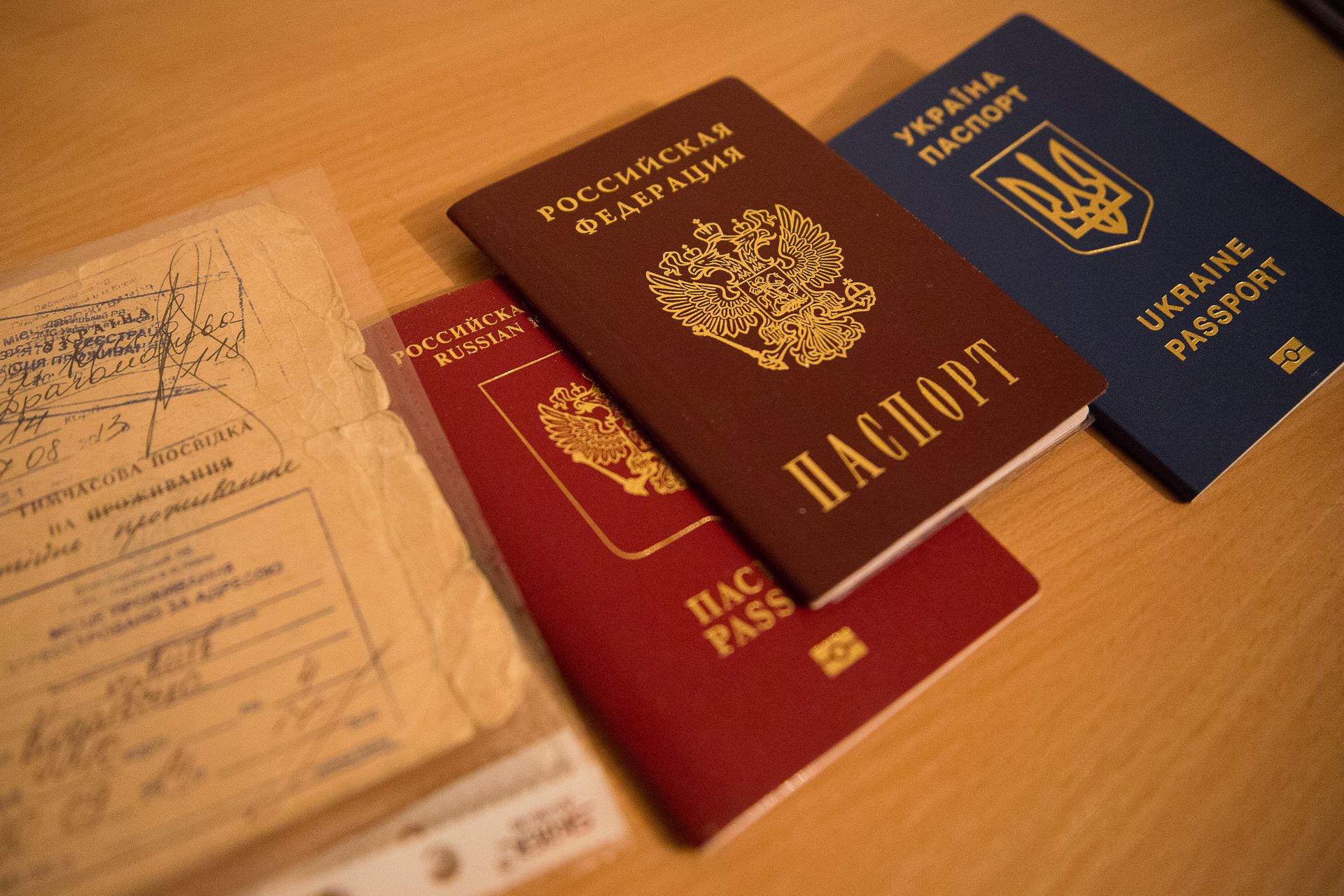
Russian President Vladimir Putin has signed a decree that indefinitely extends the ease of obtaining Russian citizenship in the occupied territories, a move that experts say is a sign that Russia is consolidating its occupation by pursuing mass passportization.
The March 4 decree removes the deadline for residents of occupied Ukrainian territories to obtain Russian citizenship through a simplified process established by a 2022 Russian law, effectively making the policy permanent.
"The goal of the new decree is to passportize as many people as possible, pressuring them," Nataliia Yurlova, lawyer for the NGO Donbas SOS, told the Kyiv Independent.
"In general, Russia has been issuing passports to Ukrainians in occupation for quite a long time, and each time new requirements are imposed on our citizens."
The previous deadline was part of a "transitional period," which is the time Russia set aside to complete the "integration" of the occupied parts of Donetsk, Luhansk, and Zaporizhzhia oblasts into its own economic, financial, and legal systems — including by requiring residents to obtain a Russian passport.
Russia has forced residents of occupied Ukrainian territories to take Russian passports since 2022, part of a broader effort to consolidate control and suppress Ukrainian identity.
Petro Andriushchenko, head of the Center for the Study of the Occupation, said the new decree signals Russia's shift from a "campaign" mode of passportization to a permanent mechanism for integrating occupied territories, forming a legal basis for further demographic and administrative changes.
Partisans involved in Ukrainian attacks on Russian military facilities
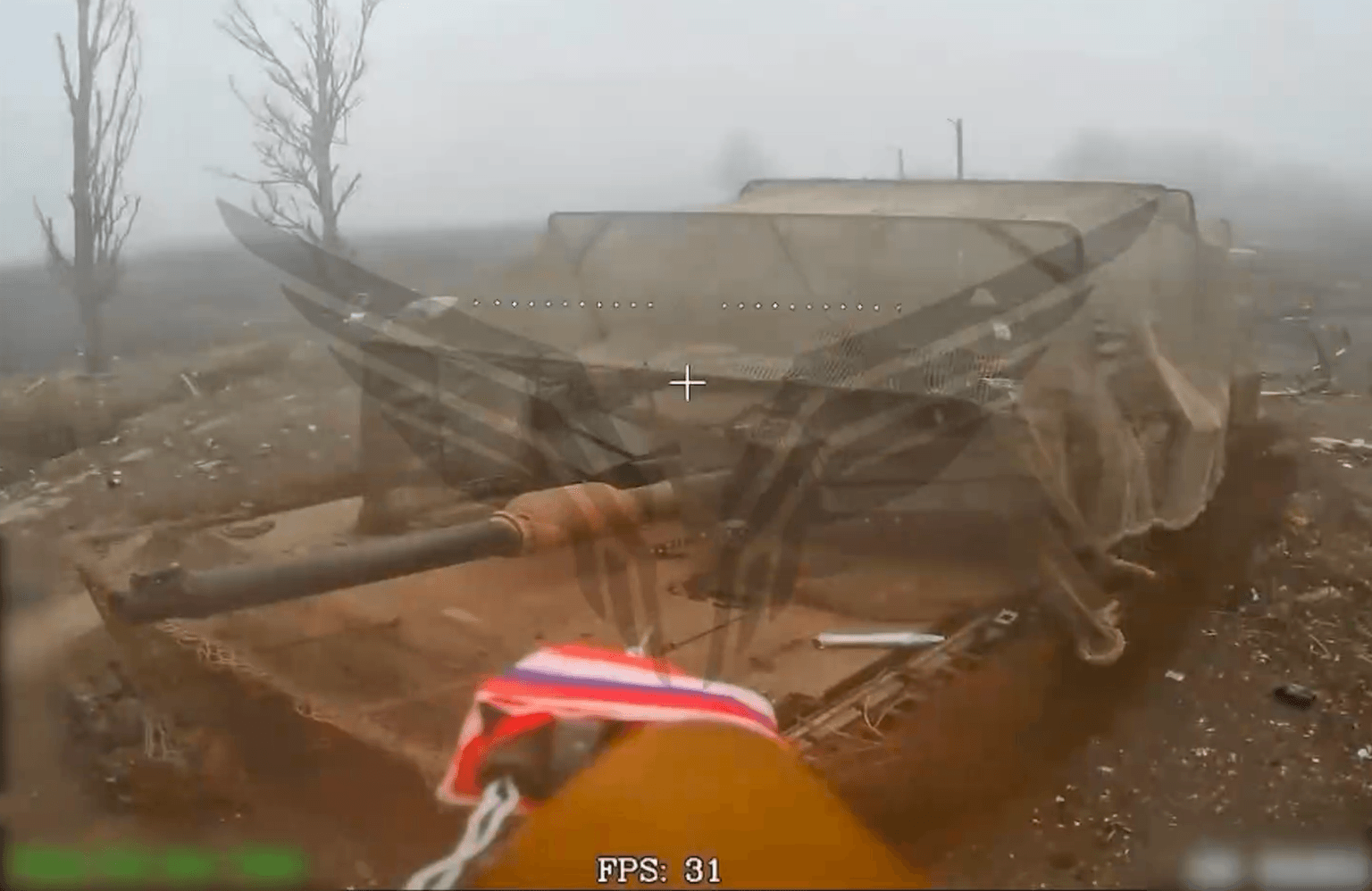
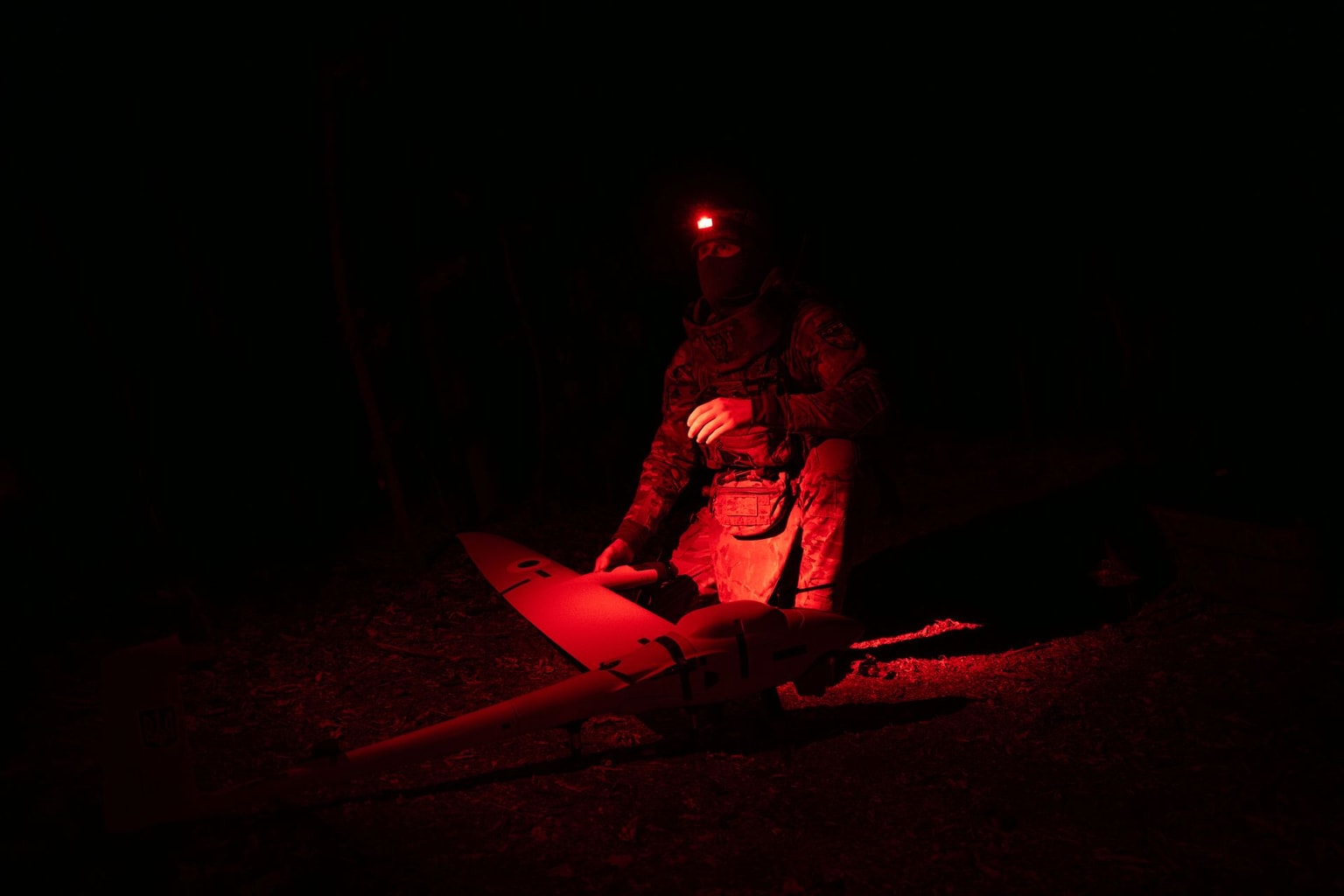
Partisans of Ukraine's Special Operations Forces (SOF) Resistance movement were involved in Ukrainian attacks on Russian military facilities in the occupied territories, SOF has said.
SOF reported on March 10 and March 11 that local partisan groups assisted in several operations in the Russian-occupied part of Donetsk Oblast and Crimea.
On March 10, front-line strike units targeted a storage base and distribution point for fuel and lubricants in Makiivka, Donetsk Oblast. The same day in the nearby city of Donetsk, Ukrainian drones struck a Volna-3 electronic warfare station that Russian forces were using to defend against unmanned aerial vehicles.
On March 11, Ukraine's Special Operations Forces said they destroyed the 64N6E radar station and its antenna in Sevastopol, occupied Crimea, which were used for Russia's S-300 and S-400 air defense systems. In the village of Shyroka Balka, Donetsk Oblast, a weapons warehouse was destroyed, and the ammunition continued to detonate.
Ukrainian forces regularly strike military facilities in Russian-occupied areas that supply weapons, fuel, and equipment to Russian troops.