Ukraine tempers expectations as Hungary's election nears
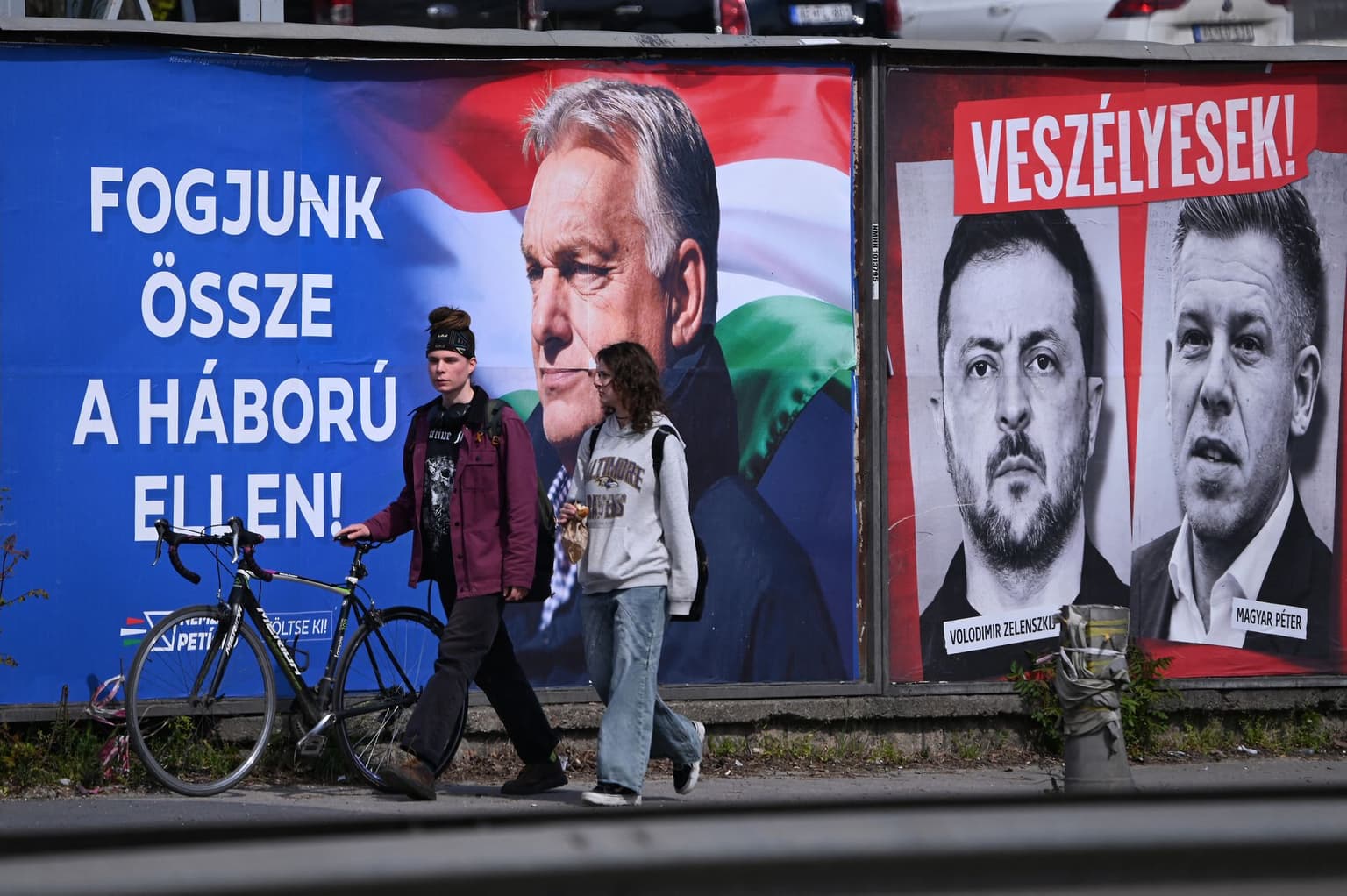
A young couple walks past billboards featuring Hungarian Prime Minister Viktor Orban (L), President Volodymyr Zelensky (R), and Peter Magyar, Hungarian prime minister candidate (R) in Budapest, Hungary, on April 10, 2026. (Attila Kisbenedek/AFP/Getty Images)
 on Google
Ukraine expects no miracles from Hungary's April 12 elections.
This weekend, Hungarian voters may end Viktor Orban's 16-year rule, potentially unblocking vital EU funding for Kyiv and its path toward membership.
But the Hungarian prime minister — backed by both Washington and Moscow — has stacked the electoral playing field in his favor. And his main challenger, Tisza leader Peter Magyar, remains an unknown quantity for Ukraine.
As the vote nears, the Kyiv Independent spoke to local experts and Ukrainian officials about their expectations.
Recent months saw Orban ramp up pressure, blocking EU aid to Ukraine and sanctions against Moscow over the Druzhba oil pipeline dispute, while whipping up anti-Ukrainian sentiment at home.
If it wins him another four years, Orban may be encouraged to double down.
"The relationship between the two countries has really hit an all-time low," Zsuzsanna Vegh, an expert in Central European politics at the German Marshall Fund of the United States, told the Kyiv Independent.
"And after the level of demonization in the Hungarian campaign, I do expect that it will be quite hard to return to anything less radical."
Even if Magyar wins, it may be difficult for him to quickly steer the ship around.
"Nothing is impossible, but there will be no miracles overnight, and everyone should be prepared for that," Volodymyr Ariev, a Ukrainian lawmaker for the opposition European Solidarity party, told the Kyiv Independent.
read also
 Martin Fornusek
 Martin Fornusek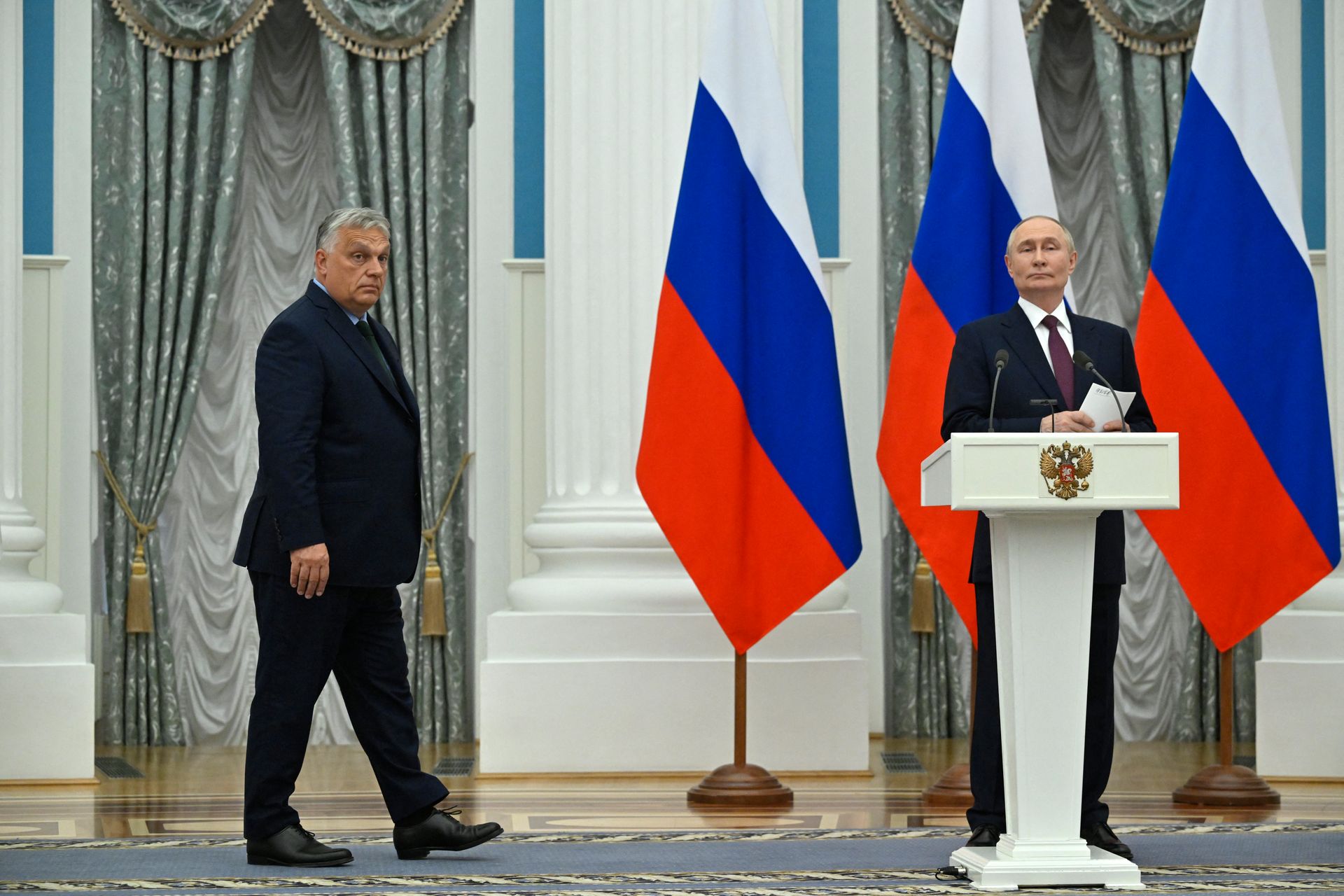
Orban, the favorite of Moscow and Washington
Polling trends are bullish for Tisza.
A recent survey by pollster Median shows the party is on track to win a supermajority: between 138 and 142 seats, compared to 49 and 55 for Orban's Fidesz and five to six for the far-right Our Homeland party.
But the result is far from certain — as history shows.
The opposition was running neck-and-neck with Fidesz ahead of the 2022 elections.
Yet Orban's electoral alliance delivered a victory, extending its supermajority to 135 seats in the 199-member parliament.
Fidesz has used its 16 years in power to tilt the election playing field in its favor by exerting control over the media, gerrymandering, and opportunistically changing election laws.
Kyiv and Brussels should not rule out the possibility of another four years of Orban in power.
"I more or less know what to expect from Orban, and we and the EU have learned how to communicate with him," a Ukrainian official, who spoke on the condition of anonymity, told the Kyiv Independent.

But other observers say Orban may become even harder to deal with after 2026.
A victory may "embolden" the Hungarian leader, says Daniel Hegedüs, deputy director at the Institute for European Politics (IEP).
The expert expects Orban to continue blackmailing Ukraine by blocking the 90-billion-euro ($104-billion) EU loan and pushing for the restoration of Russian oil transit.
Since 2022, Budapest has played the role of a spoiler within the EU, obstructing — often single-handedly — aid for Ukraine and membership talks.
It remains unclear how Brussels plans to tackle Orban for years to come, especially as Budapest's partner, Slovak Prime Minister Robert Fico, opposes any attempts to limit Hungary's voting rights.
"I don't think Viktor Orban has a strong chance of winning," Ariev told the Kyiv Independent. But if he does, it will be a "difficult scenario for Ukraine."
While tensions may cool after the election campaign, Ariev predicts that "Orban will continue pursuing policies coordinated with the Trump administration and the Kremlin."
Should Orban win by tampering with the elections, even a worse scenario may follow, Hegedüs warns.
"He will become even more isolated in the EU and even more dependent on foreign authoritarian support, may that come from Russia, China, or potentially from the new American administration," the expert said.

The upcoming elections present a unique moment in history where both Washington and Moscow favor the same candidate.
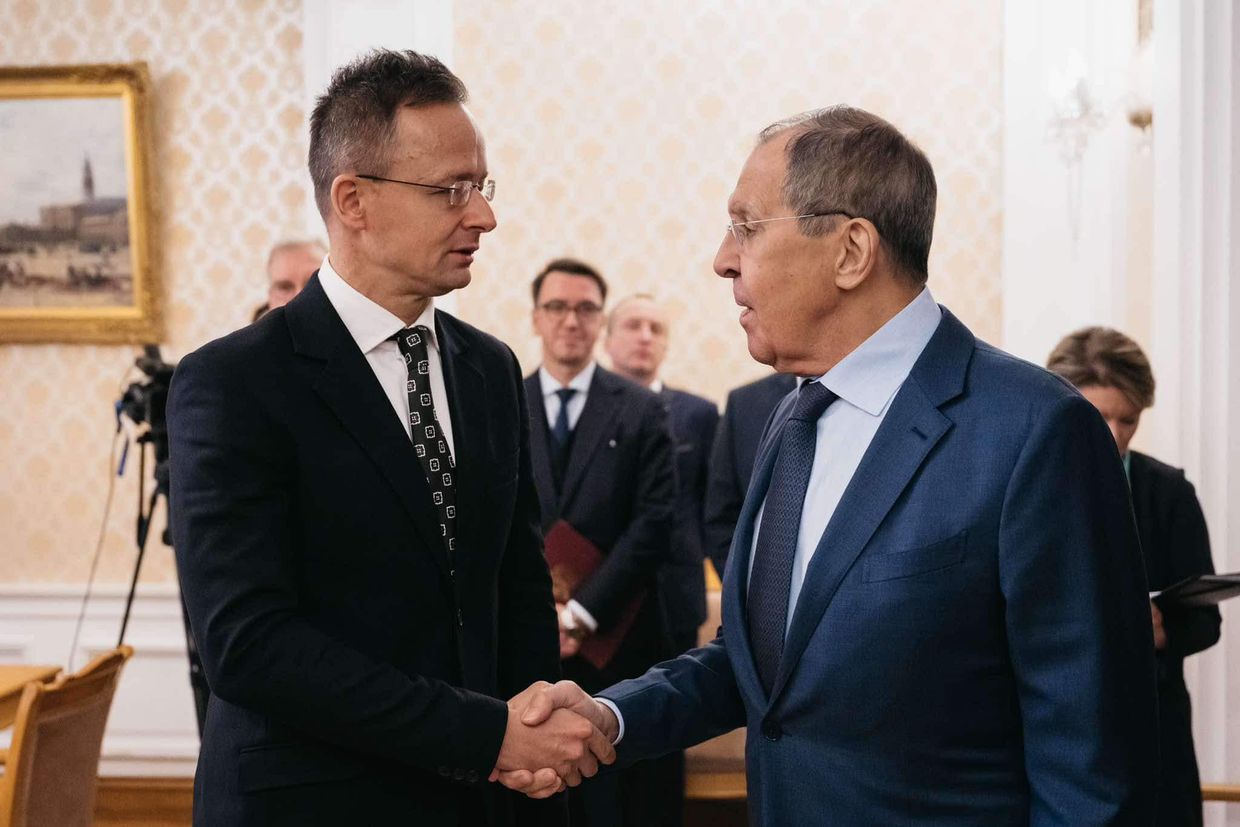
Only this week, U.S. Vice President JD Vance traveled to Budapest to publicly endorse the incumbent leader, and fresh leaks revealed just how closely Hungary has been coordinating its strategies with Moscow.
Russian intelligence operatives have also been allegedly dispatched to Budapest to sway the elections in Orban's favor.
read also
Sonya Bandouil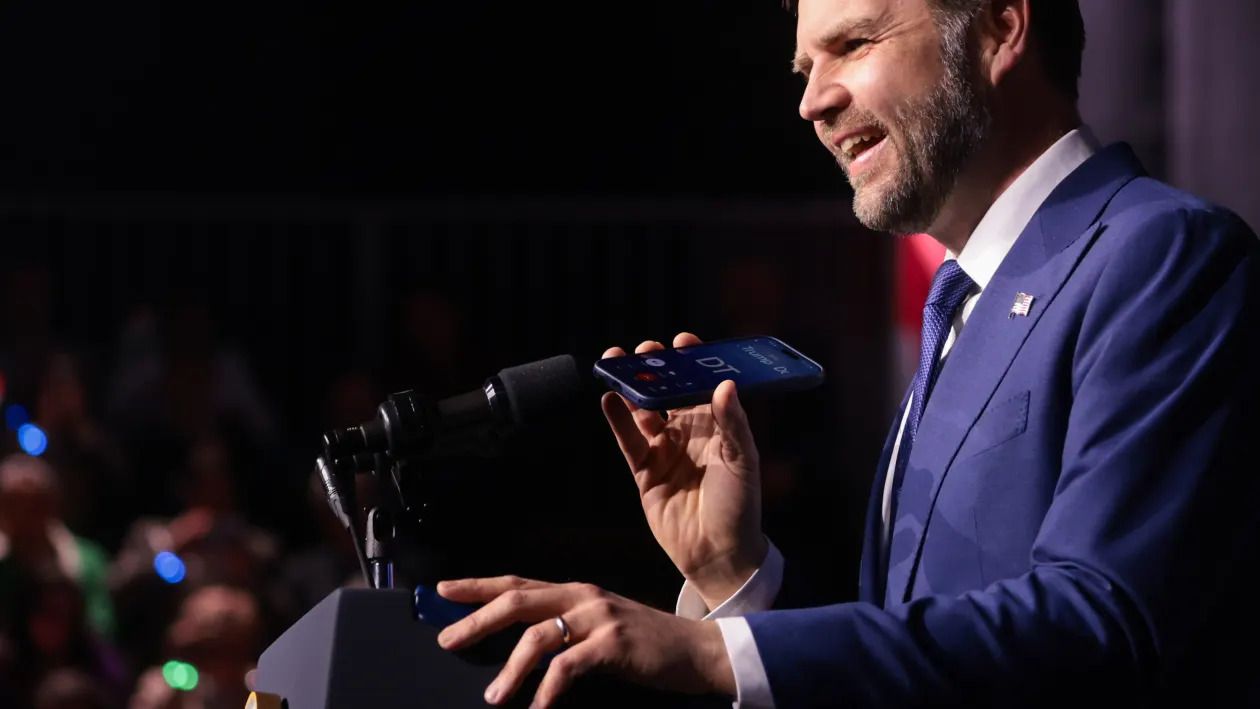 Abbey Fenbert
 Erik Uszkiewicz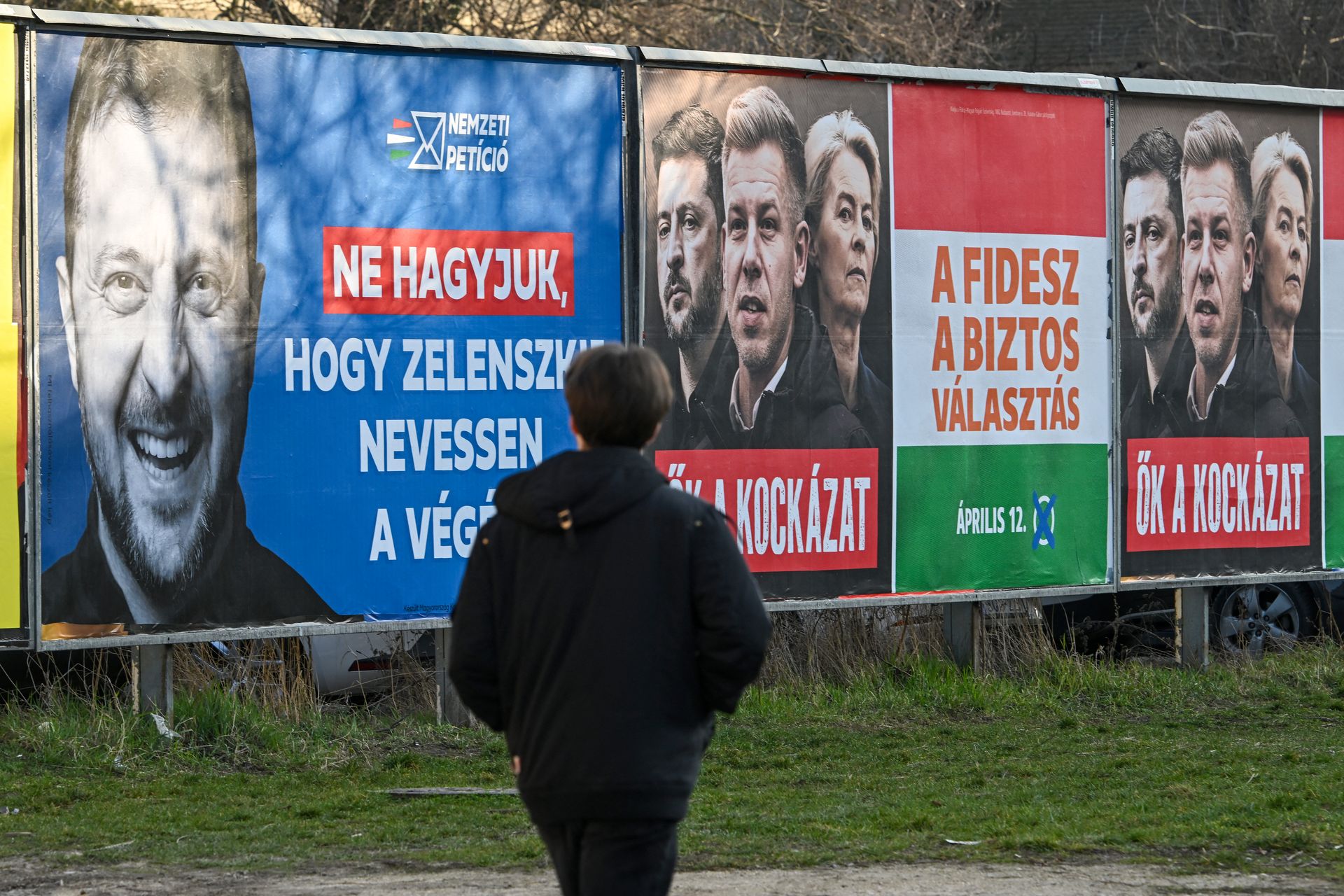
Peter Magyar, between optimism and caution
Orban's cozying up to Moscow and Washington has fueled the campaign of Magyar, who has used Vance's visit to denounce all "foreign interference."
"Hungarian history is not written in Washington, Moscow, or Brussels — it is written in Hungary's streets and squares," Magyar reacted.
It was a stark rebuke to Orban, who himself has made alleged foreign interference, chiefly by Ukraine, a central part of his campaign.
But while the opposition leader calls for a "sovereign" Hungary, he also sees it as firmly anchored in the EU and NATO.
Magyar has pledged to turn Hungary away from its drift toward eastern autocracies and back toward the West, and to restore its standing within the EU.
In his messaging to voters, the Tisza leader frames Orban's pro-Russian tilt and Hungary's energy reliance as a security liability, according to an analysis of pre-election speeches and debates by Factiverse AI.
"Where Orban frames Ukraine as an aggressor blocking Hungarian oil, Magyar frames Russia as the aggressor — and Orban as its enabler," says the April 7 report shared with the Kyiv Independent.
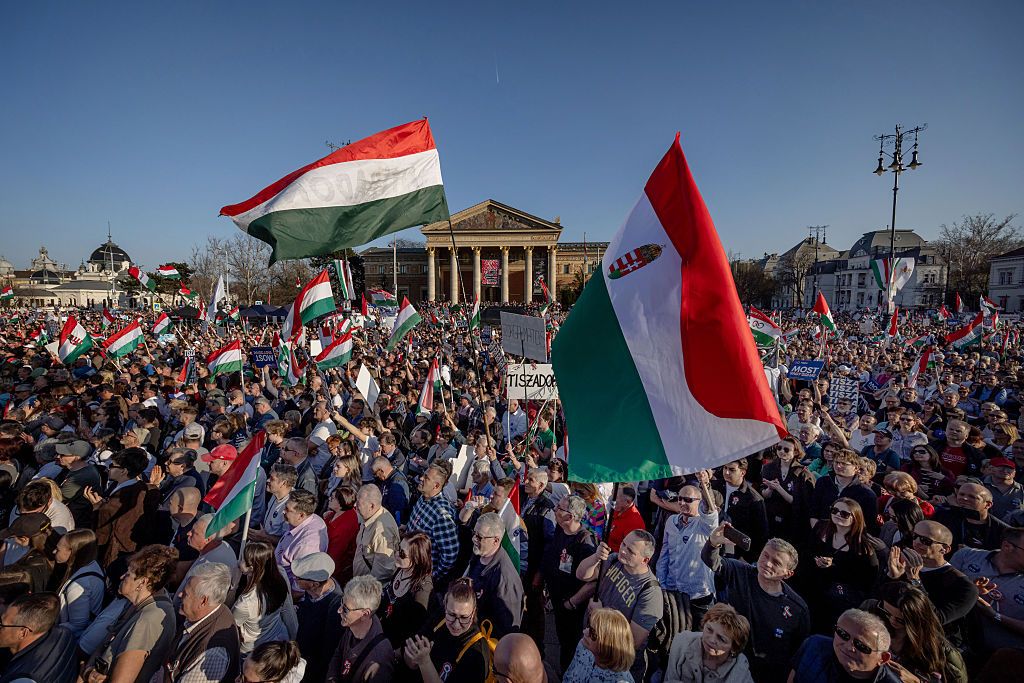
The chant "Russians go home!" is the staple of Tisza rallies, and Magyar's supporters have told the Kyiv Independent they see the upcoming election as a chance to escape Russia's shadow.
"People haven't heard anything from the government except Ukraine, Soros, Brussels," Gabriella Izsai, a Tisza supporter, told the Kyiv Independent at a rally in Sulysap outside Budapest on April 10.

"I want to be part of Europe, not just physically. I don't want people falling out of windows, I don't want Putin."
Other Tisza supporters also see Magyar's victory as a chance to mend relations with their Ukrainian neighbors.
"I hope very much that we will push back the Russians all the way to Moscow and beyond, and that the party will support Ukraine," said Laszlo Szenasi, another Tisza supporter.
"I hate them, I hate the Russians, especially Putin. We will do our best, for us and for Ukraine."
While Orban's government has only deepened reliance on Russia in the oil, gas, and nuclear sectors, Magyar pledged to reverse course.
Tisza aims to end energy dependence on Russia by 2035 and to review Hungary's nuclear power plant project led by Russia's Rosatom.
Yet, Magyar said he does not plan to end Russian imports overnight, and aims to pursue a "pragmatic" relationship with Moscow.
Nor do experts and officials expect a 180-degree turn in Ukraine policies.
"I think we also need to be clear-eyed about the fact that Tisza is not a pro-Ukrainian party," Hegedüs said.

Magyar has ruled out sending Hungarian arms to Ukraine, rejected fast-tracking Kyiv's EU accession process, and largely avoided making strong statements on his future Ukraine policy.
Long-standing issues, such as the rights of the Hungarian minority in Ukraine, will also remain central to the relationship, Vegh believes.
The main hope Magyar brings is to replace Orban's confrontationalism with a more consensus-driven approach, especially at the EU level.
"It's hard to predict at the moment what (Magyar's) policy towards Ukraine will be," a Ukrainian official told the Kyiv Independent.
"It's natural for us to expect that Hungary, as our neighbor, will be a friendly, pro-Western, pro-democratic state and will be supportive of Ukraine on our way to joining the EU and NATO."
Ariev said he does not expect speedy decisions on improving the relationship, though the "level of tensions would decrease fairly quickly."
Kyiv would need to use "all possible avenues of cooperation" with the new Hungarian government, the lawmaker added, to "improve Ukraine's image in Hungary, significantly damaged during Viktor Orbán's time in power."
Kyiv Independent reporter Francis Farrell contributed reporting.

Note from the author:
Hi, this is Martin Fornusek.
I hope you enjoyed this article. In our team, we believe fact-based and truthful reporting should be available to all – that's why we don't use any paywall.
If you want to see more in-depth coverage of regional politics and how it shapes Ukraine's struggle against Russian aggression, please consider joining the Kyiv Independent community.