Ukrainian drones strike 7 Russian shadow fleet vessels, energy infrastructure facilities in occupied Crimea, military says
 on Google
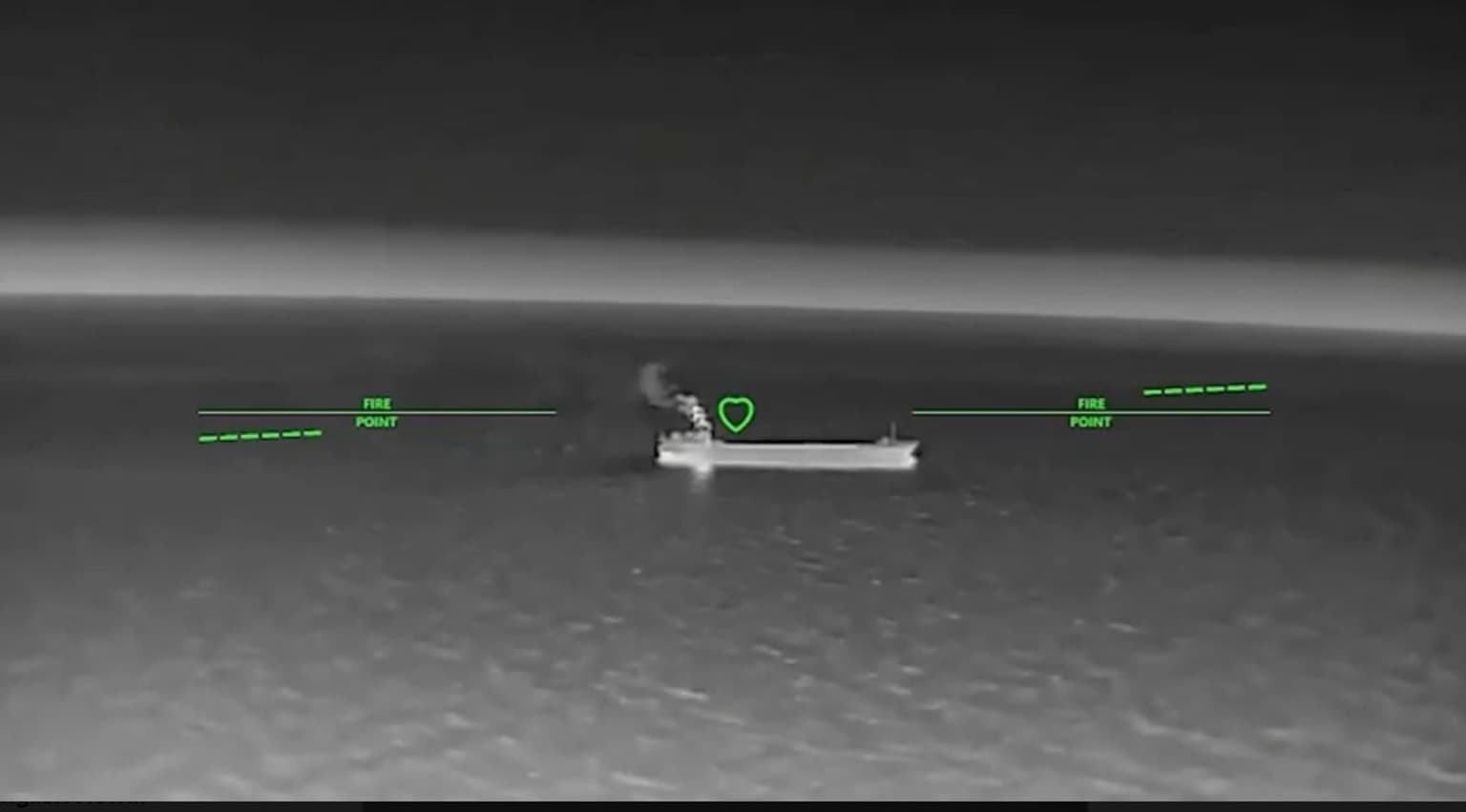
Ukrainian drones struck seven Russian shadow fleet vessels, seven energy facilities in occupied Crimea, among other military targets, overnight on July 20, Unmanned Systems Forces Commander Robert "Madyar" Brovdi said.
Three tankers and four dry cargo ships were hit in the Black and Azov seas as part of Operation "MoLoCHKa," according to Brovdi. He did not identify the vessels or specify the extent of the damage.
The operation, whose acronym translates from Ukrainian as "Moscow will fall because of Crimea," began on July 6 and aims to disrupt Russia's shadow fleet and logistics. Brovdi claimed that Ukrainian forces had struck 183 vessels between July 1 and 20, including 119 in the Azov Sea and 64 in the Black Sea.

As part of a separate campaign dubbed "Crimean Switch Off," Ukrainian drones targeted seven energy hubs and electrical substations in Yalta, Morske, Pryvitne, Luchyste, and other locations in Russian-occupied Crimea, Brovdi said. Ukrainian forces have targeted 103 energy facilities under the campaign since the beginning of July, according to the commander.
Brovdi added that Ukrainian forces destroyed six Russian air defense assets in Yeysk, Primorsko-Akhtarsk, and Kamyshevatskaya in Russia. The targets included a Tor-M2 air defense system, two Nebo-SV radar systems, and Nebo-U, Kasta-2E2, and Gamma-S1M radars.
According to Brovdi, Ukrainian drones have destroyed 25 Russian air defense assets since July 1, including 12 air defense systems, 12 radar systems, and one electronic warfare system.
The Kyiv Independent could not independently verify the claims.
Brovdi also said on July 19 that the strikes had reduced the capacity of the Kerch Strait ferry service between Russia and occupied Crimea by 75%.
Three of the five ferries serving or held in reserve for the route have been destroyed, while the remaining two have lost the ability to move under their own power and are being used as barges pulled by tugboats, according to the commander.
Before the operation, the ferries could transport between 180 and 250 vehicles per day, around 80% of which supported the Russian military, Brovdi said. The Kerch Strait is a critical logistical route that Moscow uses to transport personnel, equipment, and supplies between Russia and occupied Crimea.