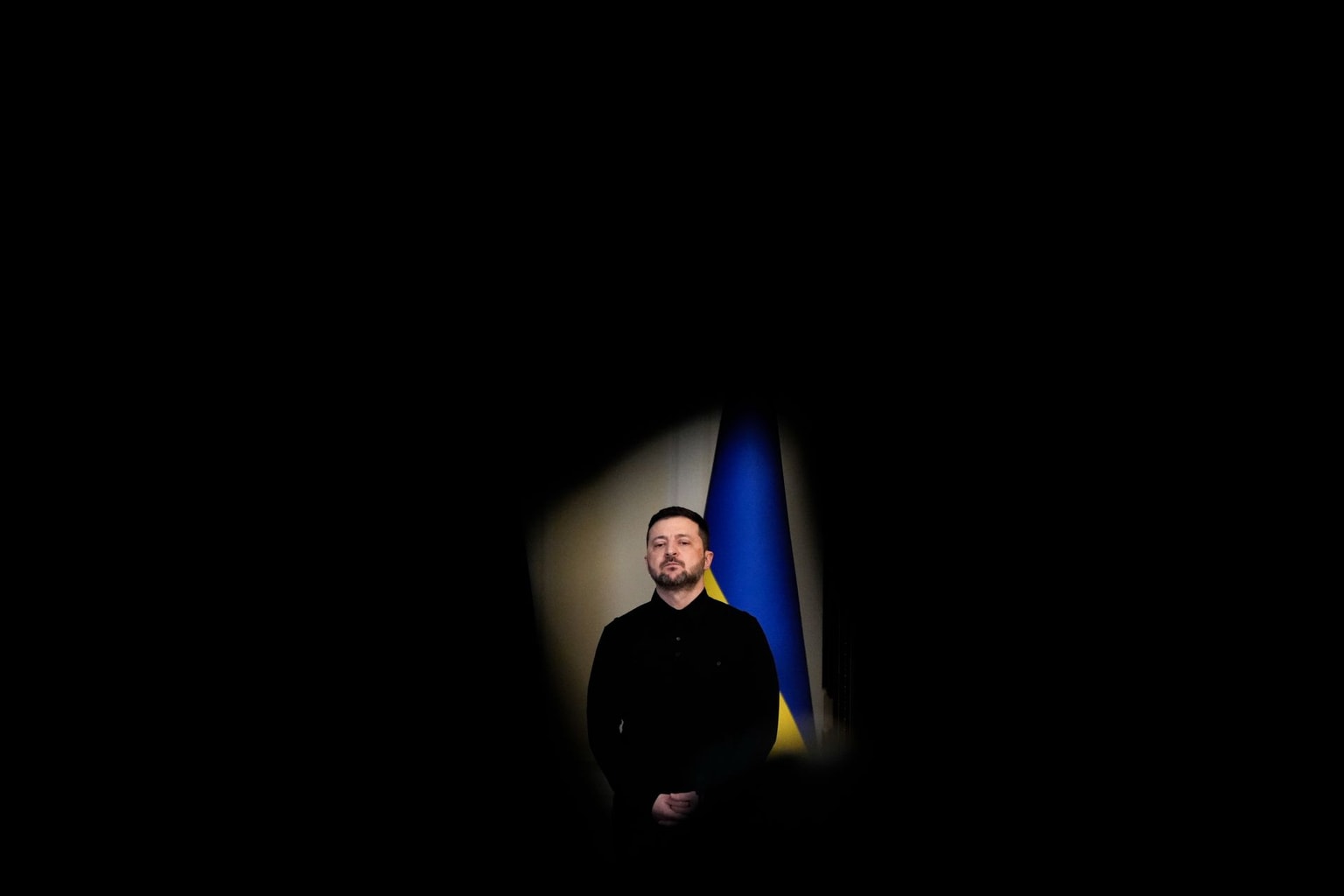
Russia seeks to disconnect Ukraine's nuclear power plants, HUR says, risking potential meltdown
 on Google
Moscow is planning to strike substations connected to Ukraine’s three active nuclear plants in western and southern Ukraine to completely disconnect Ukrainians from heat and power, Ukraine's military intelligence (HUR) warned on Jan. 17.
Ukrainians across the country are already grappling with limited power and heating as Russia decimates Ukraine's energy facilities. But disconnecting its nuclear power plants would take the crisis one step further — Ukrainians would be fully cut off from electricity and heating in subzero temperatures.
Russia's strategy is "to force Ukraine to accept unacceptable capitulation demands to end the war," HUR said. Already, the agency says Russia has conducted reconnaissance of ten critical energy substations in nine regions of Ukraine.
The recent mass attacks on energy facilities have prompted intervention from the UN’s International Atomic Energy Agency (IAEA), which will send a team to assess 10 substations critical to nuclear safety, although it's not clear when.
The IAEA did not reply to the Kyiv Independent's inquiry by the time of publication.
"Russia is always trying to disconnect our nuclear plants, and it’s really dangerous for nuclear safety, not only for Ukraine but for the whole of Europe," Vitaliy Zaichenko, the CEO of Ukrenergo, Ukraine's state grid operator, told the Kyiv Independent.

Electricity is needed at nuclear plants for safety reasons, such as reactor cooling systems. If an active plant is disconnected, it then relies on backup diesel generators to keep operating. If those generators fail, a nuclear meltdown can happen in hours.
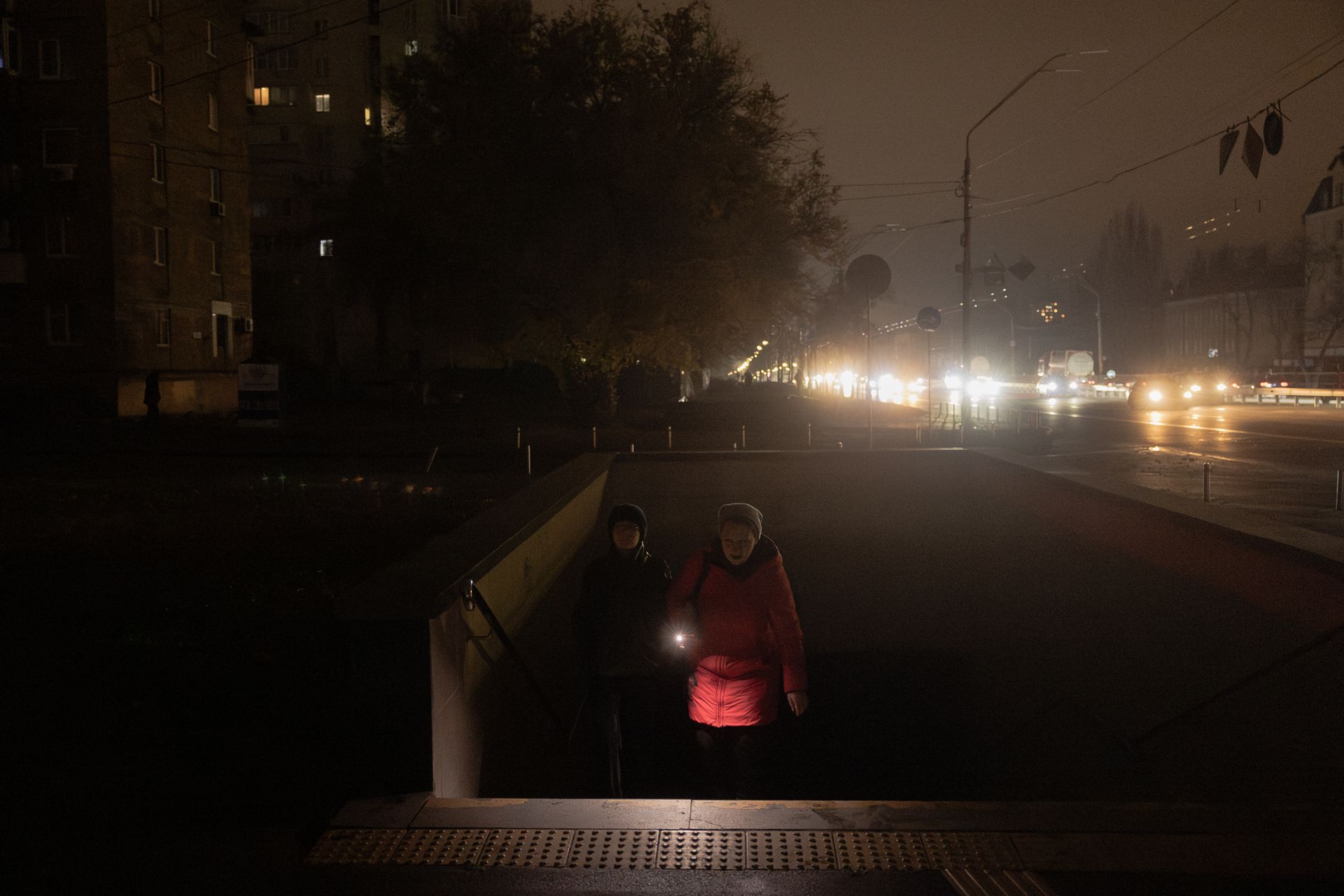
Russia's months-long campaign against Ukraine's energy infrastructure has led to controlled power outages across the country to avoid overloading the grid, leaving millions without power. As the crisis worsened, the government announced a state of emergency in the energy sector on Jan. 14.
Russia hasn't directly targeted Ukraine's nuclear power plants, which are operated by state-owned firm Energoatom. But Russia has damaged and destroyed most of Ukraine's other generation facilities, including thermal power and hydroelectric plants.

With most other generation facilities down, nuclear energy is the main source of Ukraine's electricity. If nuclear power is cut off, Ukraine will be unable to generate enough electricity to heat and power the country.
Ukraine's Foreign Minister, Andrii Sybiha, said Kyiv is sharing intelligence data on the potential strikes with foreign partners in hopes of mounting pressure on Russia.
"Moscow knows no limits in its genocidal goal of depriving Ukrainians of power amid freezing winter. ... It is high time for the world, including the IAEA and major global powers that value nuclear safety, to speak up and issue clear warnings to Moscow and force it to abandon such reckless plans," he wrote on X.
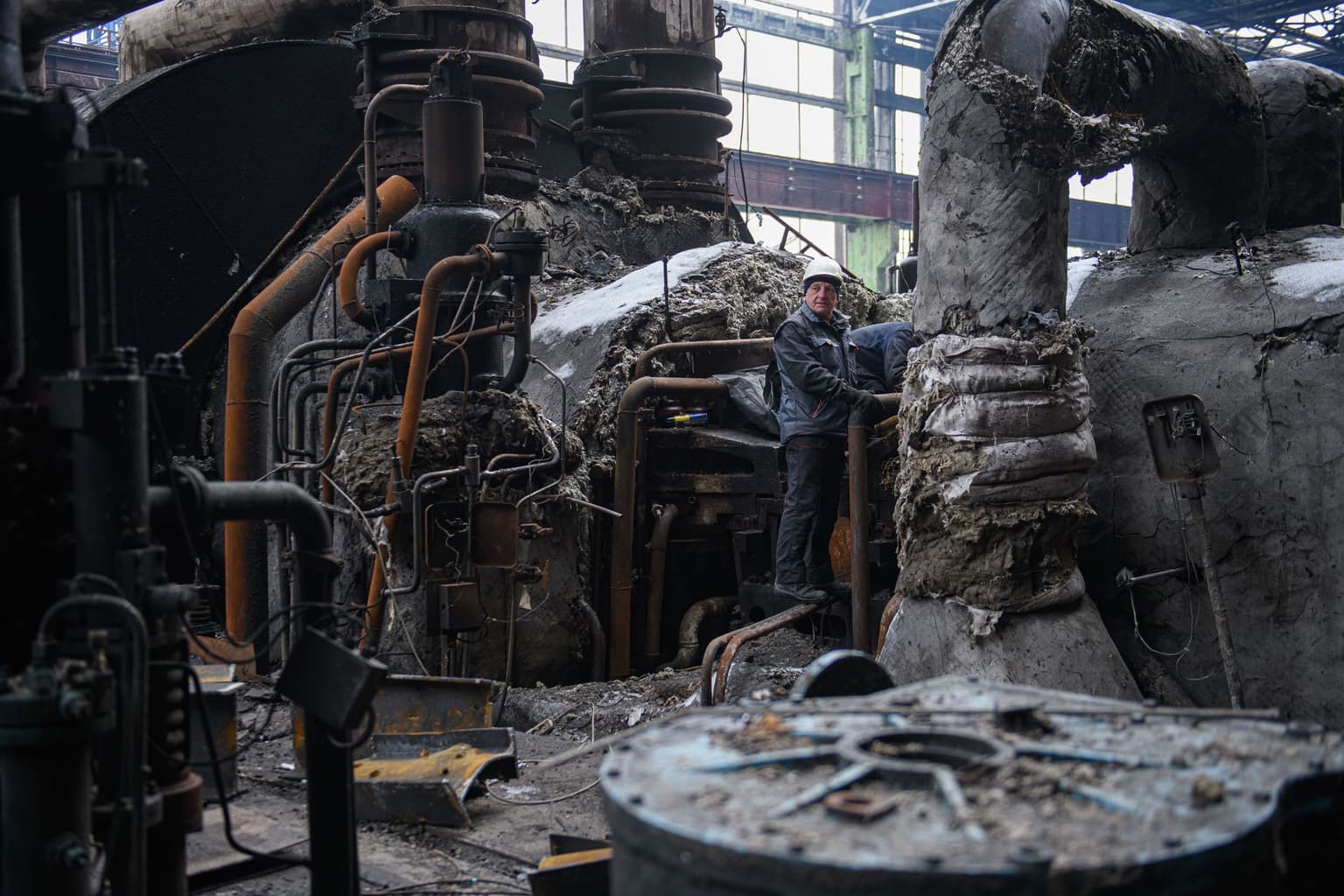
While energy workers are working around the clock to repair damage, they are hindered by icy, subzero temperatures and constant attacks. Recently, the frequency of Russia's strikes hasn't given workers enough time to fully repair facilities before they are hit again.
So far, Ukraine has managed to avoid a total collapse of the energy grid, but Russia's strikes are pushing the country closer and closer to the edge, Jan Vande Putte, a nuclear expert at Greenpeace, told the Kyiv Independent.
"This is all strategy from Russia to go step by step and increase the risk level," he said, adding that Russia’s state nuclear firm, Rosatom, knows which substations to hit to disconnect Ukraine's nuclear plants.
If Ukraine's energy grid does suffer a total collapse, it will be extremely difficult to reboot the system without its hydroelectric and thermal power plants.
"It could take a long period of time before you can supply electricity back to the nuclear power plants. That would be a very dangerous situation," Vande Putte said.