Ukraine charges Russian general with killing Reuters employee in Kramatorsk
 on Google
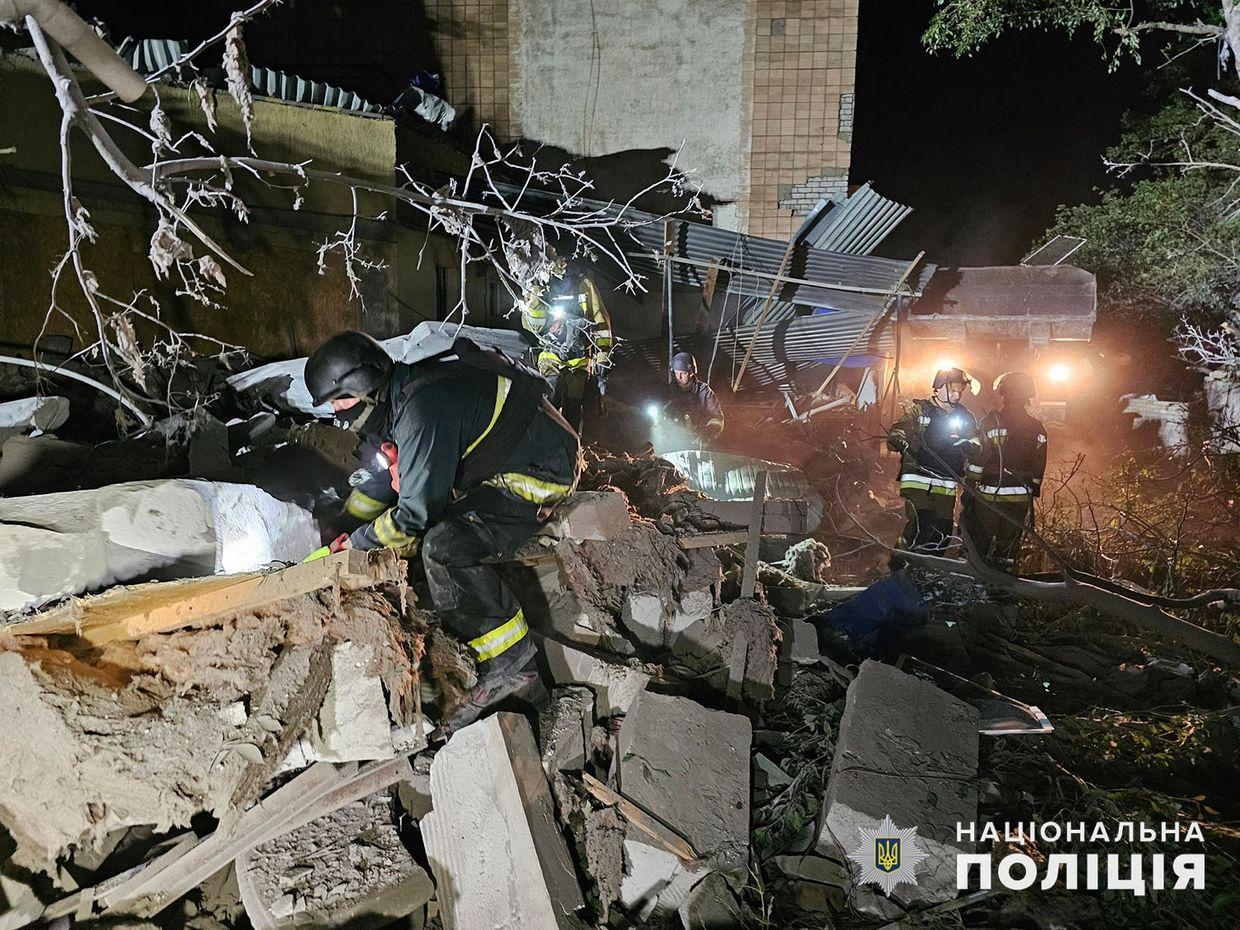
The Security Service of Ukraine (SBU) announced on Dec. 20 that it had gathered evidence against Colonel General Alexei Kim, the Russian officer allegedly responsible for the Aug. 24 missile attack on the Sapfir Hotel in Kramatorsk, Donetsk Oblast.
The strike killed Ryan Evans, a British security adviser for Reuters, and injured six others, including two Reuters journalists.
Kim, a deputy chief of Russia's General Staff, signed the directive and issued the combat order for the Iskander-M ballistic missile strike, according to the SBU.
The SBU said that Kim directed one of his missile units to target the hotel despite it being occupied solely by civilians.
SBU investigators charged Kim in absentia under Ukraine's Criminal Code with waging a war of aggression and violating the laws and customs of war.
The charges align with Ukraine's broader efforts to hold Russian military leaders accountable for targeting civilian infrastructure and committing war crimes.
This development follows the Dec. 17 assassination of Lieutenant General Igor Kirillov, head of Russia's radiation, chemical, and biological defense forces, in an alleged SBU operation in Moscow.
Ukrainian prosecutors had previously charged Kirillov with deploying banned chemical weapons in the conflict.