EU Parliament session, loan disbursement, peace talks signals — key events for Ukraine next week
 on Google
Editor's note: This article is a shortened on-site version of KI Insights' public newsletter, The Week Ahead, covering events from April 27 - May 3. Sign up here to start your week with an agenda of Ukraine-related events delivered directly to your inbox every week.
Audio version of The Week Ahead is now available on Spotify, Apple Podcasts, and YouTube.
The recently approved €90 billion loan for Ukraine is now moving toward disbursement, unlocked alongside the EU's 20th sanctions package after Hungary and Slovakia dropped their objections. Peace negotiations remain stalled. Moscow is signaling openness only on its own terms. Ukraine's parliament will convene for a plenary week centered on extending martial law and advancing EU and IMF-required legislation.
EU Parliament plenary, €90 Billion Loan for Ukraine Moves Forward
The European Parliament will hold its plenary session from 27 to 30 April. Ukraine will feature on the agenda on Tuesday, when MEPs are set to debate ensuring accountability for Russia's continued attacks against civilians in Ukraine. A vote on the corresponding resolution is scheduled for Thursday.
Following the approval of a €90 billion loan for Ukraine, the disbursements are expected shortly, by the end of the second quarter of the year. A disbursement of €45 billion is expected this year. One third of the funds will be allocated to macroeconomic support, while the remainder will strengthen Ukraine's capacity to invest in its defense industrial base.
This decision removes the risk of Ukraine running out of cash at the beginning of summer, a concern that had been looming in recent months.
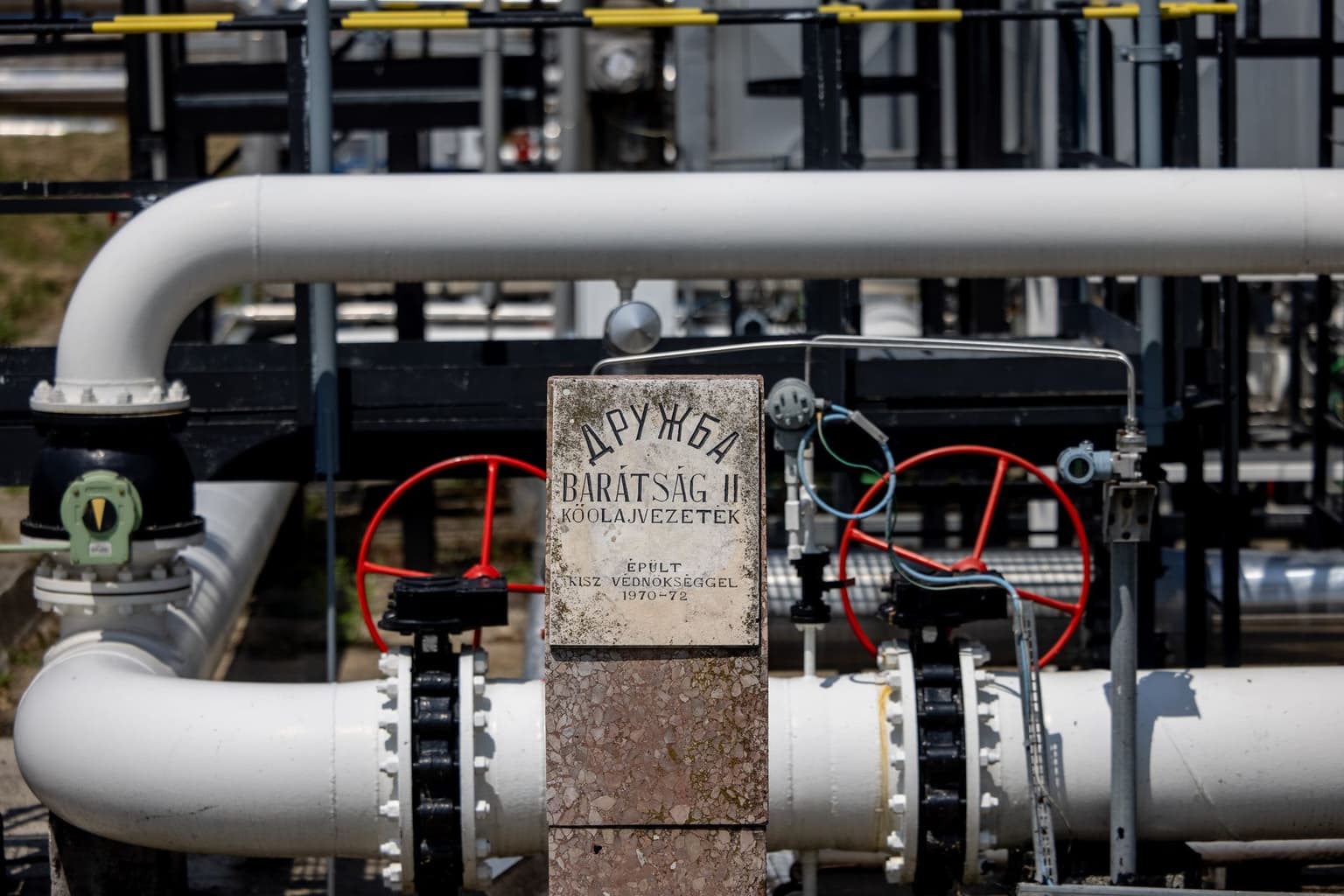
The breakthrough became possible after the resumption of operations on the Druzhba oil pipeline and the renewal of Russian oil supplies to Hungary and Slovakia. In addition to the loan, the EU also adopted its 20th sanctions package against Russia, which had previously been blocked by these two countries.
Russia to Cut Kazakh Oil Transit via Druzhba
Russia is planning to halt the transit of Kazakh oil to Germany via the northern branch of the Druzhba pipeline from 1 May. A complete suspension could cut supply to the PCK refinery in Schwedt by around 17%, which provides fuel to the Berlin and Brandenburg regions.
The move comes as the EU introduces a new package of sanctions against Russia, including additional restrictions on the energy sector – most notably a ban on seaborne oil transport using the so-called "shadow fleet."
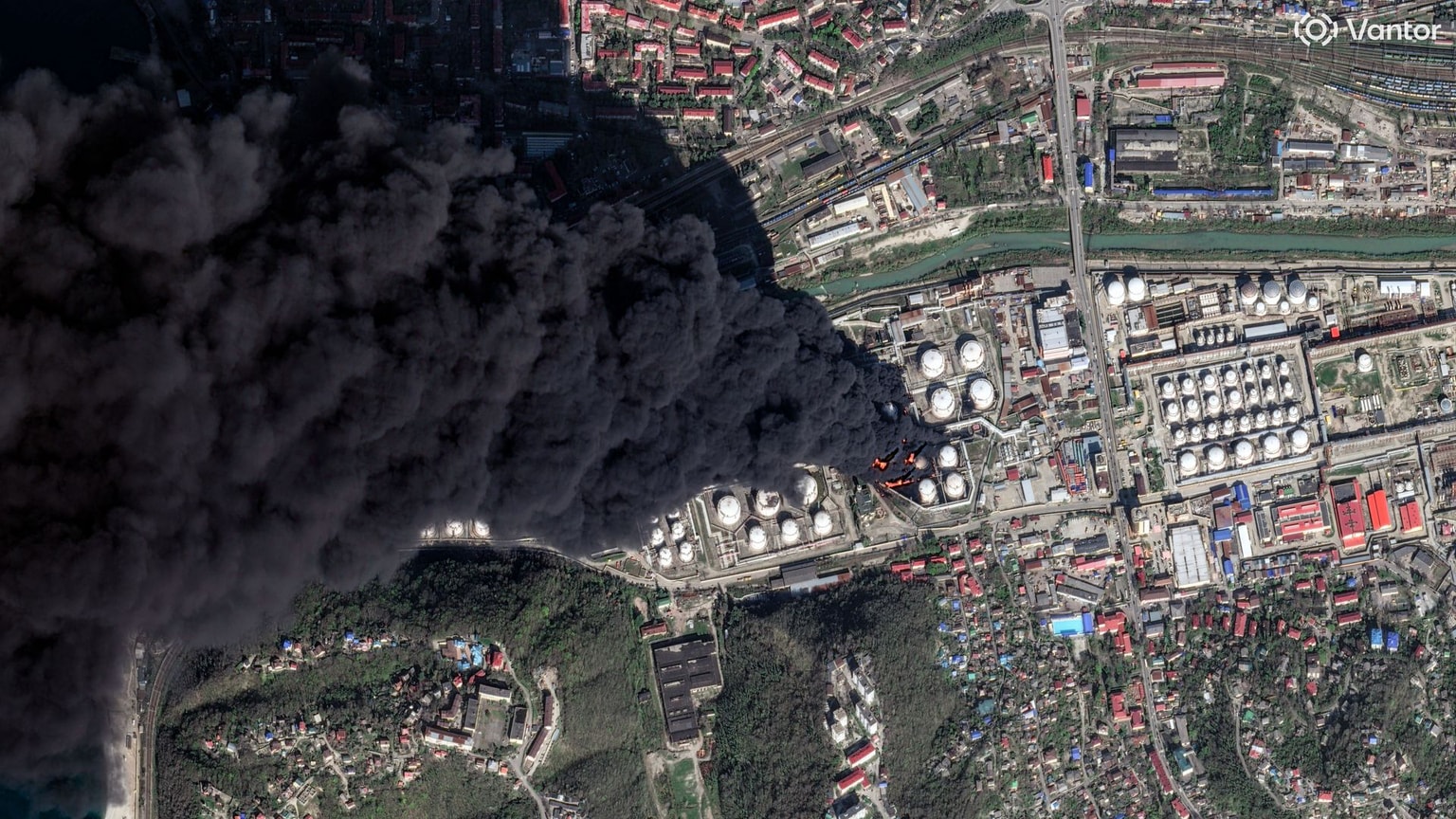
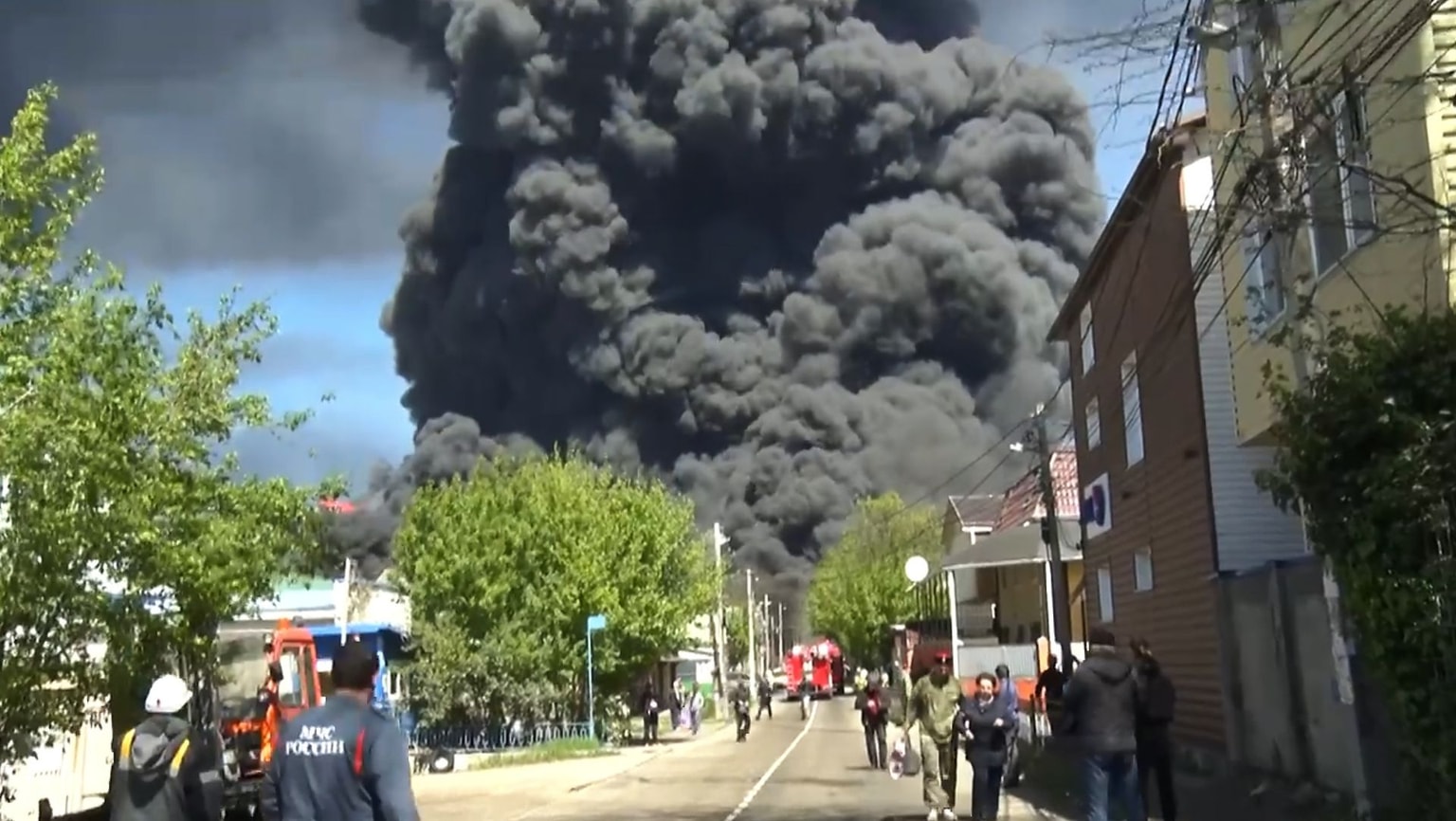
As for Russian oil, revenues from its sale remain elevated. Continued Ukrainian strikes on oil infrastructure, including in the Black Sea port city of Tuapse, led to a decline in export volumes at the end of March; however, shipments resumed growth in April.

Peace Talks at a Standstill
Peace talks between Russia and Ukraine, put on hold amid the US war in Iran, are unlikely to resume in the near term, though renewed messaging and diplomatic signaling are expected next week.
The Kremlin has recently indicated openness to a meeting between the two presidents, but only on Russia's terms. In particular, it rejected Volodymyr Zelensky's proposal for a meeting in Turkey involving Recep Tayyip Erdogan and Donald Trump. Moscow has also stated it would only agree to talks aimed at finalizing a pre-prepared deal, underscoring its continued unwillingness to compromise.
Zelensky has also not ruled out a visit by US envoys, Steve Witkoff and Jared Kushner, and Kyiv continues to await their arrival.
War in Ukraine is no longer defined by artillery. In the latest Ukraine Insights episode, Preston Stewart explains what this shift means for modern warfare and what could come next. Available on YouTube, Spotify, and Apple Podcasts.
Verkhovna Rada Plenary Week
The next plenary week of the Verkhovna Rada will take place from 28 April to 1 May. The most significant item expected is a vote on extending martial law for a further 90 days, with the current term set to expire on 4 May.
The Ukrainian parliament is also scheduled to consider a series of legislative proposals required under the EU's Ukraine Facility program. In particular, lawmakers will review:
- Draft Law No. 11520 on public procurement (second reading),
- Draft Law No. 13478-1 on restoring competitive recruitment procedures and improving the framework for entry into, service in, and termination of the civil service (first reading),
- Draft Law No. 14327-D on aligning Ukraine with the criteria of the European Payments Council to enable accession to the Single Euro Payments Area (SEPA) (first reading),
- Draft Law No. 12307 amending the Civil Code to regulate factoring (first reading),
- Draft Law No. 15024 on simplified bankruptcy procedures for small businesses (first reading).
Meanwhile, IMF-related legislative reform requirements - essential for the disbursement of much of the €90bn loan remain stalled in the Rada. Find out why, and what this means for Ukraine's fiscal situation at the next KI Insights briefing, "Budgetary Permacrisis: Ukraine's fiscal challenges in 2026," on 30 April. Register here.


Events and Milestones:
Next week:
- 26 April, Kyiv. Offline event: B4 Ukraine Coalition Conference. Defunding, Disarming, and Isolating Russia's War Machine: a Strategic Stockstate and Path Forward. The conference will focus on assessing the effectiveness of strategies deployed by our network since 2022 and on identifying priorities for the future. Read more here.
- 27 April, London. Offline event: UK-UA Defense Tech Forum. The event enhances collaboration among Ukrainian, British, and international defense tech firms, alongside the VC community, to scale up production and accelerate R&D and innovation. Register here.
- 28 April, Online: The Ukraine Model: Lessons in Defense, Industry, & Innovation. KI Insights special presentation that offers a structured, high-level overview of what has made Ukrainian innovation effective under wartime conditions, which approaches are transferable to other contexts, and what developments to watch. More details here. Register here.
- 30 April, Online. Budgetary Permacrisis: Ukraine's fiscal challenges in 2026. KI Insights monthly briefing that includes a presentation by Research Editor, Alex Fynn, and the Kyiv Independent Economics Reporter, Luca Léry Moffat. More details here. Register here.
- 30 April. Border Guard Day in Ukraine.
Further ahead:
- 7 May, Lviv, in Ukrainian. Offline event: V Conference on Customs Law and International Trade. Organized by the Association of Lawyers of Ukraine, the conference will serve as a professional platform for discussing recent changes in customs legislation, international trade security, and Ukraine's strategic economic development priorities. Register here.
- 12-14 May, Kyiv. Offline event: UA Energy — International Exhibition and Conference on Ukraine's Sustainable Energy Recovery. The event brings together government, investors, financial institutions, and technology leaders to build a modern, independent, and secure energy system in Ukraine. Register here.
- 25-26 June, Gdansk. Hybrid event: The Ukraine Recovery Conference. URC 2026 seeks to bolster international support for the country's reconstruction as well as catalyze investments for Ukrainian businesses. The event will focus on the sectors most impacted by Russian aggression: energy, critical infrastructure, and logistics. More details here.
If you have an upcoming event that you would like featured in our newsletter, please get in touch via insights@kyivindependent.com.