Trump meets NATO chief as US mulls withdrawal from alliance
 on Google
Editor's note: This is a developing story.
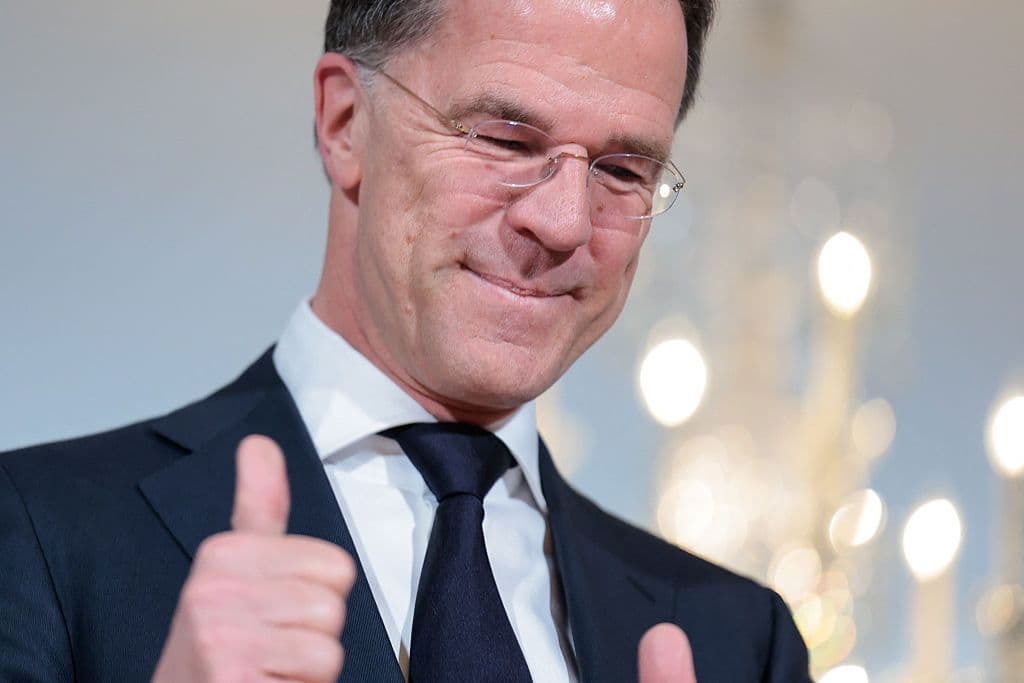
U.S. President Donald Trump held a closed-door meeting with NATO Secretary General Mark Rutte in Washington, D.C. on April 8.
Rutte's visit came amid escalating tensions between the White House and the alliance, with Trump saying on April 1 that he was strongly considering pulling the U.S. from NATO. Trump, a longstanding NATO critic, grew frustrated with the alliance over member states' lack of support for the U.S. war in Iran.
Rutte praised Trump in comments to the media following the meeting, though he did not say whether Trump had informed him of plans to leave the alliance.
"This was a meeting between friends," Rutte told CNN's Jake Tapper. The NATO leader added that he "really admire(s) Trump's leadership" and that the U.S. president has left a "transformational legacy" on the alliance.
When asked how concerned he was about Trump leaving NATO, Rutte refused to answer.
"He is clearly disappointed with many NATO allies, and I can see his point," Rutte conceded.
The Trump administration is currently weighing a proposal to pull U.S. troops out of NATO member countries that did not aid the U.S.-Israeli war effort, the Wall Street Journal (WSJ) reported on the same day as Rutte's visit, citing administration officials.
The plan stops short of the threatened full withdrawal, but could involve closing military bases in Spain or Germany in addition to repositioning troops.
Administration officials said the plan could lead to more troops stationed in countries deemed supportive of the U.S. military, such as Poland, Romania, Lithuania and Greece. Such a move would put U.S. soldiers closer to NATO's border with Russia.
Ahead of Rutte's meeting with Trump, White House Press Secretary Karoline Leavitt said the leaders would likely discuss the possibility of a U.S. departure from NATO. Leavitt said Trump was frustrated by what he perceives as NATO's betrayal of the U.S.
"I have a direct quote from the president of the United States on NATO, and I will share it with all of you. 'They were tested, and they failed,'" she said.
"It's quite sad that NATO turned their backs on the American people over the course of the last six weeks when it's the American people who have been funding their defense."
Washington did not consult its European partners before launching its attack on Iran, and the NATO collective defense principle does not require partners to join offensive wars. Still, Europe's response to the war has outraged Trump.
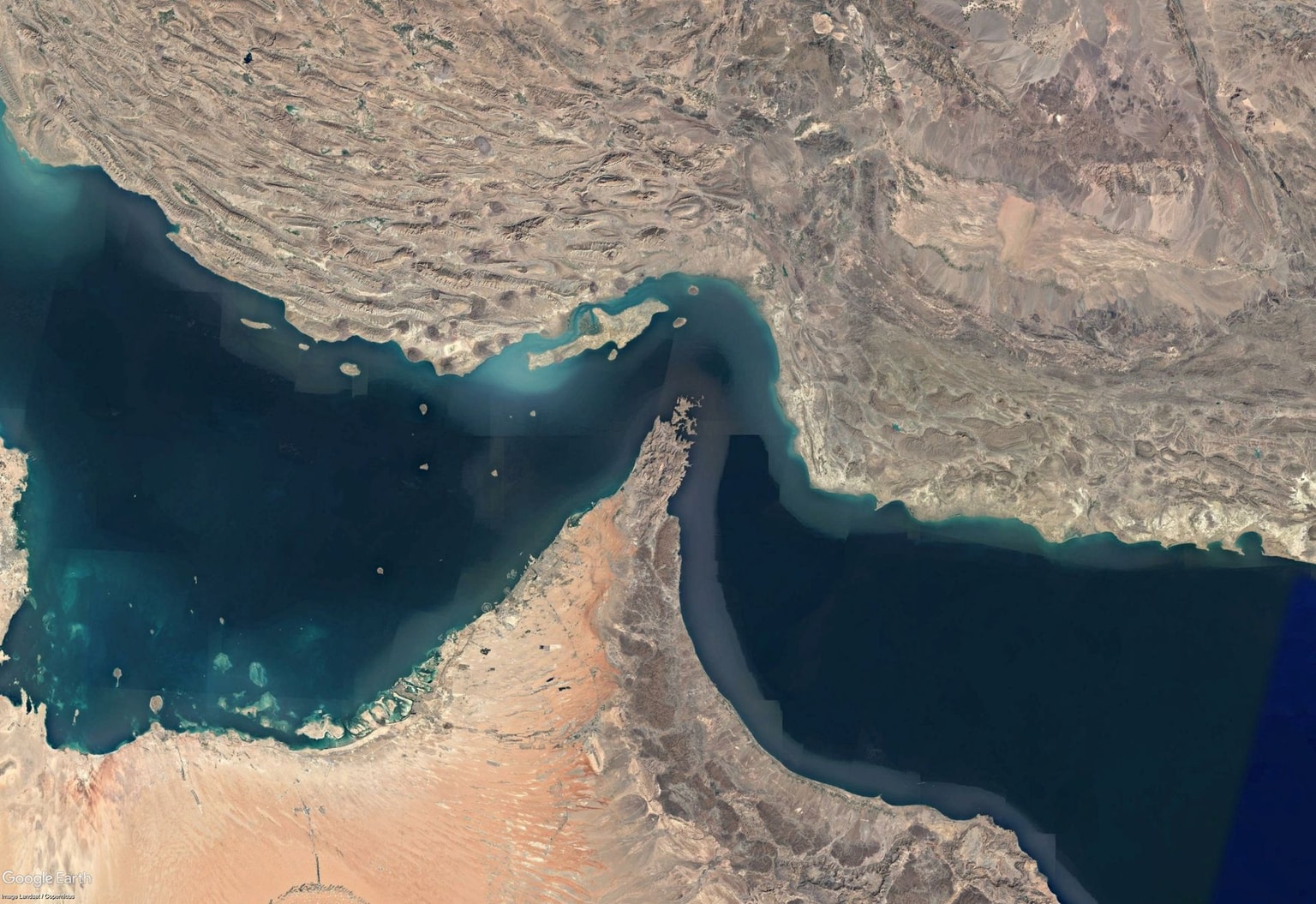
European allies rejected Trump's calls to send warships to reopen the Strait of Hormuz, and some have closed their airspace to U.S. aircraft involved in the military operation. Trump reportedly even threatened to halt weapons supplies to Ukraine if NATO allies did not fall in line.
Before sitting down with Trump, Rutte met separately with Secretary of State Marco Rubio earlier in the day. The officials discussed the war in Iran, negotiating an end to Russia's war in Ukraine, and "increasing coordination and burden shifting with NATO Allies," according to the U.S. State Department.
Rutte has enjoyed a relatively warm relationship with Trump, even as the White House has clashed with NATO over defense spending, Russia policy, and the status of Greenland.
U.S. law prevents Trump from exiting NATO altogether: that decision would require cooperation from the U.S. Congress, where the alliance is widely supported. In 2023, Congress passed a bill — advocated by then-Senator Marco Rubio — barring any U.S. president from unilaterally withdrawing from NATO without the approval of two-thirds of the Senate or an act of Congress.