Trump stalled it for a year — now a 'game-changer' bill could hit Russia's oil profits
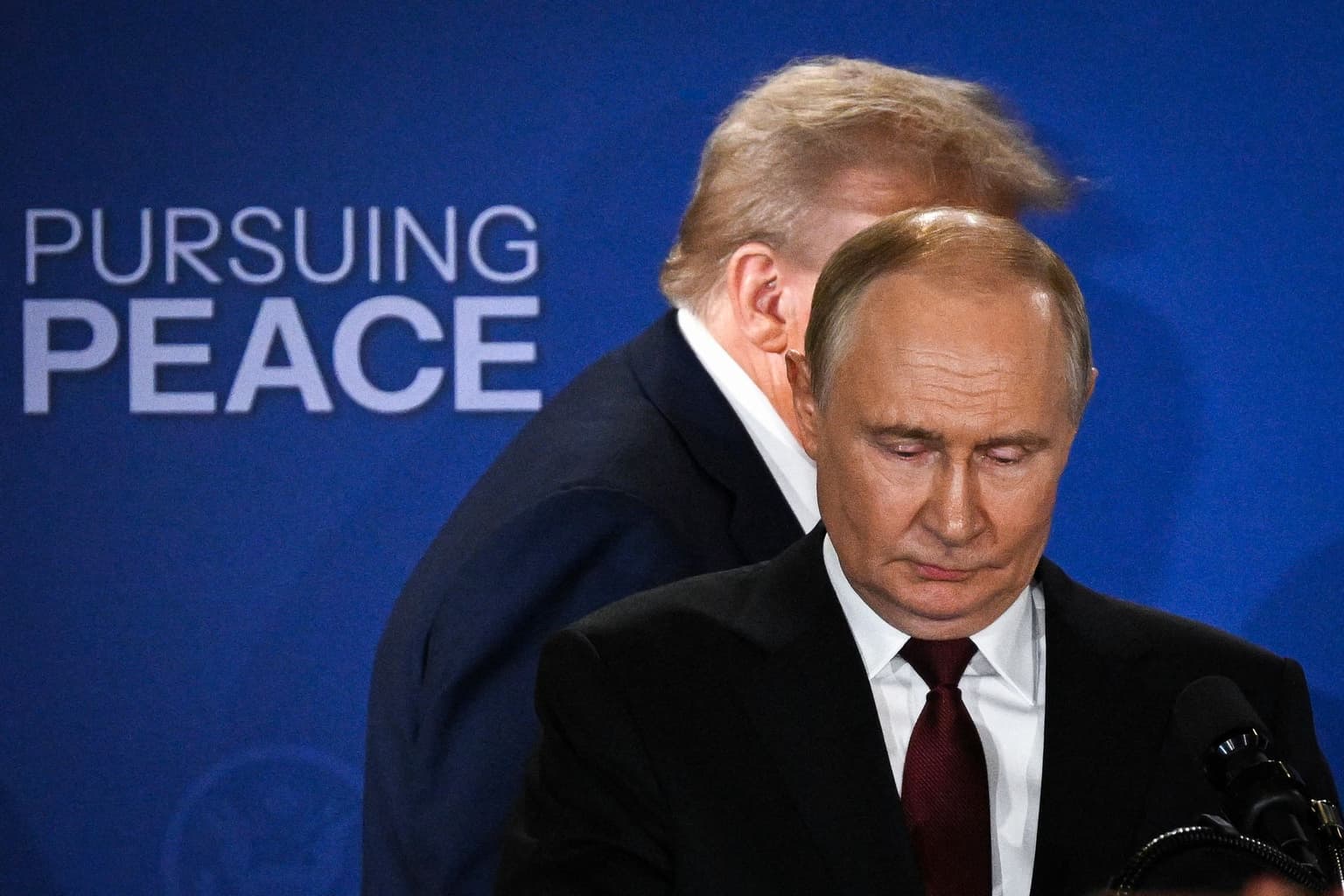
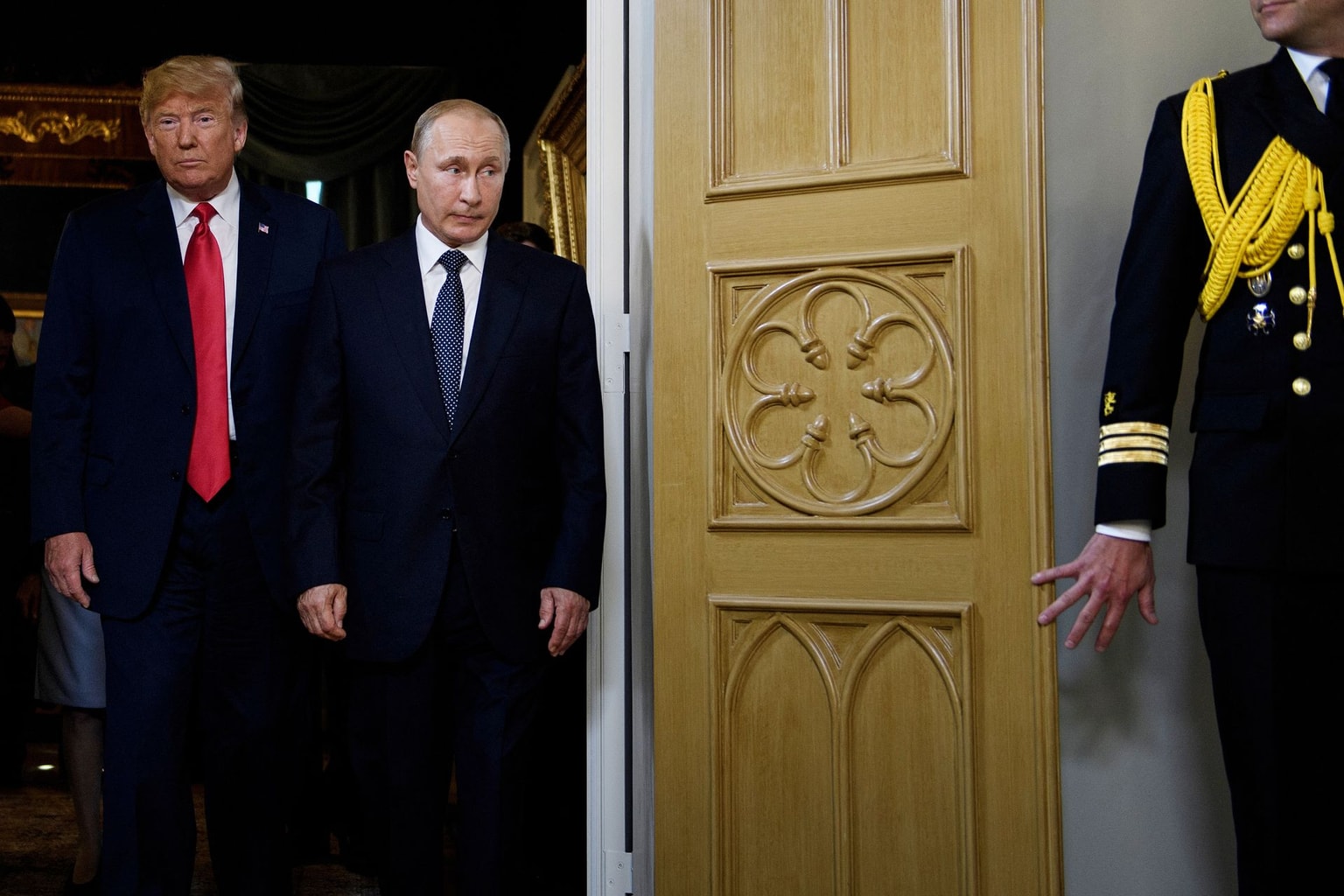
US President Donald Trump (back) and Russian President Vladimir Putin in Anchorage, Alaska, on Aug. 15, 2025. (Drew Angerer/AFP via Getty Images)
 on Google
U.S. President Donald Trump may soon hold a game-changing lever over Moscow.
After months of hesitation, he has finally backed a sanctions bill targeting Russia, giving him the ability to hit the Kremlin where it hurts most — its oil and gas revenues.
The bill would impose sweeping secondary sanctions on countries that continue buying Russian energy, including major buyers such as China, India, and Brazil, aiming to cut off one of Moscow's key funding streams for its war in Ukraine.
Senator Lindsey Graham said on Jan. 7 that Trump has approved moving the bill forward, potentially clearing the way for a Senate vote as early as next week.
Experts caution the impact could be dramatic — if enforced properly.
"The impact this bill could have on Russia's revenue, if properly enforced against key importers… could be a game-changer in negotiations in the new year," said Gonzalo Saiz Erausquin, research fellow at the Center for Finance and Security at RUSI.

Targeting Russia's financial lifeline
The legislation targets a familiar vulnerability: Russia's reliance on energy exports.
Over the past decade, oil and gas revenues accounted for 30–50% of Russia's budget — a sum broadly comparable to what Moscow spends annually on its war against Ukraine.
"Russia's war is funded by the sale of oil. Its continued ability to sell oil to buyers around the world is extending its ability to maneuver and shell Ukraine, and support its front line," said Tom Keatinge, director of the Center for Finance and Security at RUSI.
By shifting the focus to third countries that continue buying Russian energy, the bill seeks to revive U.S. sanctions pressure that many analysts say has eroded over time.
Under the proposal, penalties would be triggered if Russia refuses to engage in peace talks, violates any future agreement, or escalates the war further.
Graham has worked on the measure for months alongside both Republicans and Democrats, framing it as a way to raise the cost of obstruction for the Kremlin.

Until now, those efforts stalled, as Trump repeatedly argued that maintaining diplomatic flexibility was essential to brokering a deal between Kyiv and Moscow.
A White House official told the Kyiv Independent that Trump now supports the legislation he is expected to use as leverage if Russia refuses to negotiate in good faith.
"I support (the bill). I support it," Trump told Fox News on Jan. 9. "They only do (the bill) if it's subject to me. We have big sanctions on Russia now."
His backing signals a shift toward pairing diplomacy with economic pressure on Russia.
How the sanctions would work
The bill relies on secondary sanctions designed to deter third countries from maintaining economic ties with Russia by threatening their access to the U.S. market.
If the U.S. president determines that Moscow is refusing peace talks, penalties would extend beyond Russian officials, banks, and state-linked firms.
Foreign states that continue buying Russian-origin oil, gas, uranium, or petroleum products would also face consequences.
Under its most aggressive provisions, all goods and services imported into the U.S. from countries that continue buying Russian-origin oil, gas, or petroleum products could face tariffs of at least 500%.
The intent is to force governments to choose between trade with Russia and access to U.S. markets, according to Oleksandr Talavera, a professor of financial economics at the University of Birmingham.
In practice, that could mean punitive duties on Indian exports if New Delhi were deemed to be knowingly purchasing Russian oil, using trade policy as indirect leverage to squeeze Russia's energy revenues.
Would it actually hurt Moscow?
Some analysts believe the strategy could succeed, particularly if Washington enforces it aggressively and consistently.
Erausquin said 2025 saw little sustained U.S. sanctions pressure on Russia, with the October designations of energy giants Lukoil and Rosneft standing out as the most consequential move.
Those measures sharply hit exports and pushed down prices for Urals crude.
Renewed U.S. pressure on third countries, he argued, would matter most, as markets and private operators tend to react most strongly to American measures and credible threats of secondary sanctions.

Others remain more skeptical about how far the White House would ultimately go.
Timothy Ash, an associate fellow in the Russia and Eurasia Programme at Chatham House, said the bill could be significant but doubts its most punitive elements would ever be fully implemented.
"I don't think Trump will be rolling out 500% tariffs on anyone — that would cut trade to zero and be hugely disruptive to global markets."
He pointed instead to the 50% tariff Washington previously imposed on India over its trade in Russian oil, which he said had a tangible effect by cutting Russian exports, widening the discount between Urals crude and WTI, and reducing Moscow's revenues.
Ash also questioned what has fundamentally changed in Washington's approach.
Trump blocked the Graham-drafted bill for more than a year and has long resisted congressional efforts that could limit his authority.
In his view, any breakthrough may depend on behind-the-scenes changes preserving presidential control — a scenario that could leave the legislation more symbolic than substantive.
Pressure amid stalled diplomacy
This push comes as efforts to end Russia's war against Ukraine look to be stalled.
While President Volodymyr Zelensky has pointed to recent diplomatic progress, Moscow has given no indication it would accept a U.S.-Ukraine-drafted peace framework.
Instead, Russia has continued to raise what Kyiv describes as manufactured obstacles, including claims of a Ukrainian drone attack on President Vladimir Putin's residence that Trump later said U.S. intelligence and Ukrainian officials determined never occurred.
Graham expects the bill could reach the Senate floor as soon as next week.
With broad bipartisan backing, the legislation would likely pass easily if put to a vote — potentially handing Trump a powerful new economic lever as the war drags on.
Note from the author:
Hi, this is Tim. The author of this article. Thank you for taking the time to read it.
At the Kyiv Independent, we don't have a wealthy owner or political backing. We rely on readers like you to support our work. If you found this article interesting, consider joining our community today.