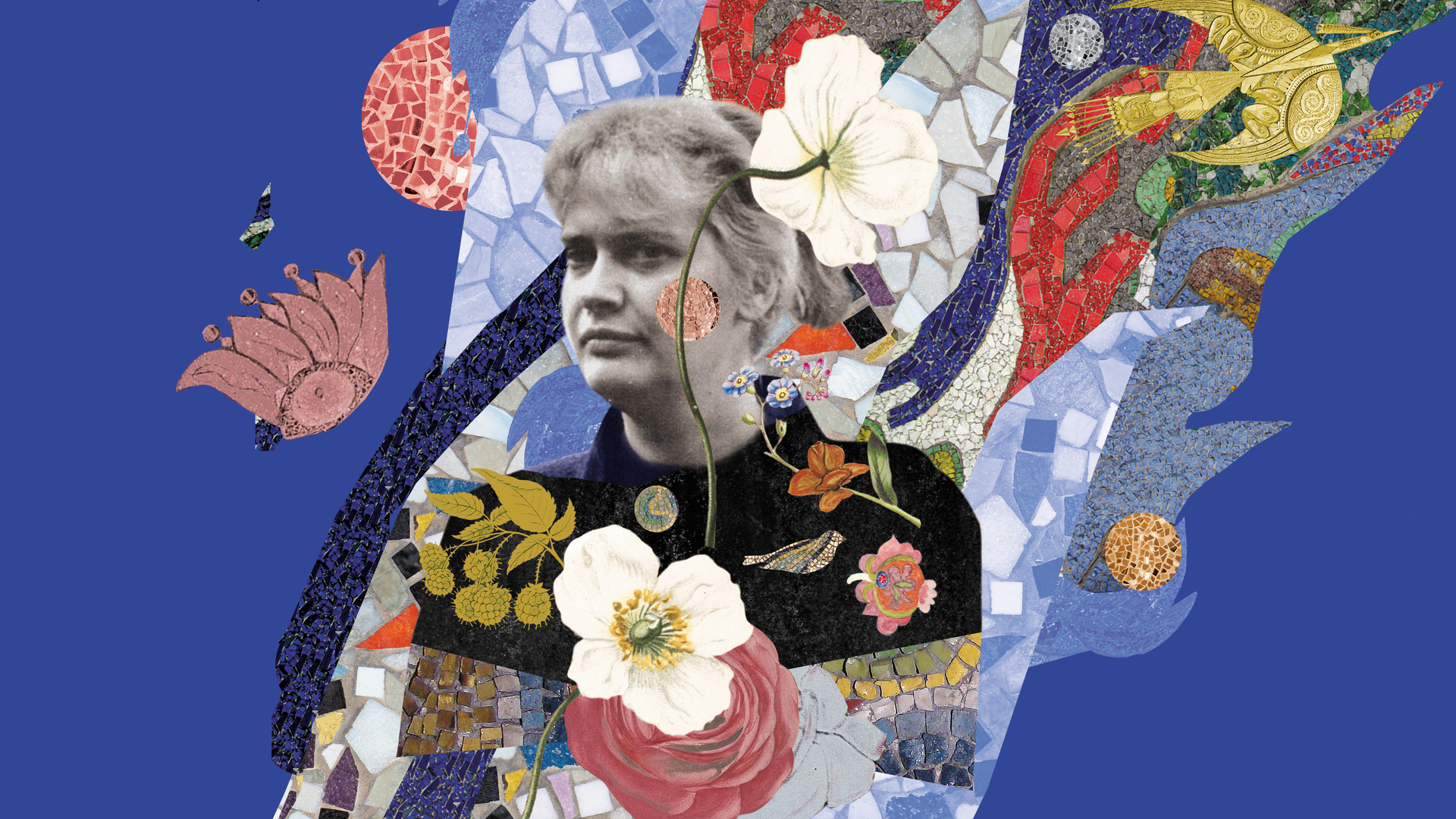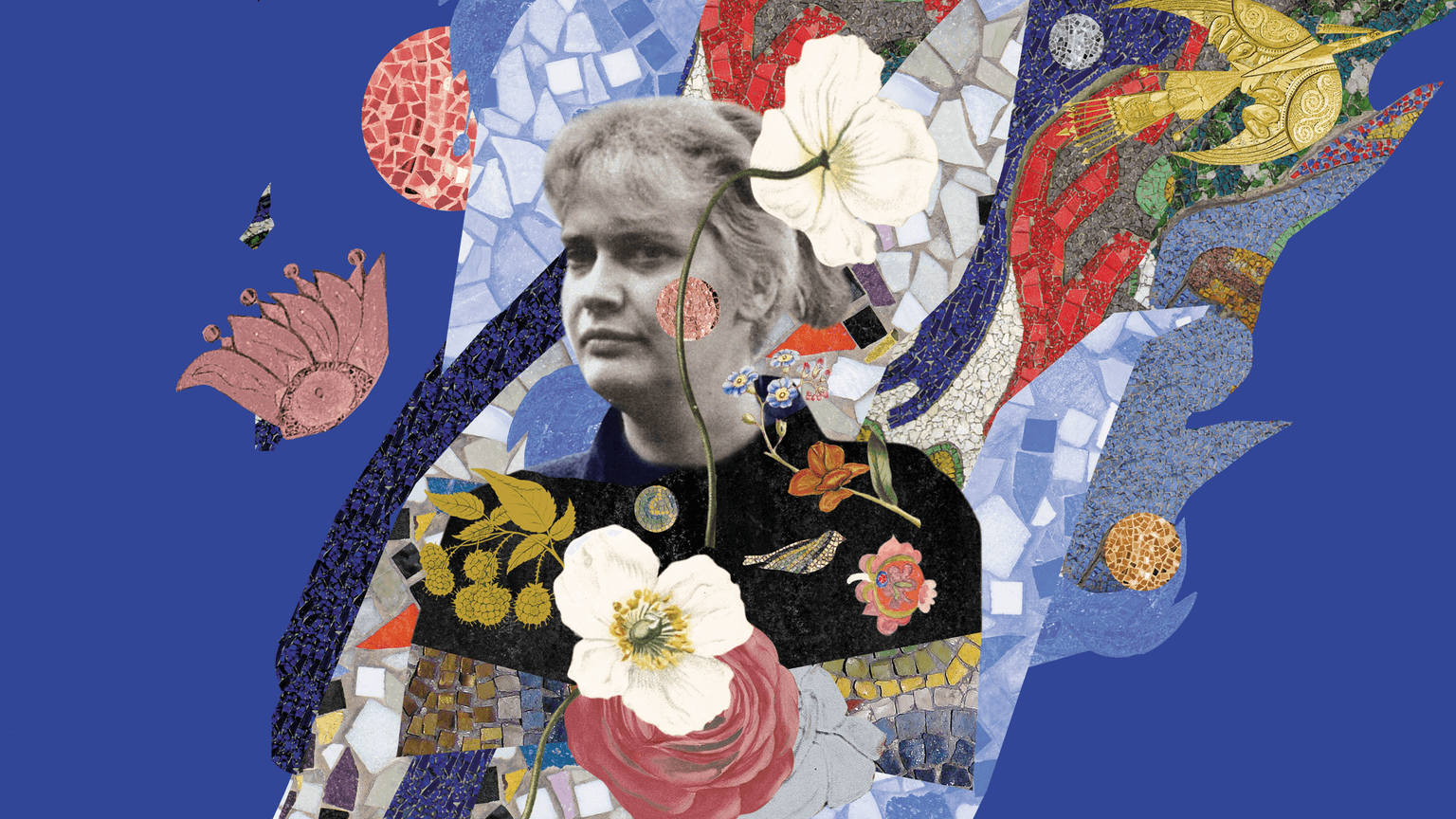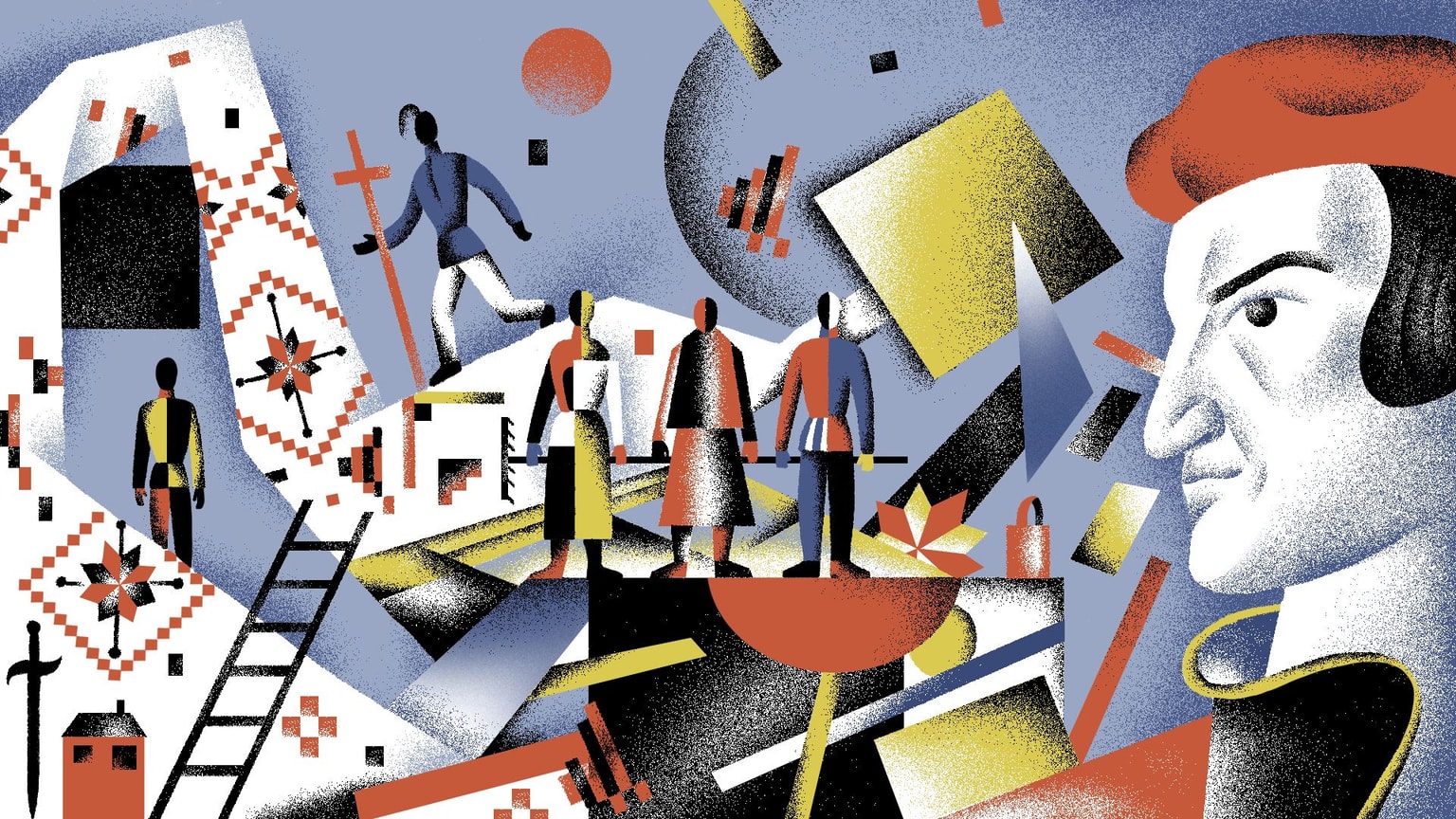
Kazimir Malevich was a pioneering avant-garde artist best known for founding Suprematism. (Kseniia Stepas / The Kyiv Independent)
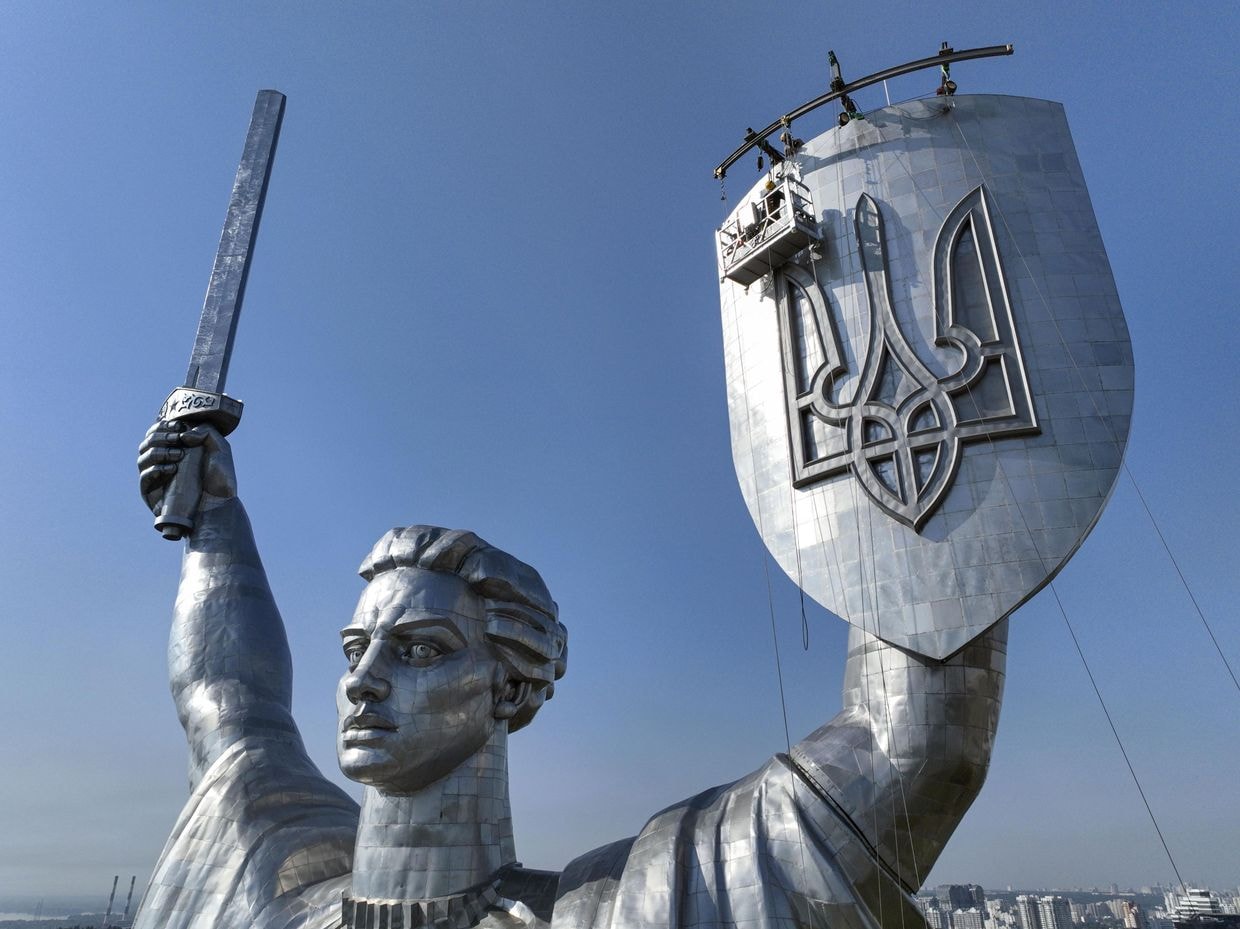
In 2016, Natalia Zabolotna, then director of the Kyiv-based art gallery Mystetskyi Arsenal, proposed naming Kyiv’s main airport, Boryspil International Airport, after the famous avant-garde artist Kazimir Malevich.
Her idea was far from eccentric. Across Europe, airports serve as sites of cultural self-definition, carrying the names of compatriots whose work reshaped global culture — from Rome's Leonardo da Vinci Fiumicino Airport to Granada’s Federico García Lorca Granada-Jaén Airport.
At the time, Zabolotna said it would make a powerful statement if the country’s main gateway introduced Ukraine to the world through the name of an artist who changed the course of 20th century art history by inventing Suprematism — a movement that rejected the depiction of recognizable objects in favor of pure form and color.

It would also symbolically bring the artist "back home," she said. Malevich is still most often described as a "Russian artist." Despite his career being tied first to Moscow and then to Saint-Petersburg artistic circles, the label is repeated so frequently it has been accepted as fact — even as it obscures his Ukrainian roots.
Although Kyiv's airport was ultimately not renamed, the serious consideration of Malevich highlights efforts to reframe a world-renowned artist whose cultural identity remains disputed.
For Ukraine — still reclaiming its history and culture — that debate carries far-reaching implications for how Malevich is taught and displayed, and for whether Ukraine’s role in modern art is acknowledged or quietly absorbed elsewhere.
The Ukrainian landscape where Malevich’s art took its shape
Malevich was born in 1879 in Kyiv to parents who were both ethnically Polish. His father worked as a sugar factory inspector, and his job required frequent travel, giving the young Malevich early exposure to the Ukrainian countryside.
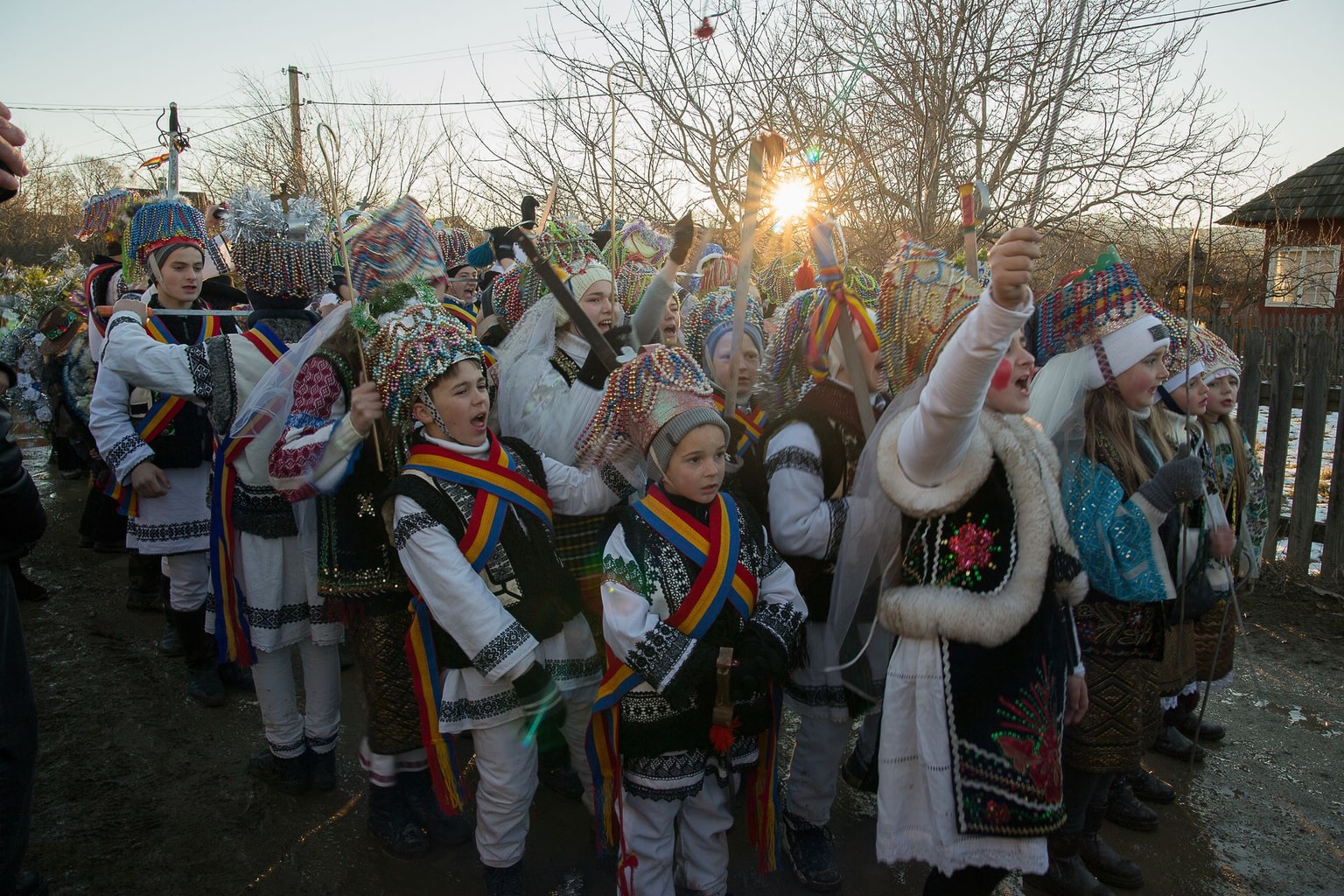
In his memoirs, Malevich recalls the Ukrainian peasant life he saw as a child in striking detail: physical labor, rural rhythms, the contrast of traditional whitewashed houses against Ukraine's chornozem — its rich, black soil. These memories appear as formative encounters in his memoirs, written roughly between 1930 and 1933, towards the end of his life.
It was in those Ukrainian homes during his childhood that Malevich first encountered the ornamental patterns of embroidery and wall paintings that some argue directly shaped the forms and geometry of his Suprematist work.
"Imagine Malevich as a little boy — he enters a house and sits at the table, which is always covered with a tablecloth that's white, embroidered in red and black, squares, crosses, repeating forms," says Myroslav Shkandrij, professor emeritus of the University of Manitoba and a former head of the Department of German and Slavic Studies.
"Those shapes and colors create a sense of contact with something very old, very deep."
Similarly, a French art historian and one of the leading scholars of Malevich and the Eastern European avant-garde Jean-Claude Marcade emphasizes this connection in his research, comparing Suprematist motifs directly to Ukrainian folk embroidery. Squares, crosses, and rhythmic color fields migrate almost seamlessly from textile to Malevich's canvas.
What modern art later celebrated as radical abstraction already existed, materially and collectively, in Ukrainian visual culture.
But as historical events unfolded in Ukraine in the first few decades of the 20th century, the country became starkly visible in Malevich's work. In the late 1920s and early 1930s, he returned to the human figure.
Paintings such as Running Man show a body fractured into geometric forms, caught in motion. The figure is placed between two symbols, a sword and a cross, appearing to flee from the first toward the latter. Seen against the background of collectivization and famine, the image takes on added weight.

The destruction of peasant life in Ukraine, culminating in the Holodomor — the man-made Soviet famine that killed millions in 1932–1933 — was not something Malevich observed from afar.
Peasant figures in his later work appear mutilated, faceless, bound. When the world Malevich knew was being erased, abstraction alone was no longer enough. The Ukrainian landscape that shaped his early vision returned, but transformed by trauma.
The Ukrainian identity was hardly just an influence on Malevich's artistic work, but his own personal identity. In his autobiography, he plainly states, "I am Ukrainian."
Kazimir Malevich, the man who changed the way we see art
Malevich’s search for a new visual language led him to what became known as Suprematism, a term that has intimidated generations of museum visitors, but which describes a simple and radical idea.
Malevich argued that art did not need to mirror the visible world to be meaningful. Freeing painting from representation was, for him, a way to restore its autonomy and power.

This idea reached its most famous expression in 1915 at an exhibition titled 0.10 in Petrograd, now Saint Petersburg. There, Malevich presented Black Square, a painting that would become one of the most discussed artworks of the twentieth century.
A single black square on a white ground seemed to announce both an end and a beginning, the zero point of painting and the promise of something entirely new.
Just as important as the painting itself was where Malevich placed it. Black Square was hung high in the corner of the room, the so-called "red corner" traditionally reserved for religious icons in Orthodox homes.

By occupying the space of the sacred, the painting did not mock belief, as some later critics suggested. Instead, it claimed that art, too, could function as a site of contemplation and meaning.
This moment secured Malevich’s place in global art history. It also marked the beginning of a simplification, not only of his ideas, but of his identity. The Ukrainian origins of this universal language of pure color and form created by the artist would later be erased and largely mislabelled.
Understanding how and why that happened requires looking beyond Black Square itself, to the landscapes and traditions that shaped the artist long before he painted it.
Malevich and a mislabelled legacy
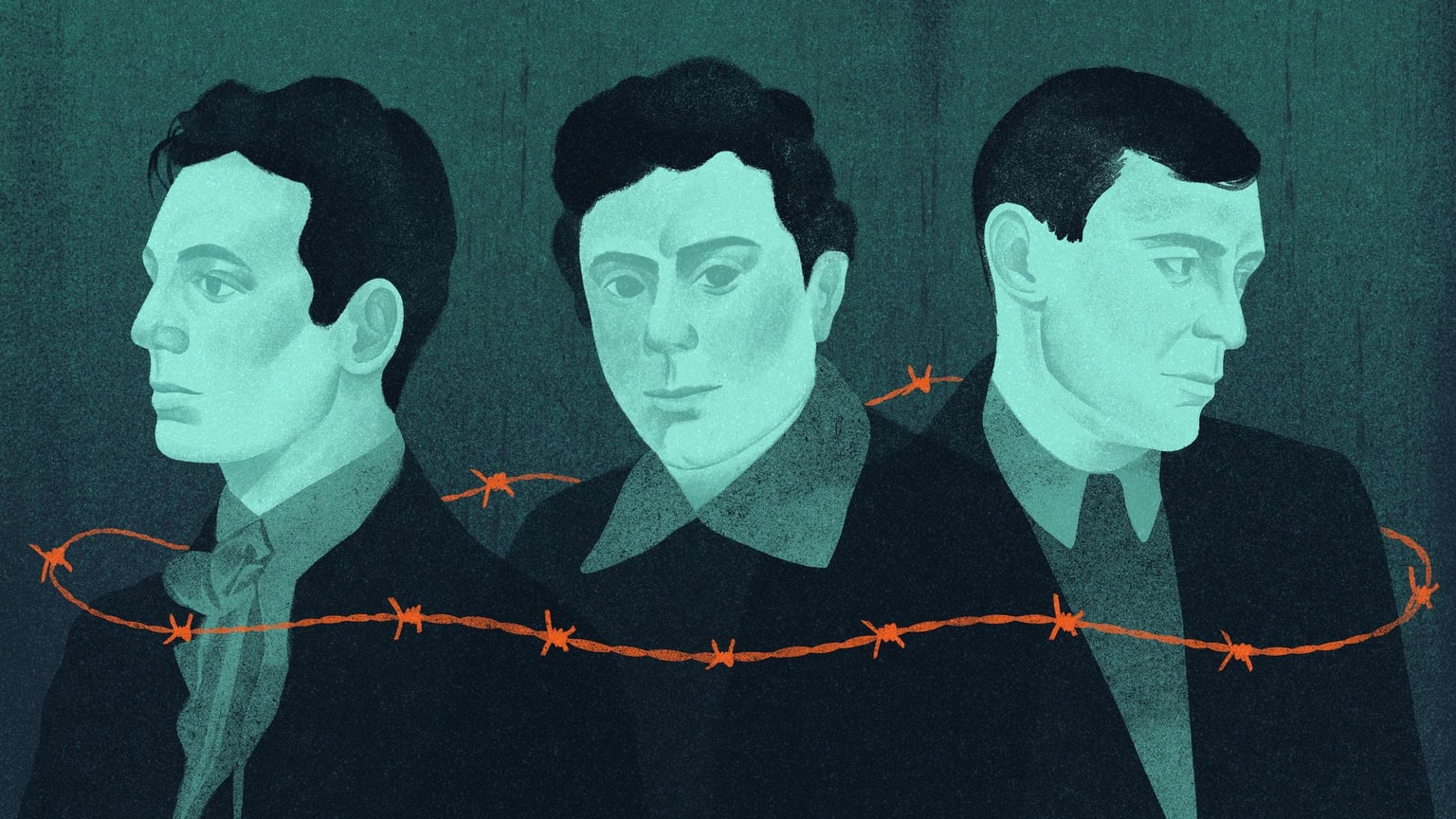
By the late 1920s, the art that made Malevich internationally visible had become politically unacceptable under the Soviet regime's mandate of Socialist Realism. He was removed from a teaching post at the State Institute of Artistic Culture in Leningrad (now Saint-Petersburg), placed under surveillance, and imprisoned in there for two months in 1930.
By the time he died in Leningrad in 1935, his work had already been pushed to the margins. For decades, Malevich existed in suspension, too radical to be celebrated, but too important to erase.
"When you label an artist in a certain way, you are making a political statement. Empires do this systematically. They take what is most visible, most celebrated, most international, and claim it as their own."
In Western academia, the framework for his rediscovery was set by a British art historian Camilla Gray’s 1962 book, the Russian Experiment in Art, a landmark study that introduced avant-garde movements obscured by the Iron Curtain.
It also set a label. By grouping artists from across the Soviet Union — whether from Kyiv or Kharkiv in Ukraine, Vitebsk in Belarus, or Moscow — under the "Russian avant-garde," it reflected both the Soviet desire to erase national identity in favor of a new image and a Western tendency to refer to everyone and everything from the Soviet Union as Russian that would prove lasting.
Many avant-garde artists rejected national labels, imagining art as universal. Malevich was no exception. But, as Shkandrij points out, indifference to national identity does not prevent later appropriation.
"When you label an artist in a certain way, you are making a political statement. Empires do this systematically. They take what is most visible, most celebrated, most international, and claim it as their own," says Shkandrij.
"The culture of the center is presented as superior, while the culture of the periphery is treated as secondary or invisible."
In the Soviet cultural hierarchy, Moscow functioned as the unquestioned center, while artistic traditions and identities outside it were routinely minimized, absorbed, or erased.
Malevich’s art has long been recognized as revolutionary. Recognizing Ukraine as part of its foundation is the next necessary step.