The hidden health impact of Russia's attacks on Ukraine's energy grid
 on Google
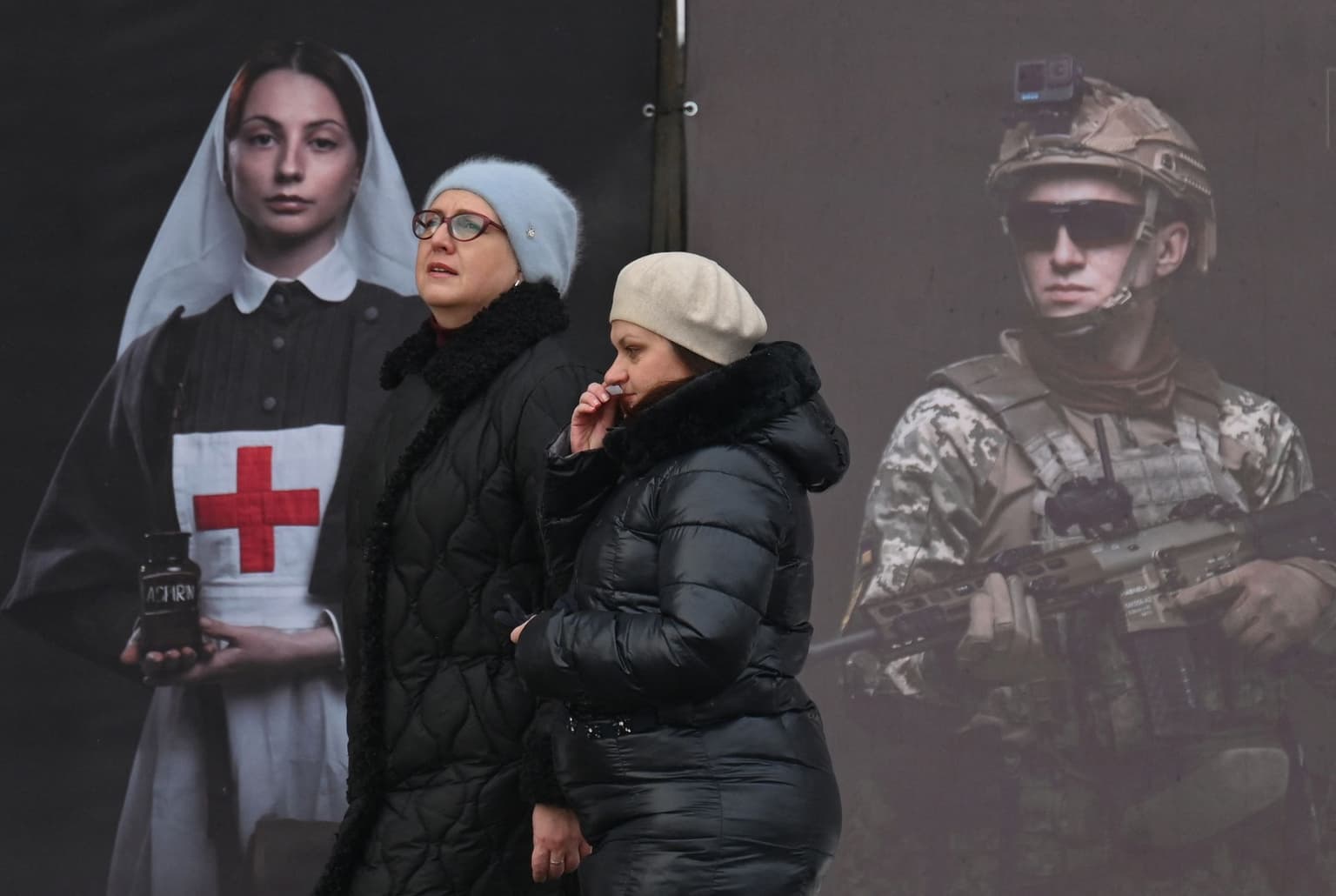
As Russian strikes continue to cut off heating and electricity across Ukraine, a Kyiv doctor says she is seeing health effects accumulate in her clinic.
Since late December, Russia has carried out multiple waves of strikes targeting Ukraine's power generation and heating infrastructure. In Kyiv, those attacks have repeatedly disrupted heating across large parts of the city.
On Jan. 9, a major attack left roughly 6,000 residential buildings without heat. Further strikes on Jan. 20 and Jan. 24 again cut heating to thousands of homes. The most recent attack on Feb. 3 left over 1,100 apartment buildings without heating, with temperatures reaching -25°C outside. Two thermal power plants have stopped operating, according to Ukrenergo CEO Vitaliy Zaichenko.
Prolonged exposure to cold doesn't cause illness directly, according to Hanna Serova, a general practitioner at Kyiv's Dobrobut medical network. Instead, it weakens the body's defenses over time.
"We don't get sick because we are cold," Serova said. "We get sick because of viruses and bacteria. But when a person is very cold for a long time, the conditions for illness are created."
When the body is exposed to cold for extended periods, it diverts energy to maintaining core temperature, leaving less capacity to fight off infections. Disrupted sleep — common when people are cold or worried about outages — further compromises immune function, as the body produces fewer infection-fighting cells during poor rest. Sustained stress from living in these conditions adds another layer of strain.
"This also has a psychological impact," Serova added. "If we're talking about cold temperatures, it's also stress, sleep disruption, and worsening concentration and memory."
The difference, Serova said, is between acute and chronic exposure. One cold night is manageable. Weeks of disrupted heating, unreliable power, and subzero temperatures create cumulative wear on the body's systems.
This winter, Serova says she is seeing far more patients with acute respiratory viral infections and influenza, including among vaccinated people.
"I don't remember so many vaccinated people getting the flu," she said.
According to Ukraine's Center for Public Health, acute respiratory infections reached 410.6 cases per 100,000 people in late January – a 10.6% increase from the previous week, though still at what the agency describes as "background level" intensity for this time of year. Influenza viruses are circulating in 19 regions and Kyiv.
Serova points to prolonged cold exposure, disrupted sleep, and sustained stress as contributing factors alongside viral mutations. The cold weakens immune defenses over time, she said, making people more vulnerable to viruses already in circulation.
For people living with chronic conditions, the effects are often more serious.
"Chronic diseases also become exacerbated," Serova said. Cold exposure can worsen cardiovascular and pulmonary diseases, particularly among the elderly. In some cases, blackouts interrupt treatment when patients cannot power medical devices like nebulizers or oxygen concentrators.
Serova pointed out she has also noticed an increase in food poisoning cases as repeated outages affect refrigeration.
"What I'm seeing now is an increase in food poisonings," she said, warning against buying discounted products close to their expiration dates during outages. When power cuts disrupt water supply, she added, basic hygiene becomes harder to maintain. Without enough water to properly wash hands, the risk of infection increases.
The burden falls hardest on certain groups. "Pregnant women, children, infants, elderly people, chronically ill people, and people with disabilities," Serova said, listing those most at risk during extended outages.
The Center for Public Health reported 6 flu-related deaths during the week of Jan. 26-Feb. 1, and 1 death from pneumonia caused by adenovirus.
Many of these health effects don't appear immediately dramatic, Serova said, but accumulate over time as outages continue.
read also
 Anna Belokur,