'Self-defense' — Russia blames UK for Storm Shadow attack, London refuses to bend
 on Google
Officials in the U.K. dismissed accusations from Russia that London was responsible for what Moscow described as a "terrorist attack" after Ukraine struck a military-linked plant in Russia's Bryansk region with Storm Shadow cruise missiles.
British officials told the Kyiv Independent that the Kremlin's accusations are unfounded.
The comments follow threats from Moscow warning of a "new level of destruction and human casualties" after the Ukrainian strike on the facility.
Russian authorities claimed the attack killed seven civilians and injured 42 others. The Kyiv Independent could not independently verify those claims.
"The launch of these missiles would have been impossible without British specialists," Kremlin spokesperson Dmitry Peskov told reporters on March 11.
Moscow also summoned the British and French ambassadors on March 13, demanding a response and "unequivocal" condemnation of the attack.
Moscow escalates accusations
Russia's Foreign Ministry also argued that Ukraine could not have used Storm Shadow missiles without what it described as the "direct involvement" of NATO.
"Western states bear full responsibility for the consequences of this strike, which resulted in civilian casualties," the ministry said. "Britain has gone beyond the norms of international law and is ready… to take the conflict to a fundamentally new level."
Kyiv has rejected that framing entirely.
Ukrainian officials said the strike targeted the facility itself — one of Russia's largest producers of military microelectronics — rather than civilian infrastructure.
The plant manufactures semiconductor components used in guidance and control systems for Russian missiles that frequently strike Ukrainian cities.
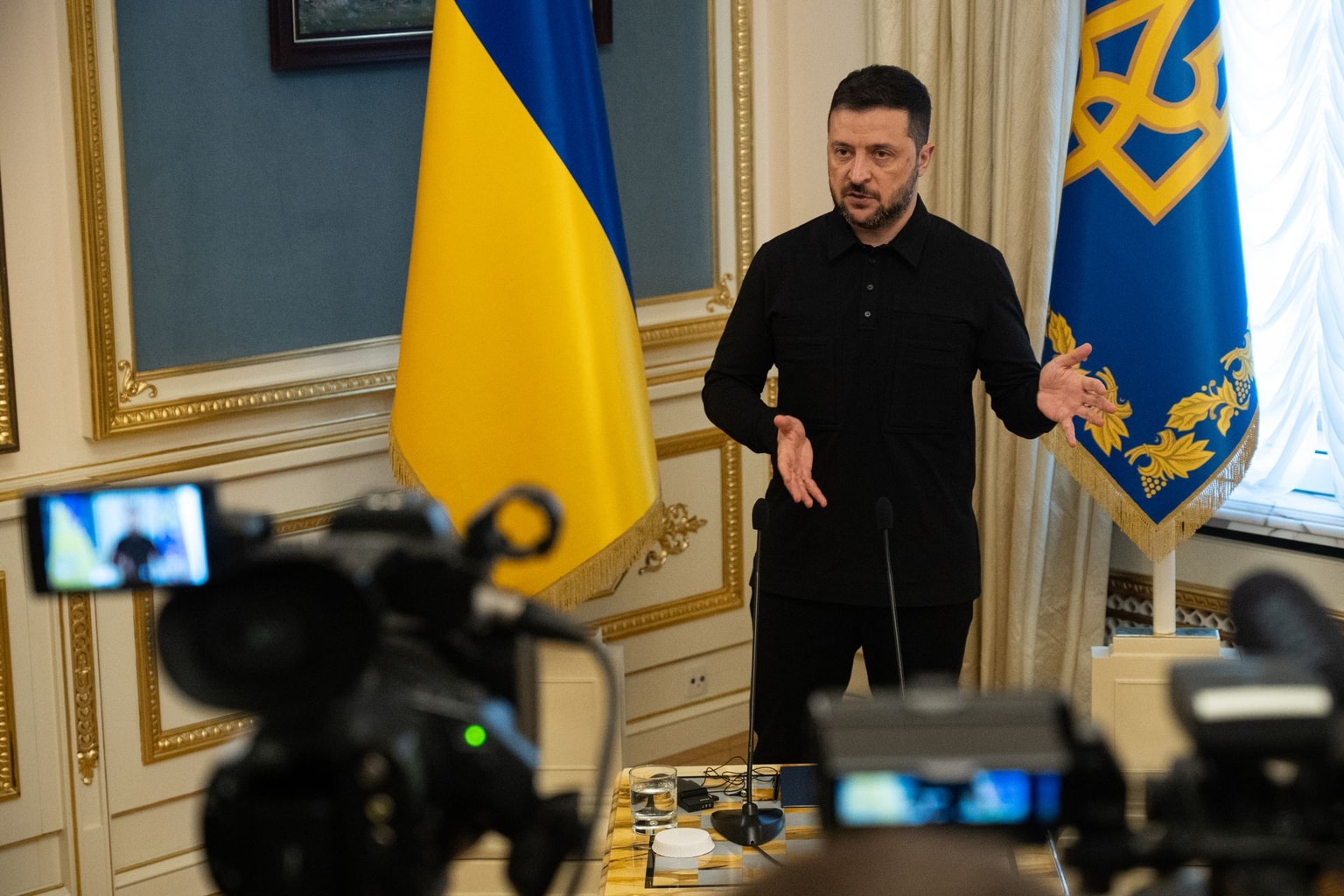
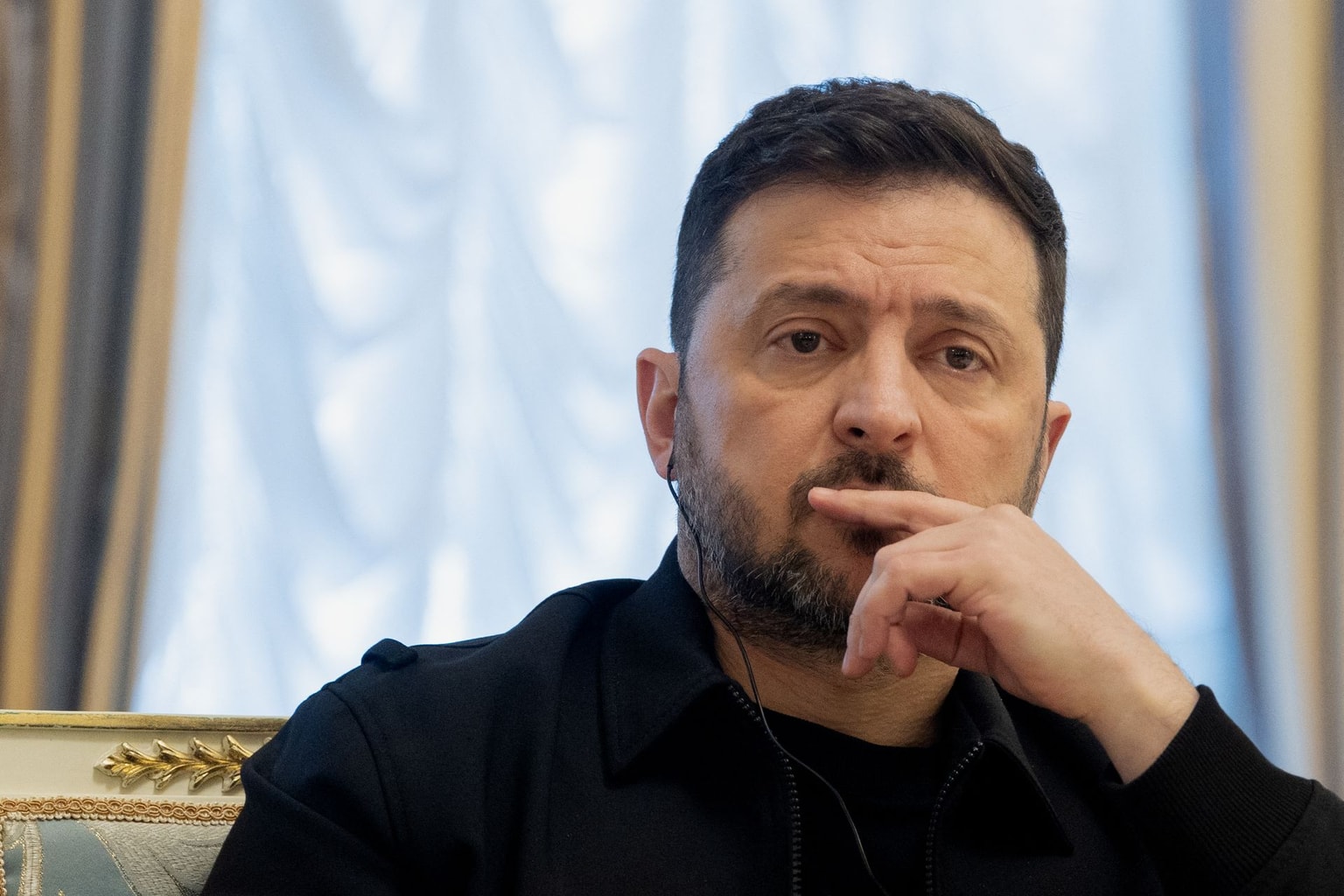
President Volodymyr Zelensky described the operation as a strike on one of the most important military factories in Bryansk.
London stresses Ukraine's right of self-defense
British officials emphasized that the United Kingdom's military assistance to Ukraine is provided within the framework of international law.
One U.K. official told the Kyiv Independent that Britain's support reflects Ukraine's "clear right of self-defense against Russia's illegal attacks."
"We are clear that the equipment provided by the U.K. is intended for the defense of Ukraine," the official said. "Ukraine has the right of self-defense."
When asked about Moscow's claims of direct British involvement in the operation, a U.K. defense official said that London does not "comment on operational details."
Russia continues daily missile and drone attacks across Ukraine, regularly striking civilian areas and energy infrastructure, Ukrainian officials say in response.
Over the past day, Moscow has injured more than 100 people in attacks on Ukraine.
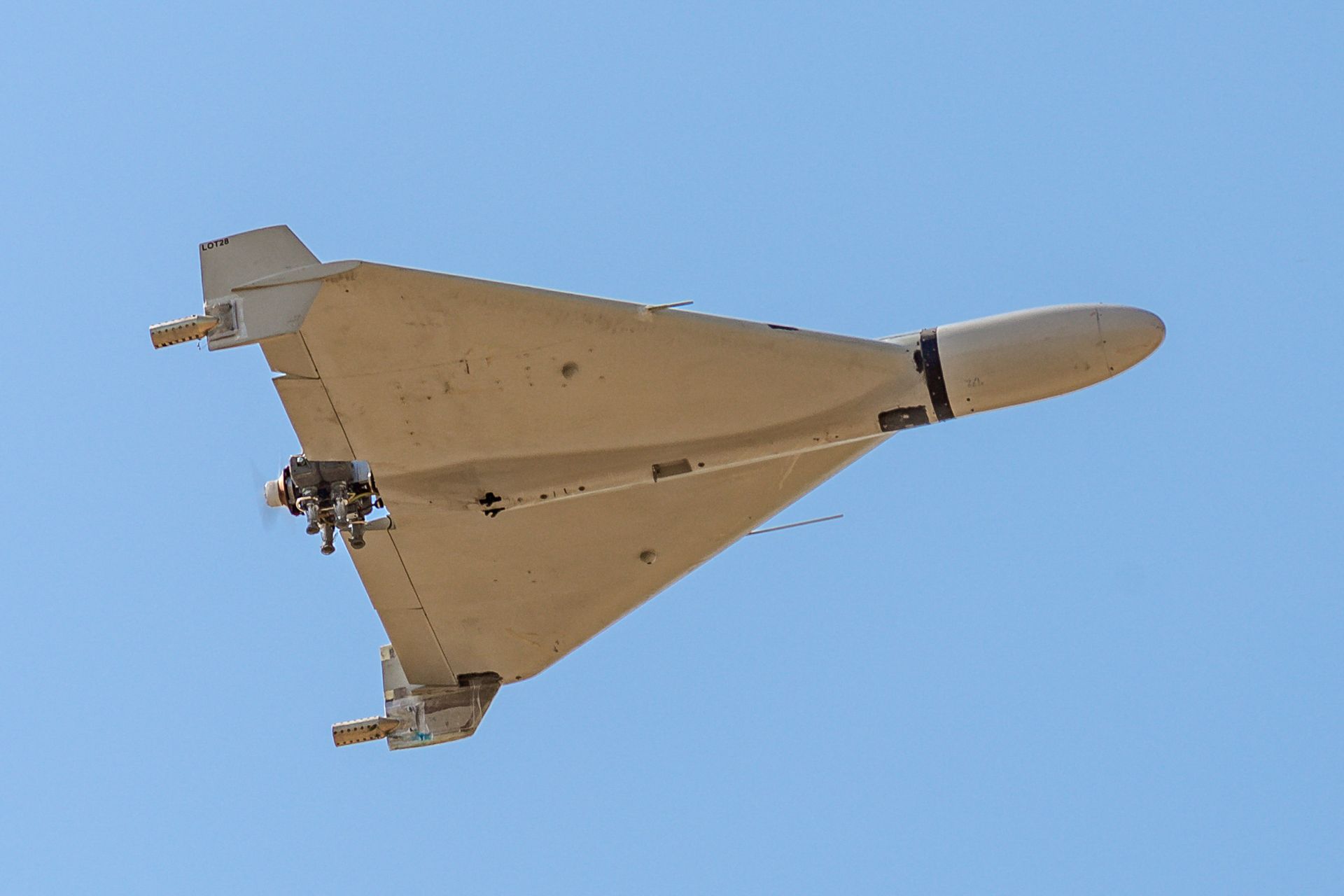
At the same time, Russia itself has increasingly leaned on partners such as North Korea and Iran to help sustain its war effort in Ukraine.
Tehran has supplied Moscow with large numbers of Iranian‑designed attack drones that Russia has used extensively against Ukrainian cities, while Pyongyang has provided military aid, including weapons and other support tied to Moscow's war machine.

Targeting Russia's major military supplier
The strike targeted the Kremniy EL Group plant, one of the largest microelectronics manufacturers in Russia.
Founded in 1958, the company produces more than 1,200 products, including components used in missile systems, air defense systems, and drones.
Among the systems relying on such components are the Pantsir air defense system, Iskander missile system, Topol‑M missile, Bulava missile, and S‑400 air defense system, along with radar and electronic warfare equipment.

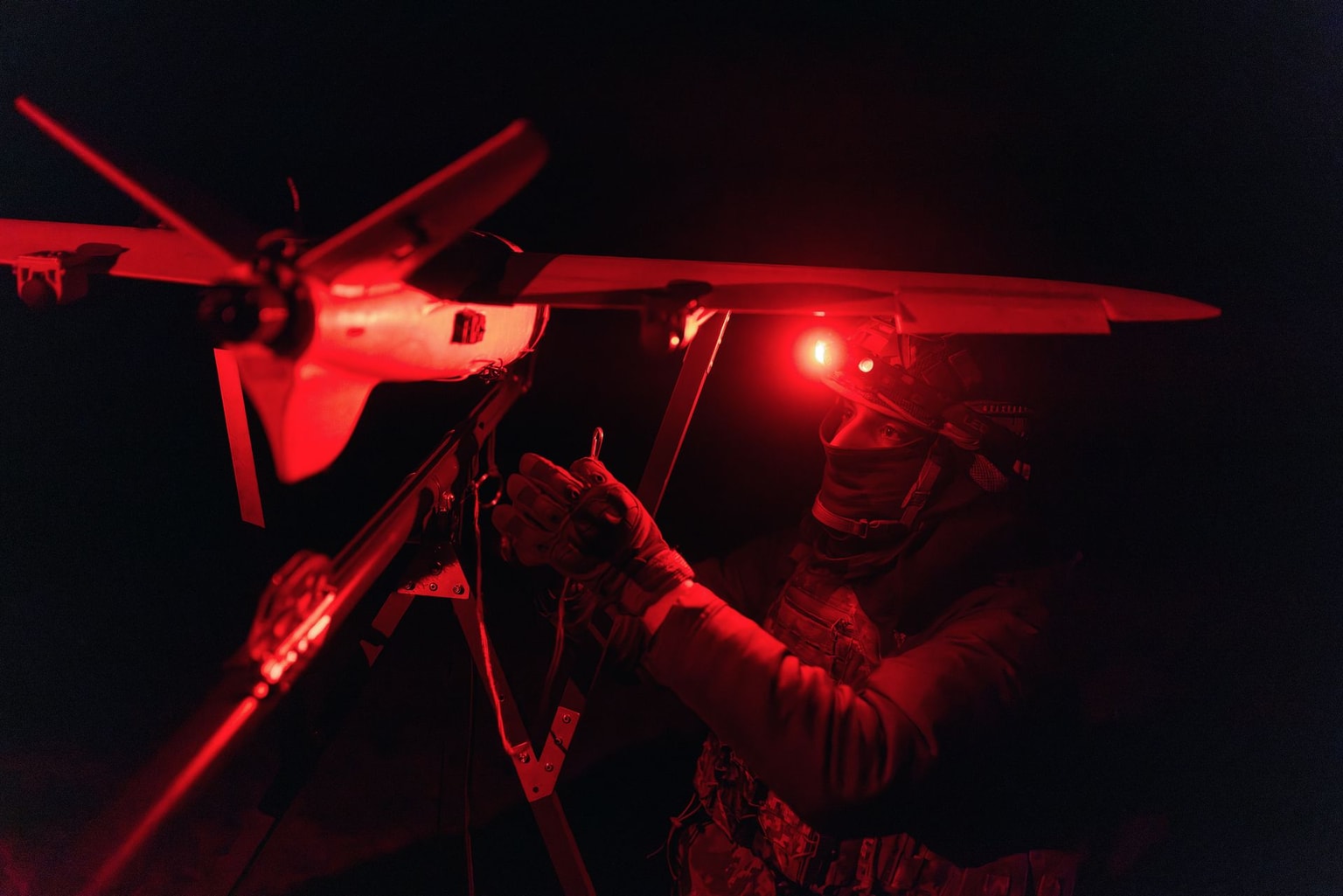
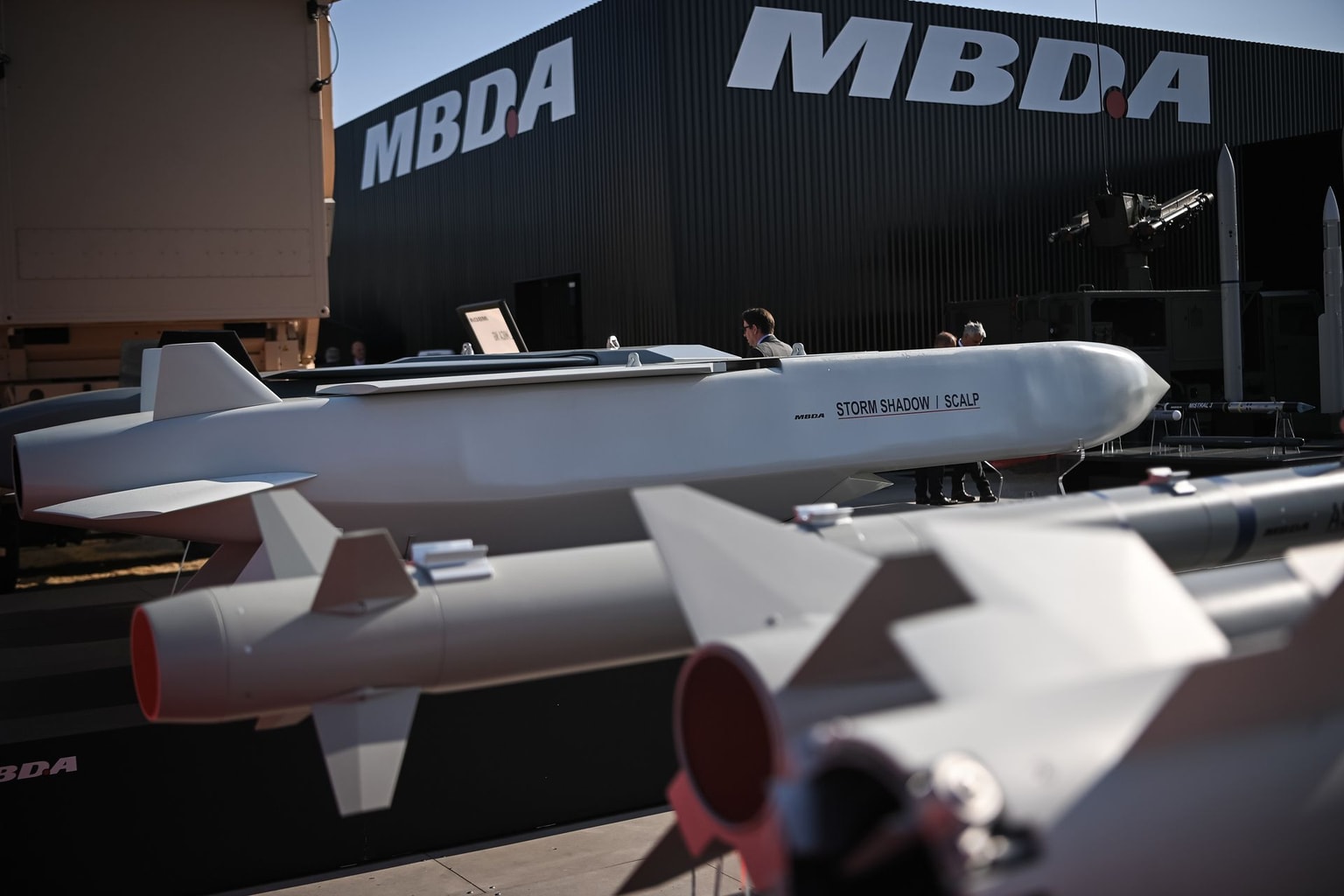
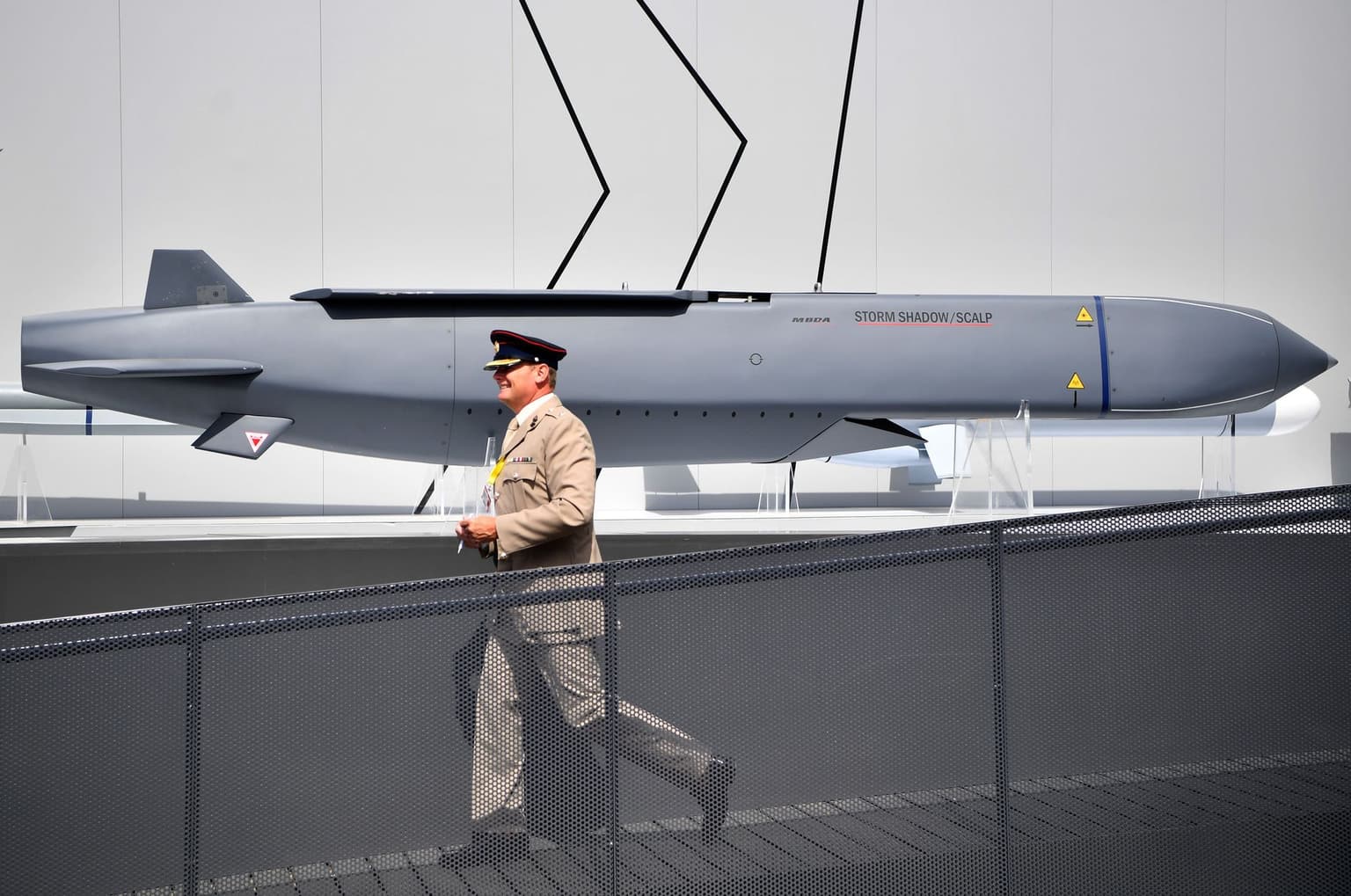
The Storm Shadow cruise missile is an Anglo-French air-launched weapon designed for precision strikes against hardened targets.
United Kingdom confirmed supplying the missiles to Ukraine in 2023, initially authorizing their use against targets in Russian-occupied territories.
Powered by a turbojet engine, the missile travels at speeds exceeding 600 mph and can strike targets roughly 250 kilometers (155 miles) away.
Accusations ahead of negotiations
Moscow's accusations against Kyiv's Western partners also come as a potential round of U.S.-mediated peace negotiations is expected next week.
Such accusations have frequently surfaced ahead of negotiations, with Russian officials repeatedly raising new allegations against Kyiv and its allies in what appears to be a deliberate strategy to create leverage or justification for stalling.
The Kyiv Independent has learned that British officials, among others, were present during the latest round of trilateral talks but did not take part in the negotiations.
Kyiv said their presence was intended to help coordinate positions.
The pattern is consistent: Moscow raises dramatic allegations, threatens escalation, and then uses tensions as cover for its own unwillingness to compromise.