Prosecutors describe influence-peddling network in Ukraine's biggest graft case
 on Google
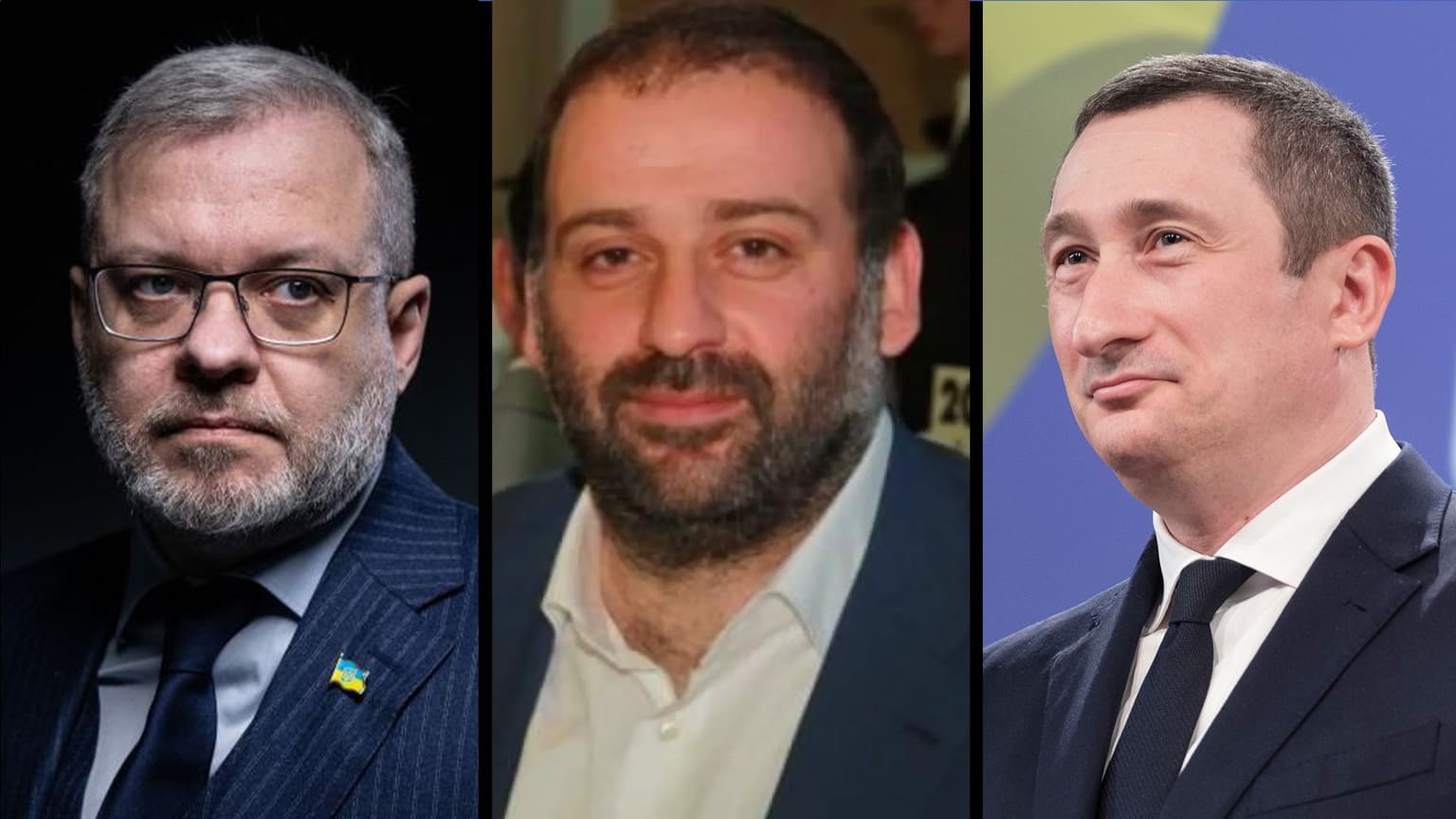
Suspects in a large-scale energy corruption case have allegedly manipulated senior officials as part of an extensive influence-peddling network, prosecutors said at court hearings taking place on Nov. 11-12.
The hearings were held after the National Anti-Corruption Bureau (NABU) charged eight suspects with bribery, embezzlement, and illicit enrichment in a large-scale corruption case involving the state nuclear power company Energoatom on Nov. 11.
The alleged ringleader is Timur Mindich, a close associate of President Volodymyr Zelensky and a co-owner of the president's Kvartal 95 production company.
The High Anti-Corruption Court arrested Dmytro Basov, Ihor Myroniuk, Ihor Fursenko, Lesia Ustimenko, and Lyudmila Zorina on Nov. 12-13, setting bail ranging from Hr 12 million ($290,000) to Hr 126 million ($3 million).
Two other suspects — Mindich and businessman Oleksandr Tsukerman — have fled. Zelensky imposed sanctions against them on Nov. 13.
Tsukerman denied the accusations in a comment for the Schemes investigative journalism project.
It is not clear if and when the court will consider arresting former Deputy Prime Minister Oleksiy Chernyshov, who has also been charged in the case.
Media outlet Ukrainska Pravda reported that Chernyshov had visited the building of Ukraine's military intelligence agency (HUR) on Nov. 12, prompting speculation. The agency previously helped return Chernyshov to Ukraine when he was charged in June in a separate case, according to Ukrainska Pravda's sources.
Recently, Mindich met Kyrylo Budanov, head of Ukraine's military intelligence, as he allegedly tried to help the President's Office handle the scandals, Ukrainska Pravda reported on Nov. 6, citing its sources. HUR did not respond to a request for comment.
Another person who features in tapes released by the NABU as part of the case — Serhiy Pushkar, a member of the state energy regulation commission — also left Ukraine on Nov. 11. He has not yet been charged.
The prosecutors said in court that the suspects have wielded significant political influence.
Specifically, suspects in the Energoatom corruption case have discussed who should be appointed to Prime Minister Yulia Svyrydenko's cabinet and whether Justice Minister Herman Halushchenko should be appointed as ambassador to the U.S. Halushchenko, who also features in the tapes, submitted his resignation on Nov. 12.
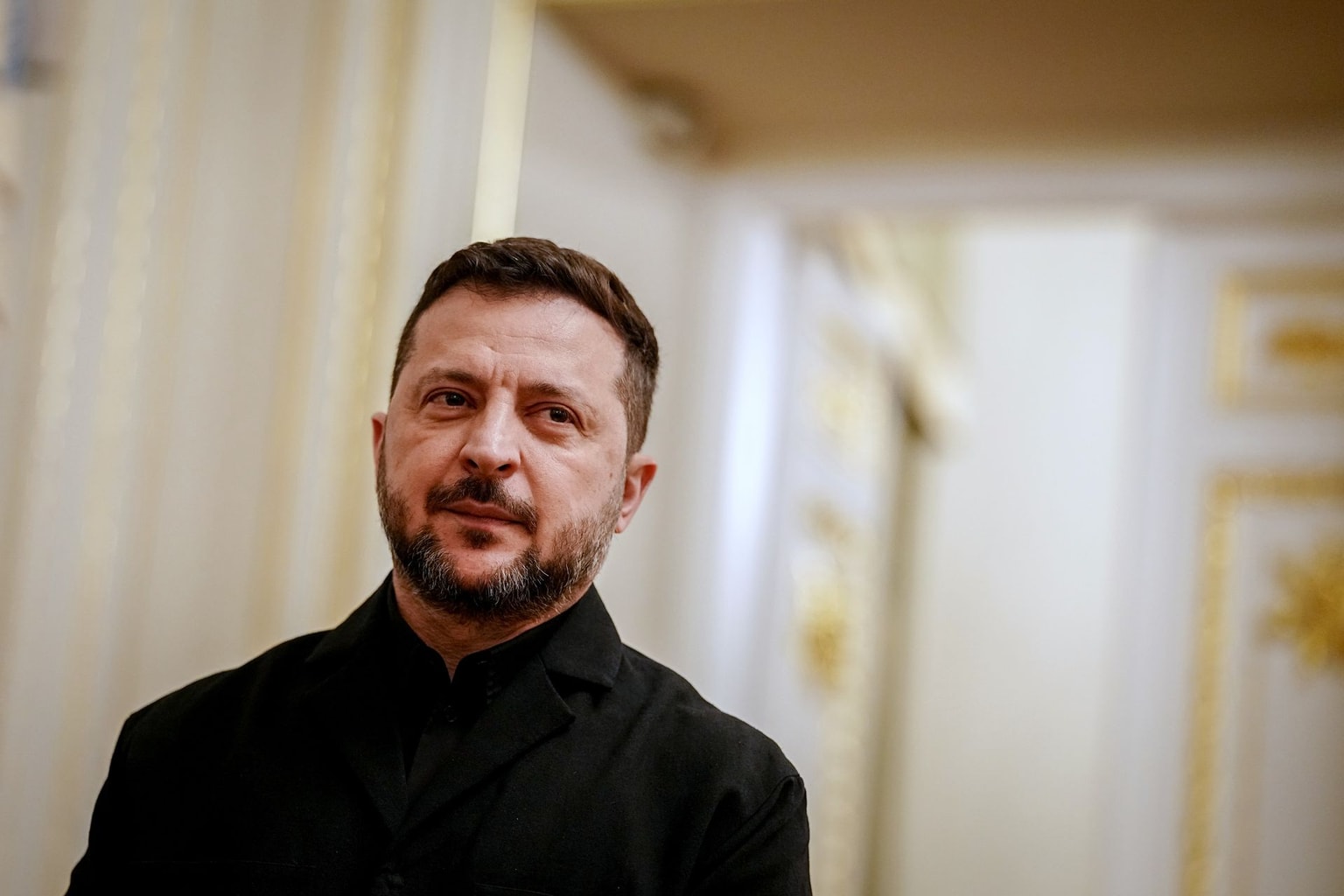
The prosecutors also said that, according to the NABU tapes, Zelensky had called Halushchenko during a conversation between the minister, Mindich, and Tsukerman. The president allegedly made the call after Mindich sent him a message.
The prosecutors argued that the episode proves Mindich's political influence. Zelensky's press service did not respond to a request for comment.
According to the prosecutors, Myroniuk had conducted a job interview for Svitlana Hrynchuk when she was considered for the job of energy minister. Hrynchuk, who got the job in July, resigned on Nov. 12 amid the corruption scandal.
The prosecutors said at the hearings that suspects in the Energoatom scheme have also discussed bribing the State Investigation Bureau.
"We'll negotiate it this way... and let the State Investigation Bureau take 5% because they are going around and looking for this money," one of the suspects allegedly said.
The State Investigation Bureau did not respond to a request for comment.
According to the NABU tapes, Basov also allegedly gave a $20,000 bribe to the National Corruption Prevention Agency (NAPC) in May.
The agency said it had launched an internal probe into the allegations.
Another episode of the criminal proceedings deals with Mindich's alleged influence over the country's defense procurement.
Tetiana Nikolayenko, a journalist with the news outlet Censor, on Nov. 12, posted a fragment of the charges brought against Mindich. According to them, he has pressured Rustem Umerov, then defense minister and now secretary of the National Security and Defense Council, to conclude a contract with an Israeli company for the supply of bulletproof vests.
The contract was eventually signed. However, the company has failed to supply the vests on time, and the Ukrainian army received low-quality Chinese vests instead, Nikolayenko wrote on Facebook.