News from occupied Ukraine: Special Forces release footage of strikes in Crimea
 on Google
This weekly update from the Kyiv Independent aims to shed light on the situation facing Ukrainians living under Russian occupation and the ever-tightening control of information imposed by the Kremlin.
Key news as of March 27:
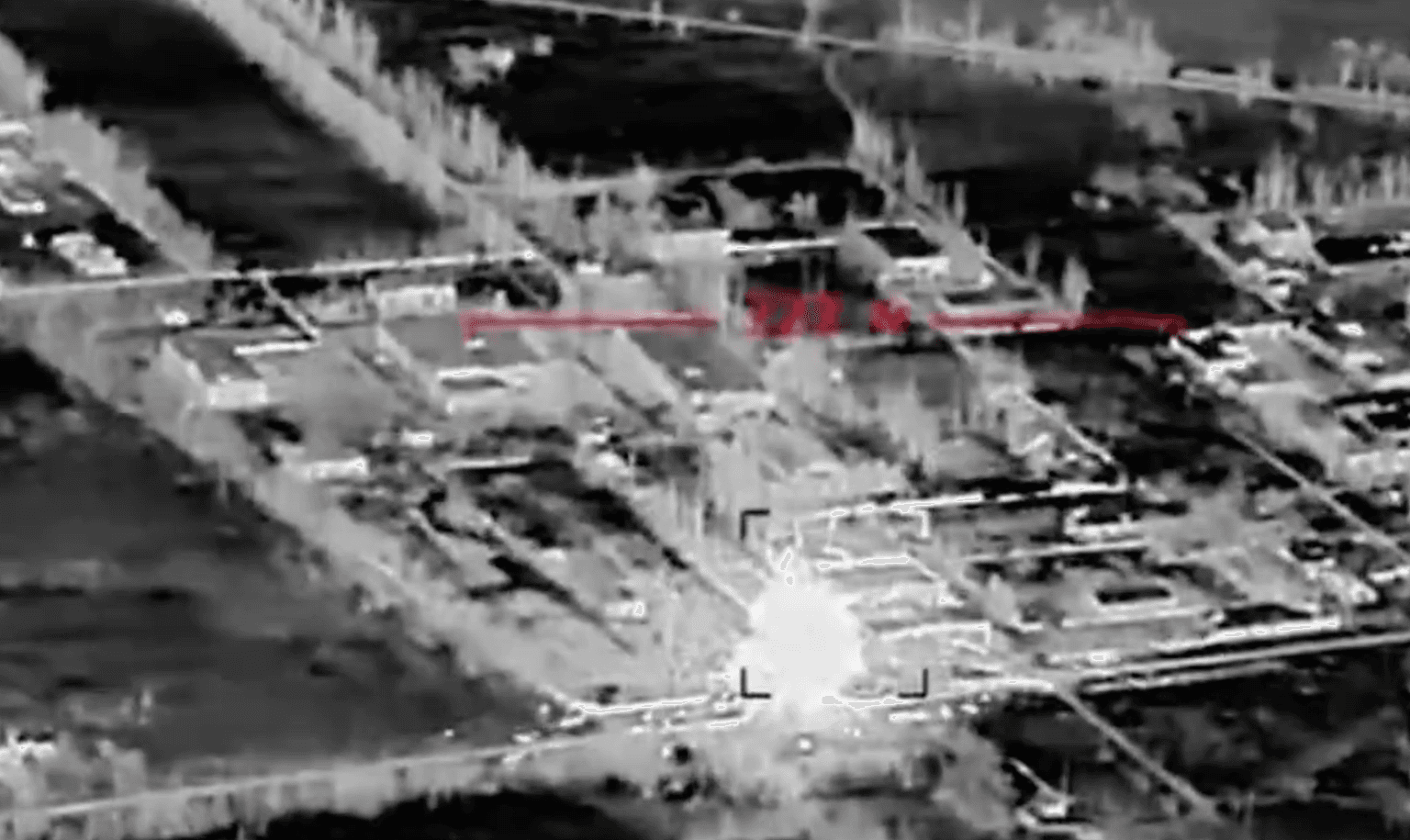
- Amid intensifying Ukraine's strikes on occupied territories, Special Operations Forces released video detailing operations
- Russian military personnel present at school lessons in occupied Luhansk Oblast
- Ukraine brought back 15 children from Russian-occupied territories over last week
- Russia wants to ban those over 60 in occupied Ukraine from receiving calls from abroad
- Russia auctions off gold deposit in occupied Luhansk
Ukraine's Special Operations Forces (SOF) released a video on March 27 detailing operations in occupied Ukraine over the last week.
The video comes amid intensifying Ukraine's strikes on occupied territories in recent months.
Four military targets — a logistics hub of one of Russia's units, a personnel concentration point, a command post, and a logistics hub – were simultaneously struck by Ukrainian drones near the occupied village of Velyka Novosilka, Donetsk Oblast.
"These successful strikes disrupted the enemy's combat operations in the area," SOF said.
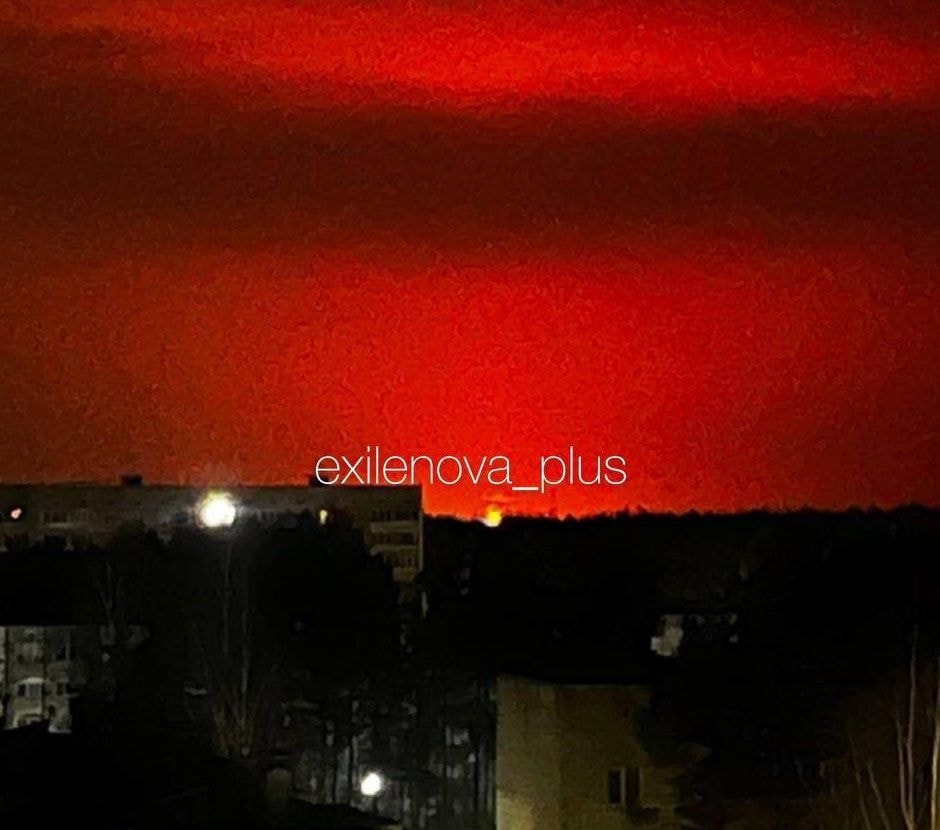
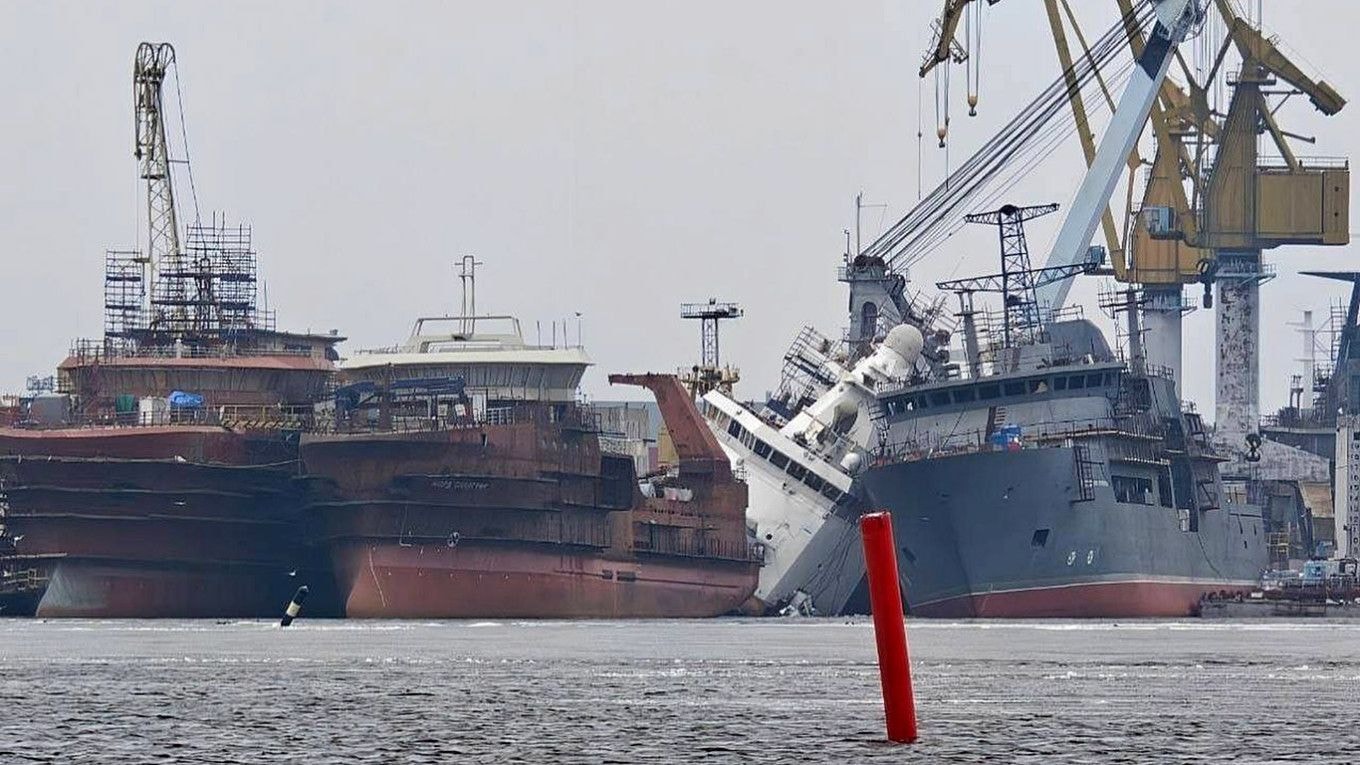
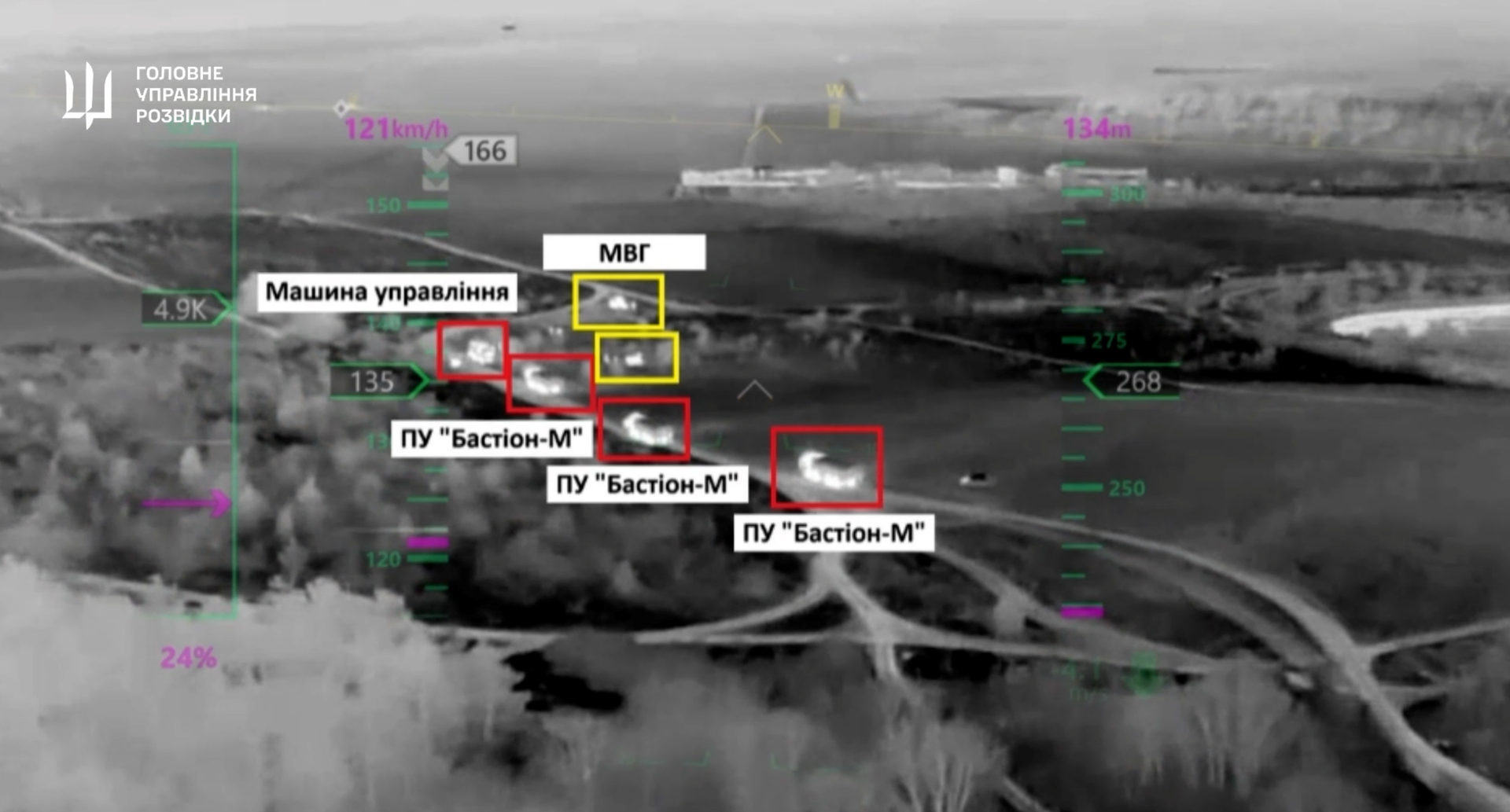
In occupied Crimea, SOF targeted a base for operators of unmanned surface vessels in Sevastopol. According to SOF, several drones "successfully" reached their targets.
In the occupied part of Zaporizhzhia Oblast, near the village of Novopetrivka, SOF attacked Russia's general-purpose military training ground Vostochny, where personnel, equipment, and supplies were located.

Russian military personnel teach schoolchildren in occupied Luhansk Oblast
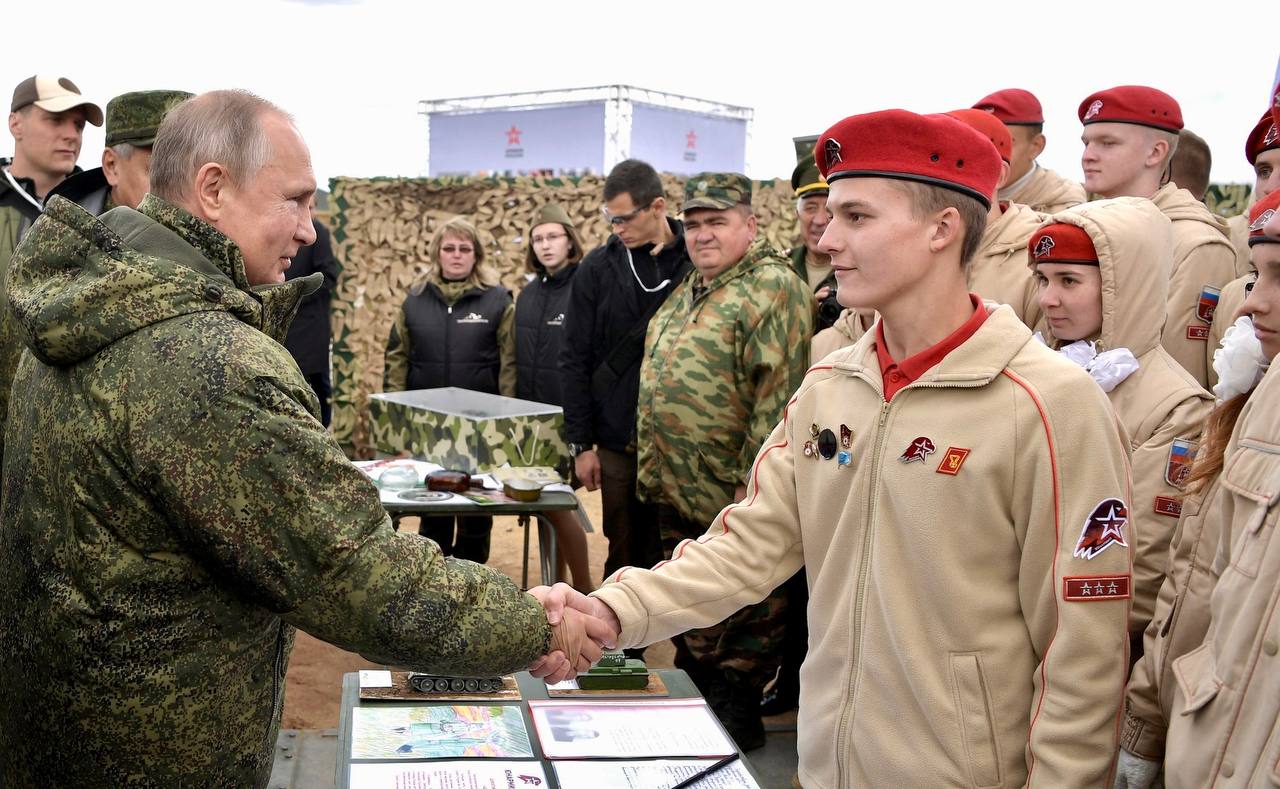
The use of Russian military personnel to teach lessons in schools in occupied Luhansk Oblast has become "systematic," Oleksii Kharchenko, the head of Ukraine's Luhansk Oblast Military Administration, reported on March 27.
"Weapons demonstrations instead of textbooks. War propaganda instead of knowledge. Agitation to sign up with the Russian army instead of applying to university," Kharchenko wrote on Facebook.
Kharchenko said the presence of Russian security forces or military personnel in classrooms is becoming the norm. He specified that the report is based on the information about schools in the occupied Markivka district.
"The militarization of children and teenagers has become systematic," Kharchenko added.
Russia regularly commits war crimes in the occupied territories against Ukrainian children and young people who, for various reasons, cannot leave for areas under Ukrainian control. One of the most common abuses is the forced conscription of individuals who have recently reached adulthood into the Russian army to fight against Ukraine.
Last week, on March 20, Taya Avram, a lawyer within the Donbas SOS NGO, told the Kyiv Independent that forcing Ukrainian students in Russian-occupied territories to join the Russian army if they fail an exam is another example of Russia's militarization of Ukrainian youth.
Ukraine brings back 15 children from Russian-occupied territories
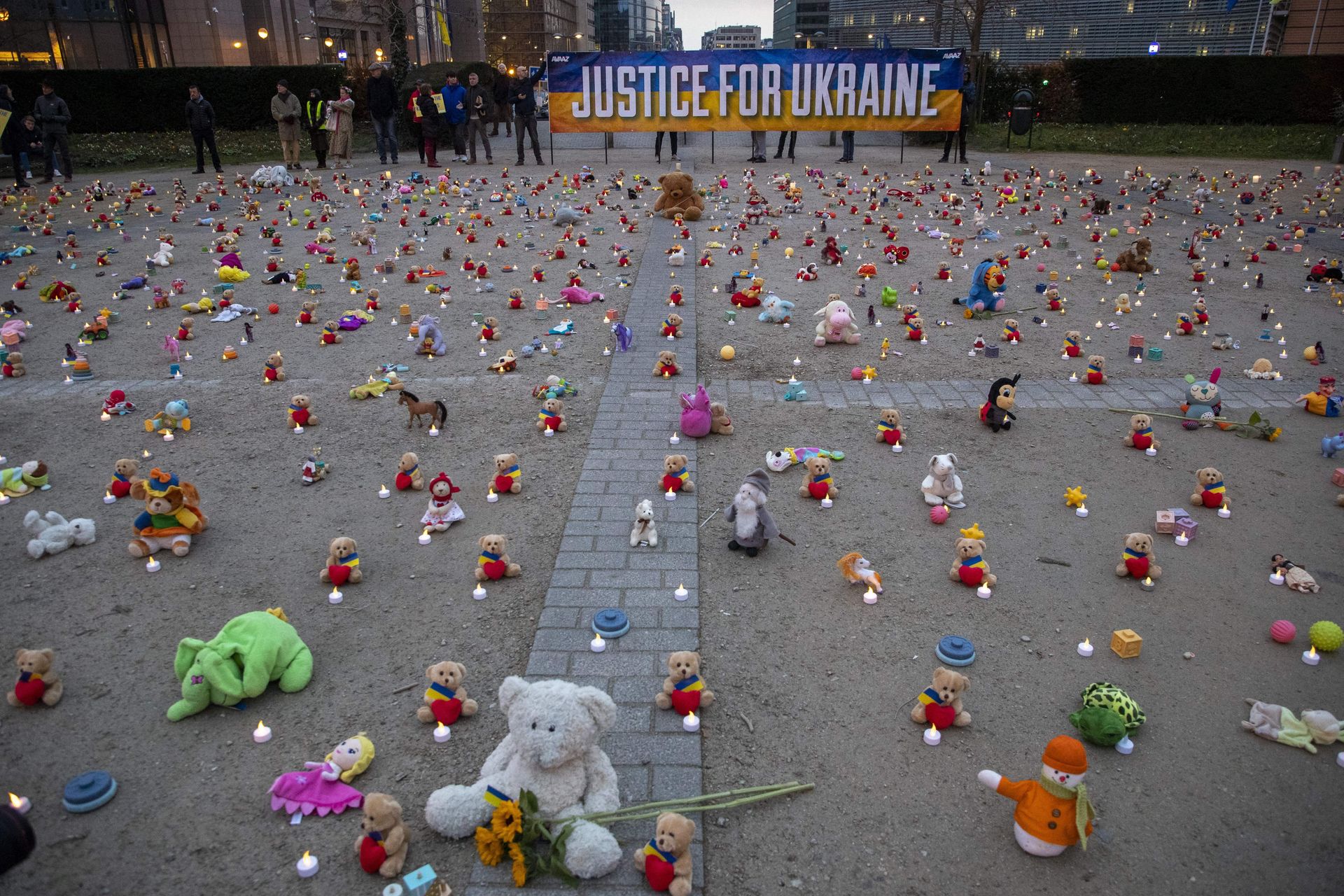
Fifteen children and teenagers have been rescued from Russian occupation over the past week, Save Ukraine, a Ukrainian humanitarian NGO, announced on March 25.
"All of them went through fear, threats, and pressure — but now they are finally safe," the organization's founder, Mykola Kuleba, said. He did not specify which Russian-held Ukrainian territories the children were brought back from.
Among the rescued children is nine-year-old Nazar. He had to live under air strikes from the start of the full-scale war because his family couldn't leave their home in their occupied village. Russian soldiers dug trenches just a few hundred meters from Nazar's house, causing shells to frequently fly over the house and mines to land in their yard.
Read more about other rescued children and teenagers in our report.
Russia wants to ban those over 60 in occupied Ukraine from receiving calls from abroad
Russia plans to ban those aged over 60 living in occupied areas of Ukraine from receiving calls from abroad, potentially preventing them from communicating with relatives, Ukraine's authorities reported on March 25.
Oleksii Kharchenko, the head of Ukraine's Luhansk Oblast Military Administration, said Russia is trying to "severely limit" communication between family members separated because of the war.
People living in Ukraine-controlled areas cannot safely visit loved ones in occupied areas due to active front-line battles and strict filtration processes when trying to travel to occupied territories through third countries like Belarus.
Many Ukrainians under Russian occupation are unable to leave their homes for various reasons, such as ill health, making phone and internet the only means to stay in touch with their relatives.
"Control over the population (in occupation) is tightening every day," Kharchenko said.
Russia auctions off gold deposit in occupied Luhansk
Russia is auctioning off natural resource assets in occupied Ukrainian territories, including a gold deposit in Luhansk Oblast, Reuters reported on March 26, citing auction documents.
The rights to develop the Bobrykivske gold ore deposit were sold for $9.7 million to a company controlled by Russian mining firm Polyanka. According to auction data, the deposit contains an estimated 1.64 metric tons of gold, which at current market prices could be worth nearly $260 million.
Before Russia seized Crimea and began its war in eastern Ukraine in 2014, the site was being developed by Australian company Korab Resources.
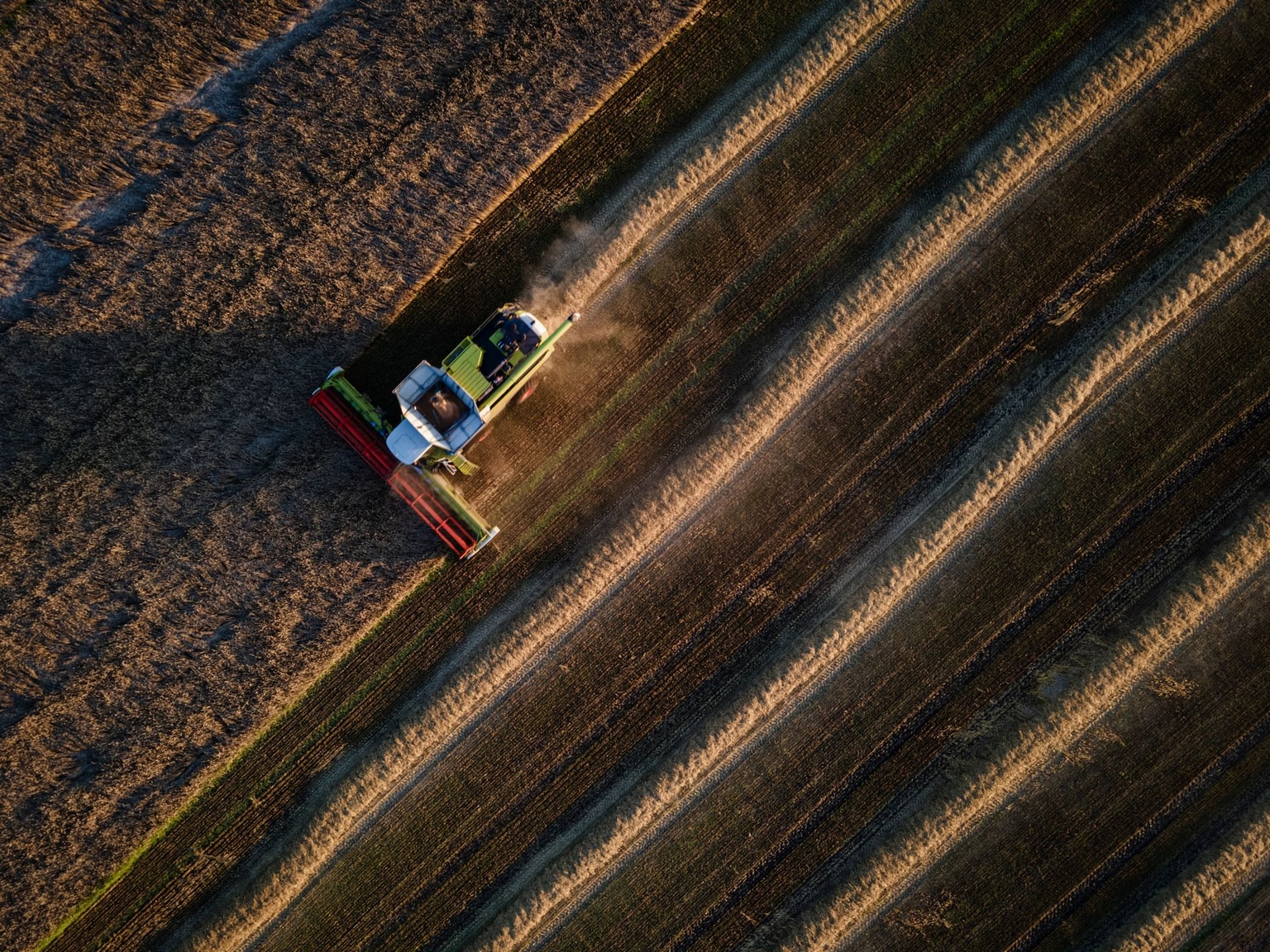
Reuters reported that Moscow is putting dozens of assets in occupied territories up for online auction, including mines, quarries, and agricultural land.
Read the full report at Reuters.