New START expires, frees US, Russia from decades of nuclear arms restrictions
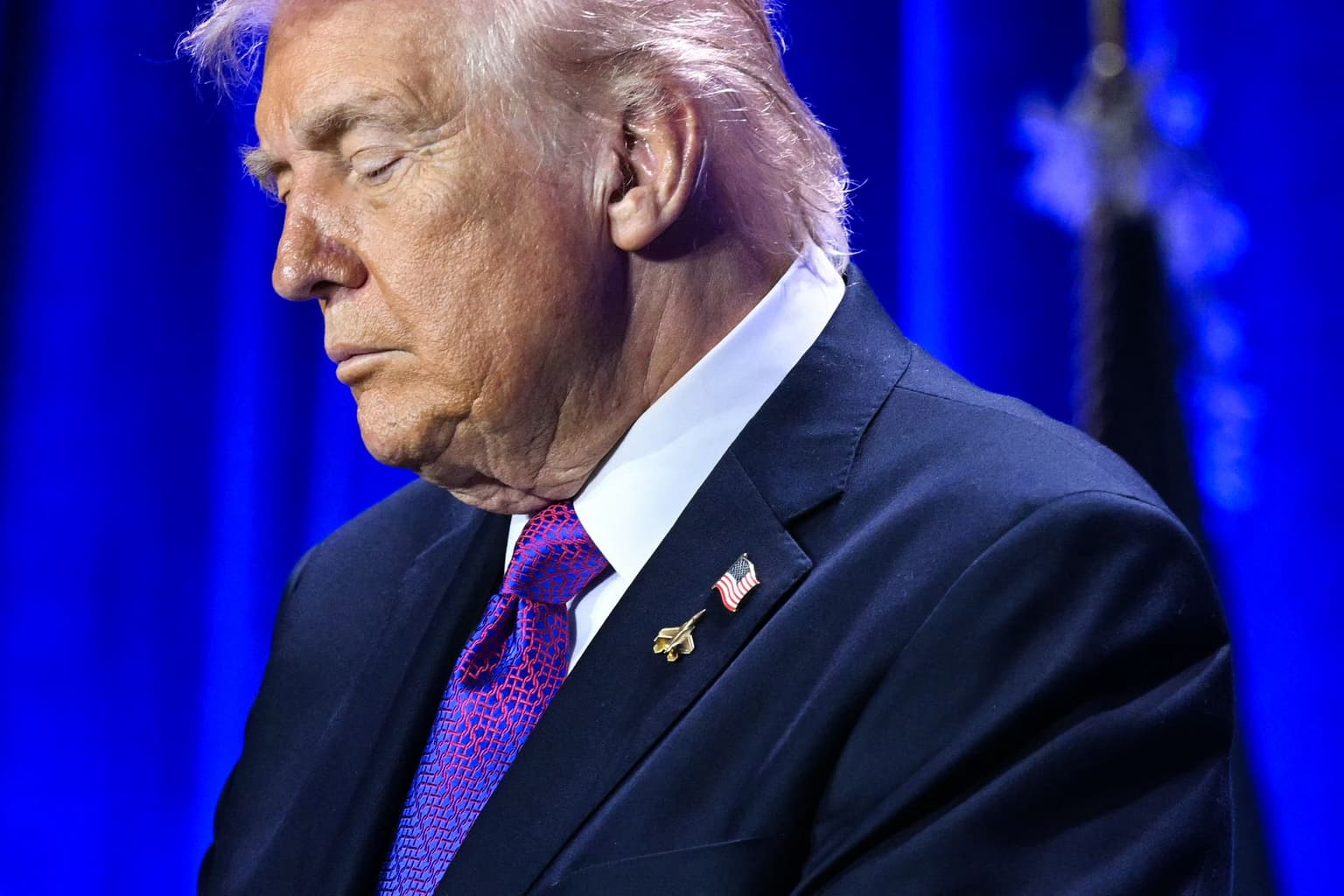
U.S. President Donald Trump in Washington, D.C., U.S. on Feb. 5, 2026. (Saul Loeb / AFP via Getty Images)
 on Google
Editor's Note: The story was updated to include the most recent comment by U.S. President Donald Trump.
"If it expires, it expires," U.S. President Donald Trump said in his interview with The New York Times when asked about his intentions to extend the New START treaty that officially ended on Feb. 5.
The expiration would put an end to the last bilateral agreement limiting Russian and U.S. nuclear arsenals — a combined 80% of the world's total.
Russia's President Vladimir Putin announced his support for extending the treaty in September.
"We consider this a very important topic," said Kremlin spokesperson Dmitry Peskov, adding that Russia "continues to wait for a response from the U.S."
Trump had later confirmed that the U.S. would not be prolonging the deal which he said was a "badly negotiated deal by the United States that, aside from everything else, is being grossly violated."
New START (Strategic Arms Reduction Treaty) came into effect in 2011 when Washington and Moscow agreed to put a cap on their strategic nuclear weapons.
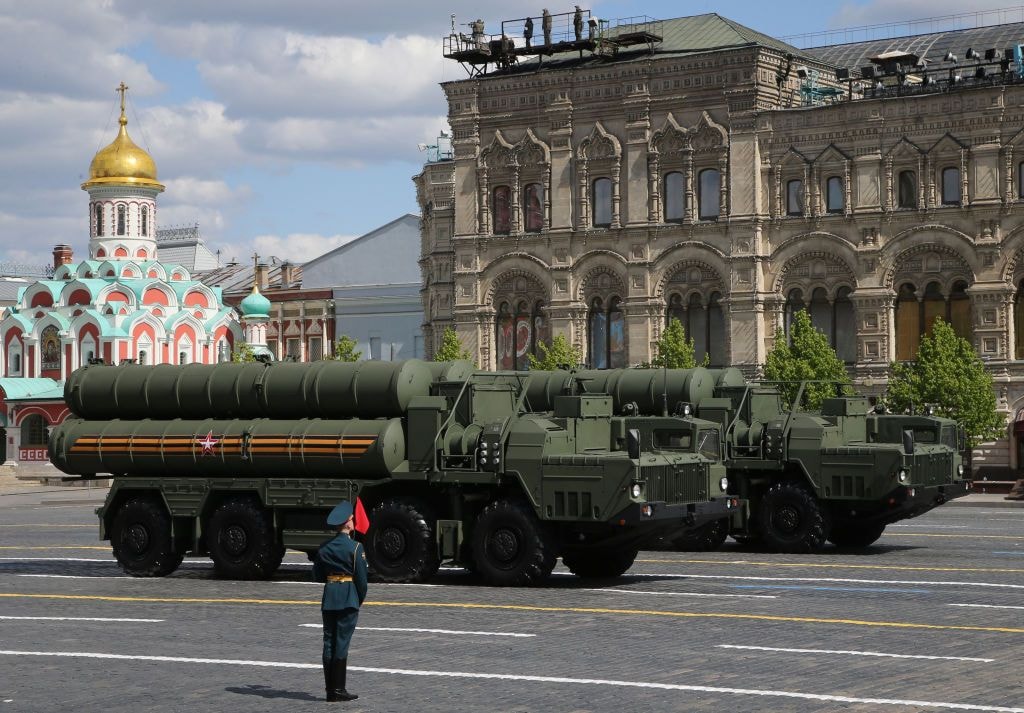
The treaty limits each country to 1,550 deployed nuclear warheads, 800 deployed and non-deployed launchers, and 700 deployed heavy bombers, intercontinental and submarine-launched ballistic missiles.
Outliving its initial 10-year term, the treaty was extended for a further 5 years in February 2021 with the support of both parties. Yet, the Kremlin has notoriously suspended its participation in New START inspections following the start of its full-scale war against Ukraine.

"It really weakens the kind of existing arms control norm and instead shifts that norm from a rules-based nuclear order to a power-based nuclear order," said Abigail Hall from the Independent Institute think tank in the U.S.
Yet, the geopolitical landscape has shifted dramatically since the era of the previous START agreements.
"When you start moving from a bipolar order to a multipolar order, then when you start looking at things like arms control agreements, alliance shifting, all of that stuff gets a lot more complicated," Hall said on the reality of extending or creating a new framework to limit nuclear arms.
The emergence of new global superpowers, namely China, has substantially challenged the adequacy of the existing agreements. Today, Trump's ambition to include China, whose growing nuclear supply is a concern, in a future treaty has left the U.S. stalling on the extension. The Chinese government maintains that it will not participate in any arms control deal until Russia and the U.S. substantially reduce their own arsenals.
China has an estimated 600 nuclear warheads, with the Pentagon predicting it will reach the 1,000 mark by 2030.

There is another beneficiary to the potential end of New START.
"If the U.S. and China are bickering about nuclear caps and you're currently in an unconstrained kind of regime," Hall said, "then that gives Putin more leeway to change what they (Russia) are doing."
Russia has previously threatened to use nuclear weapons, telling countries to "think twice" before establishing allyship with Kyiv or imposing further sanctions on Moscow.
Additionally, the Kremlin expects any future talks about strategic nuclear arms control to include the U.K. and France, whose combined arsenal amounts to just over 500 nuclear warheads.
The future of New START and nuclear control remains uncertain. But one principle remains constant, as Hall noted, "We can sign treaties all day long. But if we don't believe that the party we're signing the treaty with is doing so in good faith, it doesn't really do a whole lot in terms of efficacy."