Exclusive: Iran gave Russia over 350 Fath-360 missiles. Ukraine has yet to see one launched
 on Google
Editor's note: The story has been updated with additional comments.
Russia has not carried out a single confirmed launch of an Iranian-made ballistic missile against Ukraine during the full-scale war, Ukraine's military intelligence (HUR) told the Kyiv Independent on Jan. 26.
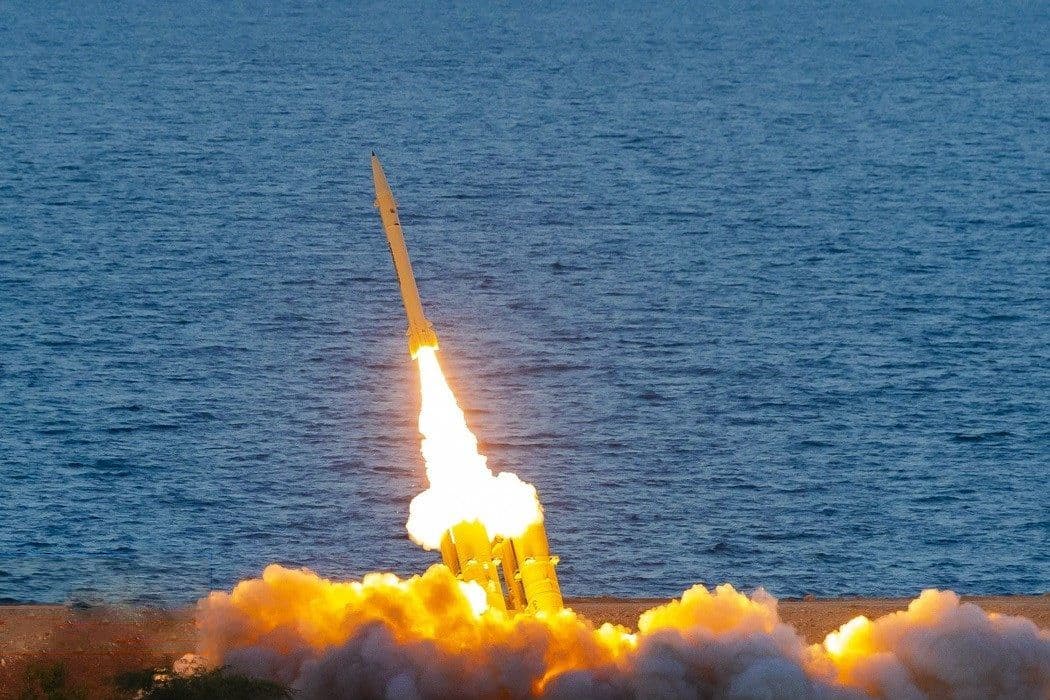
While Tehran has delivered more than 350 Fath-360 short-range missiles to Moscow, Ukraine has yet to confirm their deployment against targets on Ukrainian territory, HUR spokesperson Andrii Yusov said.
The reasons could be "possible limitations of a technical or political character," he added, not ruling out that Russia may have conducted test launches on its own territory.
Iran has provided the Fath-360 missiles — close-range ballistic weapons with a range of up to 75 miles (120 kilometers) and capable of carrying a 150-kilogram warhead — the U.S. confirmed in September 2024.
The delivery underscored the deepening Russian-Iranian partnership during the war, with Tehran previously supplying Moscow with its Shahed kamikaze drones.
Iran's support for Russia's war
Experts have described the Fath-360 as a tactical weapon that could be used to strike military targets not far from the front line, allowing Russia to save more expensive missiles, like Iskanders, for attacks deeper inside Ukrainian territory.
Fabian Hinz, a research fellow with the London-based International Institute for Strategic Studies, offered possible explanations for why Russia has not deployed the weapon so far, including potential issues with the quality or contracts.
"The deliveries may not have been fully completed, as there were reports of delays in the transfer of launchers," the expert in missile technology told the Kyiv Independent, adding that the reasons can only be speculated about at this stage.
Yusov emphasized that the Kremlin continues to maintain close ties with Iran, noting that Shahed-type drones — now also produced inside Russia — remain among the most frequently used weapons in attacks on Ukraine.
Russian forces also regularly strike Ukrainian cities with domestically-produced and even North Korean missiles, recently scaling up their attacks in an effort to knock out the country's energy grid.
Bloomberg previously reported, citing an undisclosed Western security official, that Iran has sold about $2.7 billion worth of missiles to Russia under contracts starting in October 2021 — months before the all-out invasion started.
The ammunition included "hundreds" of Fath-360 missiles, nearly 500 other short-range ballistic missiles, and around 200 air defense missiles, according to Bloomberg's source.
Yusov told the Kyiv Independent that there is no information about Russian forces deploying other Iranian-supplied missiles, such as the surface-to-air types.

Moscow's weakening alliances
While Iran has shaped up as one of Moscow's closest allies over the past years, the stability of the Iranian regime was recently shaken by mass domestic protests.
A violent crackdown by the authorities, leaving thousands of people dead, prompted U.S. President Donald Trump to threaten Tehran with military intervention.
So far, the U.S. president — who also seeks to negotiate a peace deal between Russia and Ukraine — has refrained from military action after receiving assurances that the killing of protesters had stopped, averting a direct confrontation between the two countries.
The fears about a U.S. intervention in Iran were reinforced by Washington's military operation in Venezuela in early January, which led to the capture of dictator Nicolas Maduro, another ally of Russia.
The Trump administration also carried out strikes against Iranian nuclear facilities in June 2025, while Israeli and Iranian forces exchanged aerial attacks the same month as part of broader regional tensions connected to the war in Gaza.