Europe loads 'trade bazooka,' ready measures against Trump's Greenland tariff threats
 on Google
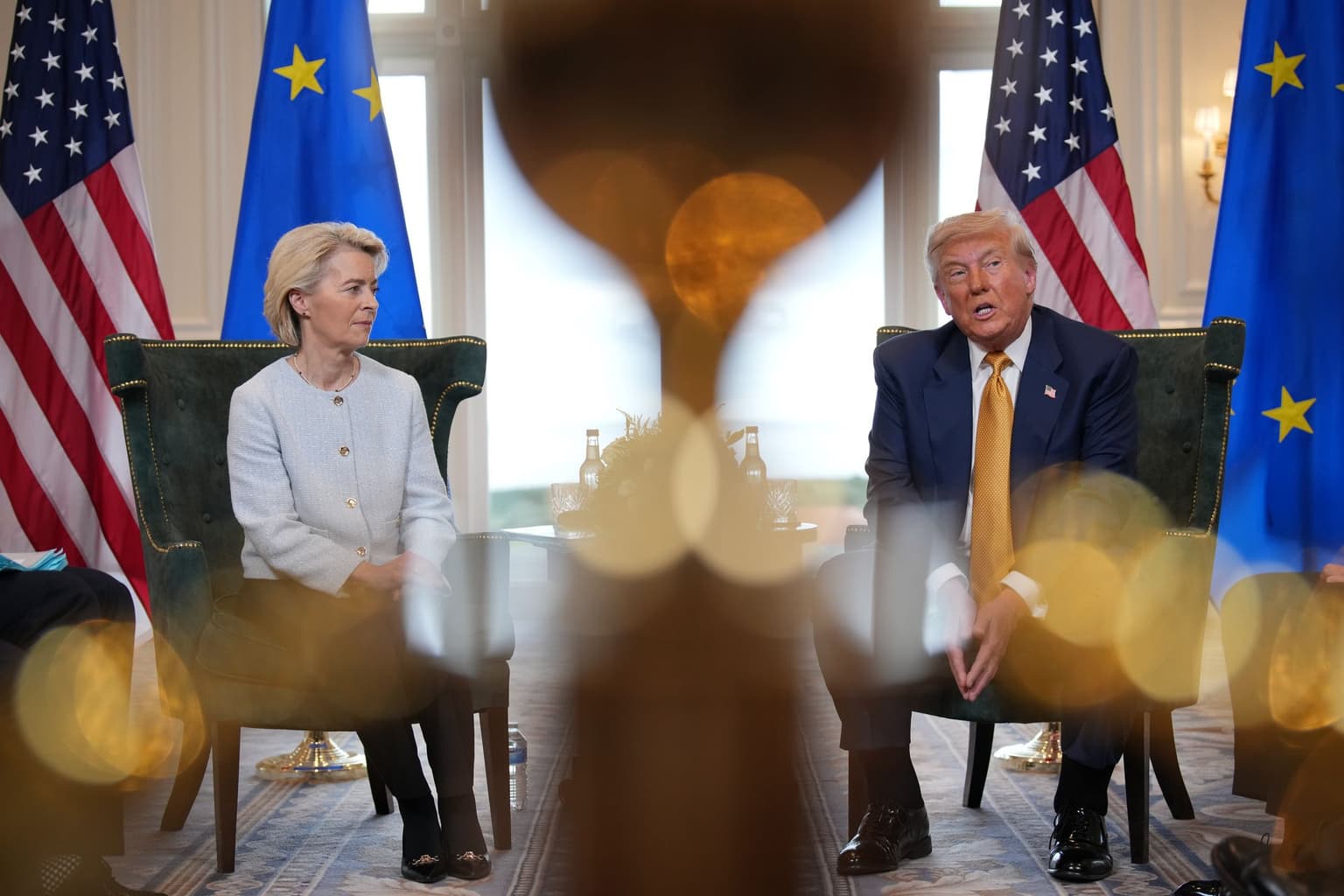
The European Union is preparing a response to U.S. President Donald Trump's threat to impose tariffs on NATO allies over Greenland, with leaders set to discuss retaliation options at a summit on Jan. 22, two people familiar with the matter told the Kyiv Independent.
The dispute escalated after Trump renewed calls for the United States to acquire Greenland — an autonomous Danish territory — warning that Washington would do so "one way or another" and refusing to rule out military force.
Trump said on Jan. 17 that the U.S. would impose 10% tariffs on NATO allies — France, Sweden, Denmark, Norway, Germany, the U.K., the Netherlands, and Finland — until Washington secures a deal to buy Greenland.
The tariffs would take effect on Feb. 1 and rise to 25% on June 1.
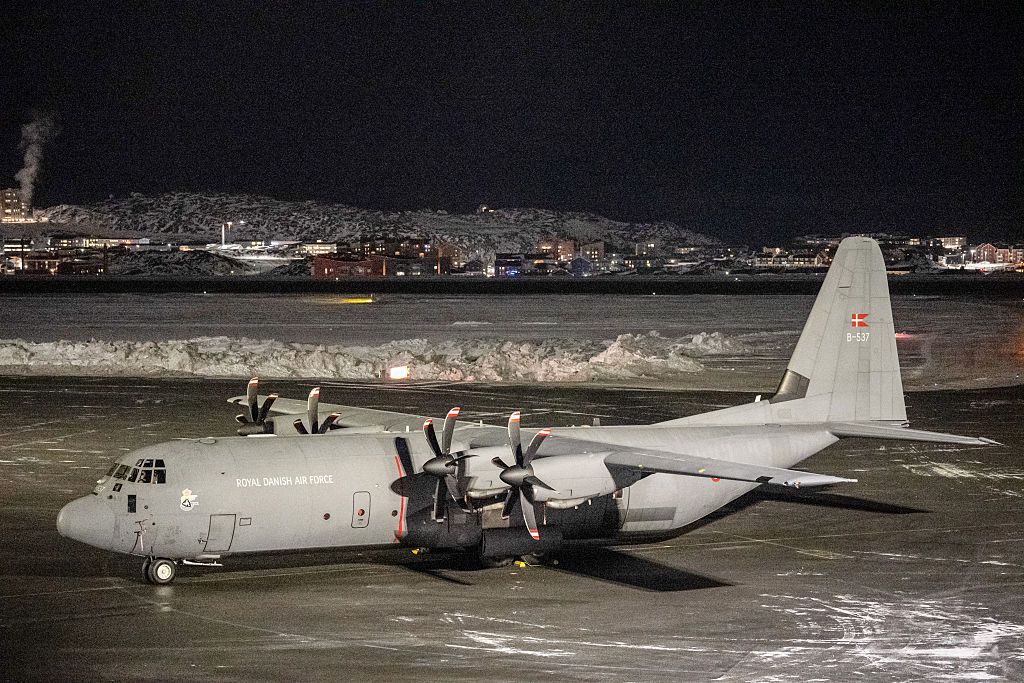
The announcement came days after European troops from France, Germany, and other countries began arriving in Greenland for military exercises, adding to concerns in European capitals that Trump's rhetoric is spilling into economic coercion.
After hearing the U.S. president's threats, EU officials concluded that a coordinated response is necessary, with several options expected to be debated by leaders this week.
"When it comes to the security of the Arctic region, Europe is fully committed," European Commission President Ursula von der Leyen said in Davos on Jan. 20. "Our response will be unflinching, united, and proportional."
What options are on the table
EU leaders plan to address the crisis on the sidelines of the World Economic Forum in Davos, where they are seeking meetings with U.S. officials in an effort to de-escalate. Trump is expected to hold talks with several leaders, including von der Leyen.
If those efforts fail, EU officials say the bloc has two main retaliation paths.
One option under discussion in European cabinets is invoking the EU's Anti-Coercion Instrument — the bloc's so-called trade "bazooka" — adopted in 2023 but never used.
The mechanism allows the European Commission to respond to economic coercion by third countries through countermeasures such as trade restrictions, licensing requirements, or limits on market access and foreign investment.
Another option under discussion involves retaliatory tariffs on U.S. companies and restrictions on American firms' access to the EU market. The debate is sharpened by an existing deadline.
When the EU ratified its tariff commitments under a U.S.–EU trade deal last summer, it suspended counter-tariffs on U.S. goods worth 93 billion euros ($109 billion). Those measures, drawn up in response to Trump's earlier "Liberation Day" tariffs, were frozen for six months as part of the agreement.

That suspension expires in early February, meaning the tariffs could automatically snap back into force unless EU leaders decide to extend the pause or scrap the measures altogether.
"Trump's latest tariff announcement has escalated trade tensions into an entirely new dimension — one driven less by economic logic and more by political motives," Carsten Brzeski, the Global Head of Macro for ING Research, said.
"It is also pushing the transatlantic relationship into a crisis, with a clear risk of escalation and unwarranted negative consequences for both Europe and the U.S. economy."
Reflecting the uncertainty, the European Parliament's largest political groups said on Jan. 17 they would postpone a scheduled vote on cutting EU tariffs on U.S. goods — steps intended to implement the trade deal reached last summer.
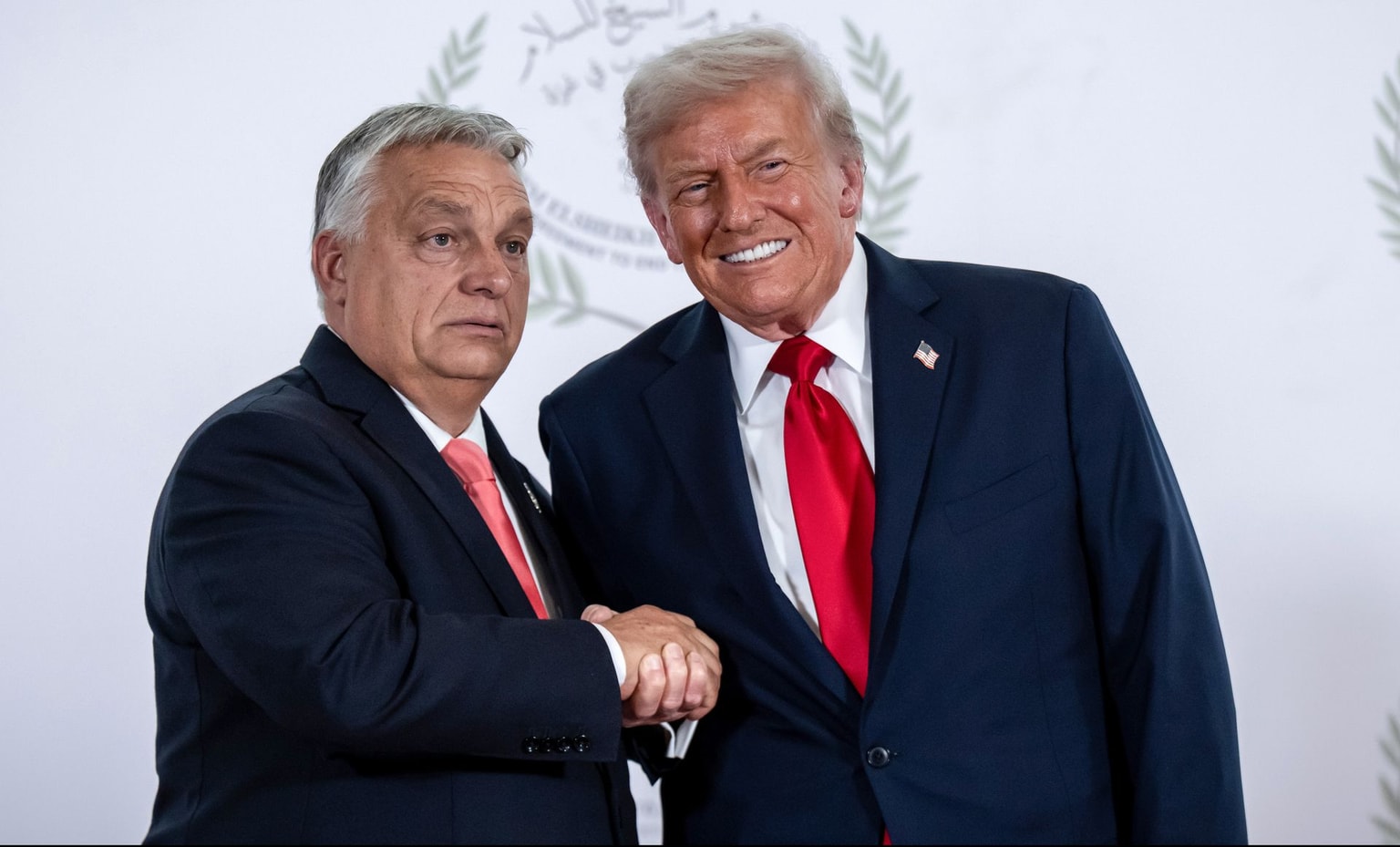
"The EU and U.S. agreed to a trade deal last July. And in politics as in business, a deal is a deal," von der Leyen said in Davos. "When friends shake hands, it must mean something."
Washington has urged restraint. U.S. Treasury Secretary Scott Bessent called on Europe on Jan. 20 to "sit back, take a deep breath," warning that "the worst thing countries can do is escalate against the United States."
Greenland turns trade dispute geopolitical
Beyond tariffs, EU officials clearly see Trump's move as part of a broader challenge to transatlantic unity — one that Russian officials have openly welcomed.
The U.S. president posted on Jan. 20 a private message from French President Emmanuel Macron, who wrote: "I do not understand what you are doing on Greenland."
As European leaders gathered in Davos, where they had planned to press Trump on security guarantees for Ukraine, Greenland unexpectedly rose to the top of the agenda.
"The point is that the world has changed permanently," von der Leyen said in her closing remarks in Davos. "And we need to change with it."
read also
 Oleksiy Sorokin
 Martin Fornusek
 Tim Zadorozhnyy