Europe's drive to bolster Ukraine faces two obstacles — Trump and Orban

U.S. President Donald Trump (L) greets Hungarian Prime Minister Viktor Orban (R) at the White House in Washington, D.C. on Nov. 6, 2025. (Maxine Wallace/The Washington Post via Getty Images)
As the U.S. ramps up pressure on Ukraine to accept a swift and potentially painful peace deal with Moscow, European allies seek to reassure Kyiv it is not alone.
For the EU, Ukraine is not merely a strategic partner standing between the bloc and Russian armies — it is also a future member.
Top European officials met in the western Ukrainian city of Lviv on Dec. 10-11 to advance Ukraine's EU accession and reaffirm their support.
But beneath the EU's confident tone, major obstacles persist — most notably Hungary's ongoing veto of Ukraine's accession and the Trump administration's bid to marginalize Brussels in shaping any peace deal.
Hungary's blockade
Although Ukraine and the EU formally initiated the accession process in 2024, the opening of the first negotiations cluster remains elusive.
There is a singular reason for that — Hungary, whose Prime Minister Viktor Orban became broadly recognized as the most Moscow-friendly leader within the bloc.
European ministers who spoke to the Kyiv Independent in Lviv voiced their frustration with Budapest, reminding that the remaining 26 members wish to move the process forward.
Jessica Rosencrantz, Sweden's European affairs minister, said it is necessary to "put pressure on Hungary in all the ways that we can."
The EU must be "open for all European countries that are democratic and live up to the standards," she said in an interview with the Kyiv Independent.
The sentiment is echoed by Danish European Affairs Minister Marie Bjerre, whose country chaired the Council of the EU in the past six months.

"Hungary can't keep blocking (the process) if Ukraine keeps delivering," she said in an interview with the Kyiv Independent, lauding Kyiv's reforms while noting that three out of six negotiation clusters could be opened now, provided there is political consensus.
But the question of how Hungary can be swayed remains unanswered.
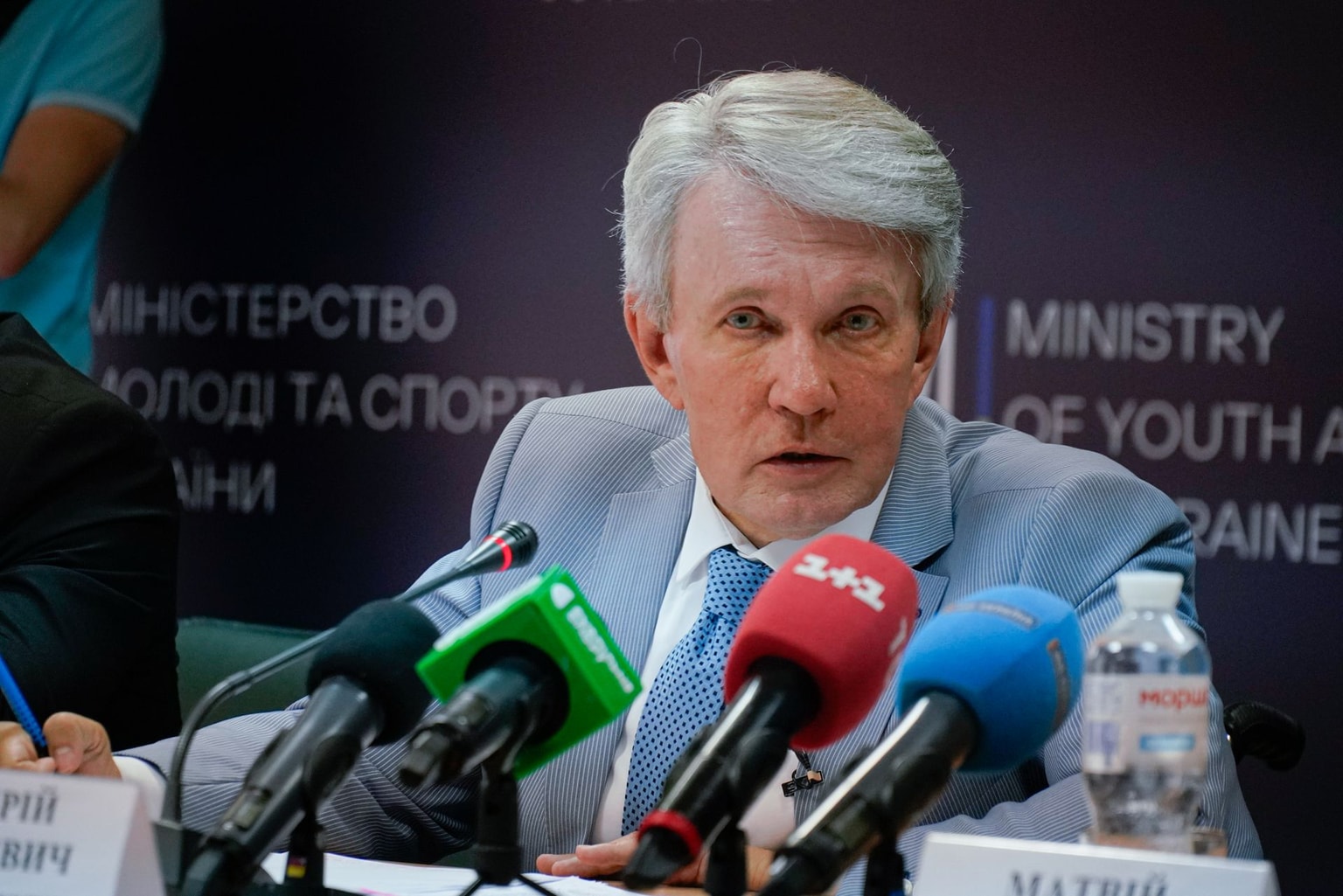
Ukraine's Deputy Prime Minister for European and Euro-Atlantic Integration Taras Kachka said during a press conference in Lviv on Dec. 11 that Budapest "should" lift its veto as Ukraine is committed to addressing the only point Hungary is raising — the status of the Hungarian minority in Zakarpattia Oblast.
It is far from certain that Orban, who has been antagonistic toward Ukraine on virtually every issue throughout the war, would be receptive to such arguments.
Privately, European and Ukrainian officials hope that Orban is voted out of office in the April elections, or that U.S. President Donald Trump, Orban's ideological ally, can pressure him to concede.
A story by the Washington Post suggests that the last option is not off the table. According to the outlet, Ukrainian and U.S. officials are discussing the possibility that, as part of a peace deal, Ukraine would join the EU as early as 2027, with Washington confident that it can overcome Hungary's opposition.

Corruption in focus
Despite Hungary's veto, Bjerre told the Kyiv Independent that the enlargement process with Ukraine "is not at a standstill."
As a political consensus is still lacking, the EU and Kyiv are instead seeking to advance the technical aspects of the talks while waiting for a "yes" from the 27th EU member to formalize the launch.
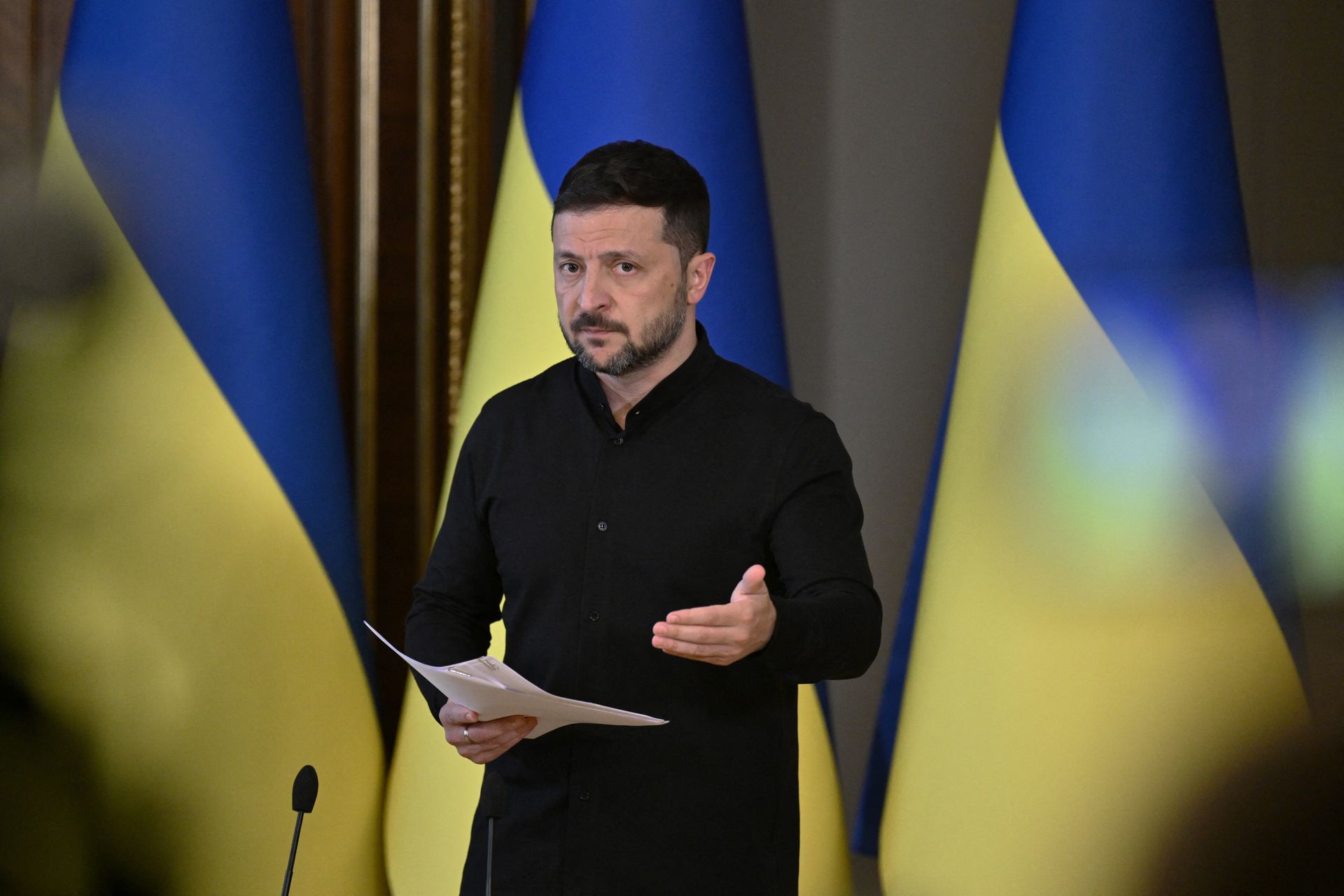
A major announcement of the Lviv meeting was a 10-point list of priorities the Ukrainian government is set to focus on in 2026, namely, fighting corruption and strengthening the rule of law and democratic institutions.
This topic is particularly sensitive in the wake of a major corruption scandal involving President Volodymyr Zelensky's former business partner, Timur Mindich, and leading to the resignation of the powerful head of the Presidential Office, Andriy Yermak.
European officials agree that the scandal is not taken lightly — but they present the investigation as evidence of functioning anti-graft infrastructure.
"Corruption is never acceptable," Bjerre said. "But the fact that things are now being disclosed… that there are now anti-corruption agencies functioning in Ukraine, is a very positive sign."
She refuted the idea that the scandal could hinder Ukraine's accession process.
Rosencrantz described the scandal as "serious" and said Sweden would "encourage Ukraine to carry out further reforms in this area," emphasizing that the EU is not only a geographical identity — it is a value-based one.
EU-US rift
Even as the EU talks about Ukraine as a future member in the most definitive terms, the bloc's role in everything but the accession process remains unclear.
Except for the Geneva talks in November, Trump's envoys primarily led direct dialogue with the Russian and Ukrainian sides, leaving European partners on the sidelines.
Both Bjerre and Rosencrantz said they welcome any efforts to achieve peace in Ukraine.
However, the Danish minister emphasized that no deals about Ukraine and Europe can be concluded without them at the table.
The Swedish official, in turn, said that next to Washington's 28-point peace proposal, Europe has a two-point plan: "To support Ukraine and to put pressure on Russia."
However, the tension between Washington and Brussels extends beyond the approach to ending the war.

A new U.S. National Security Strategy has lambasted the EU while voicing support for Euroskeptic nationalist parties, and Trump himself mocked European leaders as "weak" people who "don't know what to do."
Amid this wave of political fire from once-trusted allies in Washington, Europeans are treading carefully.
"It's very important for Europe and the U.S. to continue to be allies," said Rosencrantz, adding that both share an interest in preserving the rules-based world order.
This comment contrasts with Trump's new security doctrine, which denounces the "globalism" of the post-Cold War era and names "core national interests" as its sole goal.
Voicing surprise over U.S. criticism of the EU, Bjerre said: "We need a strong Europe in a new geopolitical world order."