EU approves new defense program, opens path for Ukraine's industry integration
 on Google
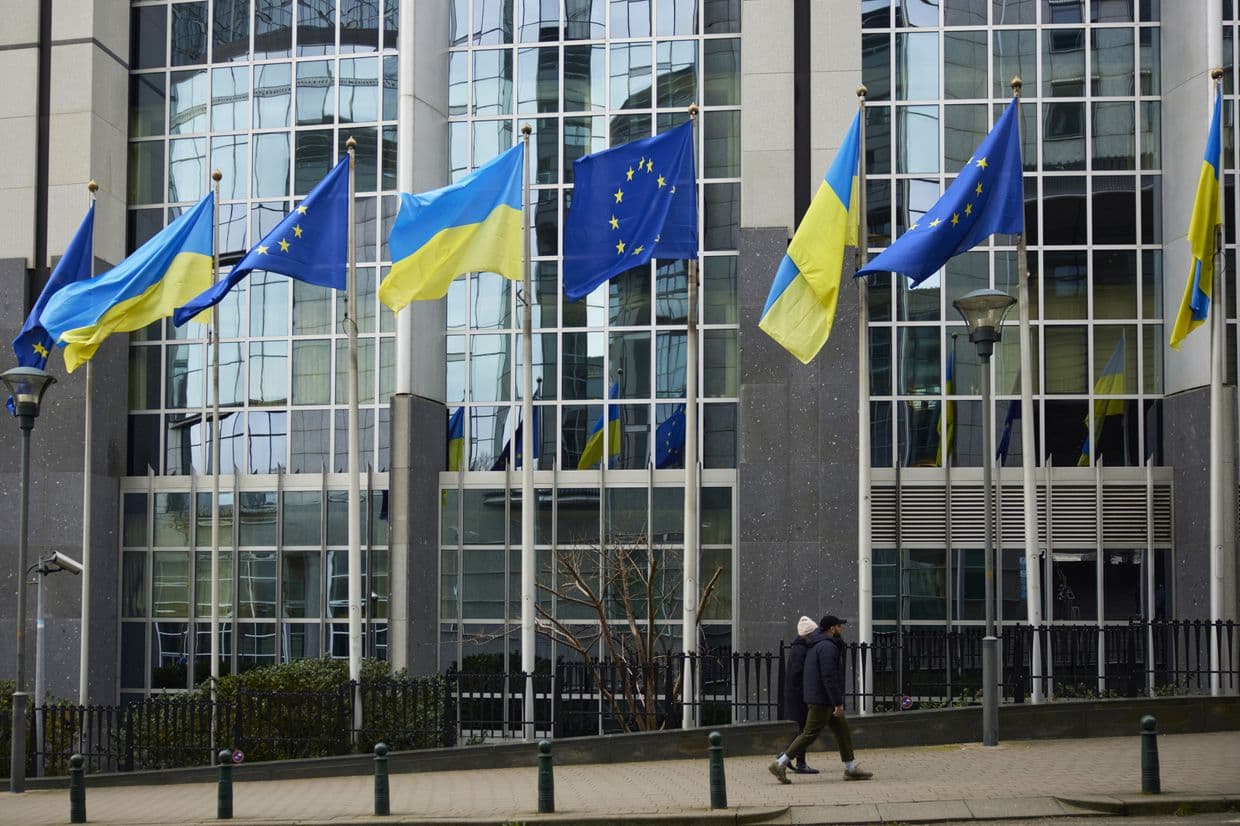
The EU Council on Dec. 8 adopted the European Defense Industry Program (EDIP), a new initiative that includes 300 million euros ($350 million) for the Ukrainian defense industry.
The approval marks the final legislative step and clears the way for launching the program, which is designed to boost the EU's defense readiness and foster the integration of Ukraine's defense sector into the bloc's expanding industrial framework.
The initiative arrives as Europe seeks to rebuild its defense production capacity after nearly four years of supporting Ukraine's war effort.
EDIP allocates 1.5 billion euros ($1.7 billion) in grants for 2025-2027 to strengthen the European defense technology industrial base by increasing output and enabling faster joint procurement.
Within this package, a sum of 300 million euros will fund a dedicated Ukraine Support Instrument, focusing on modernizing Ukraine's defense industry and integrating it into the EU's broader defense manufacturing network.
EU officials have pushed for a more coordinated approach to arms manufacturing, warning that fragmented national systems cannot meet long-term security demands.
"EDIP is the cornerstone of the EU's renewed commitment to bolster its defense readiness," the statement reads. "It will strengthen the ability of member states to face current and future threats."
The European Parliament approved EDIP on Nov. 25.
According to the EU, the regulation will be signed on Dec. 17 and will take effect the day after its publication in the Official Journal, allowing the first funding streams to move quickly.