Allies pledge 35 Patriot missiles for Ukraine — sounds a lot, but is it?
 on Google
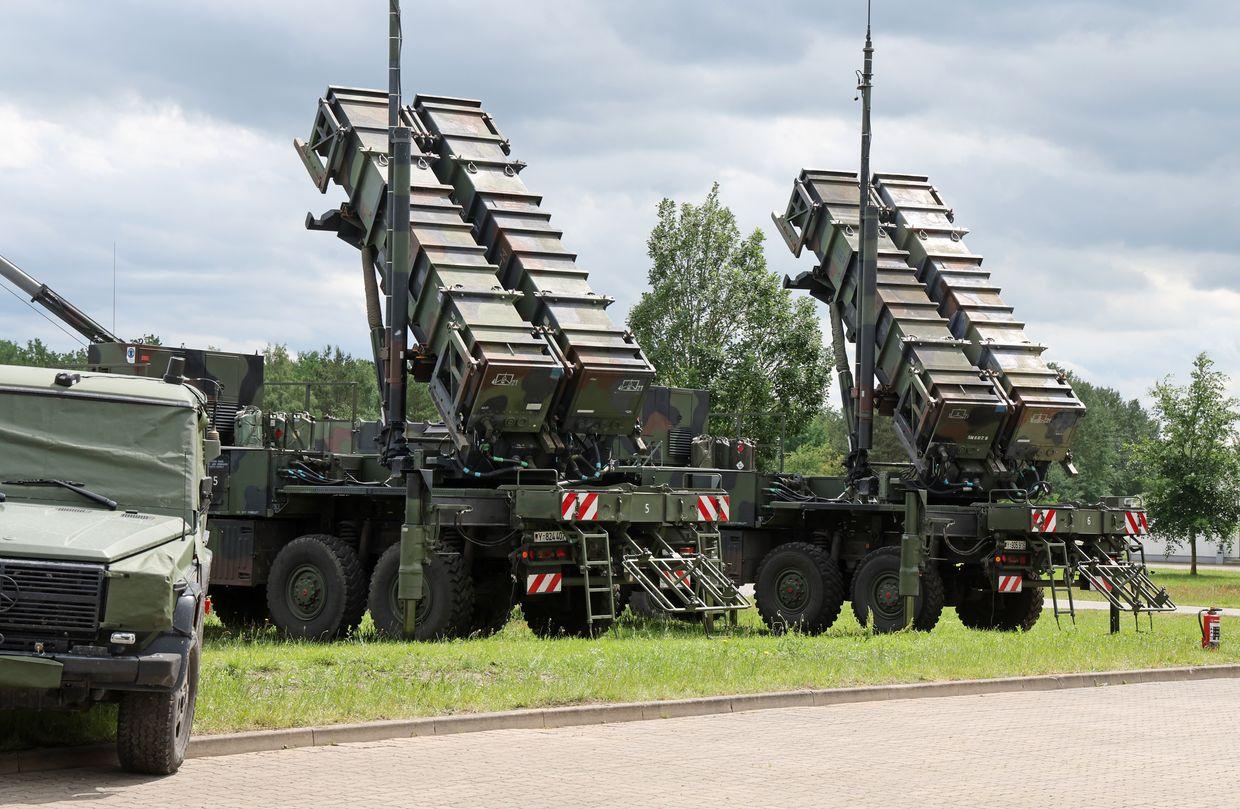
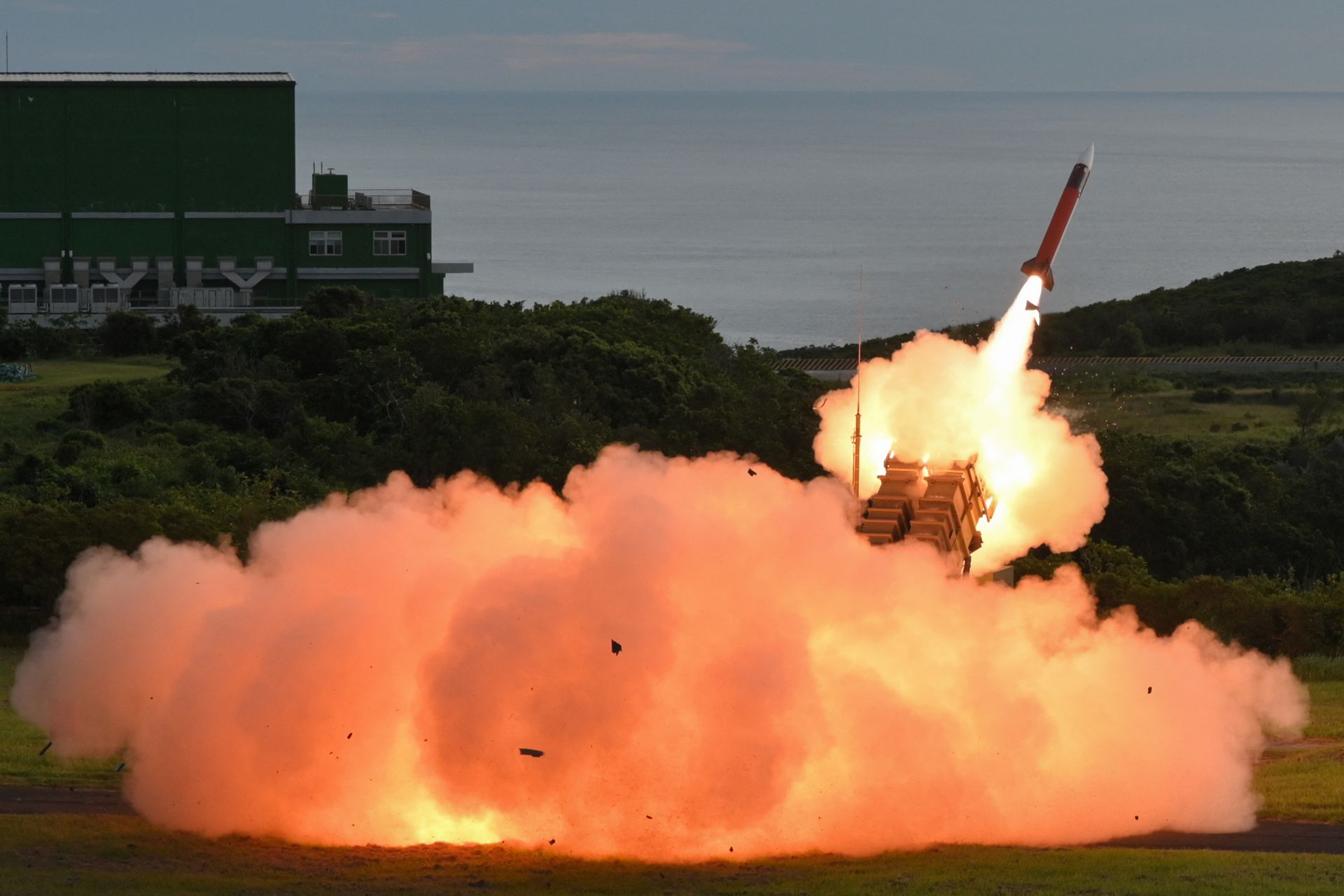
Ukraine is set to receive 35 missiles for U.S.-produced Patriot air defense systems from its partners soon, German Defense Minister Boris Pistorius told journalists on Feb. 12 following a meeting of the Ukraine Defense Contact Group at NATO headquarters.
The announcement comes as Ukraine faces continued large-scale Russian attacks on its energy infrastructure, leaving thousands of residents without electricity, heating and water and causing significant damage that could take weeks to repair.
Thirty of the missiles will be provided by member states participating in the Ramstein format, while Germany pledged five additional interceptors, Pistorius said.
Crucially, Pistorios said the missiles would be the PAC-3 variant. Unlike its predecessor, the PAC-2 GEM-T, the PAC-3 uses hit-to-kill technology, destroying incoming warheads through direct contact rather than relying on a fragmentation blast.
Though its range is shorter, typically around 35 to 50 kilometers (20 to 30 miles), it offers greater precision and is specifically tailored for high-speed ballistic threats.
Responding to news of new deliveries, Yurii Ihnat, head of the Air Force communications department, said Ukraine critically needs additional systems to repel Russian attacks.
"Every time Russia attacks us with ballistic or cruise missiles, we use a large number of interceptor missiles," Ihnat said, adding that usually one interceptor shoots down one aerial target, though sometimes a single missile can take out two.
Russian attacks have escalated this winter with dozens of ballistic missiles sometimes launched at Ukraine in a single night — targets that can only be intercepted by Patriot air defenses. During a mass attack on Feb. 3, Russia launched 71 missiles, 32 of them ballistic, marking the largest missile strike of this winter.
Russian forces also launched 24 Iskander-M and S-300 ballistic missiles and 219 drones overnight on Feb. 12. Ukraine used 24 interceptor missiles to repel the attack, according to Ihnat.
"That gives you the answer to how much (35 additional Patriot missiles) will help," he said. "We critically need replenishment every time."
Ukraine's Air Force has previously reported a shortage of systems to repel Russian attacks. Ihnat said some air defense systems had been left without missiles.
At the same time, Russian attacks are so massive that shooting down all aerial targets is a difficult challenge for Ukraine's strained air defenses.
"Even if 80% of the total is shot down, the remaining 20% causes great damage," he added.
Russia has also modified some of its Iskander-M and Kinzhal ballistic missiles to perform unpredictable maneuvers late in flight, making them harder for Patriot systems to intercept, the Financial Times (FT) reported on Oct. 2.
In the wake of Russian mass strikes, President Volodymyr Zelensky called the Air Force’s work "unsatisfactory" in some regions and announced personnel changes, particularly in units responsible for shooting down Russian drones, including Shahed-type unmanned aerial vehicles.
The U.S.-made Patriot air defense system is one of the few in the world that defend against ballistic missiles, which Russia regularly launches against Ukraine, and which Israel and Iran traded salvos of last month.
The reduction in missile supplies to Ukraine is tied to a drawdown in U.S. stockpiles. The U.S. used roughly a quarter of its high-end THAAD missile interceptors during Israel’s 12-day war with Iran in June, according to CNN.