After six years at the front, here is what nobody tells you about being a woman at war
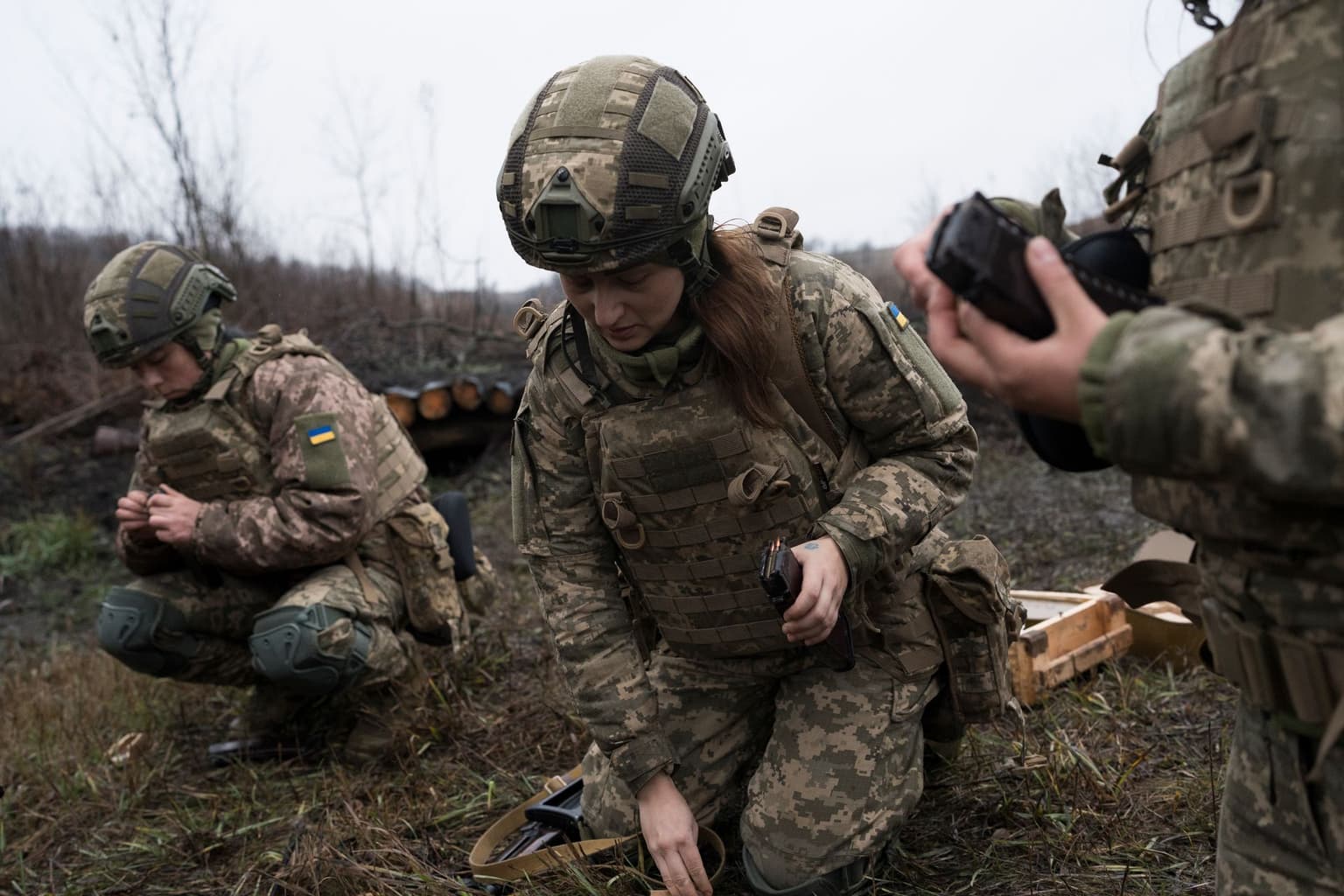
Newly minted female soldiers reload their magazines. Female former inmates turned Ukrainian servicewomen march across a prison yard during their transition from incarceration to military service near the front lines in Ukraine, 13 January 2026. (Nadia Karpova/Frontliner/Getty Images)
 on Google
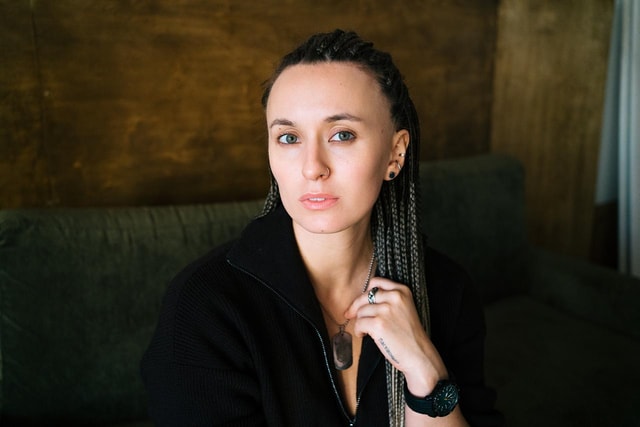
Yaryna Chornohuz
Ukrainian writer and servicewoman
This May will mark six years since I put on a military uniform and began serving in the same marine infantry unit — first as a combat medic in a reconnaissance platoon, and now as a strike drone operator.
I have witnessed three distinct forms of war: the forgotten trench war, the large-scale war of maneuver, and the drone war. Over that time, after many combat operations and losses, much has changed within me.
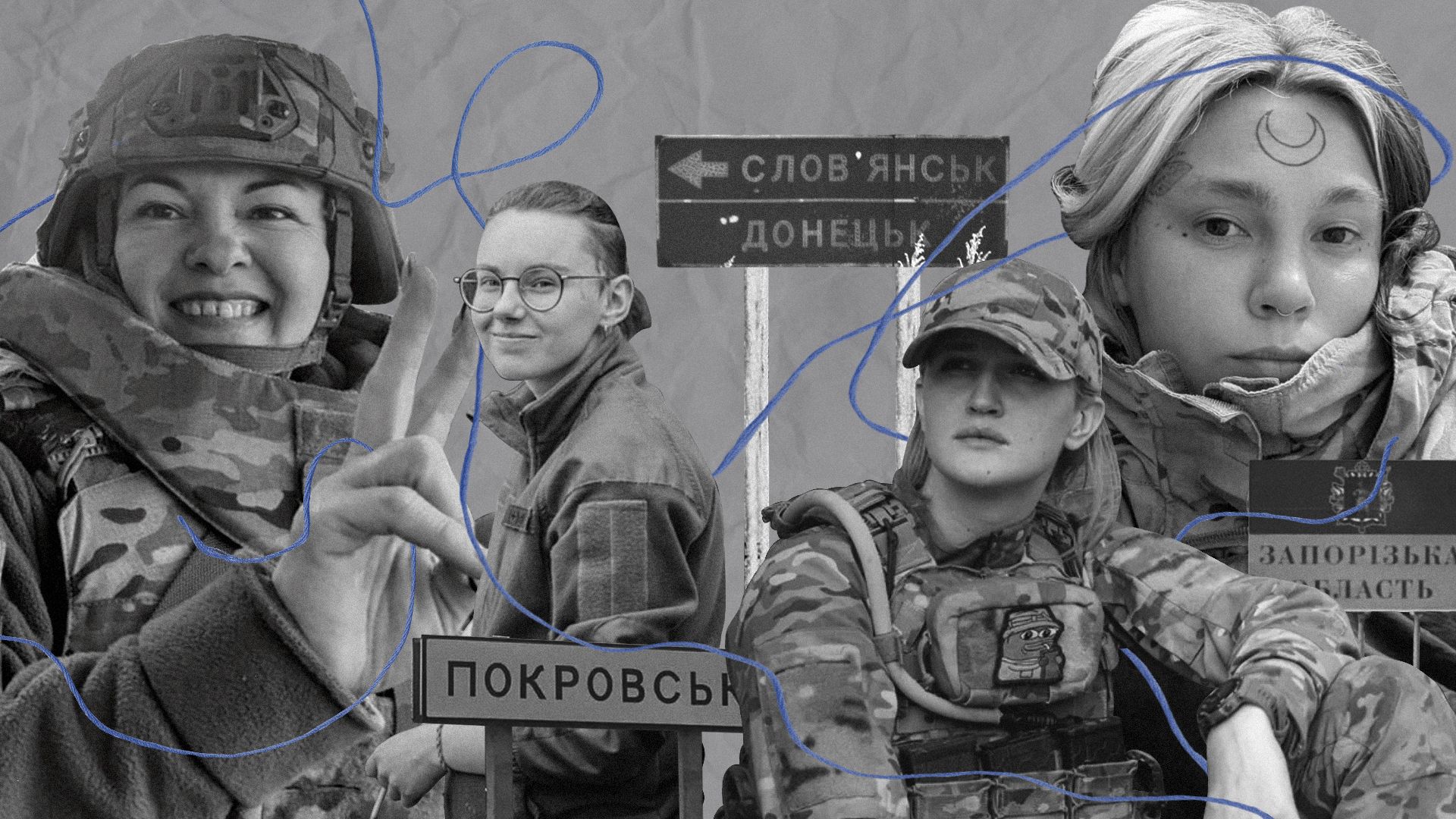
It is gratifying to see how attitudes toward women in the military have shifted during these years of full-scale war. Many of my sisters-in-arms, now veterans, have fought their way into combat positions and direct participation in combat operations — including as infantry soldiers and assault troops — have risen to command positions and senior ranks, and some lead the first all-female drone units.
Some of these women have lost limbs, sustained wounds, been taken prisoner, remain in captivity, or have given their lives for Ukraine. And yet every one of us, at some level, continues to feel the constraints imposed by stereotypes and prejudices about women in the military — prejudices that, regrettably, have not gone anywhere.
Many people cite the impressive number of women serving in the Ukrainian military, but far fewer ask whether these women experience the same equal opportunities for advancement as their male counterparts. Nor do they ask how these women feel under the skeptical gaze of many civilians — gazes so often saturated with stereotypes and an unconscious contempt for a woman who has chosen to wear a uniform.
I will not catalogue these stereotypes — neither those from soldiers with a patriarchal worldview nor those from skeptical civilians. We all know them. I will say only this: at their deepest root, all of them share a common logic — they see us as symbols of resistance, not as its agents.
A symbol is, by nature, maximally static, silent, dehumanized. It is stripped of the moral right to be alive and imperfect. It is defined by a narrow set of assumptions about what a woman is capable of. It does not speak. It does not strive. It simply exists.
A subject is a living person with her own will, motivation, actions, aspirations, and goals. She changes. She is sometimes imperfect. She carries trauma and has her triggers. But she moves forward, and she holds the right to movement, growth, and unconditional respect for her choices and her acts in defense of the state.

A woman in military uniform is a powerful symbol — but not everyone is prepared to see us as subjects, especially within the military, where the subjecthood of all who have taken the oath is already diminished.
Each of us, at her post and in her rank — whether soldier, sergeant, or officer — fights to claim and defend that subjecthood at great personal cost. Far from every woman, even after years of military service on the front lines, earns the recognition of being treated as a subject.
Many commanders, even of the newer generation, prefer to see women in uniform as symbols: static, exceptional, and — as a consequence — immobilized in their professional development within the army. A symbol is displayed and used for inspiration. A subject is trusted, given responsibility, allowed to choose, and to grow.
It is no secret that the full-scale war has also brought significant upheaval to the feminist movement in Ukraine. Some women who have long considered themselves feminists and spent years advocating for women's equal access to professions historically considered male — suddenly reversed their position on the necessity of women enlisting and defending the state, the moment large-scale Russian mechanized war of occupation arrived.
I found it deeply strange to hear arguments that "war is men's business, wars are started and waged by men, and women should stand aside and refuse to let themselves be exploited."
To my mind, this is a retreat into the very same patriarchal narratives about women's incapacity and weakness. Because true equality also demands that we be strong — it presupposes a readiness to share, with the sex endowed with greater physical strength, the very same obligations, even at the cost of risking one's life.
And not merely to share them, but to be subjects and equal co-creators of resistance and armed defense.
Not simply symbols to be showcased — in media and every other venue — with a token few women per unit serving as proof of our society's indomitability. But subjects, granted equal access to all positions, combat and non-combat alike; treated without gendered assumptions about femininity; and above all — trusted in our work, especially when that work is combat.
Before I joined the army, I understood International Women's Day primarily as a day of gratitude to the women of past generations — women who, through their labor and often their self-sacrifice, won for our generation of twenty-first-century women far greater equality in rights with men than any previous generation of women had known. We have held all these rights for barely a hundred years. That is very little time, and very fragile ground.
In the sixth year of my military service, International Women's Day is also an occasion to reflect on how much we have accomplished in the fight against occupation and for equality through our service — but more importantly, it is a day when it is possible to raise one's voice with particular force. Because a symbol is so often denied a voice. A subject has a voice, and she uses it.
In this phase of attrition warfare — into which four years of full-scale invasion and attempted total occupation of Ukraine have now settled — the Ukrainian military and society must welcome every woman who wishes to fight for her state. And they must begin to shift how they see us: from symbols of defense, to agents of defense.
The question of whether women are trusted as full actors in defense is one that every military institution, and every society that claims to value equality, beyond Ukraine, must answer honestly.
Only then will we have a real chance to develop fully, and the possibility of being seen — inside the army and beyond it — as something a little more human.
Editor's note: The opinions expressed in the op-ed section are those of the authors and do not purport to reflect the views of the Kyiv Independent.
read also
 Asami Terajima
 Yuliia Taradiuk
 Sonya Bandouil